Tungnath Temple, Uttarakhand
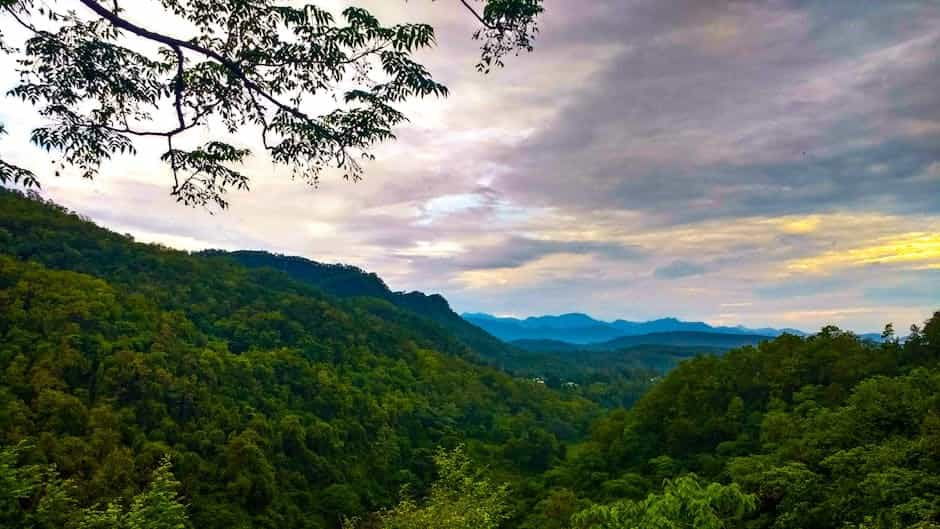
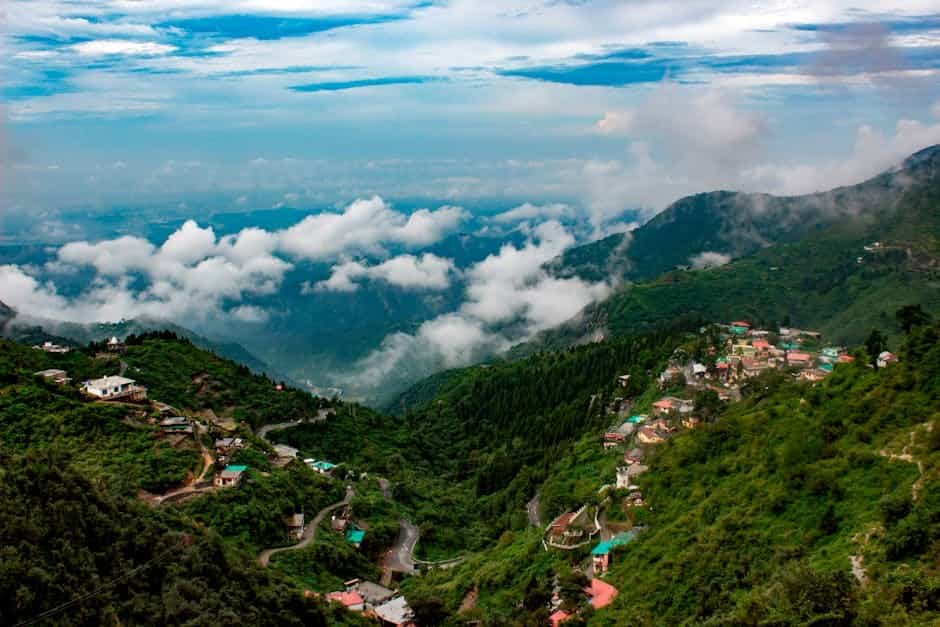
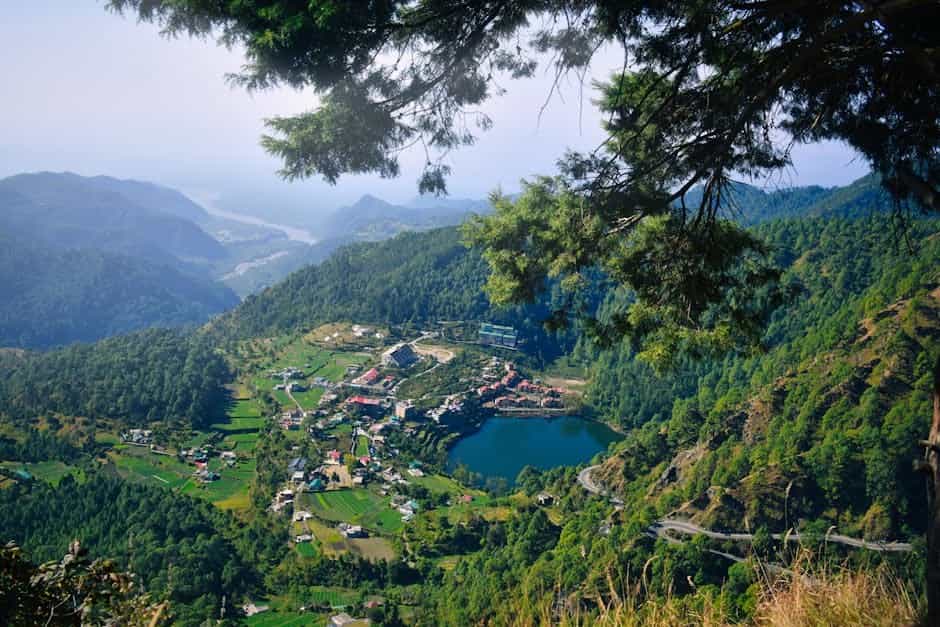
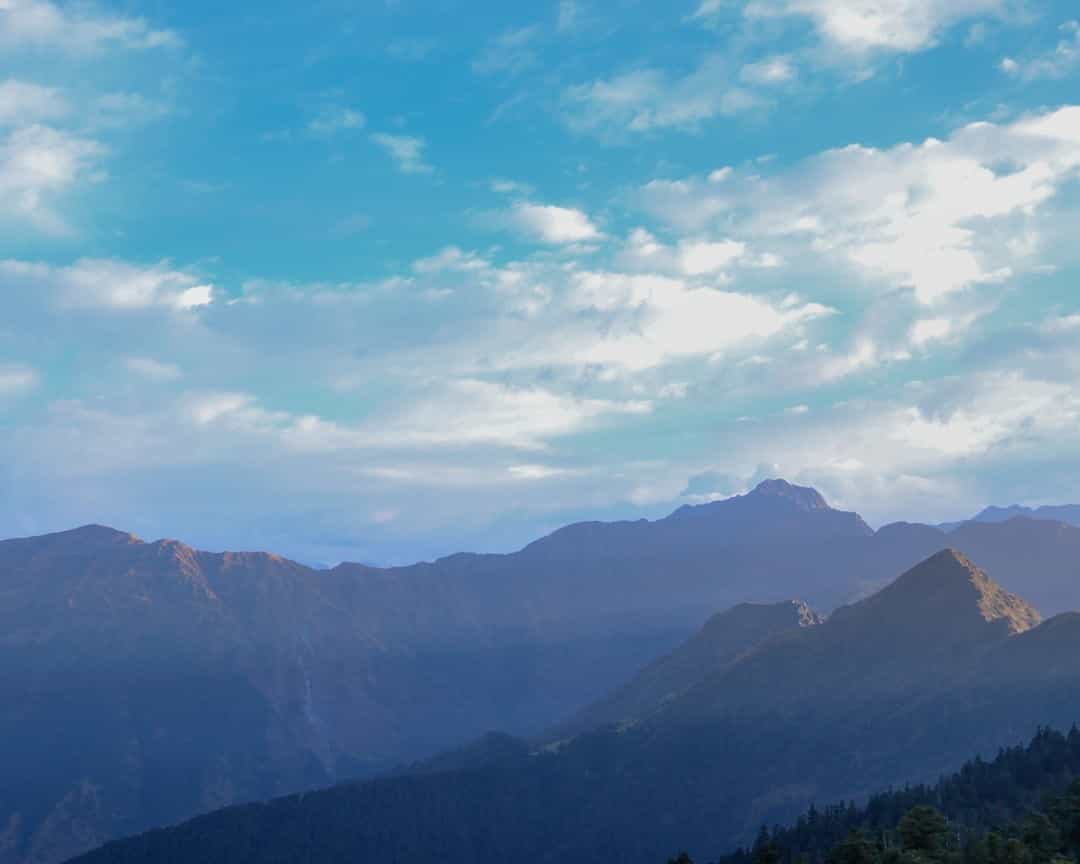
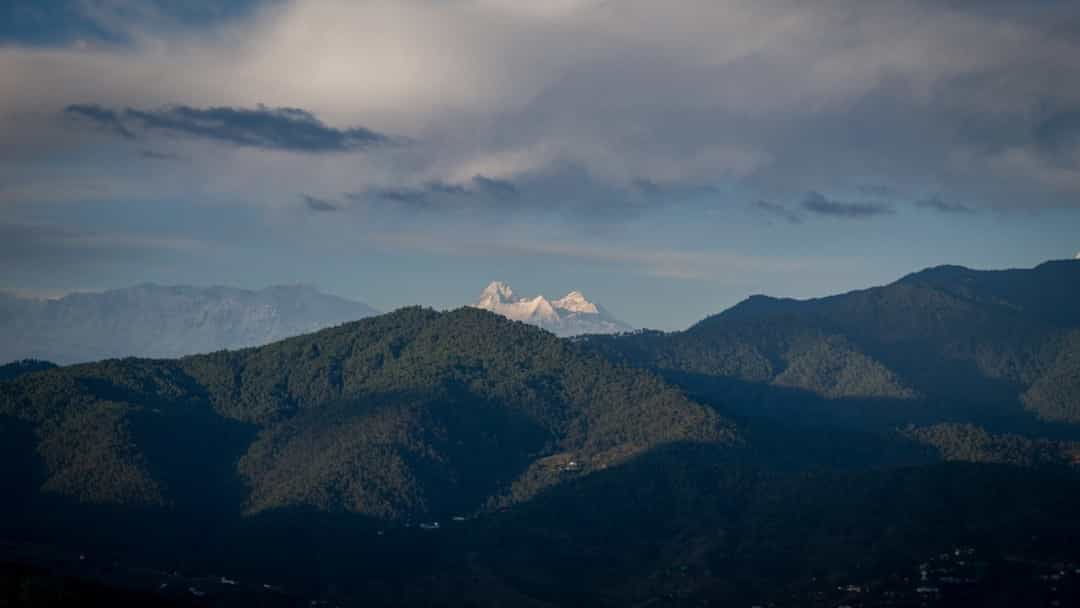
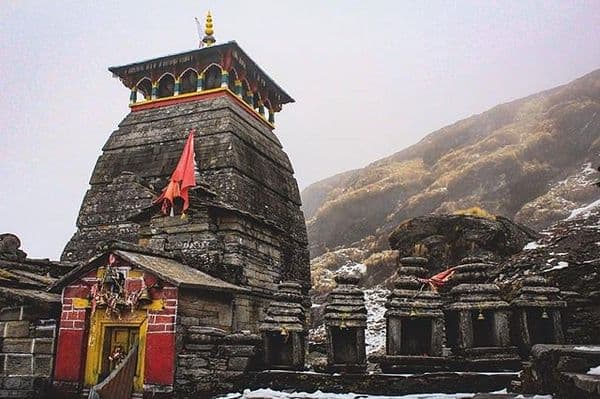
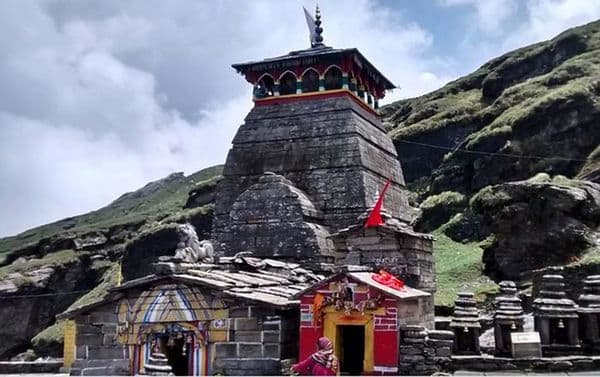
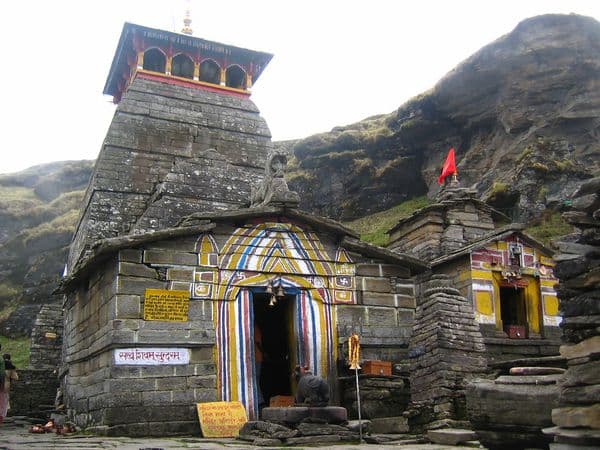
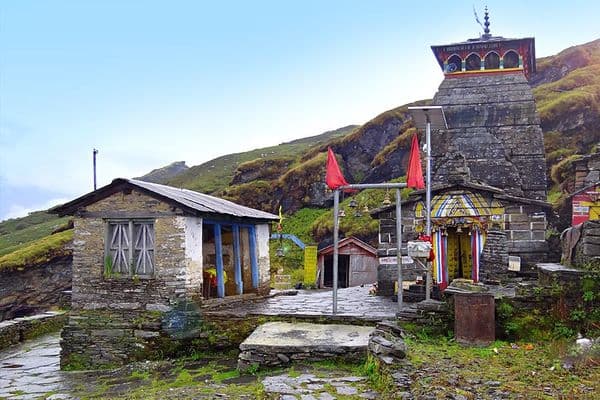
Tungnath Temple is one of the five shrines of the Panch Kedar and is regarded as the highest Shiva temple in the world. It holds great religious importance for Hindu pilgrims and is associated with the Pandavas' legend seeking Lord Shiva after the Kurukshetra war. The site is also significant for its natural alpine environment — surrounded by bugyals (high-mountain meadows) and conifer and rhododendron forests with panoramic views of the Garhwal Himalaya.
Last updated: 23 Oct 2025
Historic Anecdotes
According to legend, the Pandavas sought Shiva to atone for sins of the Mahabharata war. Shiva, unwilling, assumed the form of a bull (Nandi) and disappeared into the ground. Parts of the bull are said to have manifested at different locations: Tungnath is where the bull's arms appeared. This ties Tungnath to the other Panch Kedar temples (Kedarnath, Rudranath, Madhyamaheshwar, Kalpeshwar). Local folklore also links the site to small mountain deities, shepherding traditions, and seasonal transhumance.
Places to visit
- Tungnath Temple (ancient stone shrine dedicated to Lord Shiva)
- Chandrashila Summit (short ridge above Tungnath offering 360° Himalayan views)
- Bugyals (alpine meadows) around Chopta and Tungnath — excellent for wildflowers and photography
- Panch Kedar pilgrimage circuit connections
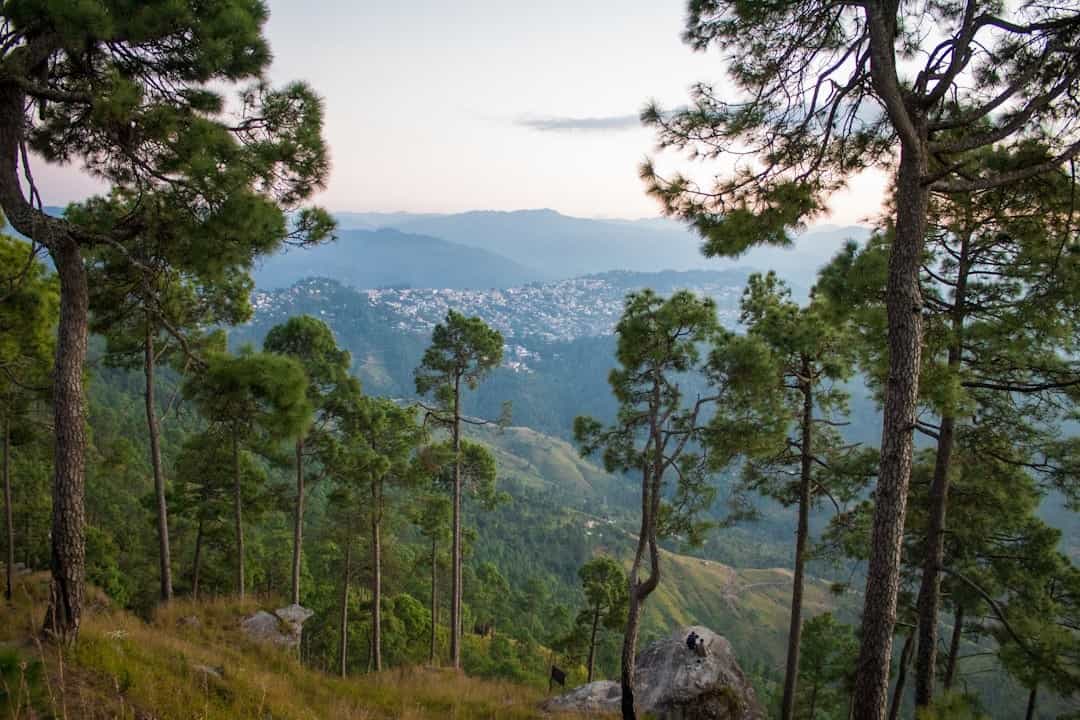
- Rhododendron and conifer forests along the trek
Unique Aspects
- Highest Shiva temple claim (altitude ~3,680 m / 12,070 ft)
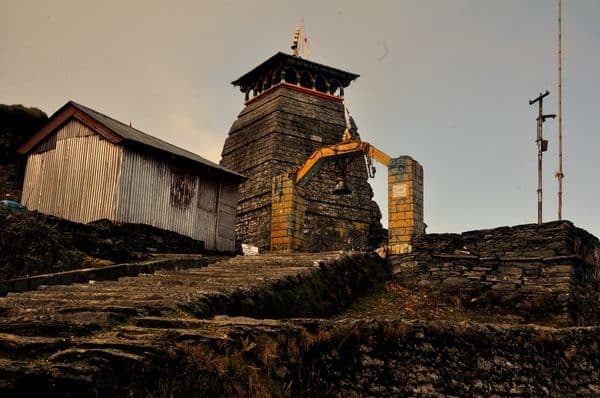
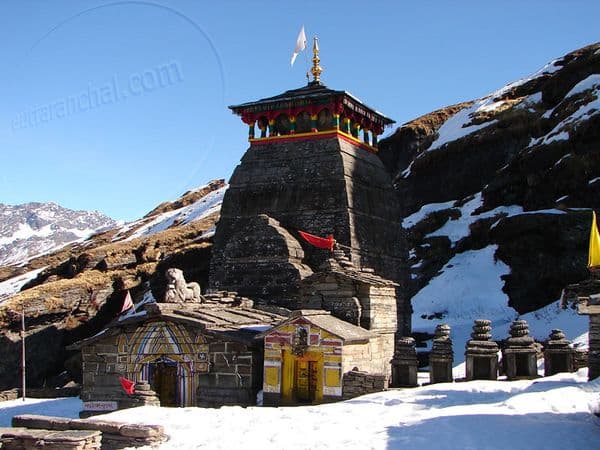
- Traditional stone temple architecture with a simple sanctum — strong spiritual ambience
- Short, scenic trek from Chopta through meadows and forests
- Panoramic views of major peaks such as Nanda Devi, Trishul, Chaukhamba (weather permitting)
- Seasonal snowfields and winter landscapes (site is snowbound in winter)
Things to do
- Pilgrimage and darshan at Tungnath Temple
- Trek from Chopta to Tungnath (~3.5 km) and onward to Chandrashila (~1.5 km extra)
- Photography of Himalayan panoramas and alpine flora
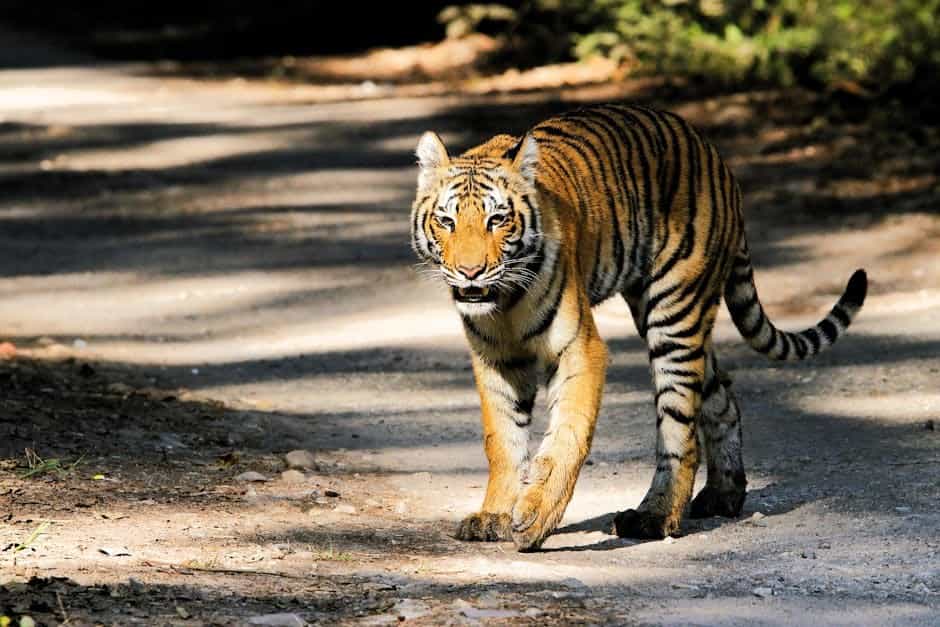
- Birdwatching and small-wildlife spotting in the forests
- Guided or unguided nature walks and short camping at Chopta (where permitted)
Festivals & Events
- Maha Shivaratri — special prayers and increased pilgrimage activity
- Mondays in Shravan (July–August) draw devotees to Shiva shrines
- Local seasonal fairs and pilgrim influx during summer and post-monsoon months
Best Time to Visit
May to November (pleasant weather and clear views). Monsoon (July) brings rain and possible trail slipperiness; winter (Dec–Mar) the route is typically closed or accessible only with snow gear due to heavy snow.
Weather Conditions
Alpine mountain climate: cold mornings/evenings, cool daytime in summer, frequent weather changes. Temperatures can drop below freezing at night even in shoulder seasons; heavy snowfall in winter.
Entry Fees & Permits
There is no general entry fee for the temple; darshan is traditionally free. Temple opening hours are seasonal and vary by shrine authorities — typically open in early morning until afternoon/evening for devotees. Check local sources in Chopta or with temple caretakers for exact timings during your visit.
Accessibility
Base/roadhead: Chopta (reachable by road). From Chopta it's a short trek of ~3.5 km to Tungnath; an additional ~1.5 km to Chandrashila. Nearest major airport: Jolly Grant Airport (Dehradun) — several hours’ drive. Nearest railway/head: Rishikesh / Haridwar (road travel required). Roads to Chopta are motorable in summer; local buses/taxis available from district towns. Mobile connectivity is limited in many stretches.
Recommended Duration
If starting from nearby towns: 1–2 days (overnight at Chopta recommended to catch sunrise views and allow acclimatization). If coming from farther cities (Dehradun/Rishikesh), allocate 2–3 days including travel.
Clothing & Gear Tips
Warm layered clothing, windproof jacket, good trekking shoes, trekking poles (helpful on ascent/descent), sunglasses, sunscreen, gloves and hat. In shoulder seasons, carry microspikes or crampons if ice/snow present.
Local Food & Souvenirs
Simple Garhwali and North Indian cuisine available in Chopta tea stalls/guesthouses (dal, chawal, local sabzi). Local honey, handmade woolens, and small religious souvenirs (prayer beads, incense) are common buys. Carry water and snacks for the trek as facilities are basic en route.