Valley of Flowers National Park, Uttarakhand
Valley of Flowers National Park is a UNESCO World Heritage Site (part of the Nanda Devi and Valley of Flowers National Parks) renowned for its high-altitude alpine meadows and exceptional biodiversity. It is an important conservation area in the western Himalaya, supporting many endemic and rare plant species as well as habitat for Himalayan wildlife. The park also forms part of the broader Nanda Devi Biosphere Reserve, playing a key role in ecological research and mountain conservation.
Last updated: 23 Oct 2025
Places to visit
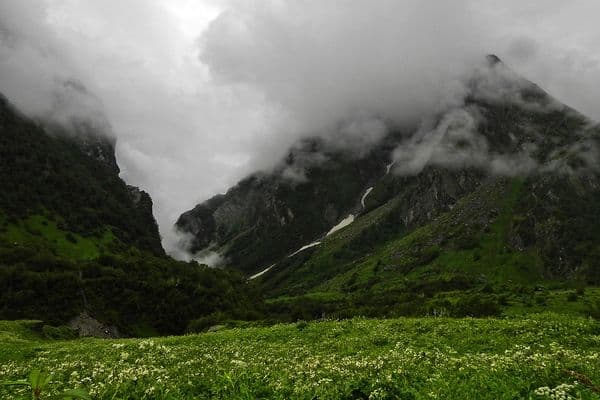
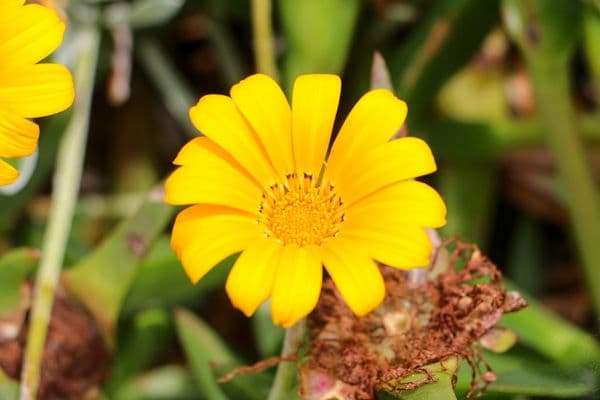
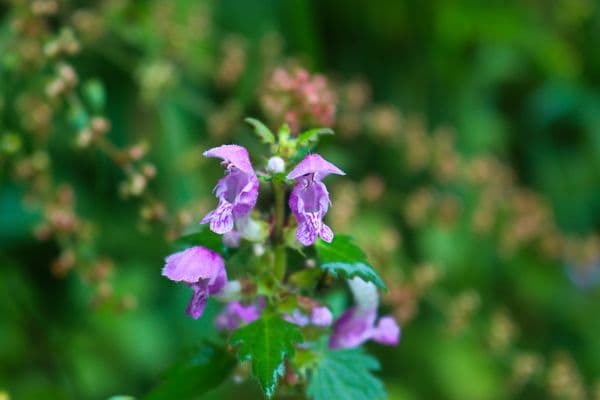
- The carpeted alpine meadows of the Valley of Flowers
- Rare and endemic flowers including Brahma Kamal (Saussurea obvallata) and blue poppy (Meconopsis)
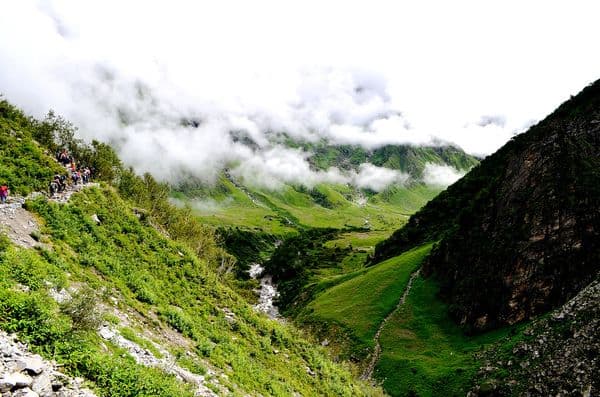
- Pushpawati River and scenic waterfalls
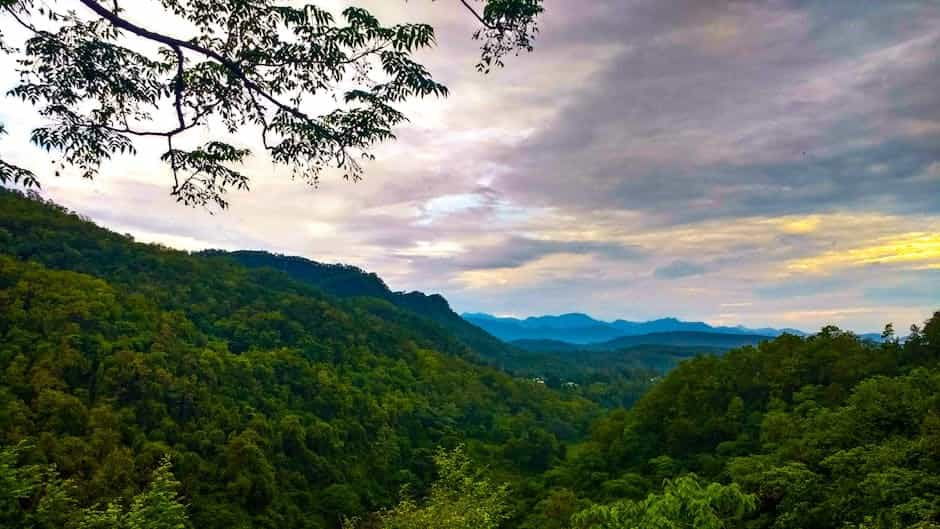
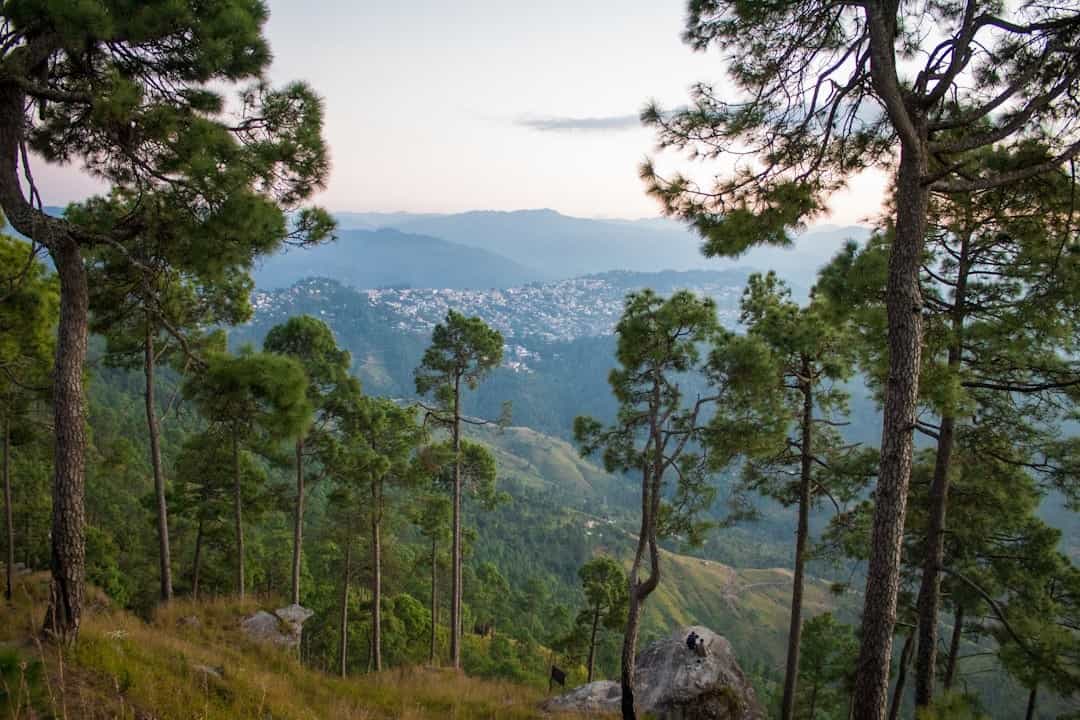
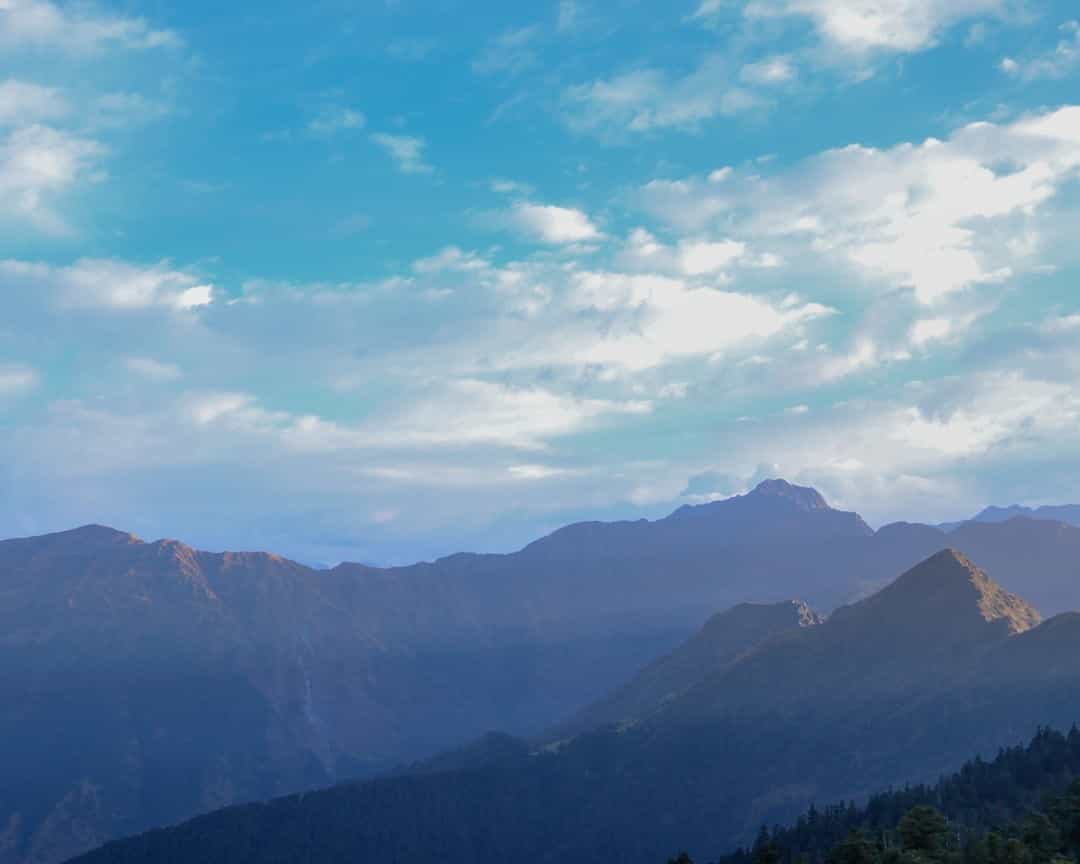
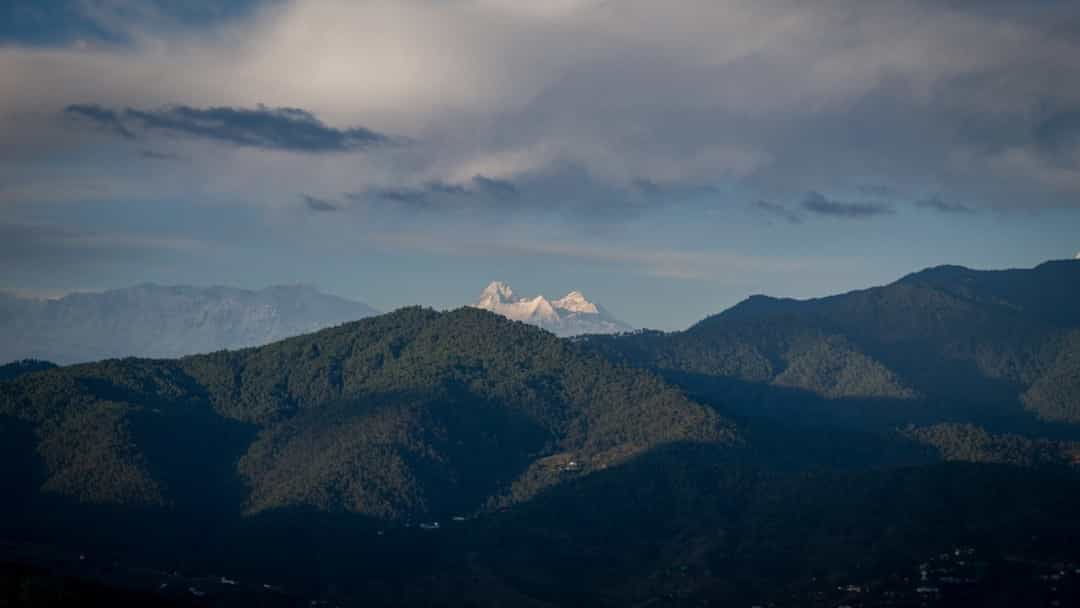
- Surrounding Himalayan peaks and panoramic vistas
- Hemkund Sahib (pilgrimage site) located nearby at higher altitude
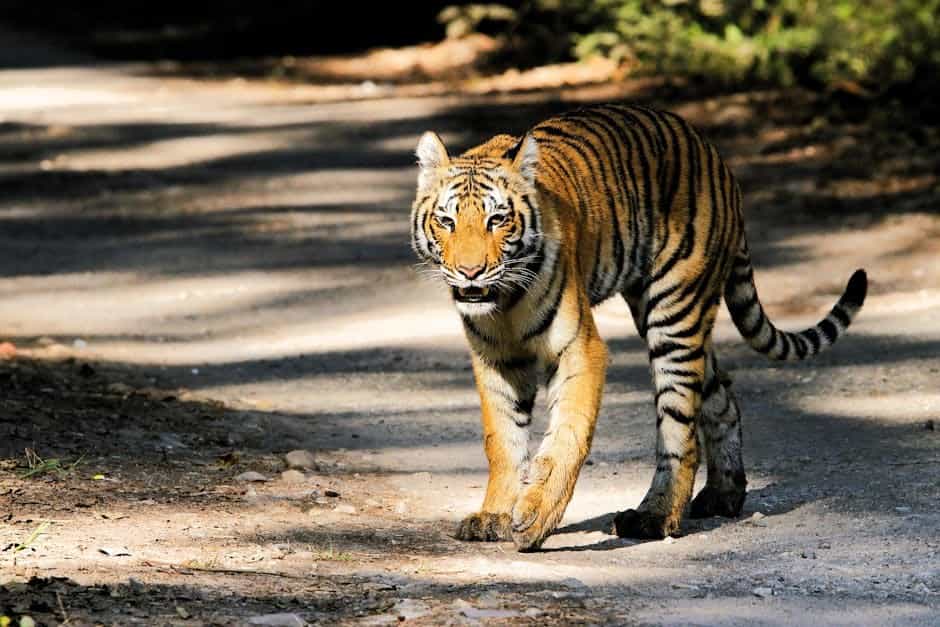
- Rich birdlife and chance sightings of musk deer, Himalayan tahr and butterflies
Unique Aspects
- High-altitude alpine flora with seasonal explosive blooms
- Large variety of endemic and medicinal plants
- UNESCO World Heritage status (conservation and global significance)
- Pristine glacial-fed streams and meadows set within dramatic mountain scenery
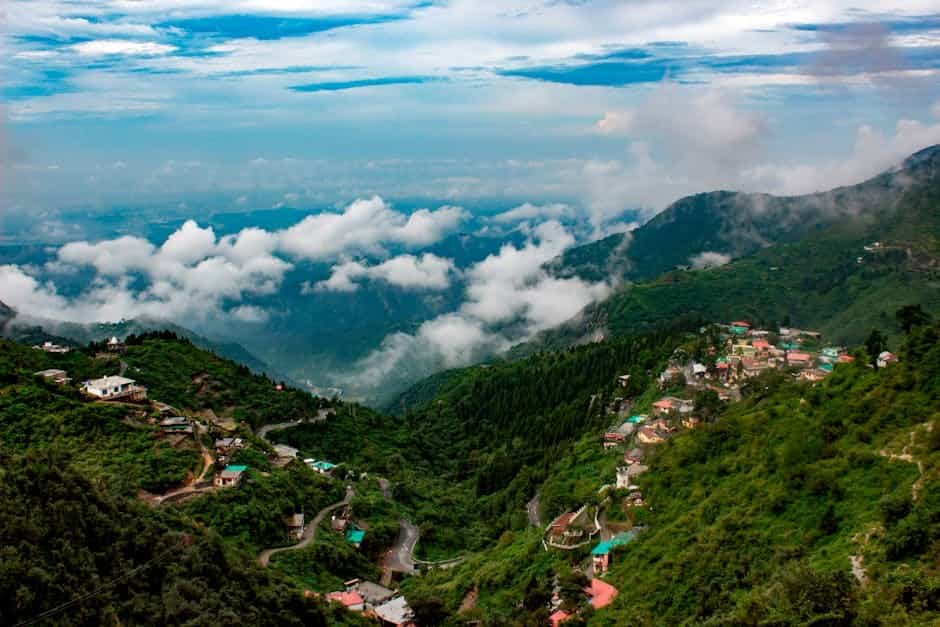
- Safe trekking routes with base at Ghangaria and traditional mountain villages
Things to do
- Trekking from Govindghat to Ghangaria and day-hikes into the Valley of Flowers
- Wildflower photography and nature photography
- Birdwatching and butterfly spotting
- Short trek to Hemkund Sahib (pilgrimage and alpine lake)
- Guided nature walks with local naturalists
- Educational visits focused on alpine ecology and conservation
Best Time to Visit
July to September (monsoon/flowering season) — peak bloom typically in July and early August. The park is usually open from late June/early July to early October depending on snow and weather conditions.
Weather Conditions
Mountain weather is unpredictable: expect heavy monsoon showers, cool to chilly daytime temperatures (5–15°C in bloom season), and cold nights. Outside the season the area can be snowbound and inaccessible.
Entry Fees & Permits
Entry to the Valley of Flowers requires a permit from the Forest Department / park authorities. Fees and permits vary for Indian nationals and foreign visitors; there may be nominal entry fees, guide charges and environmental levies. Park opening typically coincides with the summer season (June/July to October). Always check the latest fees, permit process and timing with the official park office at Govindghat or online before travel.
Accessibility
Typical access route: drive to Govindghat (by road from Joshimath/Rajmandri), then trek ~13 km to Ghangaria (or take limited mules/porters for a portion), followed by a 3–5 km trek to the Valley of Flowers. Nearest major railheads: Rishikesh / Haridwar; nearest airport: Jolly Grant Airport (Dehradun). Road travel from the plains involves long mountain drives; expect travel times of several hours to a full day from Dehradun/Haridwar.
Recommended Duration
Plan 3–4 days for the valley portion (Govindghat → Ghangaria → Valley of Flowers → Hemkund Sahib if desired). Allow extra days for travel to/from base towns and acclimatization.
Clothing & Gear Tips
Bring sturdy waterproof trekking shoes, warm layers (fleece/down), a waterproof jacket, quick-dry clothing, trekking poles, sunscreen, sunglasses, hat, insect repellent, and a basic first-aid kit. Carry a daypack with water and snacks for hikes.
Local Food & Souvenirs
Sample Kumaoni dishes such as rajma chawal and local breads at guesthouses in Joshimath/Govindghat/Ghangaria. Popular souvenirs include local honey, handmade woollen garments, shawls, and small handicrafts from Uttarakhand artisans.