Ho Chi Minh Mausoleum Complex & Ba Dinh area
The Ho Chi Minh Mausoleum Complex in Ba Dinh District, Hanoi, is Vietnam's most important historical and political site. Centered on the Ho Chi Minh Mausoleum — the monumental marble structure that houses the embalmed body of the nation’s founder, President Ho Chi Minh — the complex also includes Ba Dinh Square, the Presidential Palace (grounds), Ho Chi Minh’s Stilt House, the One Pillar Pagoda, the Ho Chi Minh Museum, and surrounding gardens and colonial-era buildings. The area is rich in historical significance (where the Declaration of Independence was read on 2 September 1945) and offers a calm, reflective contrast to Hanoi’s bustling Old Quarter.
Location
Ho Chi Minh Mausoleum Complex & Ba Dinh Square, Hanoi, Vietnam
Duration
1.5–3 hours (short visit for mausoleum + photo stops) or half-day (including museums and relaxed walk around Ba Dinh)
Best Time to Visit
Early morning (when the mausoleum opens) to avoid crowds; dry season/pleasant weather: October to April. Avoid Mondays and Fridays (mausoleum often closed) and major Vietnamese public holidays when the site may be closed or very busy.
Pricing
Mausoleum entry: Free (no tickets but subject to queue and time restrictions). Ho Chi Minh Museum: Small admission fee (approx. VND 40,000 for foreigners — prices change, check locally). Presidential Palace grounds: Free to view from outside; guided access or exhibitions may have fees. One Pillar Pagoda & Stilt House: Free to visit (museum/stilt house access included or low-cost). Note: official prices can change; carry small cash and your passport if required.
Activity Type
Coordinates
Highlights
Ho Chi Minh Mausoleum — see the preserved body and the austere monumental architecture (no photography inside).
Ba Dinh Square — historic site where the Declaration of Independence was proclaimed (2 Sep 1945).
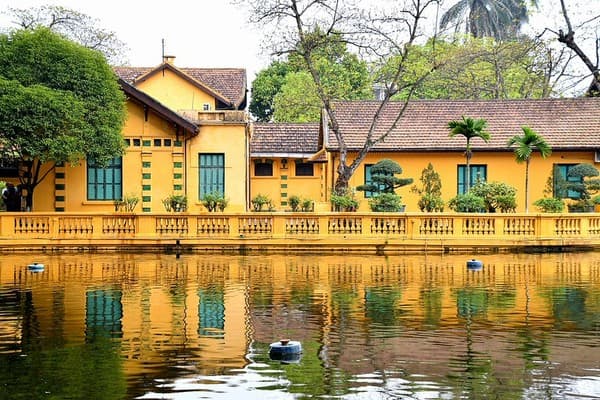
Presidential Palace grounds and colonial architecture — photogenic exteriors and gardens.
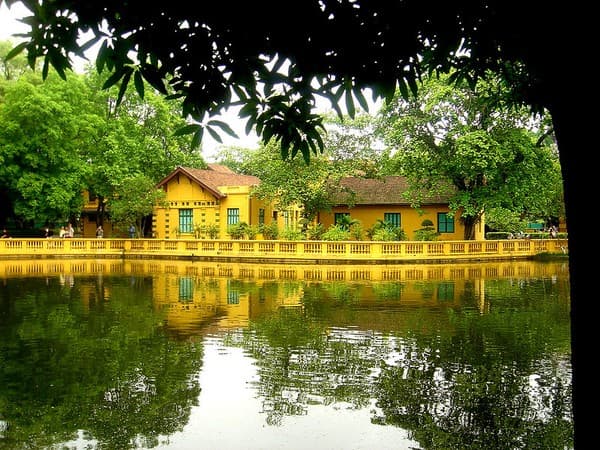
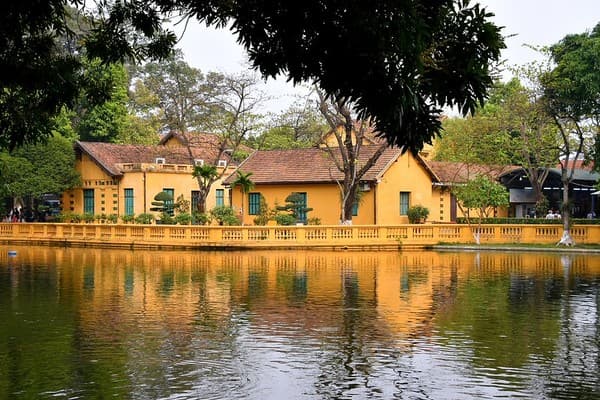
Ho Chi Minh’s Stilt House — simple wooden residence where Ho Chi Minh lived and worked.
One Pillar Pagoda — iconic, unique Buddhist structure dating back to the 11th century (rebuilt later).
Ho Chi Minh Museum and nearby exhibition spaces — deeper context about Vietnam’s modern history.
Peaceful gardens and the National Flag Tower — good for photowalks and contemplation.
Itinerary
Arrive at Ba Dinh Square and queue for the Ho Chi Minh Mausoleum
Mausoleum opening hours vary; arrive early. Dress respectfully (no shorts, sleeveless tops). Security screening and strict rules: remain quiet, no flash photography, follow guards' instructions.
Walk to Ho Chi Minh's Stilt House and the One Pillar Pagoda
Stroll through the surrounding gardens and view the simple stilt house where Ho Chi Minh lived. The One Pillar Pagoda is nearby and makes a good photo stop.
Visit the Ho Chi Minh Museum and the Presidential Palace exterior
Museum offers exhibits on Ho Chi Minh’s life and Vietnam’s revolutionary history. The Presidential Palace compound is best appreciated from outside; guided tours may occasionally be available.
Explore Ba Dinh Square and National Flag Tower
Learn about the 1945 Declaration of Independence; take photos of colonial-era buildings and open spaces.
Continue to nearby attractions or head into Hanoi Old Quarter
Short taxi or walk to the Old Quarter for lunch, markets, and more sightseeing.
Safety Requirements
Respectful dress code required for mausoleum: no shorts, short skirts, sleeveless tops, or revealing clothing. Remove hats inside.
No photography or filming inside the mausoleum; follow instructions from guards.
Security screening at entrances—expect bag checks. Avoid bringing large backpacks.
Keep noise to a minimum and maintain respectful behavior in memorial areas.
Watch for pickpockets in crowded access areas and on approaches; keep valuables secure.
Tips
Arrive early to avoid long queues and heat; the mausoleum sometimes closes due to weather or official events — check current opening days/hours in advance.
Mausoleum is typically closed on Mondays and Fridays — plan accordingly.
Carry small-change cash for museum fees, donations, or nearby vendors; bring ID/passport if asked.
Wear comfortable shoes for walking the grounds and nearby sites.
Combine this visit with a guided walking tour of Ba Dinh to understand historical context, or visit the Old Quarter afterward for food and shopping.
Be mindful of seasonal weather — bring sun protection in hot months and a light rain jacket during the wet season.