Motorbike the Ha Giang Loop
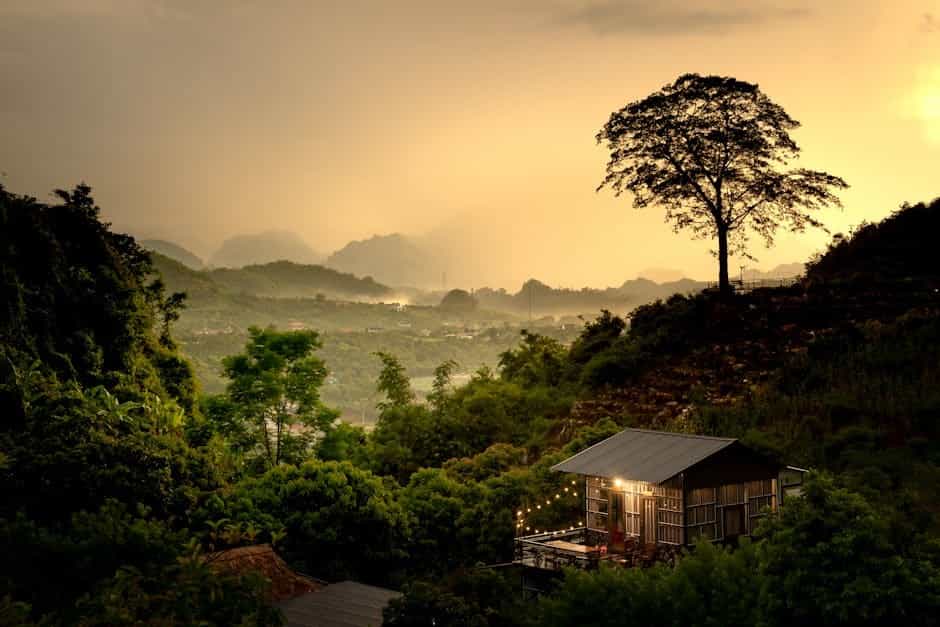
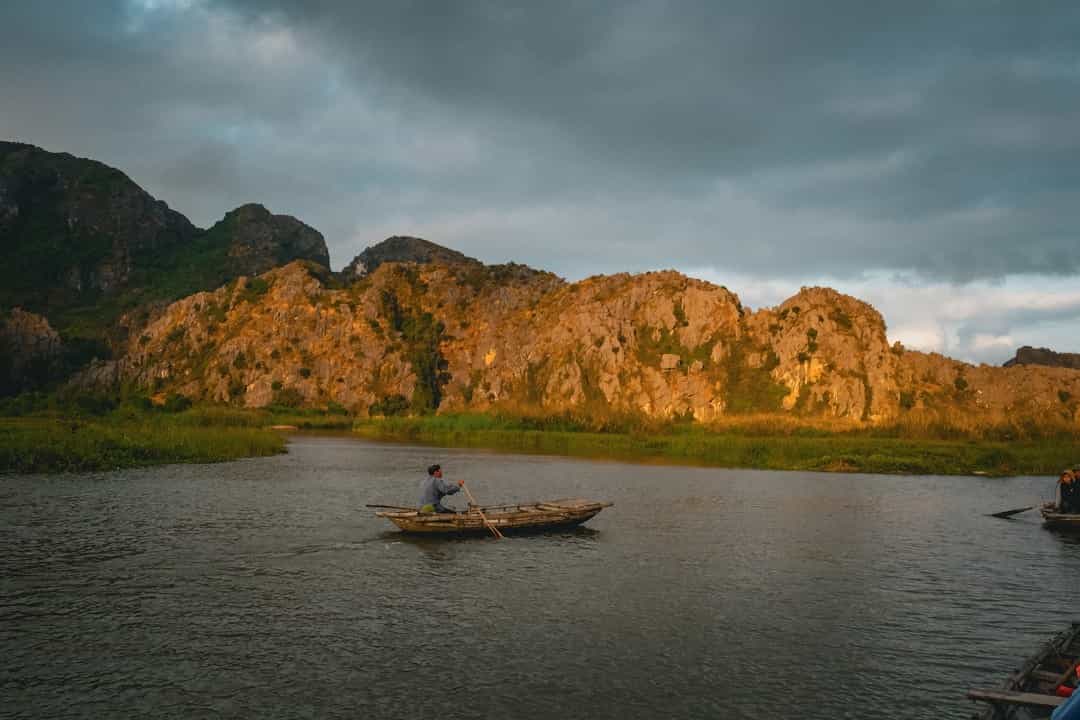
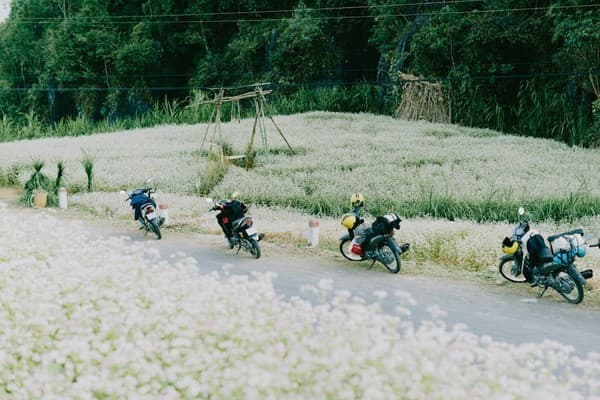
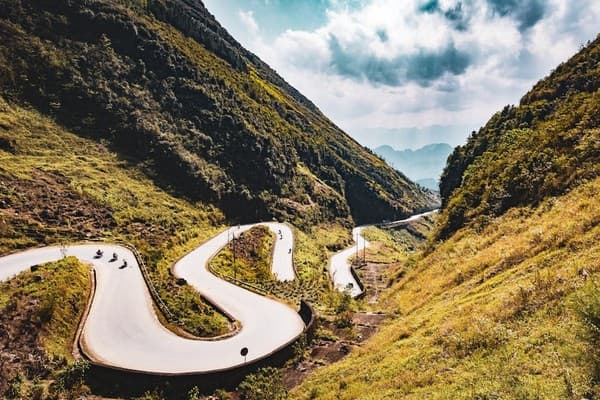
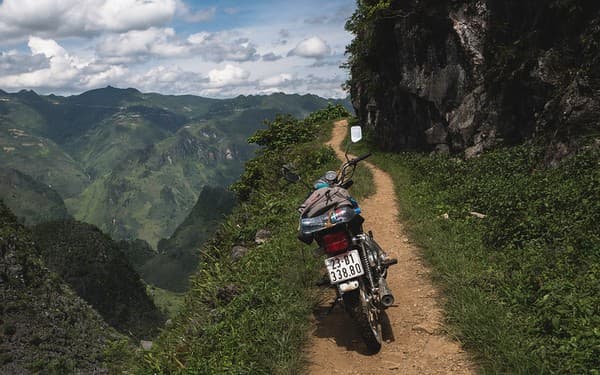
Motorbike the Ha Giang Loop is an iconic high-altitude motorbike route through northern Vietnam's Ha Giang province. The loop delivers dramatic limestone karst landscapes, steep switchbacks, ethnic minority villages, and some of the country's most scenic passes — notably the Ma Pi Leng Pass and views across the Dong Van Karst Plateau. Riders experience remote roads, homestays, local markets and sunrise/sunset viewpoints along a 3–4 day circuit.
Location
Ha Giang Loop (start/finish Ha Giang City), Ha Giang, Vietnam
Duration
Typically 3–4 days for the full loop (can be extended to 5–7 days for a slower pace or detours). Daily riding: 4–8 hours depending on stops and road conditions.
Best Time to Visit
September–November (post-monsoon clear skies, rice terraces turning gold) and March–May (cooler, blooming season). Avoid the worst of the rainy season (June–August) for fewer landslide/road-safety risks; winter (Dec–Feb) can be cold and foggy.
Pricing
Typical pricing (approx.):
- Self-ride: $8–$25 / day for a motorbike rental (scooter to 150cc manual). Fuel extra (~$5–$15 total depending on bike).
- Guided small-group 3-day tour: $80–$220 / person (includes bike rental, guide, fuel, basic accommodation/homestays, some meals).
- Private guided tours/upgraded accommodation: $200+. Prices vary by season, bike type, and inclusions.
Activity Type
Coordinates
Highlights
Ma Pi Leng Pass — one of Vietnam's most dramatic mountain passes with cliffside roads and panoramic views over the Nho Que River.
Dong Van Karst Plateau Geopark — UNESCO-recognized karst landscapes and lunar-like scenery.
Lung Cu Flagpole — northernmost point of Vietnam with sweeping valley views.
Ethnic minority villages (Hmong, Dao, Tay, Lo Lo) and traditional homestays.
Meo Vac and local markets — authentic cultural exchange and regional produce.
Quan Ba 'Heaven Gate' and the Twin Mountains for sunrise/sunset photography.
Itinerary
Depart Ha Giang City, ride to Quan Ba and the Heaven Gate viewpoint.
Warm up on paved but winding roads; stop at viewpoints for photos. Fuel and check bike before leaving the city.
Continue to Yen Minh; optional short hikes or village visits along the way.
Stay in a guesthouse or homestay in Yen Minh or nearby. Rest early to prepare for longer Day 2.
Ride from Yen Minh toward Dong Van, passing through Dong Van Karst Plateau.
Slow down on narrow sections. Watch for livestock, trucks, and changing road surfaces.
Traverse Ma Pi Leng Pass and descend into the Nho Que River valley (Meo Vac).
Stop at Ma Pi Leng lookout for expansive views; consider a short boat trip on the river where available.
Arrive in Dong Van; explore the Old Quarter and evening market.
Overnight in Dong Van (homestay or small hotel). Sample regional dishes like thang co if you’re adventurous.
Visit Lung Cu Flagpole then return toward Ha Giang via scenic backroads or Meo Vac.
Catch sunrise at Lung Cu if possible; the route back can be rearranged depending on time and weather.
Ride back to Ha Giang City, making stops at viewpoints, markets or craft villages en route.
Expect a long afternoon of riding; arrive in Ha Giang by late afternoon/early evening. End of loop.
Safety Requirements
Wear a certified helmet (front and rear protection) and protective clothing — long sleeves, gloves, sturdy shoes.
Motorbike experience: prior experience riding manual (5-speed) bikes on steep and winding roads is highly recommended.
Carry valid ID/passport and driver's license. Check local requirements for foreign riders — some operators require a Vietnamese license or guide.
Pre-ride bike check: brakes, tires, lights, oil, and fuel. Carry basic tools and a spare tube/tyre repair kit.
Avoid night riding; roads are narrow, poorly lit and used by local traffic and trucks.
Travel insurance that covers motorbike accidents is strongly recommended.
Be prepared for sudden weather changes: fog, rain, and cold at higher altitudes.
Tips
Fuel: Top up in Ha Giang and at larger towns — fuel stations are sparse on some stretches.
Hire a local guide if you’re unfamiliar with mountain riding or Vietnamese road rules — they handle permits and tricky navigation.
Pace yourself: allow time for stops, photography and acclimatisation to altitude and winding roads.
Carry cash: small towns may not accept cards; bring small denomination dong for markets and homestays.
Layer clothing: mornings can be chilly; afternoons warm quickly. Bring a waterproof shell.
Spare parts & tools: bring a basic toolkit, spare clutch/brake cable if possible, and a phone charger/power bank.
Respect local customs: ask before photographing people, remove shoes when entering homes, and be polite to hosts.
Book homestays in advance during peak season (Sept–Nov) or national holidays.
Emergency contacts: save local emergency numbers, your accommodation contact, and the nearest clinic.
Photography: wide-angle lens and polarizer help with sweeping landscapes; secure cameras on bumpy roads.