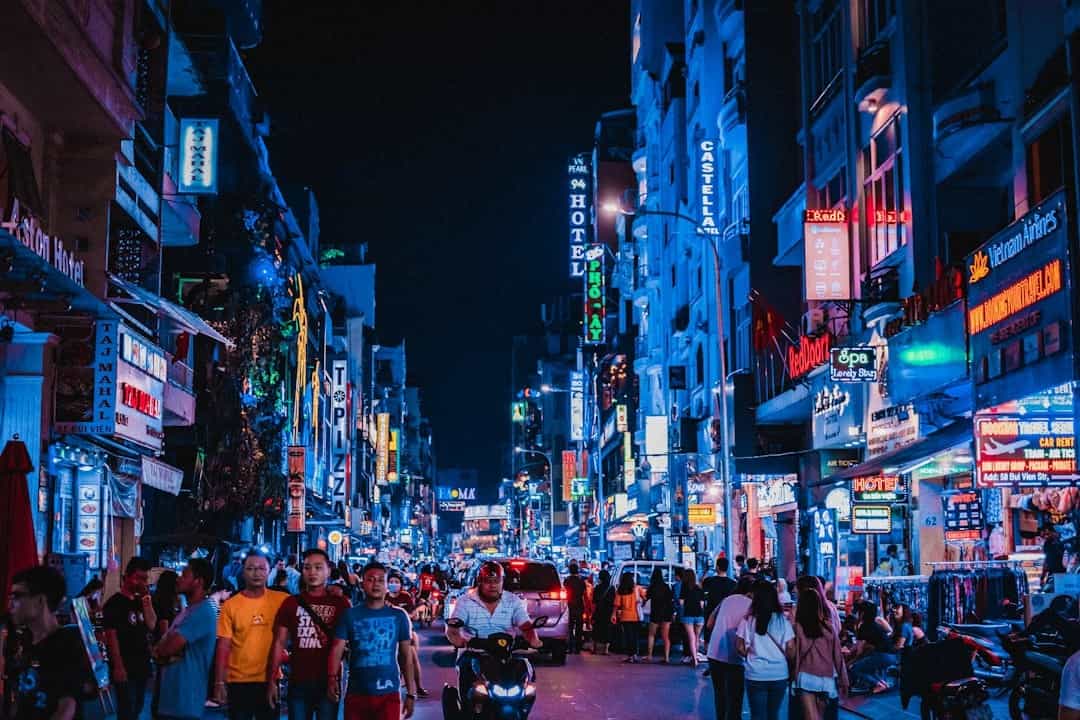
Seafood feast at Phu Quoc Night Market
An immersive street-food experience at Phu Quoc's busiest night market (Dinh Cau/Phu Quoc Night Market) where you pick fresh seafood from vendors or live tanks and have it cooked to order — grilled, steamed, stir-fried or served with local sauces. The market ambiance mixes lantern-lit stalls, seaside breeze, live grills and a lively local crowd.
Location
Phu Quoc Night Market (Dinh Cau/ Duong Dong Night Market), Duong Dong (Phu Quoc Island), Vietnam
Duration
1.5–3 hours (typical visit); up to 2–4 hours if dining with a larger group and sampling many dishes.
Best Time to Visit
Evenings (18:00–22:30). Dry season / high season (November–April) offers more pleasant weather and calmer seas, but the market runs year-round.
Pricing
Average VND 200,000–600,000 per person (~USD 8–25), depending on selection (premium items like lobster, large scallops, crab or whole fish cost more). Some groups pay VND 500,000–1,200,000 (~USD 20–50+) for a large shared feast.
Activity Type
Coordinates
Highlights
Choose live seafood (lobster, crab, prawns, clams, squid, fish) from tanks and have it cooked to order.
Variety of cooking styles: charcoal-grill, steaming, salt-baked, stir-fry with local spices.
Local condiments and dipping sauces (chili-lime, fermented fish sauce 'mam', garlic butter).
Lively seaside atmosphere near Dinh Cau Temple with street performers and colorful stalls.
Affordable prices and the chance to sample rare local specialties (sea urchin, oysters when in season).
Itinerary
Arrive and stroll the market
Take in the sights; identify stalls with live tanks and good hygiene; note prices before committing.
Select seafood
Ask to see the live tanks, request weight and price per 100g, and confirm cooking method and oil/butter used if you have dietary concerns.
Negotiate & order
Polite bargaining is normal for bulk purchases; smaller portions often have fixed prices. Confirm total price before cooking.
Cooking time
Choose accompaniments (rice, noodles, local salad) and sauces; charcoal-grilled items usually take longer but have better flavor.
Feast and stroll
Enjoy multiple dishes, sample street snacks and desserts; finish with a walk along the nearby promenade.
Safety Requirements
Check for visible cleanliness of the stall and cooking area.
Avoid undercooked shellfish if you have food safety concerns or a compromised immune system.
Declare allergies (especially shellfish) clearly to the vendor and confirm cross-contamination risks.
Bring cash (small denominations) — some stalls accept cards but many are cash-only.
Watch your belongings in crowded areas and be cautious of traffic when crossing streets near the market.
Tips
Go early (around 18:00–19:00) to avoid peak crowds and to get the freshest selection.
Ask to see the live tanks — a good sign of freshness — and request the vendor to show weight on a scale.
Bargain politely on larger buys; for single portions, accept posted prices if they seem reasonable.
Try local specialties: grilled scallops with spring onion and oil, chili-lime squid, baked clams with cheese, and sea urchin when available.
Bring wet wipes and hand sanitizer (seafood meals can be messy).
If you want a quieter meal, ask the vendor to pack food for takeaway and eat at a nearby bench or the promenade.
If you have dietary restrictions, specify cooking oil, spice level and avoid sauces containing fish paste if intolerant.