Bai Dinh Pagoda, Vietnam
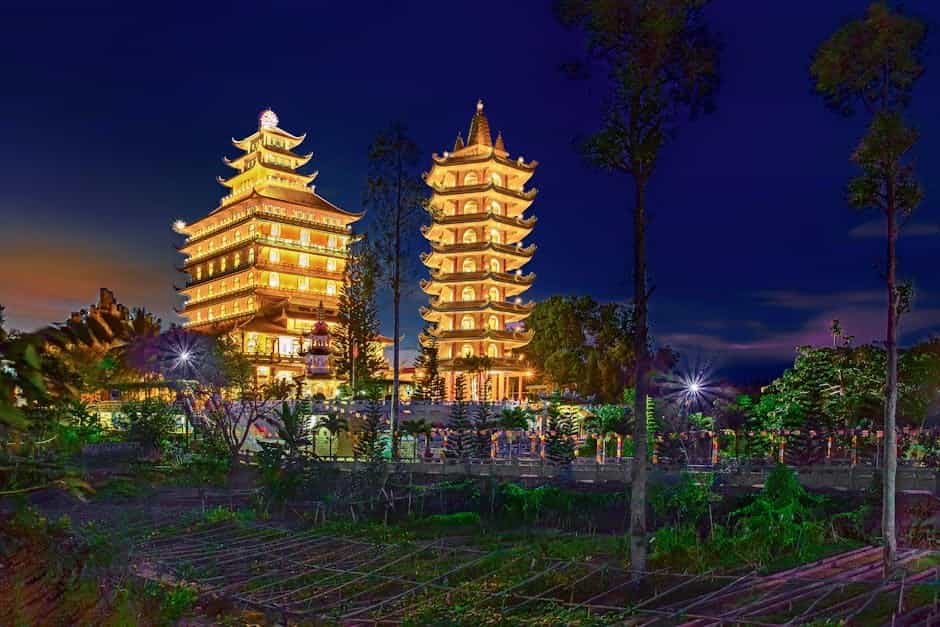
Bai Dinh Pagoda is the largest pagoda complex in Vietnam and a major Buddhist pilgrimage site in the north. It combines an ancient temple area (linked to the Đinh and Early Lê dynasties) with a modern, monumental complex developed in the 21st century. The site is significant for its religious importance, architectural scale, and proximity to the scenic karst landscape of Ninh Bình (near Trang An and Tam Cốc).
Last updated: 23 Oct 2025
Historic Anecdotes
Local tradition links the site to early Vietnamese dynasties and long-standing Buddhist worship in the region. There are popular legends about miraculous protection of the area and tales of emperors and monks visiting the ancient temple. Many visitors describe the complex’s atmosphere as deeply spiritual, with stories about answered prayers and pilgrim vows.
Places to visit
- Ancient Bai Dinh Pagoda (historic temple area)
- New Bai Dinh complex (Grand Halls and courtyards)
- Great Bronze Buddha statue (noted for its size)
- Huge bell and bell tower
- 500 Arhat statues corridor and gardens
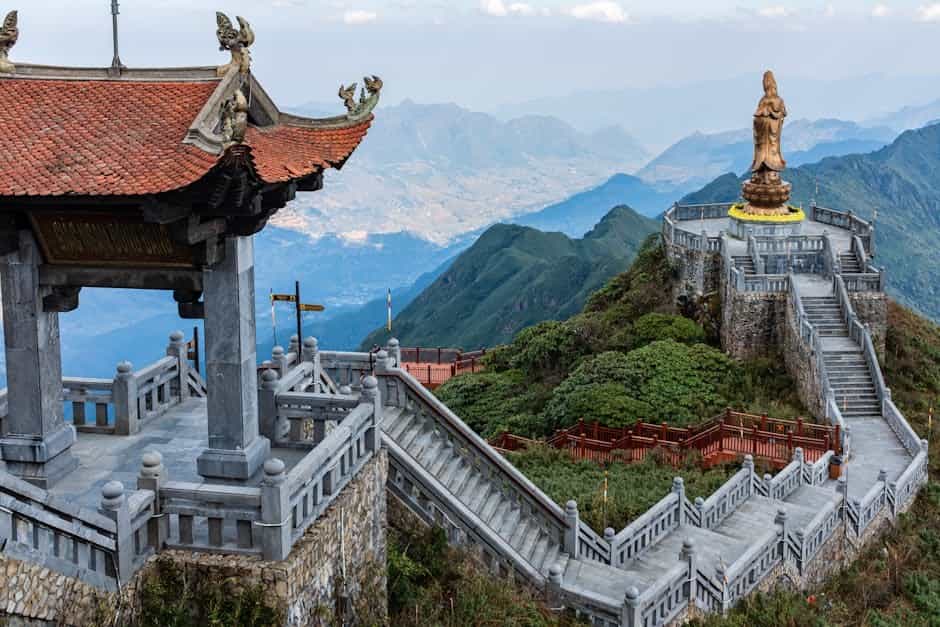
- Long stone stairway and panoramic viewpoints
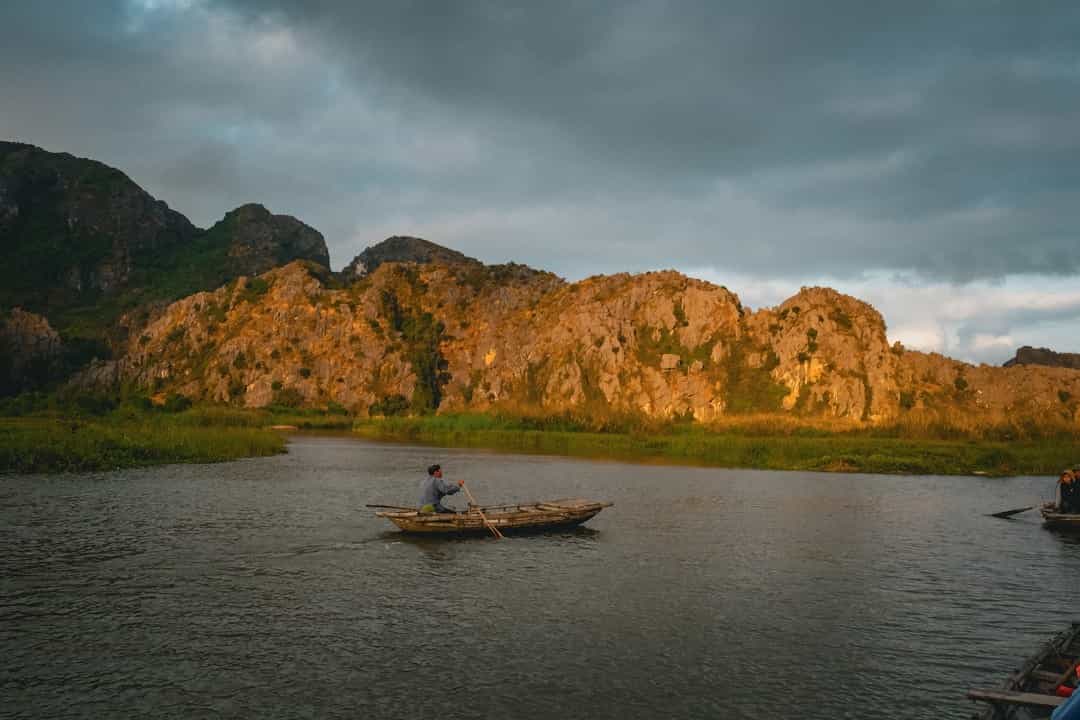
- Nearby attractions: Trang An, Tam Coc and Hoa Lư ancient capital
Unique Aspects
- One of the largest pagoda complexes in Southeast Asia with expansive courtyards and monumental architecture
- Extensive array of statues (Arhats, Bodhisattvas) and ornate stone-carved details
- Panoramic views over the surrounding limestone karst landscape
- Combination of an ancient temple compound and a modern monumental Buddhist complex
Things to do
- Explore both the ancient and new pagoda areas and main halls
- Ring the great bell and observe Buddhist ceremonies
- Walk the corridors of 500 Arhats and view the Grand Buddha
- Take an electric shuttle (tram) up to the main complex or climb the stone steps for photos
- Combine with a boat trip at Trang An or Tam Coc and a visit to Hoa Lư
- Photography of architecture and landscapes
- Participate respectfully in prayers or offer incense during festival times
Festivals & Events
- Bai Dinh Pagoda Festival (annual, centered on the Lunar New Year period) — major pilgrimage attracting tens of thousands of visitors for prayer, rituals, and traditional performances
- Important Buddhist observances such as Vesak and other ceremonial days when the complex becomes especially busy
Best Time to Visit
October to April (cooler, drier months). Avoid the peak heat and rainy season of May–September if possible. Early morning or weekdays help avoid the largest crowds.
Weather Conditions
Tropical monsoon climate: hot, humid summers with heavy rainfall (May–September) and cooler, drier winters (November–March). Expect mild-to-cool mornings in winter and hot afternoons in summer.
Entry Fees & Permits
Entry to the pagoda grounds is generally free or charged only a nominal fee in some areas; however, there are separate charges for parking, electric shuttle trains, parking, and certain services. Typical opening hours are roughly 07:00–17:00 (may extend to 18:00); hours can vary by season and for special events. Check local sources for the current details before visiting.
Accessibility
Bai Dinh is in Gia Sinh commune, Gia Viễn District, Ninh Binh Province — about 15–20 km northwest of Ninh Binh city. Nearest major transport hubs: Noi Bai International Airport (Hanoi) ~100–120 km and Ninh Binh railway station. Access by car, taxi, motorbike, or organized tour is straightforward. There are paved roads; the main complex is reachable by electric shuttle (useful for those with limited mobility), though older stone stairways may be steep.
Recommended Duration
Plan for 3–4 hours to explore both the ancient and new complexes; half a day if combining with nearby attractions (Trang An/Tam Coc) or a full day if adding more sightseeing.
Clothing & Gear Tips
Dress modestly (cover shoulders and knees) as it is an active religious site; comfortable walking shoes for stone steps and long courtyards; sun protection (hat, sunscreen) and a light rain jacket in wet months.
Local Food & Souvenirs
Sample Ninh Binh specialties such as cơm cháy (crispy rice) and local goat dishes; buy souvenirs like wood carvings, Buddhist-themed amulets, lacquerware and local handicrafts. Small stalls sell refreshments near the complex.