Ban Gioc Waterfall, Vietnam
Ban Gioc Waterfall (Vietnamese: Thác Bản Giốc) is one of Vietnam's largest and most spectacular waterfalls and forms part of the Quây Sơn/Chữ River on the Vietnam–China border. It is set in a dramatic limestone karst landscape in Cao Bằng province and is important for its scenic natural value, biodiversity in riparian and karst habitats, and as a cultural landmark for local ethnic groups (primarily the Tày people). The falls are a major draw for ecotourism and contribute to local livelihoods through tourism and cross-border visits.
Last updated: 23 Oct 2025
Places to visit
- Main multi-tiered cascade at Ban Gioc, with several distinct drops and broad, curtain-like flows
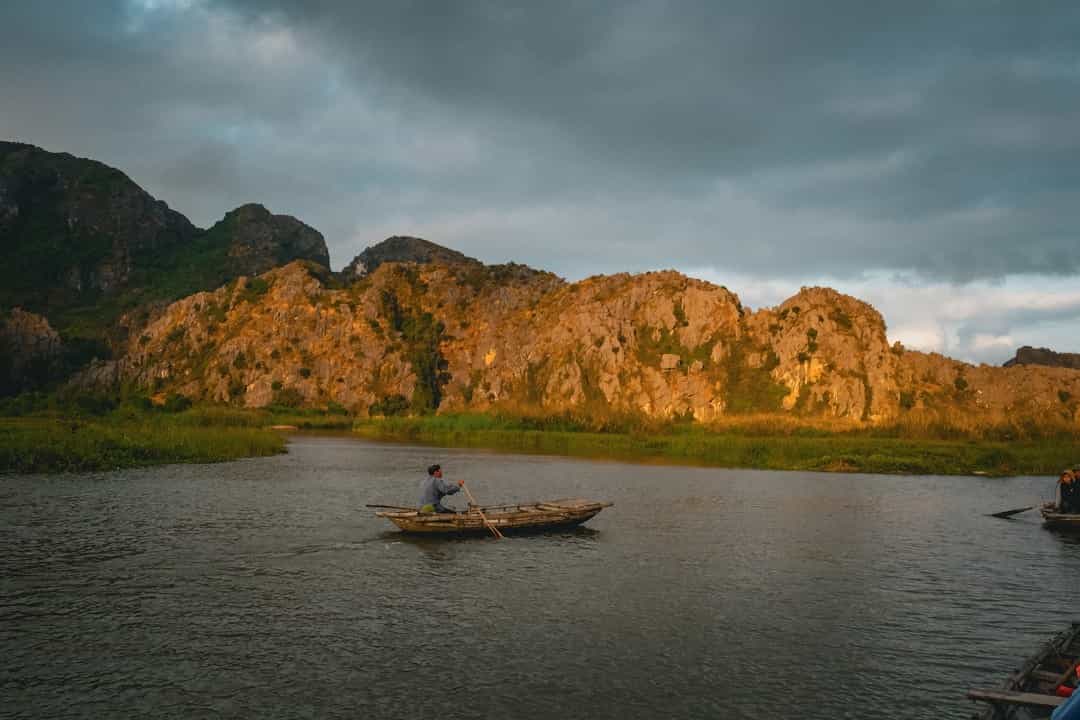
- Boat rides (small bamboo/wooden boats) that take visitors near the base of the falls
- The Chinese-side counterpart, Detian/De'tian Falls, visible across the border (shared karst scenery)
- Nguom Ngao Cave — a large nearby limestone cave with stalactites and local cultural displays
- Scenic viewpoints and picnic areas along river terraces
Unique Aspects
- Limestone karst backdrop with lush green terraces and valleys
- Wide, multi-tier waterfall structure that changes dramatically with seasons
- Border river location—scenic views of both Vietnamese and Chinese sides
- Clear emerald pools at the base (season-dependent) and natural swimming spots in calmer sections
- Traditional Tày ethnic villages nearby offering cultural experiences
Things to do
- Boat ride to the base of the falls for close-up photos and views
- Hiking and short walks on marked paths and viewpoints around the falls
- Exploring Nguom Ngao Cave and smaller grottoes in the area
- Photography—especially at sunrise, late afternoon, or after rains when flow is strong
- Staying in local homestays to experience Tày culture, cuisine, and handicrafts
- Cycling or motorbike rides on scenic rural roads through karst scenery
Best Time to Visit
Best time: September–November and March–May for pleasant weather and good visibility. The waterfall volume is highest during and just after the rainy season (June–September), when the falls are most powerful and dramatic, but heavy rain can make travel difficult.
Weather Conditions
Subtropical monsoon climate: warm, wet summers (June–August) with heavy rains; cooler, drier conditions from November to March. Temperatures are milder than lowland Vietnam; nights can be cool in winter.
Accessibility
Nearest major airport: Noi Bai International Airport (Hanoi). Road travel from Hanoi to Cao Bằng province is around 5–7+ hours by car/bus (roughly 300 km, depending on route). From Cao Bằng city or Trùng Khánh District there are regular buses or private transfers to Ban Gioc (about 2–3 hours by road depending on conditions). Roads beyond major towns can be narrow and winding; a motorbike or private vehicle provides the most flexibility. Ban Gioc is near the Vietnam–China border—border formalities pertain if crossing to the Chinese side (Detian).
Recommended Duration
Allow at least a full day to visit the falls from Cao Bằng; 1–2 nights if you plan to include homestays, Nguom Ngao Cave, local villages, or relaxed photography sessions.
Clothing & Gear Tips
Waterproof jacket or poncho, quick-dry clothing, sturdy non-slip shoes or sandals for wet paths, sun hat and sunscreen, insect repellent, and a light warm layer for cooler evenings. A dry bag or water-resistant case for camera/phone is recommended.
Local Food & Souvenirs
Try local Tày dishes and specialties (smoked/grilled mountain meats, local rice dishes, corn wine). Souvenirs include hand-woven brocade and textiles, carved wood crafts, local honey or preserved mountain foods. Buying directly from village stalls supports local families.