Dong Van Karst Plateau Geopark, Vietnam
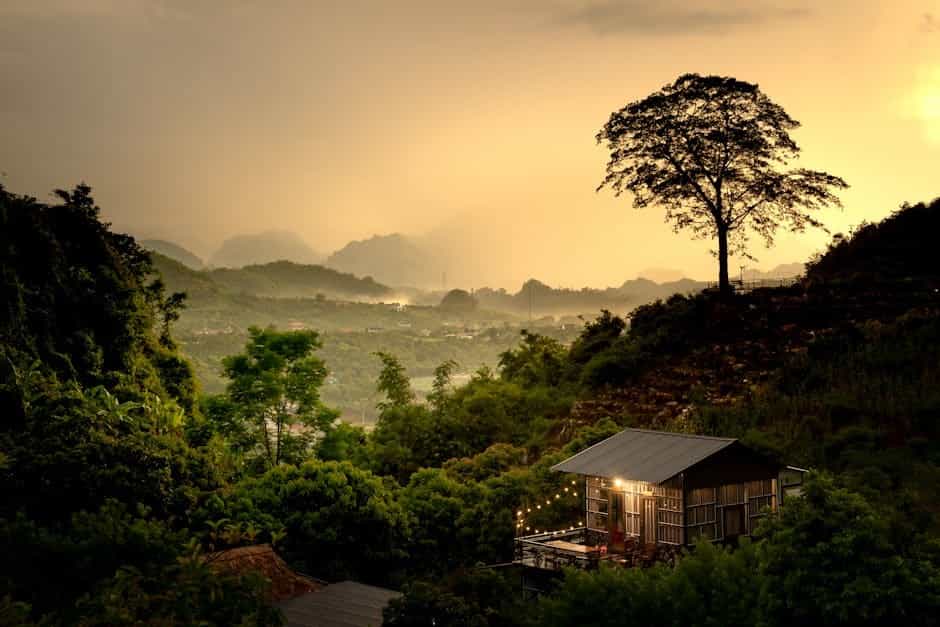
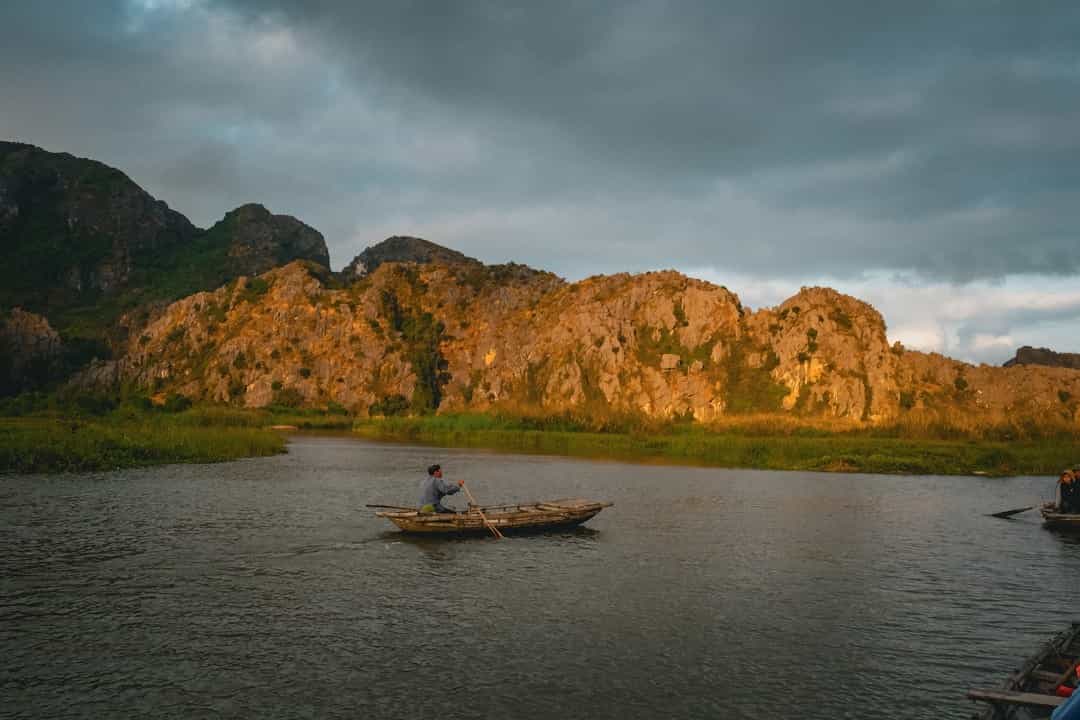
UNESCO Global Geopark (2010) located in Hà Giang Province, northern Vietnam, the Dong Van Karst Plateau Geopark protects one of the most outstanding examples of tropical karst landscape in Southeast Asia. It preserves a long and accessible record of Earth's geological history (Paleozoic–Mesozoic sedimentary sequences), exceptional limestone formations, deep river canyons and high plateaus. The area is also rich in cultural diversity: home to many ethnic groups (Hmong, Dao, Tay, Nung, and others) with traditional lifestyles, architecture and markets that reflect centuries of human adaptation to the highlands.
Last updated: 23 Oct 2025
Places to visit
- Ma Pi Lèng Pass (spectacular high mountain pass and viewpoints over the Nho Que River canyon)
- Lung Cu Flagpole (northernmost point, panoramic views and symbolic site)
- Dong Van Old Quarter & Sunday Market (historic trading hub and vibrant ethnic market)
- Hmong King's (Vuong) Palace at Sa Phin (early 20th-century mansion with historical exhibits)
- Nho Que River Canyon (dramatic river gorge with emerald water and steep cliffs)
- Pho Bang & Meo Vac villages (traditional villages with ethnic architecture)
- Quan Ba Twin Mountains & Heaven Gate (scenic karst cones near the route to Ha Giang)
Unique Aspects
- Extensive karst plateau with multi-million-year sedimentary rock layers visible in cliffs and outcrops
- Deep river canyons carved through limestone (notably the Nho Que canyon)
- High-altitude plateaus (1,000–1,600 m) with seasonal alpine-like scenery and terraced fields
- Rich ethnic culture with traditional textiles, handicrafts and seasonal markets
- Paleontological and stratigraphic sites showing Paleozoic to Mesozoic geological records
Things to do
- Motorbike or car loop (Ha Giang–Quan Ba–Yen Minh–Dong Van–Meo Vac) — iconic scenic ride
- Trekking and short hikes to viewpoints and through rural villages
- Homestays with ethnic families to experience local food, music and customs
- Visit weekly and Sunday markets (Dong Van Sunday Market, Meo Vac market) for food and handicrafts
- Photography of dramatic landscapes, sunrise/sunset over passes and markets
- Cultural visits to Hmong King's Palace and village exploration
- Boat or riverside walks along stretches of the Nho Que River (weather permitting)
Best Time to Visit
September–November (autumn) for clear skies, milder temperatures and rice terraces after harvest; March–May (spring) for blooming flowers and comfortable riding conditions. Avoid the intense rainy season (June–August) when roads can be slippery and prone to landslides; winters (Dec–Feb) are cold and sometimes icy at higher elevations.
Weather Conditions
Mountain climate with large diurnal temperature ranges. Daytime may be mild (10–25°C) but nights often drop near or below freezing in winter. Heavy rainstorms are possible in summer; fog can reduce visibility.
Entry Fees & Permits
Some attractions charge modest entry fees (e.g., Hmong King's Palace, Lung Cu Flagpole, certain viewpoints). Typical opening hours are roughly 07:30–17:00, but local sites may vary—check locally. Entrance fees are generally small (a few USD equivalent) and change over time.
Accessibility
Nearest major gateway: Hanoi (Noi Bai Airport), about 300–350 km by road. Travel options: public buses from Hanoi to Ha Giang city, then local buses or hire motorbike/car for the Ha Giang Loop. Roads are winding and narrow in places; 4WD or experienced motorbike riders recommended. Limited public transport within remote areas; many villages have poor or seasonal road access. Limited ATM and mobile signal in parts of the geopark—carry cash and offline maps.
Recommended Duration
Minimum 2–3 days to see highlights (fast-paced); ideal 3–5 days to do the Ha Giang Loop, visit Dong Van, Meo Vac, Lung Cu and allow time for hikes and markets.
Clothing & Gear Tips
Layered clothing for temperature swings, warm jacket for evenings, waterproof outer layer for rain, sturdy walking shoes or boots, sun protection (hat, sunscreen), and gloves for motorbike riding. Bring a reliable helmet if riding a motorbike.
Local Food & Souvenirs
Try local specialties such as Thắng Cố (traditional highland stew at markets), cơm lam (bamboo-cooked sticky rice), grilled meats and local corn wine. Souvenirs: hand-embroidered textiles, indigo-dyed fabrics, silver jewelry and traditional woven bags. Buy from local markets to support communities—check authenticity and fair prices.