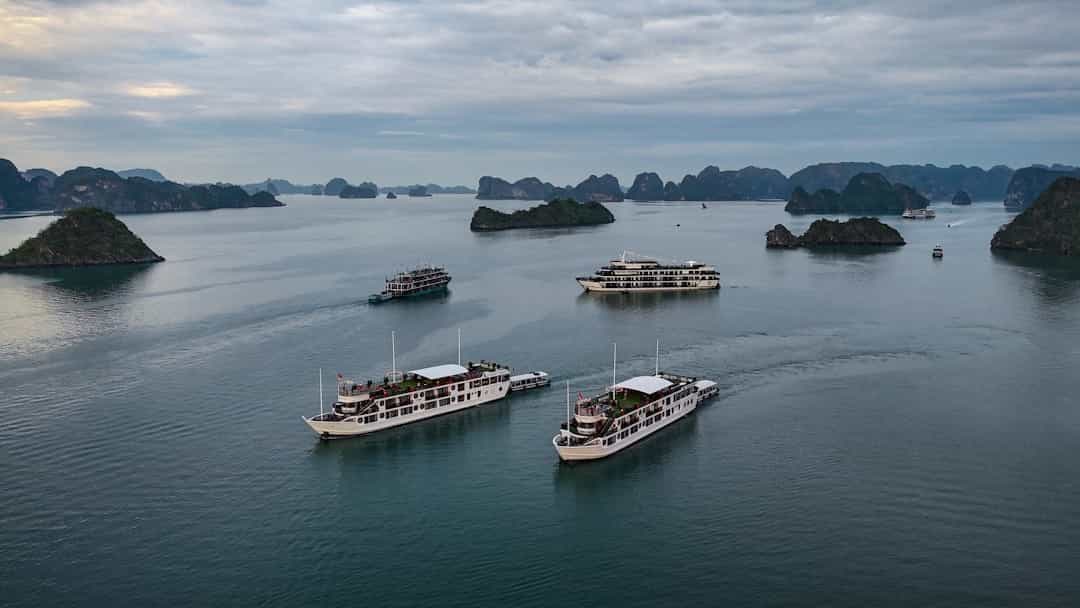
Ha Long Bay, Vietnam
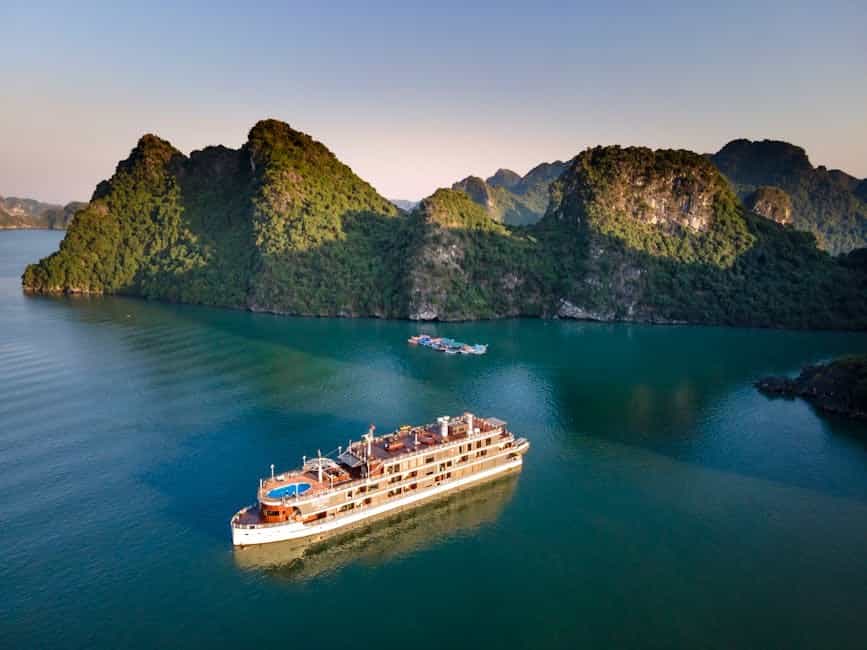
Ha Long Bay is a UNESCO World Heritage Site renowned for its outstanding natural karst landscape formed by thousands of limestone islands and islets rising from emerald waters. It is important geologically for its karst topography and ecologically for marine and coastal biodiversity, including coral reefs and endemic species. The area also holds cultural significance for local fishing communities and the long history of human settlement in floating villages and coastal towns.
Last updated: 23 Oct 2025
Places to visit
- Ha Long Bay (overall seascape and cruising routes)
- Sung Sot (Surprise) Cave
- Ti Top Island (viewpoint and beach)
- Cat Ba National Park and Cat Ba Island
- Lan Ha Bay and Bai Tu Long Bay (quieter adjacent bays)
- Cua Van Floating Village
- Luon Cave (boat entry and kayaking area)
- Vung Vieng Fishing Village and Pearl Farms
Unique Aspects
- Dramatic limestone karsts and tower islands
- Extensive cave systems with stalactites and stalagmites
- Emerald-green water with coral reefs and diverse marine life
- Traditional floating villages and aquaculture (pearl farms, fishing)
- Spectacular sunrise/sunset views from viewpoints and decks
Things to do
- Overnight and day cruises (ranging from budget to luxury)
- Kayaking through lagoons, caves, and along karst cliffs
- Exploring caves (Sung Sot, Luon and others)
- Island hiking and viewpoints (Ti Top Island, Cat Ba trails)
- Swimming and beach time on designated islands
- Cycling and trekking on Cat Ba Island
- Rock climbing on selected limestone cliffs
- Visiting floating villages and local markets
- Wildlife watching (birdlife, marine species) and snorkeling/diving in clearer spots
Best Time to Visit
October to April for milder, drier weather and clearer skies; May to September is warmer with more rain and higher risk of storms but also lush scenery and calmer seas some weeks.
Weather Conditions
Tropical monsoon climate: warm and humid year-round. Winter (Nov–Feb) is cooler and sometimes misty; summer (Jun–Aug) is hot, humid and can bring heavy rain and occasional typhoons.
Entry Fees & Permits
There is no universal UNESCO 'entry fee' for Ha Long Bay itself; visitors typically pay for cruises, boat tickets, and small entrance fees for specific attractions (e.g., caves, Cat Ba National Park). Cruise boarding is scheduled throughout the day; most caves and island attractions are open roughly from early morning to late afternoon (approx. 7:00–17:00), but hours vary by site and operator.
Accessibility
Nearest major airports: Cat Bi International Airport (Hai Phong) ~50–70 km away, and Noi Bai International Airport (Hanoi) ~150–170 km (3.5–4.5 hours by road). Regular shuttle buses, private transfers, trains to Ha Long (limited), and express ferries from Hai Phong/Cat Ba connect the region. Many visitors travel from Hanoi by road or take a combined transfer to the cruise pier (Tuan Chau, Bai Chay, or Hon Gai).
Recommended Duration
2–3 days for a typical overnight cruise and island visits; 4–5 days if you want to include Cat Ba Island, trekking, and more remote bays (Lan Ha or Bai Tu Long).
Clothing & Gear Tips
Light, breathable clothing, a light rain jacket, swimwear, sturdy sandals or walking shoes, sunhat and sunglasses, reef-safe sunscreen, insect repellent, a small dry bag for electronics, and a power bank.
Local Food & Souvenirs
Try local seafood specialties such as grilled squid, steamed fish, and chả mực (squid cake). Popular souvenirs include cultured pearls, dried seafood, local lacquerware, and handcrafts. Respect sustainable choices—avoid products made from endangered species.