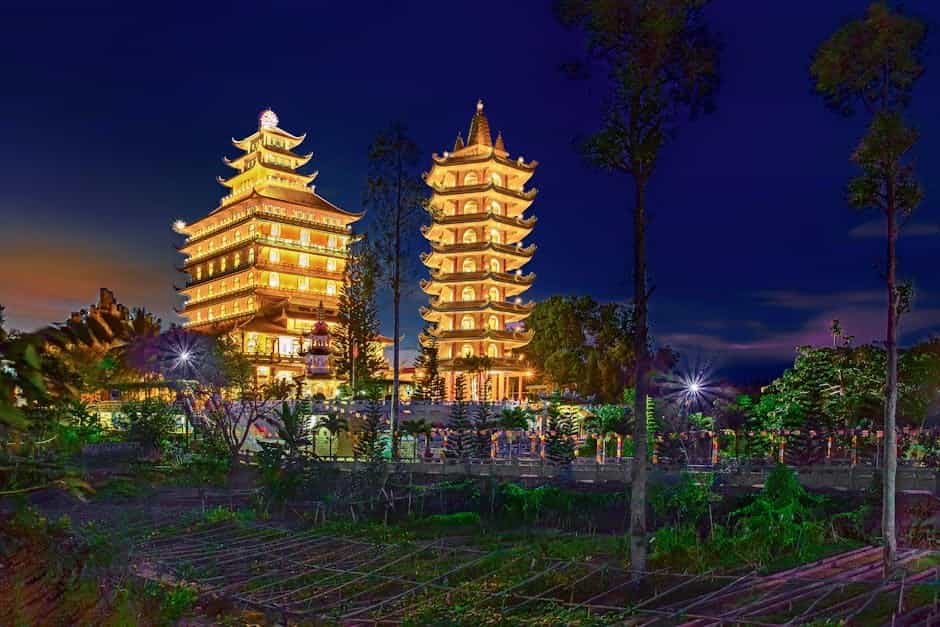
Hoi An Ancient Town, Vietnam
Hoi An Ancient Town (a UNESCO World Heritage Site since 1999) was a major Southeast Asian trading port from the 15th–19th centuries. It preserves an exceptionally complete and diverse ensemble of wooden merchant houses, assembly halls, temples and bridges that reflect a unique fusion of Vietnamese, Chinese, Japanese and European influences. The town's architecture, street layout and river-centered urban pattern offer important insights into maritime trade, cultural exchange and traditional craft economies.
Last updated: 16 Apr 2026
Historic Anecdotes
A well-known local legend surrounds the Japanese Covered Bridge (Chùa Cầu): built by the 16th–17th century Japanese community to link them with the Chinese quarters, the bridge is said to house a small pagoda and a statue of a deity who protects the town from bad luck. Another popular cultural practice — the monthly lantern release on the Thu Bồn River during the Full Moon Lantern Festival — is rooted in beliefs about sending wishes and good fortune downstream.
Places to visit
- Japanese Covered Bridge (Chùa Cầu)
- Tan Ky Old House and other well-preserved merchant houses
- Fujian (Phuc Kien) Assembly Hall
- Quan Cong Temple and Cantonese Assembly Hall
- Hoi An Night Market and Central Market
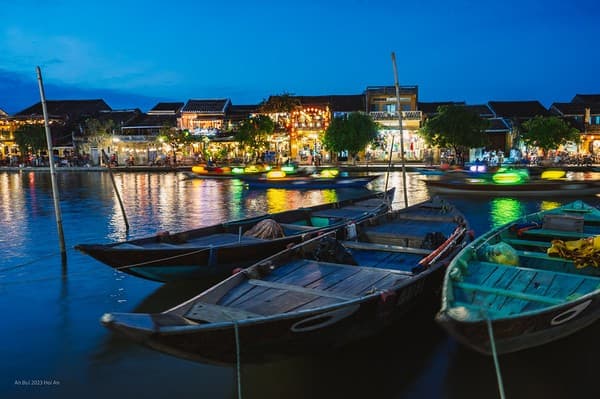
- Thu Bồn Riverfront & Boat Rides
- Tra Que Vegetable Village and traditional craft villages
- An Bang Beach (nearby)
- My Son Sanctuary (day trip)
Unique Aspects
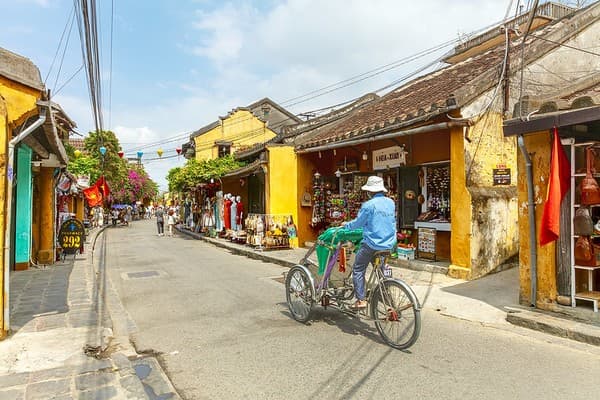
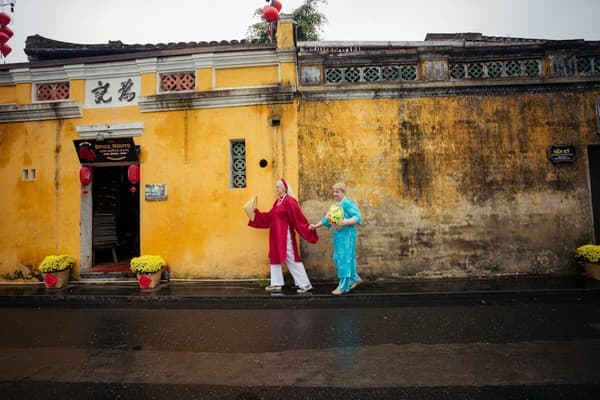
- Distinctive yellow-painted facades and narrow wooden shop-houses
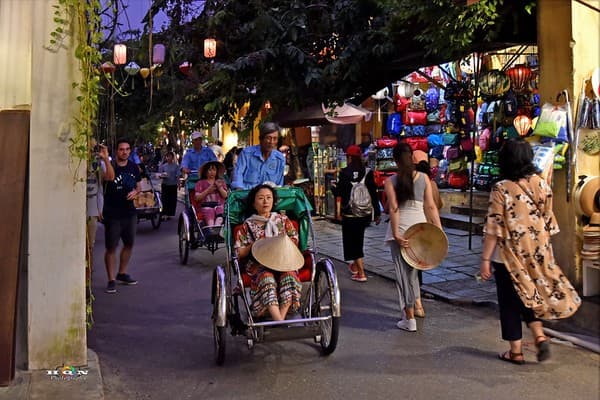
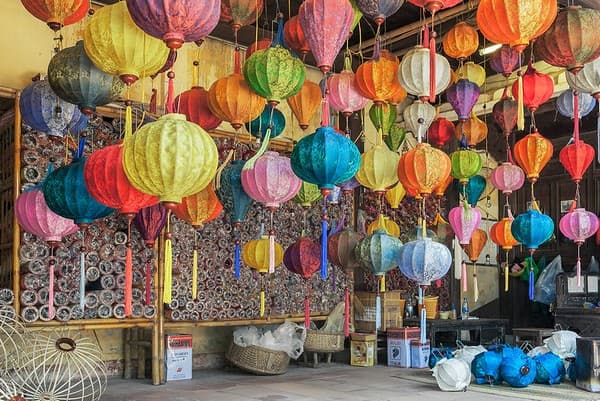
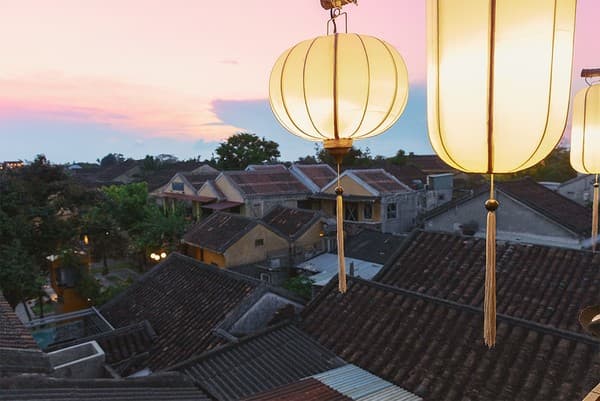
- Lantern-lit streets at night creating photogenic scenes
- Highly concentrated traditional crafts: lantern-making, tailoring, ceramics, carpentry
- Riverside cafés, boats and floating lantern releases
- Pedestrianised zones in the evening that enhance the historic atmosphere
Things to do
- Guided walking tours through the Ancient Town to visit historic houses, assembly halls and museums
- Evening lantern-lit walks and boat trips on the Thu Bồn River
- Hands-on workshops: lantern-making, cooking classes, tailoring/measurements for bespoke clothing
- Cycling or short rides to Tra Que Village, rice paddies and nearby beaches
- Photography at sunrise/blue hour and during the monthly Lantern Festival
- Day trips to My Son Sanctuary or Marble Mountains, and beach relaxation at An Bang
Festivals & Events
- Hoi An Full Moon Lantern Festival (monthly on the 14th day of the lunar month) — lantern release, traditional music and street ambience
- Tet (Vietnamese Lunar New Year) — local celebrations and special market activity
- Mid-Autumn Festival — children’s lantern processions and local treats
- Local craft and food events held seasonally (check local listings)
Best Time to Visit
Best months: February to April for mild, dry weather and smaller crowds. Avoid the peak heat of June–August if you prefer cooler conditions. Note: the coastal region can experience heavy rains and occasional typhoons from about September to January.
Weather Conditions
Tropical climate with a warm, humid dry season (Feb–Aug) and a wetter season (Sep–Jan). Daytime temperatures commonly range from the low 20s°C to mid 30s°C depending on season; evenings can be cooler in the dry months.
Entry Fees & Permits
Many historic houses and assembly halls require an Ancient Town ticket or separate small entrance fees; tickets are available at official ticket booths in the town. Typical opening hours for heritage sites are around 08:00–17:30; markets and shops often open early and remain open into the evening. Night Market & lantern activities typically run after sunset until around 21:00–22:00.
Accessibility
Nearest major airport: Da Nang International Airport (DAD), ~30–45 minutes by car. Da Nang is served by trains and long-distance buses; Hoi An is about 30 km south of Da Nang. The Ancient Town has many pedestrian-only streets and uneven surfaces in older areas; accessibility for wheelchairs can be limited at some historic houses—check ahead for specific site access.
Recommended Duration
Plan 2–3 days to explore the Ancient Town properly (historic sites, night market, a cooking class and a short excursion). Add extra days for beach time or trips to My Son.
Clothing & Gear Tips
Light, breathable clothing for daytime; a light rain jacket in the wet season and sun protection (hat, sunscreen). Comfortable walking shoes for cobbled streets. Respectful attire (covering shoulders/legs) is recommended when visiting temples and assembly halls.
Local Food & Souvenirs
Must-try local dishes: Cao Lầu, Mi Quang, White Rose dumplings, local bánh mì and seafood. Popular souvenirs: handcrafted silk lanterns, tailor-made clothing, ceramics, embroidered textiles and local spices. Carry some Vietnamese Dong (VND) for small purchases; many small vendors prefer cash.