Hue, Vietnam
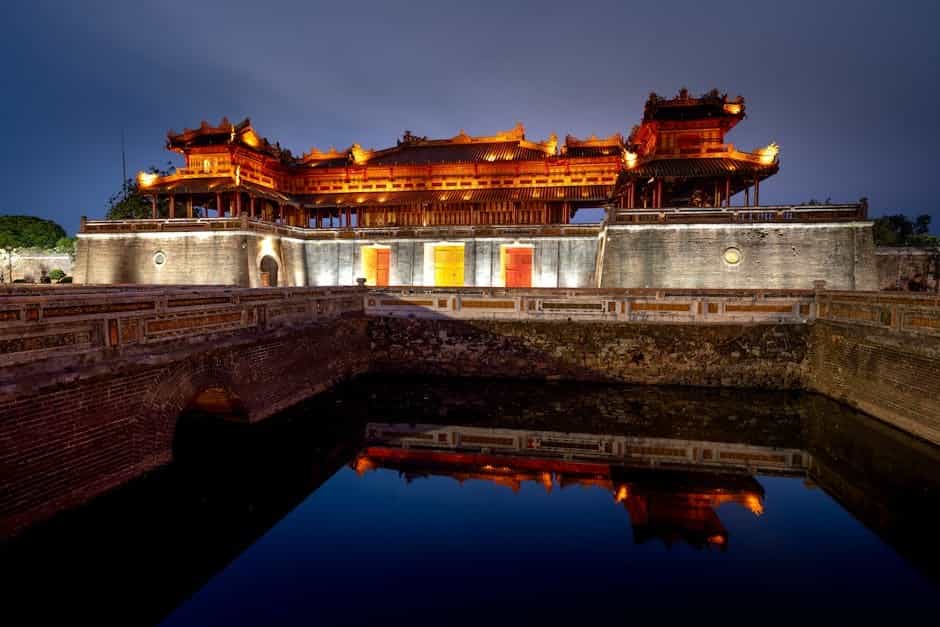
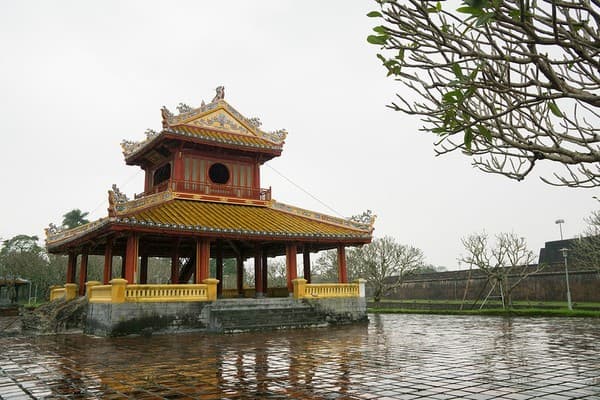
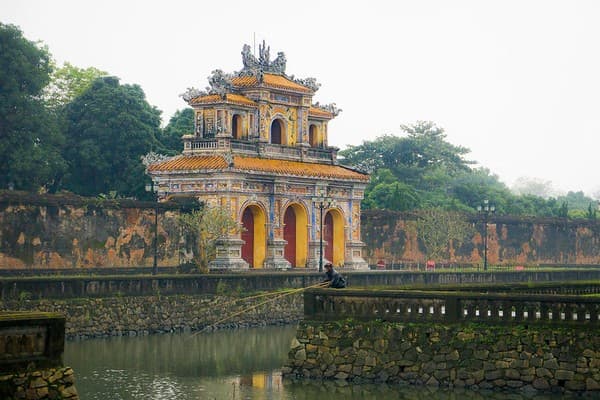
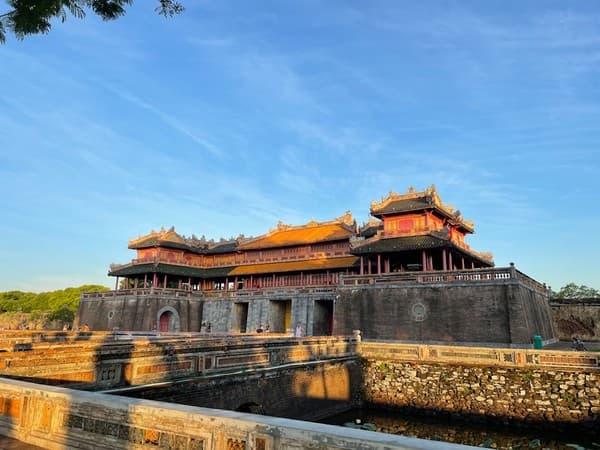
Hue was the last imperial capital of Vietnam under the Nguyen Dynasty (1802–1945). It is a UNESCO World Heritage Site famous for the Imperial City (Citadel), royal tombs, pagodas, and preserved court architecture. Hue also served as a major cultural and political center and retains strong traditions of royal ceremonies, court music (Nhã nhạc), and unique cuisine. The surrounding landscape — the Perfume River, nearby beaches, and mountains — adds natural significance and scenic value.
Last updated: 16 Apr 2026
Places to visit
- Hue Imperial City (Citadel) and the Forbidden Purple City
- Tombs of the Nguyen Emperors (Tu Duc, Khai Dinh, Minh Mang, Dong Khanh, etc.)
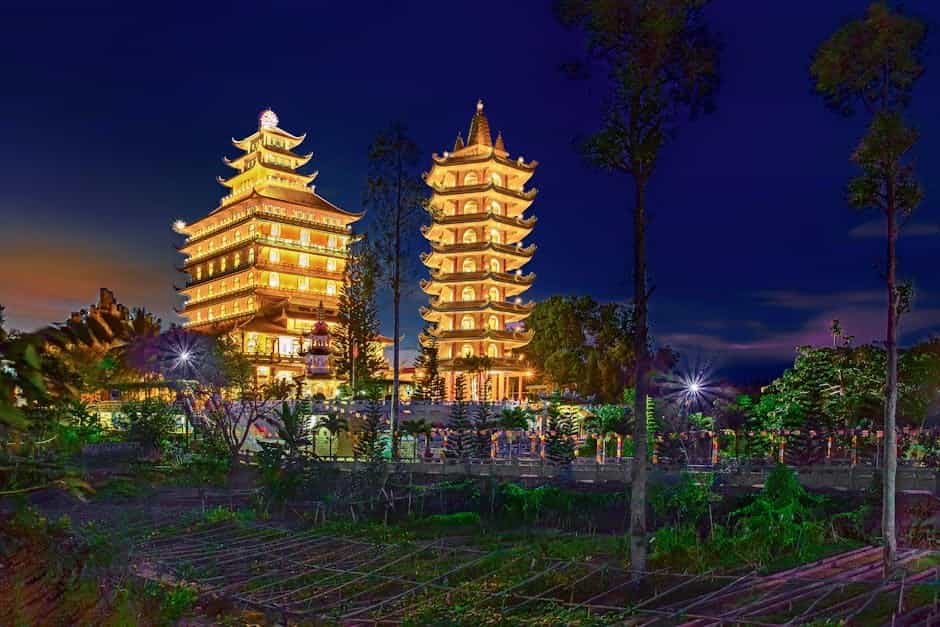
- Thien Mu Pagoda (the iconic riverside pagoda)
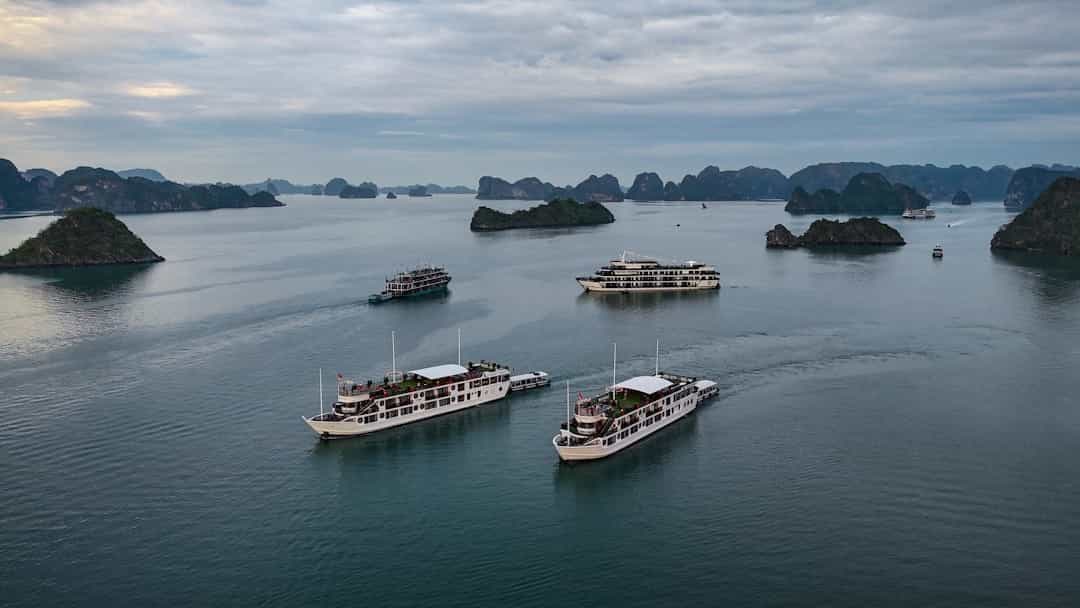
- Perfume River (boat cruises and riverside views)
- Dong Ba Market (local life and food)
- Bach Ma National Park (hiking and waterfalls)
- Thanh Toan Covered Bridge and traditional villages
- Thuan An Beach and nearby coastline
Unique Aspects
- Elegant Nguyen dynasty architecture with citadel walls, palaces, and ornate gates
- Royal funerary art and sculpted gardens in imperial tomb complexes
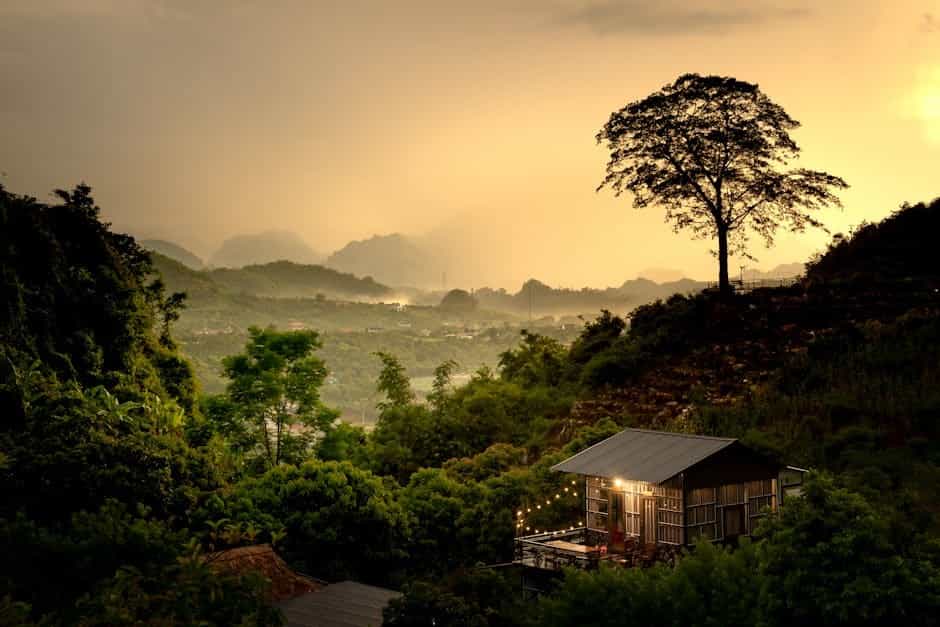
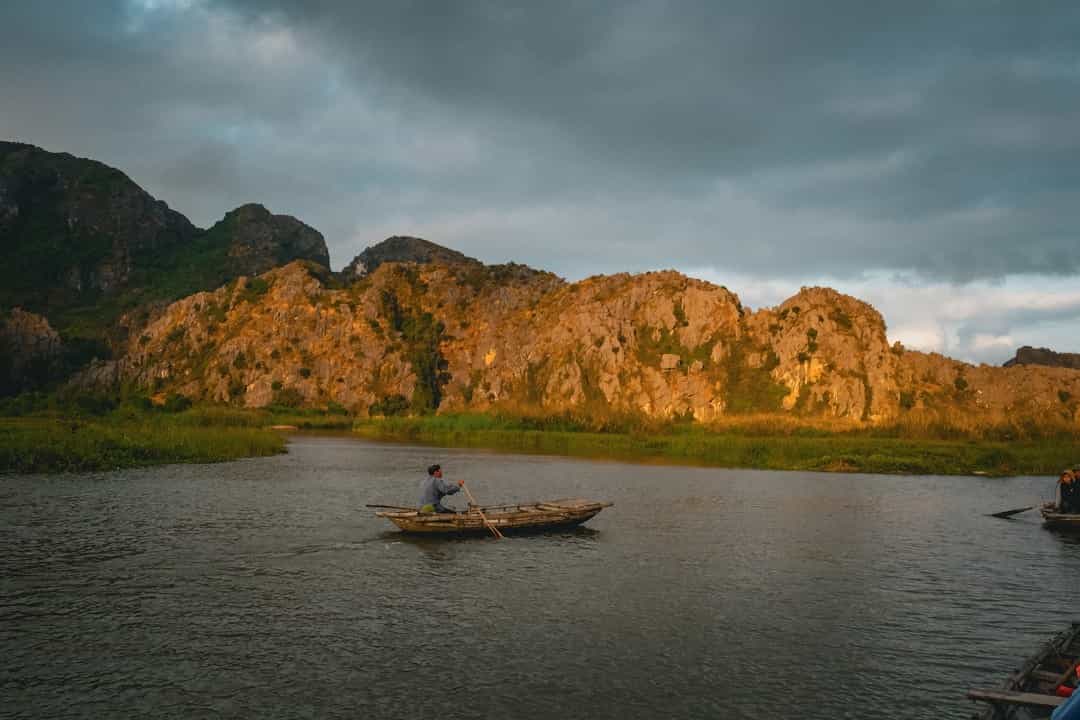
- Serene river and lagoon landscapes along the Perfume River
- Traditional Nhã nhạc (royal court music) performances
- Vibrant street-food culture and unique Hue royal cuisine
- Handicraft and artisan villages producing incense, conical hats, and lacquerware
Things to do
- Take a boat ride on the Perfume River to visit pagodas and tombs
- Explore the Imperial City and learn about Vietnam's royal history
- Tour the royal tombs set in landscaped grounds
- Sample Hue specialties: bún bò Huế, bánh bèo, nem lụi, and royal dishes
- Attend a royal court music (Nhã nhạc) performance
- Cycle or walk the countryside and craft villages
- Day trips to Bach Ma National Park or the DMZ/War history sites
- Relax at Thuan An Beach or enjoy riverside cafés
Festivals & Events
- Hue Festival (biennial cultural festival with performances, parades, and exhibitions)
- Traditional Tet (Lunar New Year) celebrations and rituals
- Periodic royal music concerts and temple ceremonies
- Local village festivals and incense-related rituals
Best Time to Visit
Ideal months are February to April (dry season, mild temperatures) and late summer for fewer crowds. Avoid the heavy rain and typhoon season typically from September to November.
Weather Conditions
Tropical monsoon climate: hot and humid in summer, a wetter autumn with potential storms, and milder, drier conditions in late winter/early spring. Temperatures generally range from ~18°C–35°C depending on season.
Accessibility
Nearest airport: Phu Bai (HUI), about 15 km south of Hue (regular domestic flights). Train and long-distance buses connect Hue with Hanoi and Ho Chi Minh City. Local transport: taxis, motorbike taxis (xe ôm), buses, private cars, and bike rentals. Perfume River boat tours connect key riverfront sites. Many attractions require some walking; not all tombs have full disability access.
Recommended Duration
2–4 days to see major city highlights; one week if you want to day-trip to Bach Ma, DMZ sites, and enjoy a relaxed pace.
Clothing & Gear Tips
Light, breathable clothing for daytime; a light rain jacket in wet months; modest attire for temples (shoulders and knees covered). Comfortable walking shoes and a hat/sunscreen are recommended.
Local Food & Souvenirs
Must-try foods: bún bò Huế, bánh bèo, bánh nậm, nem lụi, and traditional Hue royal dishes. Souvenirs: incense, lacquerware, conical hats (nón lá), silk/áo dài, and local ceramics.