Imperial Citadel of Thang Long, Vietnam
UNESCO World Heritage Site (2010). The Imperial Citadel of Thang Long is the historical center of political power in Vietnam for more than 1,300 years (from the 7th century through several dynasties). It preserves stratified archaeological remains—palaces, administrative buildings, defensive works and ceremonial spaces—that document the development of Hanoi (Thang Long) as a capital. The site is critical for understanding Vietnamese state formation, architecture and urban planning.
Last updated: 23 Oct 2025
Historic Anecdotes
Legend says Emperor Lý Thái Tổ named the capital "Thăng Long" (Rising Dragon) after seeing a dragon rise from the Red River where the city was founded. There are also many local tales about hidden gates, royal ceremonies, and the successive transformations of the citadel through dynastic change.
Places to visit
- Flag Tower of Hanoi (Cột cờ Hà Nội) — an iconic, well-preserved symbol of the citadel
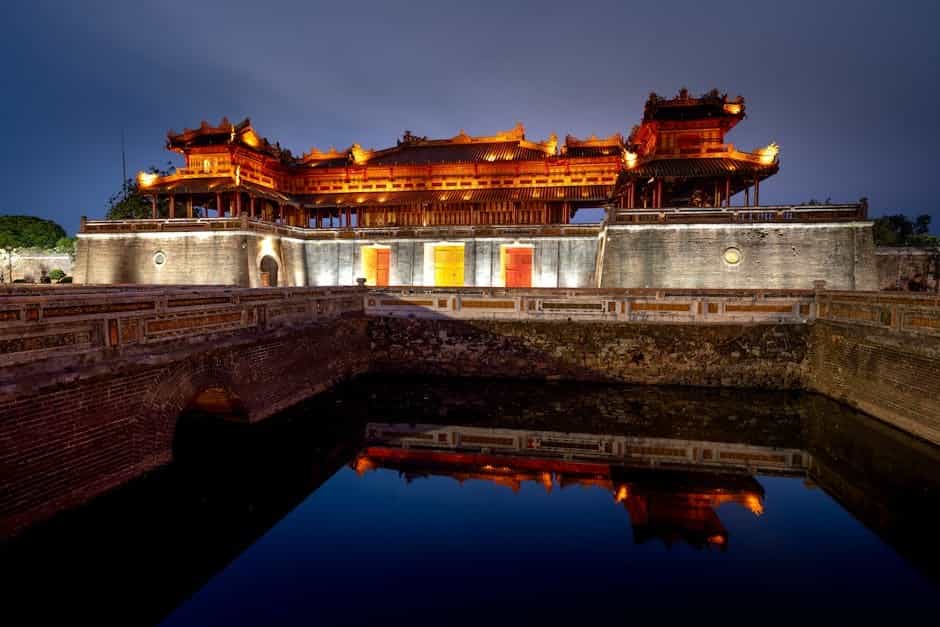
- Doan Mon Gate — the main ceremonial entrance to the citadel compound
- Kinh Thien Palace archaeological remains — foundations and ceremonial axis of the imperial complex
- Thang Long Imperial Citadel archaeological site and exhibition center — displays archaeological finds (ceramics, tiles, structural remains)
- Boundary walls and royal plazas — visible traces of defensive and administrative layout
Unique Aspects
- Multi-layered archaeological stratigraphy revealing continuous occupation and redevelopment
- Combination of Chinese-influenced and distinctly Vietnamese royal architecture and urban planning
- Visible foundations, stone bases and relics displayed in-situ and in the on-site museum
- Panoramic urban views from the Flag Tower area that connect the citadel to modern Hanoi
Things to do
- Guided or audio-guided tours of the archaeological site and exhibition
- Visit the on-site Thang Long Imperial Citadel Exhibition to see artifacts and site maps
- Walk around the Flag Tower and former palace axis; photography of historic structures
- Combine with nearby Hanoi attractions (Hoàn Kiếm Lake, Old Quarter, Ho Chi Minh Mausoleum) for a full-day historic itinerary
Festivals & Events
- Thang Long-Hanoi Heritage Festival (periodic events celebrating the city's history)
- Special exhibitions and archaeological open-days hosted by the site museum
- National holidays (Tet, National Day) often include ceremonies or performances in central Hanoi that echo the citadel's history
Best Time to Visit
October to April (cooler, drier months) — best for walking and outdoor photography.
Weather Conditions
Tropical monsoon climate: hot, humid summers (May–September) with heavy rain; mild, cooler winters (November–March). Expect sudden showers in the wet season.
Entry Fees & Permits
Approximate entry fee: small admission charge (varies by year; concessions for students/children and special exhibitions). Typical opening hours: ~08:00–17:00 (check current hours before visiting).
Accessibility
Located in central Hanoi, within easy taxi/ride-hail distance from Hoàn Kiếm Lake and the Old Quarter (roughly 10–20 minutes by car depending on traffic). Nearest major airport: Noi Bai International Airport (~30–45 minutes by car). Served by multiple city buses; limited on-site parking. Some paths and exhibition areas are accessible, but expect uneven surfaces at excavation zones—allowing limited wheelchair access in places.
Recommended Duration
1–2 hours for the site and exhibition; half-day if combining nearby Hanoi sights.
Clothing & Gear Tips
Comfortable walking shoes, sunhat/sunscreen for sunny days, light rain jacket/umbrella in the wet season; modest clothing if attending formal memorial areas.
Local Food & Souvenirs
Try Hanoi specialties nearby—pho, bun cha, egg coffee. Souvenirs: lacquerware, ceramics, miniature architectural replicas, postcards and local handicrafts sold in Hanoi markets near the Old Quarter.