Imperial City (Citadel of Hue), Vietnam
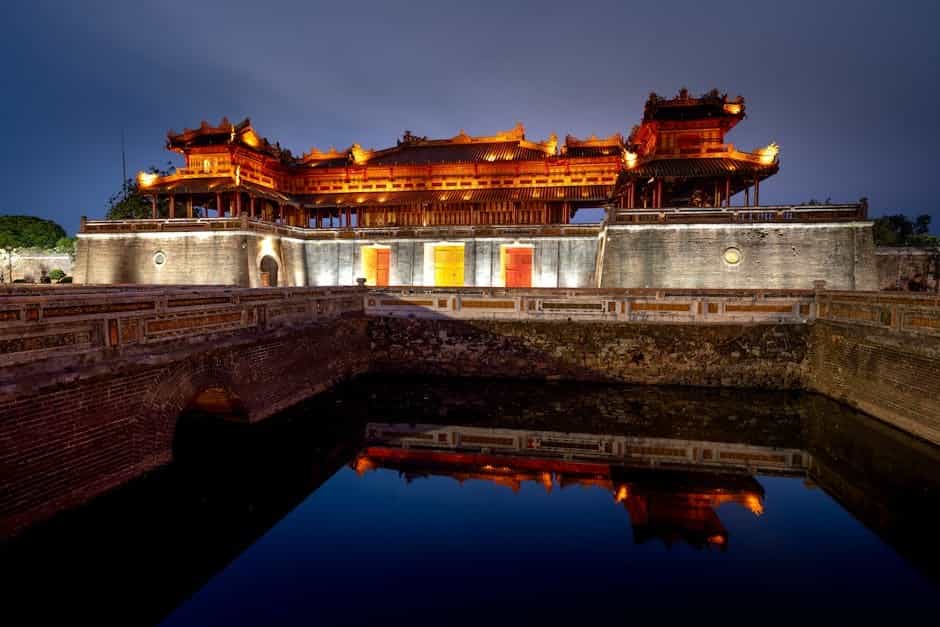
The Imperial City (Citadel of Hue) is the former seat of the Nguyen Dynasty (1802–1945), Vietnam's last royal family. It served as the political, cultural and religious center of the empire and retains important examples of Nguyen-era architecture, urban planning, and royal rituals. The complex is a UNESCO World Heritage Site (since 1993) and symbolizes Vietnamese imperial history, Confucian statecraft, and traditional arts.
Last updated: 23 Oct 2025
Historic Anecdotes
The complex includes the 'Forbidden Purple City' — the emperor's private compound inspired by Chinese imperial models and regarded as sacred and off-limits to ordinary people. The citadel and many structures were heavily damaged during the 1945 anti-colonial struggles and the 1968 Tet Offensive; ongoing restoration is guided by historic records and archaeology. Local legends include tales of geomancy (feng shui) guiding the siting of the citadel on the Perfume River and stories surrounding the Nine Dynastic Urns, cast to embody and protect the spirit of the imperial house.
Places to visit
- Ngo Mon Gate (Main ceremonial entrance)
- Thai Hoa Palace (Hall of Supreme Harmony)
- Forbidden Purple City (Tu Cam Thanh) - inner royal residence
- Nine Dynastic Urns (Cửu Đỉnh) on the Can Chanh terrace
- Imperial Forbidden City walls, moats, and gates
- Mieu Temples (ancestral temples for Nguyen emperors)
- Royal Theatre and performance spaces
- Hue Royal Antiquities Museum (nearby, features imperial artifacts)
- Halls of Mandarins and various chambers (e.g., Dien Tho Palace)
Unique Aspects
- Distinctive Nguyen dynasty architecture mixing Vietnamese and Chinese influences
- Elaborately carved woodwork, roof tiles, and imperial color schemes
- A surrounding moat and citadel walls laid out according to traditional urban planning and feng shui principles
- Many restored and reconstructed buildings showing royal court life and ceremonies
- Riverside setting on the Perfume River — scenic views and boat access
Things to do
- Guided walking tours of the citadel and major palaces
- Audio-guide or printed guidebook exploration of historic chambers and artifacts
- Boat trips on the Perfume River combining visits to Thien Mu Pagoda and royal tombs
- Photographing ornate gates, courtyards, and long vista views
- Watching traditional Hue royal court music (Nha Nhac) and cultural demonstrations
- Cyclo, bicycle, or electric cart rides around Hue's historic center
- Visiting nearby royal tombs (e.g., Minh Mang, Khai Dinh, Tu Duc) for a full imperial itinerary
Festivals & Events
- Hue Festival (Biennial cultural festival featuring music, dance, reenactments, and lantern parades)
- Royal music and ritual performances (Nha Nhac) staged periodically inside the citadel
- Tet (Lunar New Year) celebrations and local commemorative ceremonies
Best Time to Visit
Best months: December to April (cooler, drier weather). Avoid peak rainy season September–November when heavy rains and occasional storms may disrupt travel.
Weather Conditions
Tropical monsoon climate: hot and humid in summer (May–August) and a pronounced rainy/typhoon-prone season in autumn (Sept–Nov). Winters (Dec–Feb) are milder and generally drier.
Entry Fees & Permits
Typical full-ticket fee for the Imperial City complex: around VND 200,000 (price subject to change). Partial or combined tickets may be available for specific sites. Typical opening hours: ~08:00–17:30 (verify locally for exact times and seasonal changes).
Accessibility
Located in central Hue on the north bank of the Perfume River. Nearest airport: Phu Bai (HUI), about 15–20 km south of the city. Hue Railway Station is within city limits. Taxis, Grab, cyclos and bicycles are common ways to reach the citadel from city center hotels.
Recommended Duration
Plan 2–4 hours to see the main Imperial City highlights; allow a full day if visiting multiple royal tombs and museums.
Clothing & Gear Tips
Light breathable clothing for heat, comfortable walking shoes, sun hat and sunscreen. Carry a lightweight rain jacket or umbrella during the rainy season. Respectful clothing (shoulders covered) is recommended when entering temples and shrines.
Local Food & Souvenirs
Try Bún bò Huế (Hue beef noodle soup), bánh khoái, and imperial-style dishes at local restaurants. Souvenirs include lacíquerware, silk, conical hats (nón lá), and handcrafted items inspired by royal motifs.