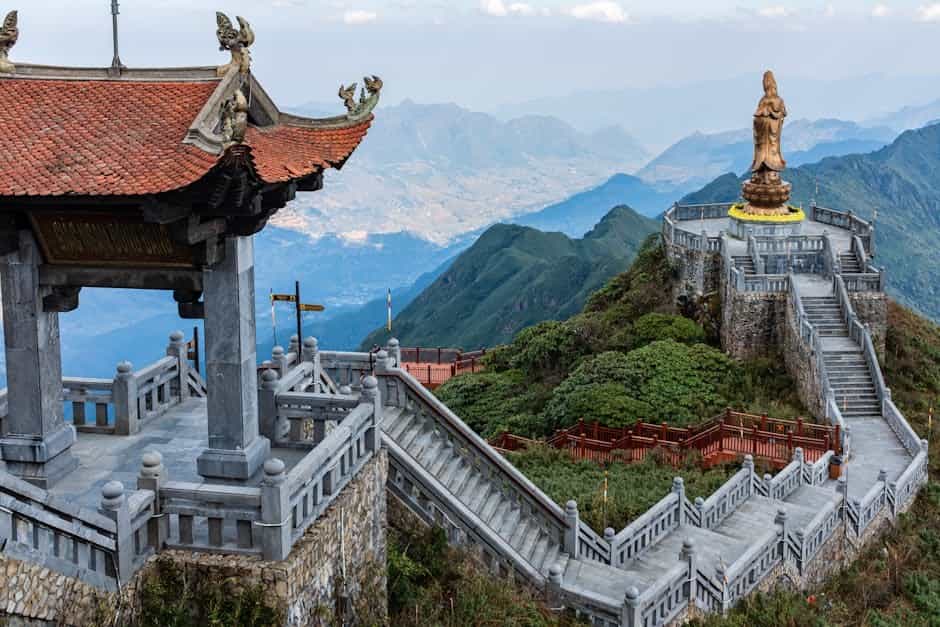
Independence Palace (Reunification Palace), Vietnam
Independence Palace (also known as Reunification Palace) is a landmark of Ho Chi Minh City and a symbol of modern Vietnamese history. Completed in 1966 and designed by architect Ngô Viết Thụ, it replaced the old Norodom Palace that was damaged in a 1962 coup. The palace served as the presidential residence and the workplace of the President of the Republic of Vietnam (South Vietnam). Its most famous historical moment came on 30 April 1975 when a North Vietnamese Army tank crashed through its gates, marking the fall of Saigon and the end of the Vietnam War — an event that gave the building its popular name, Reunification Palace. The site now functions as a museum and memorial, preserving period interiors, government rooms, and wartime relics.
Last updated: 23 Oct 2025
Places to visit
- Main Reception Halls — ornately preserved rooms used for official state functions and receptions.
- War Command Room (Basement Bunker) — the subterranean operations center with original maps, communication devices and briefing tables.
- Rooftop Helipad and Observation Areas — panoramic views of District 1 and the adjacent Saigon River area.
- Presidential Private Quarters — bedrooms and living spaces kept in period condition with 1960s furniture.
- Vintage Vehicles and Artifacts — presidential cars, tanks on the lawn, radio and telecommunication equipment.
- Gardens and Exterior Facade — the modernist, low-rise architecture with landscaped grounds and fountains.
Unique Aspects
- Modernist architecture by Ngô Viết Thụ combining Vietnamese motifs with 1960s international style.
- Original interior design and period furnishings giving an authentic sense of 1960s South Vietnamese government life.
- The palace grounds include the path and gate famously breached by a North Vietnamese tank on 30 April 1975.
- A preserved bunker complex and command rooms illustrating wartime planning and emergency systems.
Things to do
- Guided and self-guided tours through reception rooms, private quarters, and the bunker.
- Photography of the architecture, period rooms, gardens and the tanks outside (respect photography rules).
- Listening to audio guides or reading the onsite placards that explain the palace's role in history.
- Visiting exhibitions of diplomatic gifts, documents, maps and preserved wartime equipment.
- Combining the visit with nearby central District 1 sights: Notre-Dame Cathedral, Central Post Office, and the War Remnants Museum.
Best Time to Visit
Dry season (November to April) for lower humidity and less rain; early morning or late afternoon to avoid midday heat and crowds.
Weather Conditions
Tropical climate — hot and humid most of the year. Expect temperatures from about 25°C to 35°C (77°F–95°F); sudden rain showers possible during the wet season (May–October).
Entry Fees & Permits
Typical opening hours are 7:30–11:00 and 13:00–16:00 daily, but hours and ticket prices can change. Entry fees are modest (historically around VND 30,000–50,000 for adults); discounts may apply for students, seniors, or children. Purchase tickets at the official ticket office on site or check the palace's official page for current rates.
Accessibility
Located in District 1, central Ho Chi Minh City — within walking distance of many attractions. Nearest major transport hubs: Tan Son Nhat International Airport (about 7–8 km northwest) and central bus routes/stops around Le Duan and Nam Ky Khoi Nghia streets. The palace has stairs and some areas with limited wheelchair access; the basement bunker and certain historic rooms may not be fully accessible. Expect a security check at the entrance.
Recommended Duration
1–2 hours to see the main rooms and the basement; allow longer (2–3 hours) if joining a detailed guided tour or visiting nearby sites.
Clothing & Gear Tips
Light, breathable clothing suitable for tropical weather; comfortable walking shoes. Dress modestly when entering official rooms. Bring a hat, sunscreen, and a small umbrella during rainy months.
Local Food & Souvenirs
Nearby eats: pho, banh mi, com tam (broken rice), and Vietnamese iced coffee (cà phê sữa đá). Souvenirs: lacquerware, miniature Ao Dai, traditional conical hats (nón lá), and historical postcards or guidebooks about the palace.