Lung Cu Flag Tower, Vietnam
Lũng Cú Flag Tower (Cột cờ Lũng Cú) marks one of the northernmost points of Vietnam and is a powerful national symbol of sovereignty and territorial integrity. It sits within the Đồng Văn Karst Plateau Geopark, a UNESCO-recognized landscape, and is important both as a patriotic monument and as part of the cultural landscape of the ethnic minority communities (Hmong, Dao and others) who inhabit the highlands.
Last updated: 23 Oct 2025
Places to visit
- The Flag Tower itself — a white stone tower topped by a large Vietnamese flag that flies prominently on clear days.
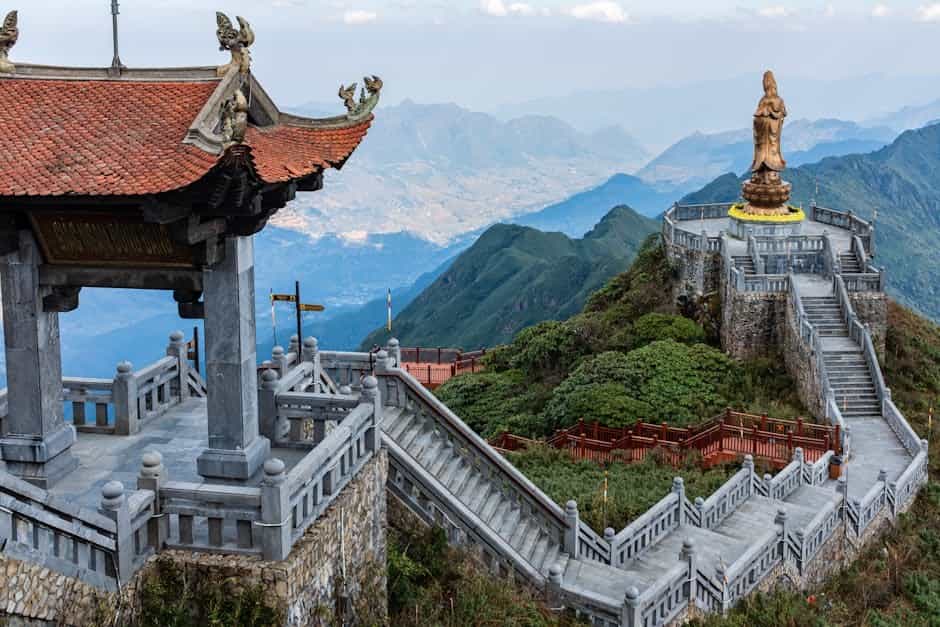
- Panoramic viewpoints from the peak offering sweeping views of the surrounding karst landscape and borderlands.
- Hiking stairway and terraces that lead visitors up the mountain and provide photo opportunities at multiple levels.
- Nearby Đồng Văn town — traditional architecture, local markets and access to the Ha Giang Loop.
Unique Aspects
- Part of the Đồng Văn Karst Plateau Global Geopark with dramatic limestone formations and highland scenery.
- Close contact with ethnic minority villages — opportunities to observe traditional dress, crafts and local markets.
- A strong sense of national symbolism: the site is often included on patriotic visits and school trips.
Things to do
- Climb to the flag tower for views and photography.
- Combine the visit with the Ha Giang Loop motorbike route or a driving circuit through the geopark.
- Stay in local homestays to experience Hmong and Dao culture.
- Visit weekly ethnic markets (Đồng Văn, Mèo Vạc) for food, handicrafts and people-watching.
- Short hikes around nearby ridges and village trails.
Best Time to Visit
Late spring (February–April) and autumn (September–November) are recommended for clearer skies, milder temperatures and lower rainfall. Avoid heavy monsoon months if you want dry roads and safer mountain travel.
Weather Conditions
Mountain/highland climate — cooler than lowland Vietnam. Expect windy conditions at the peak and rapidly changing weather; temperatures can be markedly cooler in mornings and evenings.
Entry Fees & Permits
The site is normally open daily during daylight hours. A small nominal entrance fee or donation may be requested at the site or nearby visitor points; fees and opening hours can change, so check locally before travel.
Accessibility
Reachable by road from Hà Giang province towns (most visitors access it via Đồng Văn or the Ha Giang Loop). There is no direct commercial airport at Hà Giang; the nearest major airport is Nội Bài International Airport (Hanoi) followed by a road journey (bus/private car/motorbike). The final approach includes uphill paths and steps, so it is not suitable for visitors with limited mobility without assistance.
Recommended Duration
Half-day to a full day if combined with nearby attractions; allow a full day or more if you are doing the Ha Giang Loop or staying in Đồng Văn for markets and villages.
Clothing & Gear Tips
Sturdy walking shoes, layered clothing for changing temperatures, windproof jacket, sun protection (hat & sunscreen), water, and basic first-aid. If visiting in the wet season, bring rain protection and be cautious on slippery paths.
Local Food & Souvenirs
Try regional specialties such as thắng cố (a traditional highland stew), local corn wine, buckwheat cakes and other ethnic dishes at markets. Souvenirs include hand-embroidered textiles, woven bags, silver jewelry and other hill-tribe handicrafts.