Mai Chau Valley, Vietnam
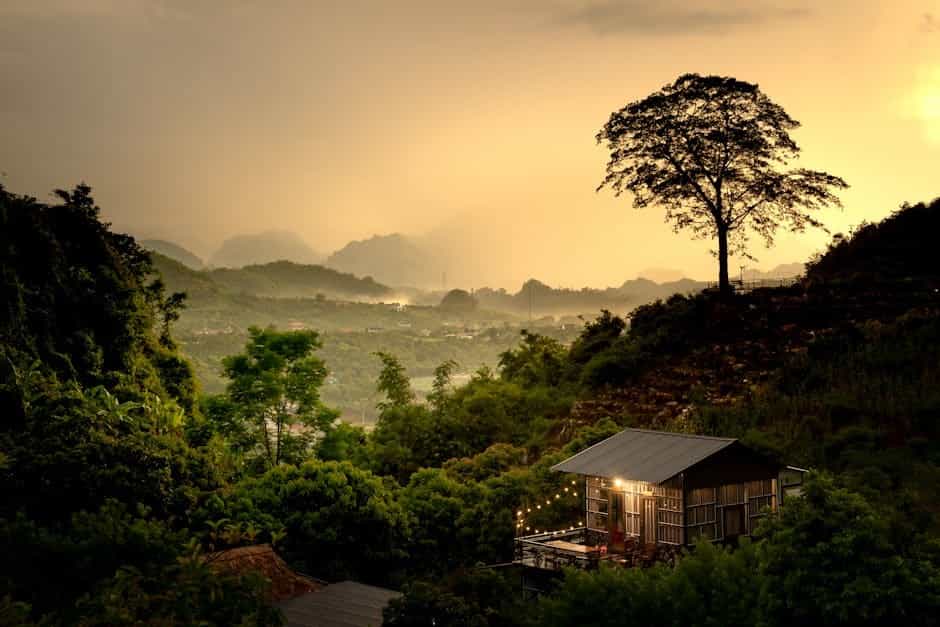
Mai Chau Valley is an important cultural landscape in northwest Vietnam, home to the White Thai (Thai Do) and other ethnic minority groups. The valley's stilt-house villages, traditional weaving, and communal life offer a living example of ethnic Thai culture. Nestled between limestone karsts and patchwork rice terraces, Mai Chau is also valued for its scenic natural beauty and lowland farming systems, making it an accessible alternative to the higher-altitude hill-tribe areas.
Last updated: 23 Oct 2025
Places to visit
- Lac Village (Mai Chau) – traditional White Thai stilt houses and homestays
- Pom Coong Village – scenic rice terraces and panoramic views
- Mai Chau Valley scenic viewpoints and rice paddy plains
- Local markets (weekend markets) and village craft workshops
- Nearby attractions: Pu Luong Nature Reserve and Thung Khe Pass (cloudy pass)
Unique Aspects
- Expansive rice paddies surrounded by low limestone karsts
- Well-preserved traditional White Thai stilt architecture
- Hand-weaving and textile traditions with vibrant local patterns
- Accessible homestay culture offering immersive community stays
- Gentle lowland trekking and cycling routes suitable for most visitors
Things to do
- Homestays in stilt houses with family-hosted meals and cultural exchange
- Cycling quiet country lanes between villages and rice fields
- Short treks to viewpoints, waterfalls, and nearby minority villages
- Watching or joining traditional Xoe dance performances and music
- Visiting local markets to buy woven goods, fresh produce and try street food
Best Time to Visit
Best seasons: March–May (spring, mild and green) and September–November (autumn, cooler and drier). Avoid the heavy monsoon months (June–August) if you want fewer rains and clearer skies.
Weather Conditions
Mai Chau has a subtropical climate with a distinct wet season (summer) and dry season (winter/early spring). Expect warm, humid weather in summer with frequent rain; cooler mornings and evenings in winter (December–February). Pack layers for temperature swings.
Accessibility
Nearest major hub: Hanoi (Noi Bai International Airport).Travel time: approximately 3–4 hours by car/bus from Hanoi (130–160 km depending on route). Regular tourist buses, private transfers, and motorbike trips are common. The valley is accessed by paved roads; some minor rural lanes may be rough. Limited ATM access in villages — carry cash.
Recommended Duration
Recommended stay: 2–3 days to experience homestays, cycling, and short treks; 4–5 days if combining with Pu Luong or other nearby attractions.
Clothing & Gear Tips
Bring lightweight layers, a waterproof jacket (monsoon season), sturdy walking shoes or trainers, a sun hat, insect repellent, and a small daypack. Respectful clothing is appreciated when visiting villages (avoid overly revealing garments).
Local Food & Souvenirs
Try local specialties such as com lam (bamboo-tube sticky rice), grilled river fish (often trout), smoked buffalo or pork dishes, and local rice wine. Popular souvenirs include hand-woven textiles, embroidered clothing, scarves, and small silver or brass jewelry crafted by local artisans.