Ninh Binh, Vietnam
Ninh Binh province in northern Vietnam is renowned for its outstanding natural karst landscape, cultural heritage sites, and historical significance. It served as the ancient capital region during the Dinh and Le dynasties (10th–11th centuries), with Hoa Lu as the historical seat of power. The province's river-carved limestone peaks, rice paddies, caves, and wetland ecosystems form part of the Red River Delta's unique environment and have earned global recognition; attractions like Trang An are listed as a UNESCO World Heritage Site. Ninh Binh offers a blend of spiritual pilgrimage sites, remnants of early Vietnamese statehood, and biodiverse wetlands important for migratory birds and endemic species.
Last updated: 23 Oct 2025
Places to visit
- Trang An Landscape Complex (UNESCO World Heritage Site)
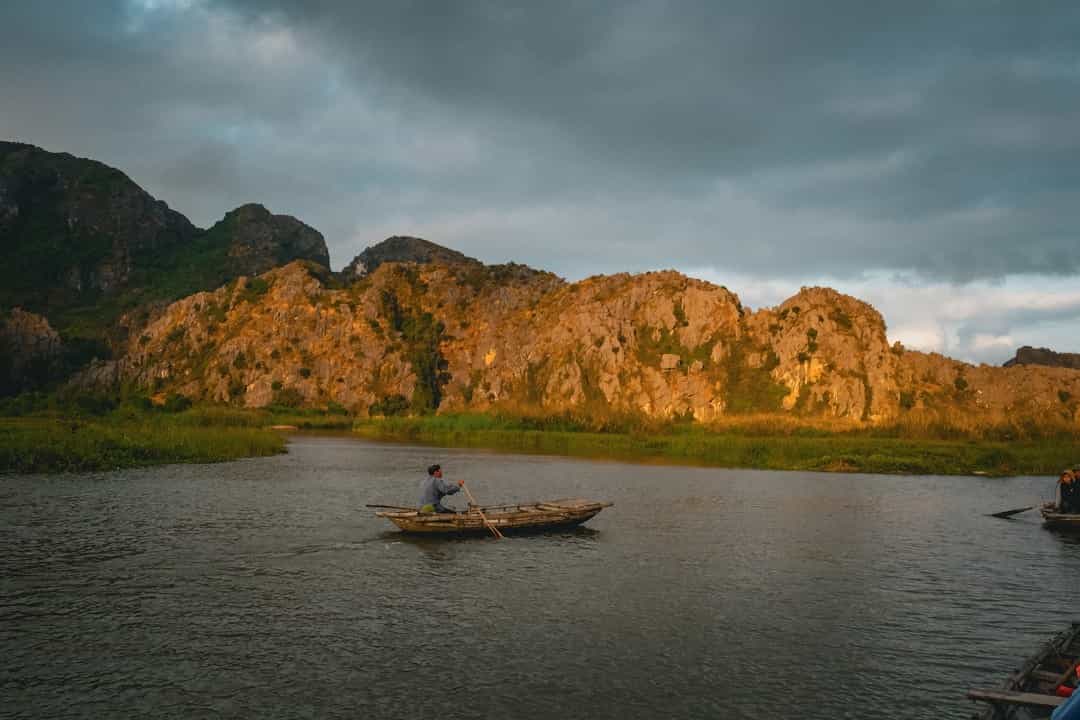
- Tam Coc – Bich Dong (boat rides through rice paddies and caves)
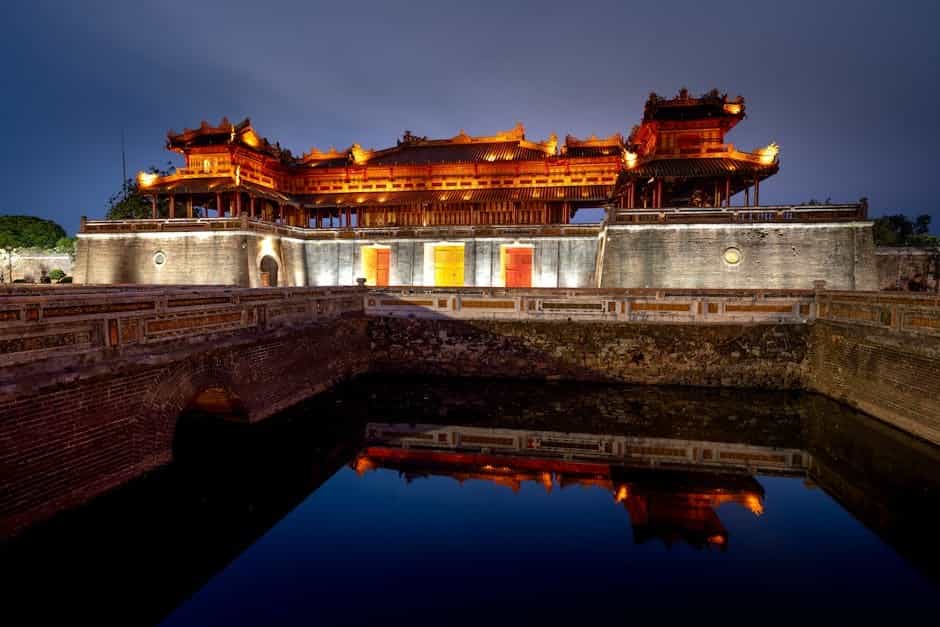
- Hoa Lu Ancient Capital (temples and historical ruins)
- Mua Cave (Hang Mua) viewpoint and dragon mountain
- Van Long Nature Reserve (wetland and wildlife sanctuary)
- Phat Diem Cathedral (unique stone-carved cathedral)
- Thung Nham Bird Garden and Orchid Garden
- Cuc Phuong National Park (primary rainforest, caves and primate rescue center)
Unique Aspects
- Dramatic karst limestone towers rising from flooded rice fields
- Scenic slow boat rides through caves and waterways
- Ancient temples and royal tombs with linkages to early Vietnamese dynasties
- Panoramic viewpoints accessed by carved stone stairways
- Biodiverse wetlands important for migratory birds and freshwater ecosystems
- Distinctive fusion architecture at Phat Diem Cathedral (Vietnamese and European elements)
Things to do
- Guided boat tours through Trang An and Tam Coc
- Climbing to the Mua Cave viewpoint for sunrise/sunset photos
- Cycling or motorbiking through scenic countryside and villages
- Visiting Hoa Lu temples and learning about early Vietnamese history
- Birdwatching and photography at Van Long and Thung Nham
- Cave exploration and trekking in Cuc Phuong National Park
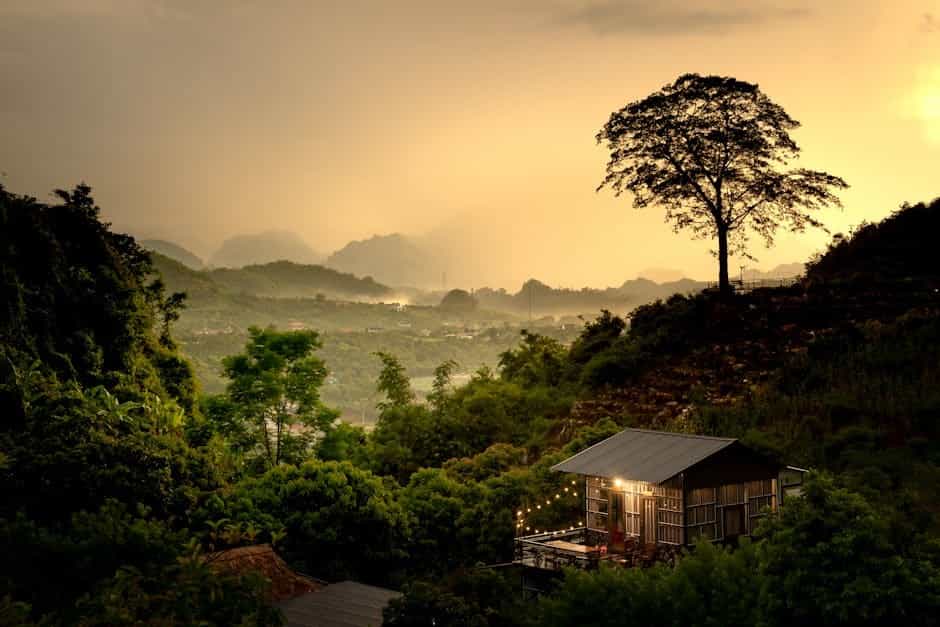
- Participating in local homestays and trying traditional Vietnamese rural cuisine
- Taking a guided tour of Phat Diem Cathedral and local crafts markets
Festivals & Events
- Hoa Lu Festival (annual celebrations honoring Dinh Tien Hoang and Le Dai Hanh, typically in spring)
- Traditional Tet (Lunar New Year) village festivities and worship rituals
- Local temple festivals and offerings tied to agricultural cycles
- Seasonal birdwatching peaks (winter migration periods)
Best Time to Visit
October to April (cooler, drier weather) for comfortable sightseeing and clearer skies; April to June offers lush green rice fields and fewer tourists. Avoid the peak rainy season (July–September) if you want to minimize heavy rainfall disruptions.
Weather Conditions
Subtropical climate with hot, humid summers (May–September) and cool, drier winters (November–March). Temperatures range roughly from 10°C (50°F) in winter to 35°C (95°F) in summer. Rainfall peaks during the monsoon months (June–August).
Accessibility
Ninh Binh is about 90–120 km south of Hanoi. Access options: train from Hanoi to Ninh Binh station (~2–2.5 hours), bus or shuttle (1.5–3 hours depending on service), or private car/motorbike. Within the province, many attractions are reachable by bicycle, motorbike, taxi, or local boat services. Some sites involve steep stair climbs (e.g., Mua Cave viewpoint) and uneven terrain; Cuc Phuong has trails that may be challenging for those with mobility issues.
Recommended Duration
2–4 days to cover main highlights (Trang An/Tam Coc, Hoa Lu, Mua Cave) comfortably; 4–7 days if including Cuc Phuong and extended nature or trekking activities.
Clothing & Gear Tips
Light, breathable clothing for warm months; layers and a light jacket for cooler winter mornings/evenings. Comfortable walking shoes, a hat, sunscreen, insect repellent, rain jacket or poncho during rainy season, and a small dry bag for boat rides.
Local Food & Souvenirs
Local foods to try: goat meat (a regional specialty), com chay (scorched rice), freshwater fish dishes, local rice and vegetable dishes, and street foods in markets. Souvenirs: handmade crafts, local textiles, lacquerware, and bottled local spices or specialty rice. Consider buying from homestays and local artisans to support communities.