Perfume Pagoda (Chua Huong), Vietnam
Perfume Pagoda (Chùa Hương) is one of Vietnam's most important pilgrimage complexes, blending natural karst scenery with deep-rooted Buddhist and folk traditions. Located on Huong Tich Mountain in My Duc district, Hanoi, the site has served as a spiritual center for centuries where pilgrims come to pray for luck, health and prosperity. The complex includes temples, grottoes and mountain paths carved into a limestone landscape, offering both religious and scenic value.
Last updated: 23 Oct 2025
Historic Anecdotes
Origins and legends: The name "Perfume Pagoda" is traditionally explained by the lingering scent of flowering trees and incense in the valley. Local legends describe Huong Tich Cave as a sacred grotto where gods and holy beings once gathered; many stories tell of miraculous events and answered prayers. Pilgrimage lore emphasizes the site's power to grant wishes, especially during the festival season.
Places to visit
- Huong Tich Cave (Grotto of Perfume) - the focal cave shrine inside the mountain, with stalactites and Buddhist altars.
- Chùa Trong (Inner Pagoda) - the main complex at the mountain base with several temples and shrines.
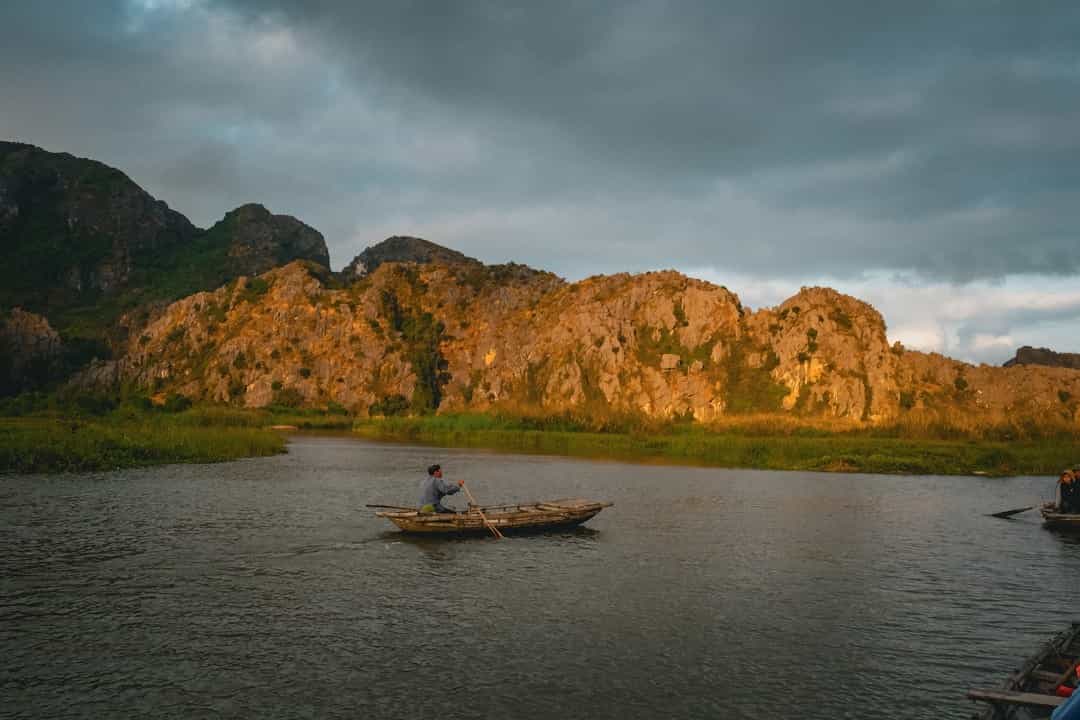
- Boat ride on the Yen Stream - scenic rowing or motor-boat journey through limestone valleys to the foot of the mountain.
- Den Trinh (Offering Hall) and Den Quan Am (Guanyin Hall) - important temple stops on the ascent.
- Cable car to the grotto (optional) - convenient alternative to the steep stair climb.
Unique Aspects
- Karst limestone scenery, caves and dense green valleys providing impressive natural panoramas.
- Traditional wooden rowing boats on a narrow, tranquil river framed by limestone cliffs.
- A mix of Buddhist architecture and natural grotto shrines carved within the mountain.
- A long-standing pilgrimage culture with processions, offerings and folk rituals.
Things to do
- Take a scenic boat ride along the Yen Stream to the temple complex.
- Hike or ride the cable car up to Huong Tich Cave and explore the grotto shrines.
- Participate respectfully in temple rituals: lighting incense, making offerings, and praying.
- Photography of karst landscapes, temple architecture and river scenes.
- Sample local food stalls near the docks and along the trail.
Festivals & Events
- Perfume Pagoda Festival - the festival season begins after Lunar New Year (Tet) and runs through the first months of the lunar calendar, peaking in the early days of the first lunar month. It is the busiest time with large pilgrim crowds, traditional performances and market activity.
- Smaller religious observances and local temple ceremonies throughout the year.
Best Time to Visit
Late January to April (Lunar New Year and spring festival season) for the cultural experience of pilgrimage; October to December for clearer weather and fewer crowds.
Weather Conditions
Subtropical climate: hot, humid summers with frequent rain; cool, mild winters. Festival season (spring) can be cool-to-mild but busy.
Entry Fees & Permits
Temples and the grotto are generally open daily from early morning to late afternoon (commonly ~06:00–17:00). There is no single standardized national ticket fee—expect to pay for the boat (round-trip), a small entrance fee to some temple areas or grotto, and optional cable car fares. Typical costs vary by operator and season; check current prices locally and keep small cash on hand.
Accessibility
About 60–80 km southwest of Hanoi city center (depending on route). Common access: drive or join a tour from Hanoi to the Huong Tich boat pier in My Duc district, then a boat ride up the Yen Stream to the temple area. Nearest major transport hub: Hanoi (Noi Bai Airport and central bus/train stations) with onward road transport to the dock. Paths include steps and uneven terrain—parts may be steep; cable car reduces climbing for those who prefer it.
Recommended Duration
Half-day to full-day for a visit if starting from Hanoi (an early start is recommended); 1–2 days if you want to go at a relaxed pace, visit surrounding temples or avoid crowds.
Clothing & Gear Tips
Wear comfortable walking shoes or sandals with good grip; dress modestly (shoulders and knees covered) when visiting temples. Bring a hat, sunscreen, insect repellent and a light rain jacket during the wet season. Carry small bills and waterproof bag for valuables.
Local Food & Souvenirs
Try local snacks and simple Vietnamese temple-area dishes sold by stalls near the pier and along the trail (sticky rice, grilled items and herbal drinks). Souvenirs include incense, prayer beads, religious amulets, and small handicrafts. Bargain politely for boat or guide services and compare prices.