Tra Su Cajuput Forest, Vietnam
Tra Su Cajuput Forest (Rừng Tràm Trà Sư) is a rare, well-preserved wetland forest in An Giang Province, Mekong Delta, Vietnam. It is ecologically significant as a seasonal flooded forest that supports a high diversity of birdlife, fish, and wetland plants, especially the cajuput (Melaleuca) trees. The forest plays an important role in local flood control, water purification, and as a breeding ground for aquatic species. Culturally, it reflects the traditional relationship between Mekong Delta communities and their waterways, with local livelihoods tied to fishing, rice farming, and eco-tourism.
Last updated: 23 Oct 2025
Places to visit
- Boat tours through shaded waterways and flooded forests
- Birdwatching platforms and observation points
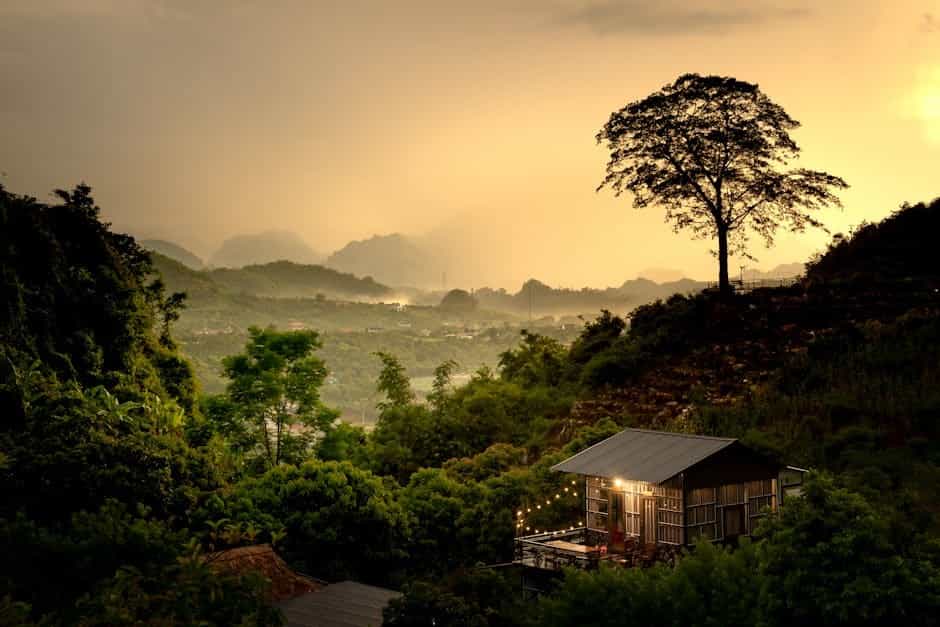
- Sunset and sunrise views over flooded cajuput stands
- Floating lotus and water lily blooms (seasonal)
- Tra Su ecotourism area with boardwalks and bamboo bridges
- Photography of reflections and misty forest scenes
Unique Aspects
- Extensive cajuput (Melaleuca) swamp forest adapted to seasonal flooding
- Rich bird diversity, including herons, storks, and migratory species
- Seasonal wetland transformation — dry season vs. inundated season landscapes
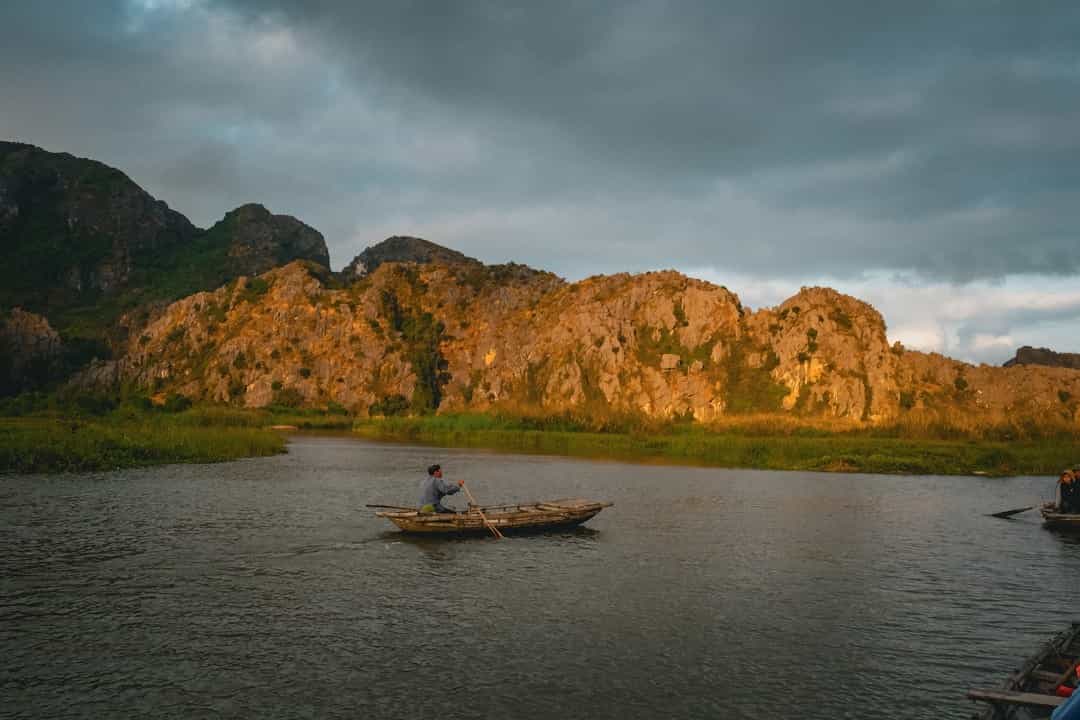
- Quiet, canoe- or sampan-access-only waterways preserving tranquility
- Traditional stilt-house villages and local fishing activities around the forest
Things to do
- Guided sampan/boat tours (often rowed by locals)
- Birdwatching and wildlife photography
- Walking short trails and bamboo boardwalks
- Guided eco-tours explaining the wetland ecosystem
- Picnicking near designated viewing areas
- Short cycling or motorbike trips around the outer areas
- Visiting nearby Tra Su village markets and local homestays
Best Time to Visit
August to November for peak flooding and lush green landscape; November to March for clearer skies and birdwatching (migratory season). Lotus blooms often appear around late summer to early autumn depending on water levels.
Weather Conditions
Tropical monsoon climate: hot and wet season (May–November) with heavy rains and flooding; dry season (December–April) cooler and drier but still warm. Temperatures typically range from 22–35°C (72–95°F).
Accessibility
Located about 30–40 km from Chau Doc and around 90–100 km from Can Tho by road. Access via motorbike, car, or tour bus; last stretch often requires small boat transfer. Nearest major transport hubs: Chau Doc (by bus from Ho Chi Minh City or Can Tho), Can Tho International Airport (~70–100 km). Boat rides are necessary within the forest; not wheelchair friendly beyond limited boardwalks.
Recommended Duration
Half-day (3–4 hours) for a boat tour; full-day recommended if combining with nearby attractions (e.g., Sam Mountain, Tra Su village); overnight stay in Chau Doc for early morning visits.
Clothing & Gear Tips
Lightweight, quick-dry clothing; hat and sunscreen; insect repellent; waterproof shoes or sandals; light rain jacket during wet season; binoculars and camera with zoom lens for birdwatching; small dry bag for valuables.
Local Food & Souvenirs
Fresh Mekong fish dishes, grilled river prawns, local rice specialties, and sweet desserts made from tropical fruits. Souvenirs include handwoven mats, local honey, and small cajuput-based products (aromatherapy oils or soaps). Support local guides and community-run homestays for authentic experiences.