Trang An Landscape Complex, Vietnam
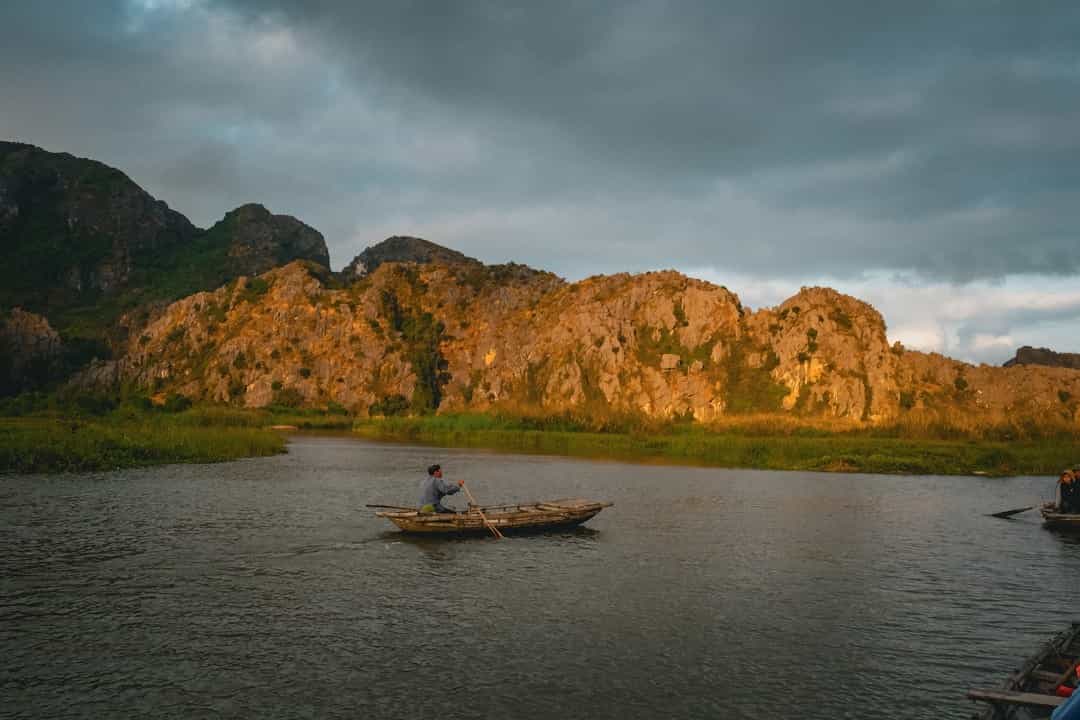
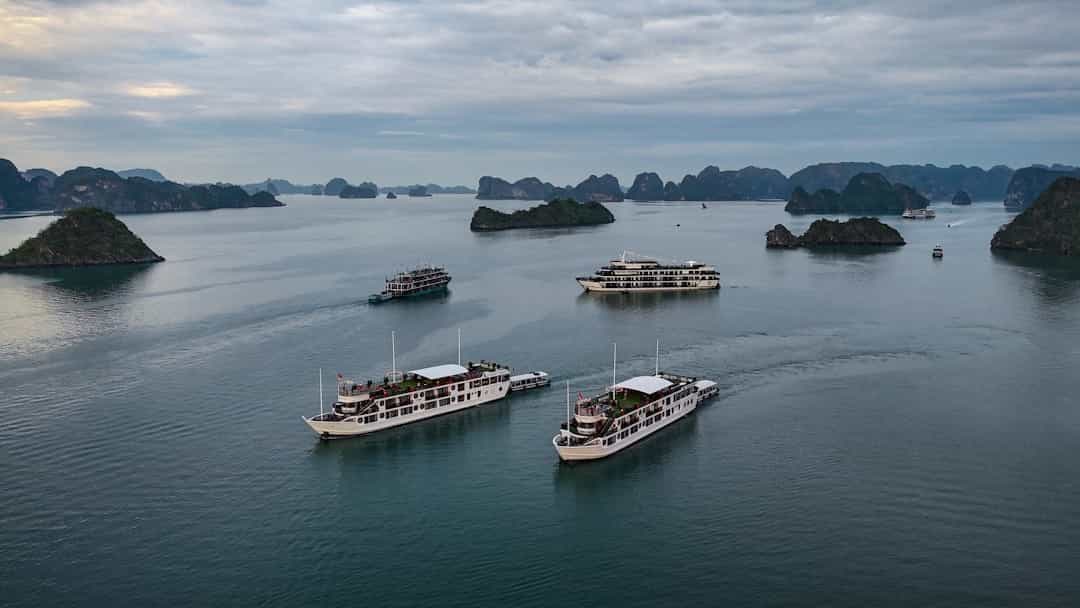
Trang An Landscape Complex (Ninh Binh province) is a UNESCO World Heritage Site (inscribed in 2014) that combines outstanding natural karst landscapes with Vietnam's historical and cultural heritage. The area includes limestone karst peaks, winding rivers, caves, wetlands and rice paddies, and it conserves biodiversity and unique geomorphological features. It also incorporates Hoa Lu, the ancient capital of Vietnam (10th–11th centuries), with its royal temples and historical relics, linking natural beauty to Vietnam's early centralized state history.
Last updated: 23 Oct 2025
Historic Anecdotes
Local legends speak of dragons shaping the karst landscape and waterways; 'Trang An' translates roughly to 'peaceful landscape', reflecting tales of ancient kings and monks who sought spiritual refuge here. Hoa Lu itself is associated with the legend of King Dinh Tien Hoang and King Le Dai Hanh — rulers whose temples and annual festivals continue to be culturally significant.
Places to visit
- Trang An boat grottoes and cave network (scenic boat tours)
- Hoa Lu Ancient Capital (Dinh and Le temples)
- Tam Coc and Bich Dong (boat trips through rice paddies and caves)
- Mua Cave (Mua Peak) viewpoint and stair climb
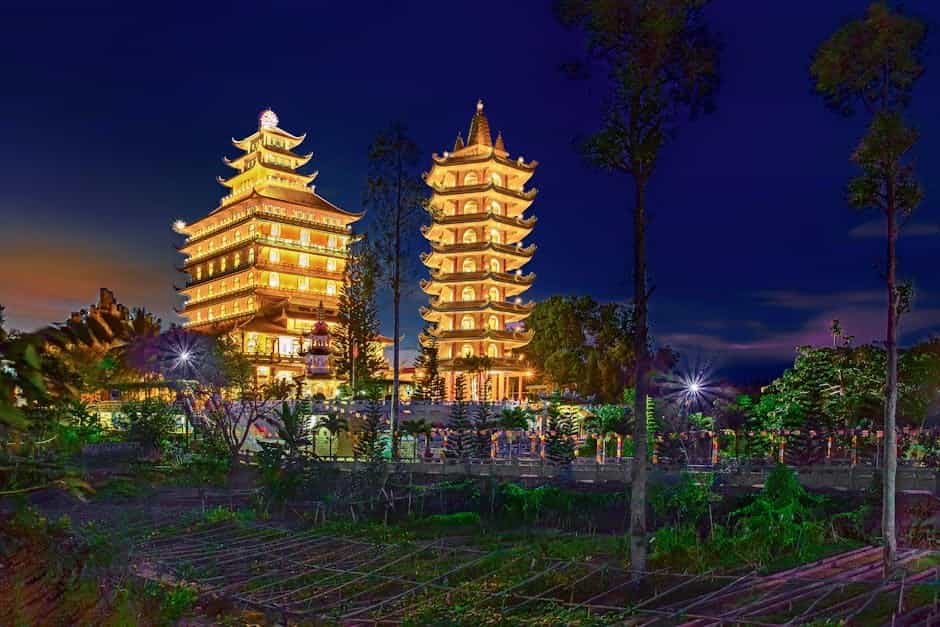
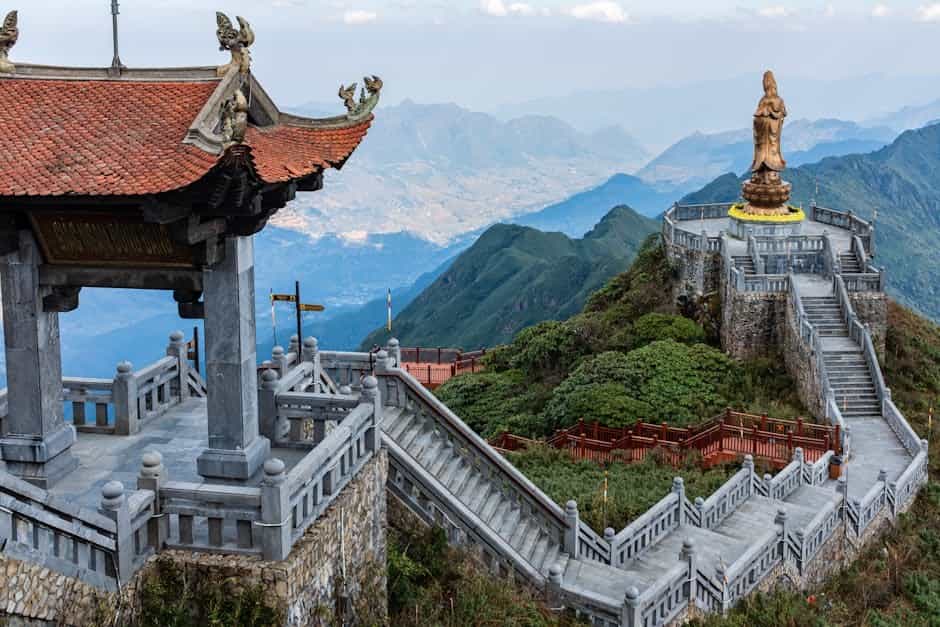
- Bai Dinh Pagoda complex (large Buddhist complex nearby)
- Kenh Ga/Thung Nang and other wetland habitats for birdwatching
Unique Aspects
- Towering limestone karst formations sculpted by river erosion
- Maze of navigable caves and grottoes accessible by traditional sampan
- Seasonal rice-paddy landscapes that create photogenic reflections
- Rich combination of cultural monuments (Hoa Lu temples) within a natural karst setting
- Diverse wetland ecosystems supporting migratory birds and aquatic life
Things to do
- Take a traditional rowed boat tour through the Trang An cave system (usually 1.5–3 hours depending on route)
- Visit Hoa Lu Ancient Capital and its royal temples with guided explanations of 10th–11th century history
- Cycle or motorbike through rural lanes and limestone scenery
- Hike up to the Mua Cave viewpoint for panoramic views of the Tam Coc valley (climb ~500 steps)
- Explore Bai Dinh Pagoda, attend ceremonies or simply admire its architecture
- Birdwatching and photography of karst towers, caves and rice fields
- Seasonal activities: witness rice-planting and harvest scenes; participate in local festivals
Festivals & Events
- Hoa Lu Festival (annual, around the 9th–11th day of the 3rd lunar month) honoring the ancient capital and kings
- Bai Dinh Pagoda festival and pilgrimage season (Tet and first months of the lunar year)
- Local agricultural festivals timed with planting/harvest seasons (dates vary by year)
Best Time to Visit
Best months: February–April (spring: mild weather, many festivals) and September–November (autumn: cooler, clearer skies). May–June offers lush green rice fields; avoid the peak monsoon months of July–August for heavy rain.
Weather Conditions
Subtropical climate with hot, humid summers (June–August), a rainy season in summer, and a cooler dry winter (November–February). Expect temperatures from ~10°C in winter to 35°C+ in summer; humidity can be high.
Entry Fees & Permits
Multiple sites with separate fees. Typical reference (subject to change): Trang An boat tours and site entry ~VND 200,000–300,000 per adult; Hoa Lu entry ~VND 20,000–50,000; Bai Dinh Pagoda may have free access to main areas but paid parking/boat/extra attractions apply. Most attractions open daily; common visiting hours ~07:00–17:00. Always check up-to-date local ticketing before travel.
Accessibility
Nearest major airport: Noi Bai International Airport (Hanoi), ~90–120 km by road (~2–2.5 hours). Nearest train station: Ninh Binh station (~7–10 km to Trang An area). Regular buses and tourist shuttles run from Hanoi to Ninh Binh. Roads are generally good; hire a car, motorbike, taxi or join a day tour from Hanoi for convenience.
Recommended Duration
Preferred stay: 1–2 days for a day-trip from Hanoi or an overnight visit to see Trang An, Tam Coc, Hoa Lu and Bai Dinh without rushing. A 2–3 day visit allows relaxed exploration and photography.
Clothing & Gear Tips
Bring lightweight breathable clothing, sunhat, sunglasses, sunscreen, insect repellent, rain jacket in wet season, comfortable shoes for climbing (Mua Cave) and walking, and modest attire for temple visits (cover shoulders and knees).
Local Food & Souvenirs
Local specialties: Ninh Binh goat (dê núi), 'cơm cháy' (crispy rice), river prawns and local vegetarian dishes at pagoda eateries. Souvenirs: local handicrafts, embroidered items, dried fruit, and small Buddhist amulets from temple shops.