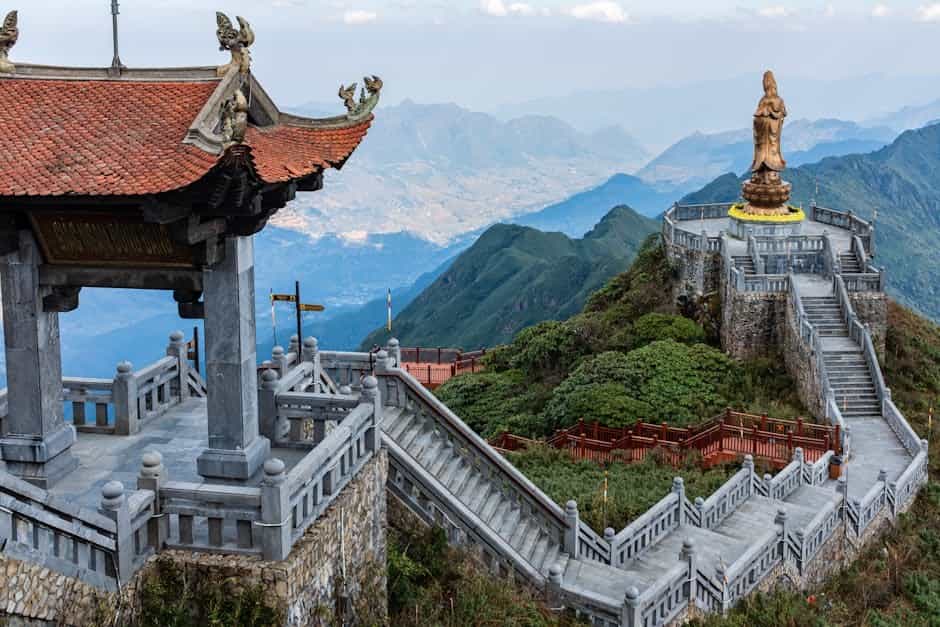
Yen Tu Mountain, Vietnam
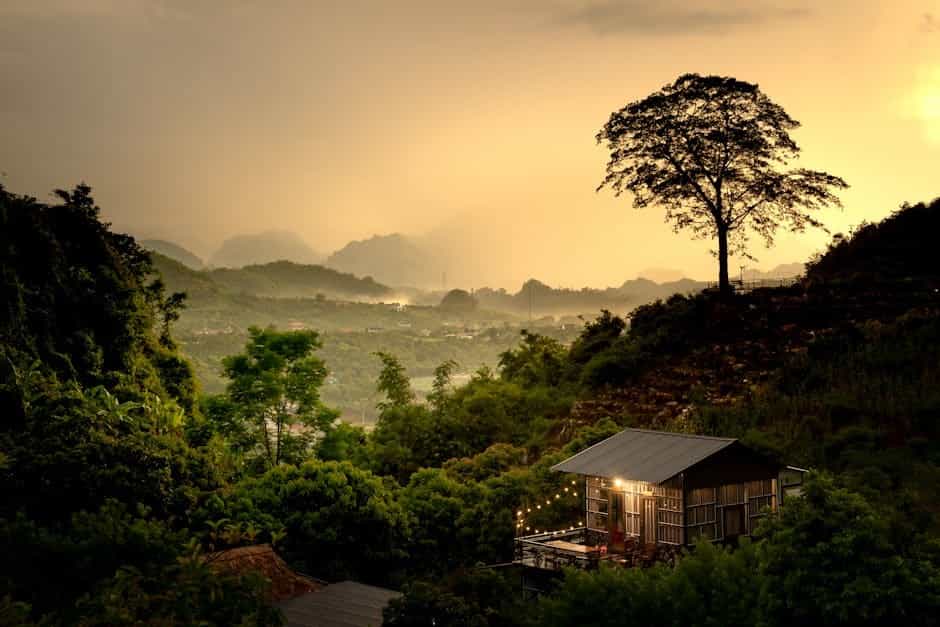
Yên Tử (Yen Tu Mountain) is the cradle of Vietnamese Zen Buddhism (Trúc Lâm) and one of Vietnam's most important spiritual and cultural landmarks. It was the retreat and final resting place of Emperor Trần Nhân Tông, who abdicated the throne in the 13th century to become a monk and founded the Trúc Lâm Zen school. The mountain range combines cultural heritage—centuries-old pagodas, temples and stone stairways—with rich natural scenery of forests, peaks and waterfalls, making it significant both historically and ecologically.
Last updated: 23 Oct 2025
Places to visit
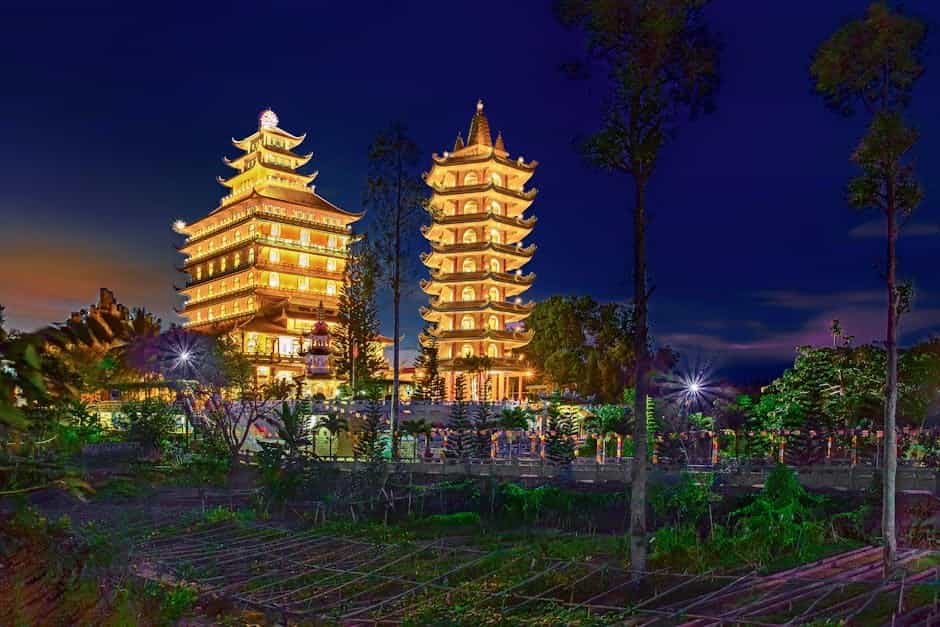
- Trúc Lâm Yên Tử Zen Monastery complex
- Đông Pagoda (Dong Pagoda) and Hoa Yen Pagoda
- The summit area with Buddha statues and memorials to Trần Nhân Tông
- Ancient stone stairways and forested pilgrimage trails
- Cable car lines offering panoramic views
Unique Aspects
- A long, scenic pilgrimage route ascending the mountain passing dozens of temples and shrines
- Mix of cultural architecture and preserved natural forest ecosystem
- Seasonal sea of clouds and cool mountain climate that contrasts with nearby lowlands
- Traditional ritual atmosphere during the Yên Tử Spring Festival
Things to do
- Pilgrimage walks and hiking along historic stone steps and forest trails
- Taking the cable car for easier access and panoramic photography
- Visiting temples and learning about Trúc Lâm Zen history
- Meditation, prayer and participating in temple rituals
- Nature watching, birding and enjoying mountain viewpoints
Best Time to Visit
Late winter to spring (the lunar new year period) is the most culturally active time because of the Yên Tử Festival; spring and autumn offer pleasant weather and clearer skies for hiking and viewpoints.
Weather Conditions
Mountain climate is cooler and often misty compared with the lowlands. Expect cool, damp mornings with warming afternoons in spring and autumn; rain is more frequent in summer.
Accessibility
Base access is typically from Uông Bí city (Quảng Ninh province) or nearby Ha Long. From Hanoi it's commonly a 2–3 hour drive depending on traffic. Public buses and private transfers run from major nearby cities; there are cable cars and many hiking routes from the base up the mountain.
Recommended Duration
Half-day to a full day if using the cable car; 1–2 days to fully explore the temple complex, hike higher trails, and attend festival activities.
Clothing & Gear Tips
Comfortable hiking shoes, layered clothing (it can be much cooler at altitude), rain jacket or poncho (seasonal showers), hat and water. Bring modest clothing for temple visits and a small pack for offerings or personal items.
Local Food & Souvenirs
Try regional northern Vietnamese dishes and street snacks in nearby towns; common souvenirs include incense, Buddhist amulets, wood carvings, prayer beads and local handicrafts. Due to proximity to Ha Long Bay, fresh seafood is also widely available in the region.