11 Essential Cultural Experiences You Can't Miss in Hong Kong
Hong Kong is far more than towering skyscrapers and bustling financial districts. This vibrant metropolis pulses with a unique cultural heartbeat that blends East meets West in the most fascinating ways. From ancient temples shrouded in incense smoke to traditional tea houses tucked between modern shopping malls, Hong Kong offers cultural experiences that will leave you spellbound.
Whether you're a first-time visitor or returning traveler, understanding Hong Kong's cultural soul requires diving deep beyond the surface attractions. Let's explore the authentic experiences that showcase this city's remarkable heritage and living traditions.
Traditional Temples: Windows to Hong Kong's Spiritual Heart
Man Mo Temple on Hollywood Road
Step into the Man Mo Temple and you'll be transported to another world. The air thick with sandalwood incense, massive coil incenses hanging from the ceiling like golden spirals, and the gentle chanting of prayers create an almost mystical atmosphere. This 150-year-old temple dedicated to the gods of literature and war offers a peaceful respite from the city's chaos.
Insider tip: Visit early morning (around 8 AM) for the most authentic experience when locals come to pray before work.
Wong Tai Sin Temple
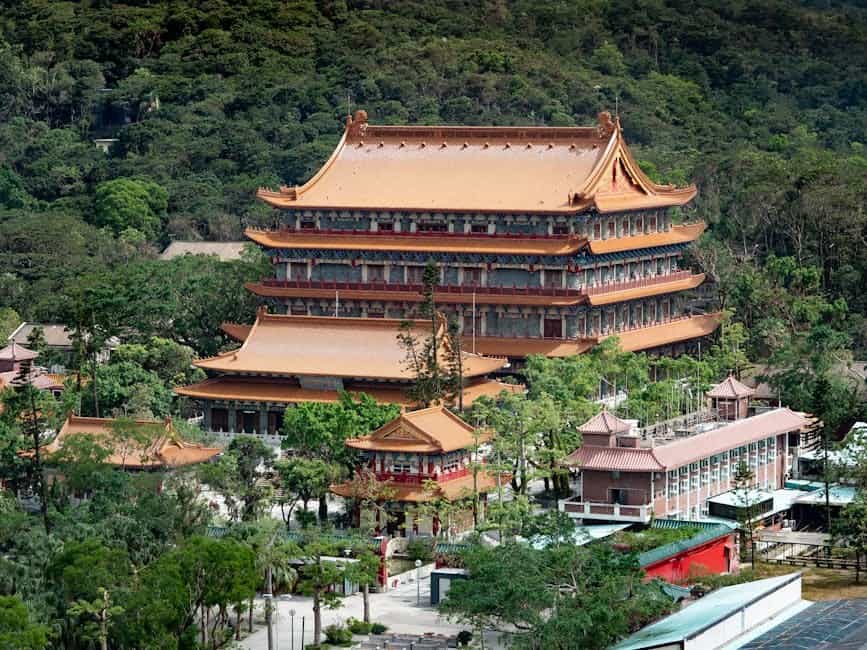
Famous for granting wishes, especially those related to fortune and health, Wong Tai Sin Temple attracts thousands of worshippers daily. The colorful Taoist temple showcases traditional Chinese architecture with its red pillars, golden roof, and intricate decorations.
Pro tip: Bring your own joss sticks (incense) – they're much cheaper from street vendors outside than inside the temple.
Culinary Adventures: Taste Hong Kong's Soul
Dim Sum Culture
No Hong Kong cultural experience is complete without yum cha (drinking tea) – the traditional dim sum brunch. Head to Maxim's Palace in City Hall or Lin Heung Tea House for an authentic experience where trolleys roll by with steaming bamboo baskets.
Must-try dishes:
- Har gow (shrimp dumplings)
- Siu mai (pork and shrimp dumplings)
- Char siu bao (barbecue pork buns)
- Egg tarts
Street Food Markets
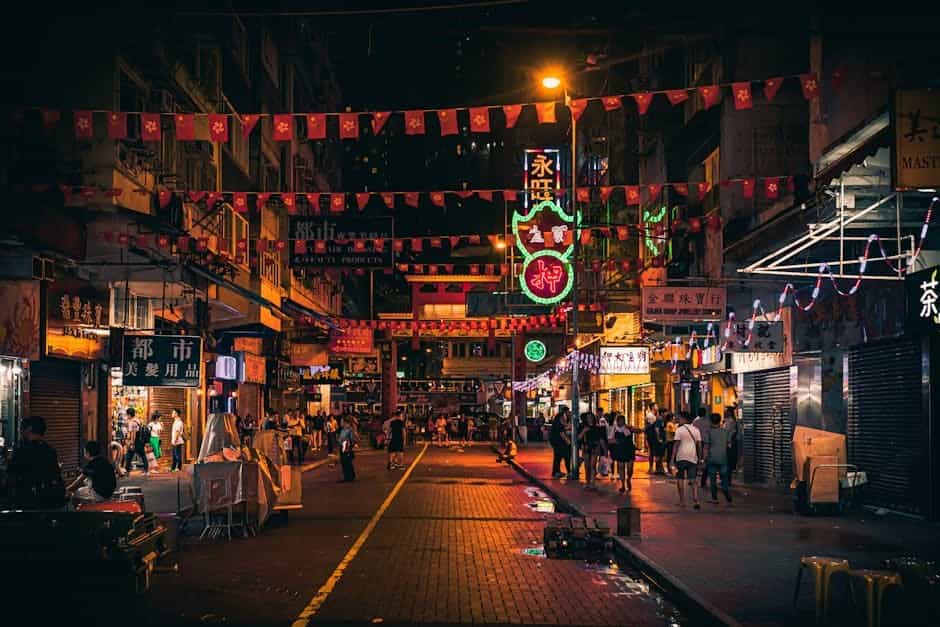
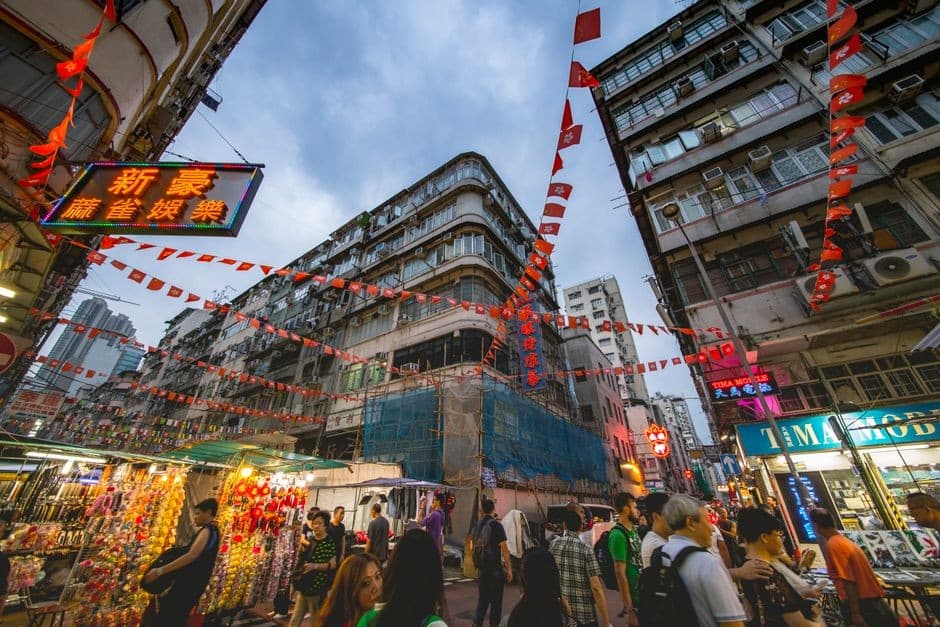
Temple Street Night Market transforms into a food paradise after sunset. Sample curry fish balls, stinky tofu, and egg waffles while soaking in the vibrant atmosphere of fortune tellers and street musicians.
For a more local experience, explore Sham Shui Po's street food scene, where you'll find the best cart noodles and traditional snacks at incredibly affordable prices.
Living Heritage: Traditional Neighborhoods
Tai Kwun Heritage and Arts Complex
This beautifully restored former Central Police Station now serves as a cultural hub showcasing Hong Kong's colonial history. The complex regularly hosts art exhibitions, performances, and cultural events that bridge the city's past and present. Explore Tai Kwun – Centre for Heritage and Arts to plan your visit.
Old Town Central
Wander through the narrow streets of Central's historic quarter where century-old buildings house traditional shops selling Chinese medicine, calligraphy supplies, and antiques. Man Wa Lane is famous for its traditional Chinese seal carving shops.
Festivals and Celebrations
Chinese New Year
Experience Hong Kong during Chinese New Year (January/February) for the ultimate cultural immersion. The city transforms with:
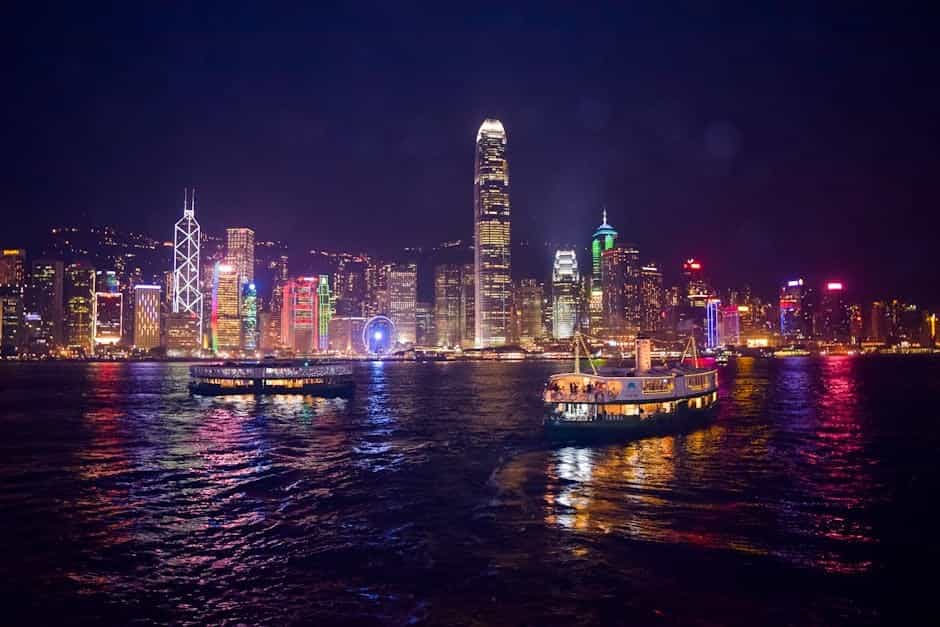
- Spectacular fireworks over Victoria Harbour
- Traditional lion and dragon dances
- Flower markets in every district
- Red decorations adorning every building
Mid-Autumn Festival
The Mid-Autumn Festival (September/October) brings families together for mooncake sharing and lantern displays. Victoria Park hosts the most impressive lantern exhibition, while beaches come alive with families enjoying the full moon.
Bun Festival on Cheung Chau Island
This unique Taoist festival (April/May) features towering bamboo towers covered in steamed buns, traditional lion dances, and "floating children" parades. It's a fascinating glimpse into Hong Kong's folk traditions. Plan your visit with the Cheung Chau island day trip guide.
Arts and Crafts: Preserving Traditional Skills
Cantonese Opera
Catch a Cantonese opera performance at the Sunbeam Theatre or during temple festivals. The elaborate costumes, dramatic makeup, and distinctive singing style represent centuries of Chinese theatrical tradition.
Traditional Crafts in Sham Shui Po
Explore Sham Shui Po's traditional craft shops where artisans still practice:
- Mahjong tile carving
- Traditional Chinese clothing making
- Vintage button and fabric trading
- Hand-painted signage creation
Tea Culture: The Art of Slow Living
Traditional Tea Houses
Visit Luk Yu Tea House (established 1933) for an authentic tea culture experience. The art deco interior, traditional wooden furniture, and ceremonial tea service offer a glimpse into Hong Kong's refined tea traditions.
Tea etiquette tip: Tap your fingers on the table twice to thank someone for pouring your tea – a gesture rooted in Qing Dynasty customs.
Markets: Cultural Melting Pots
Wet Markets
Explore traditional wet markets like Graham Street Market or Wan Chai Market to witness daily life unchanged for generations. These bustling markets showcase Hong Kong's food culture, from live seafood to exotic fruits and traditional Chinese vegetables.
Ladies' Market and Jade Market
While touristy, these markets offer cultural insights into Hong Kong's trading heritage and the importance of jade in Chinese culture. Practice your bargaining skills – it's part of the cultural experience!
Practical Cultural Tips for Visitors
Respect and Etiquette
- Remove shoes when entering temples
- Don't point with a single finger; use an open hand
- Accept business cards with both hands
- Stand right, walk left on escalators
Best Times to Experience Culture
- Early mornings for temple visits and traditional markets
- Evenings for night markets and street food
- Weekends for family-oriented cultural activities
Language Tips
- Learn basic Cantonese greetings: "Jo san" (good morning), "M goi" (thank you)
- Most signs are in Traditional Chinese and English
- Older generations may speak limited English, but younger people are generally fluent
Transportation for Cultural Exploration
- MTR (subway): Efficient for reaching major cultural sites
- Trams: Slow but scenic way to explore Hong Kong Island's cultural neighborhoods
- Star Ferry: Historic ferry service offering cultural value beyond transportation
- Walking: Many cultural sites in Central and Sheung Wan are within walking distance
Conclusion: Embracing Hong Kong's Cultural Tapestry
Hong Kong's cultural richness lies in its ability to honor traditions while embracing modernity. From the spiritual tranquility of ancient temples to the energetic chaos of street markets, every experience offers insights into this remarkable city's soul.
Your cultural journey should include:
- At least two temple visits for spiritual insight
- Multiple dim sum experiences in different settings
- One traditional festival or cultural performance
- Exploration of both tourist markets and local neighborhoods
- Engagement with tea culture and traditional crafts
Remember, the most meaningful cultural experiences often happen when you slow down, observe, and interact respectfully with locals. Hong Kong rewards curious travelers who venture beyond the obvious attractions to discover the authentic stories, traditions, and flavors that make this city truly extraordinary.
Start planning your cultural adventure today – Hong Kong's rich heritage awaits your discovery!
Leave a Comment
Explore Hong Kong
Ready to plan your trip? Check out our complete travel guide and packages.