Rajasthan Climate Guide: Weather Throughout the Year Explained
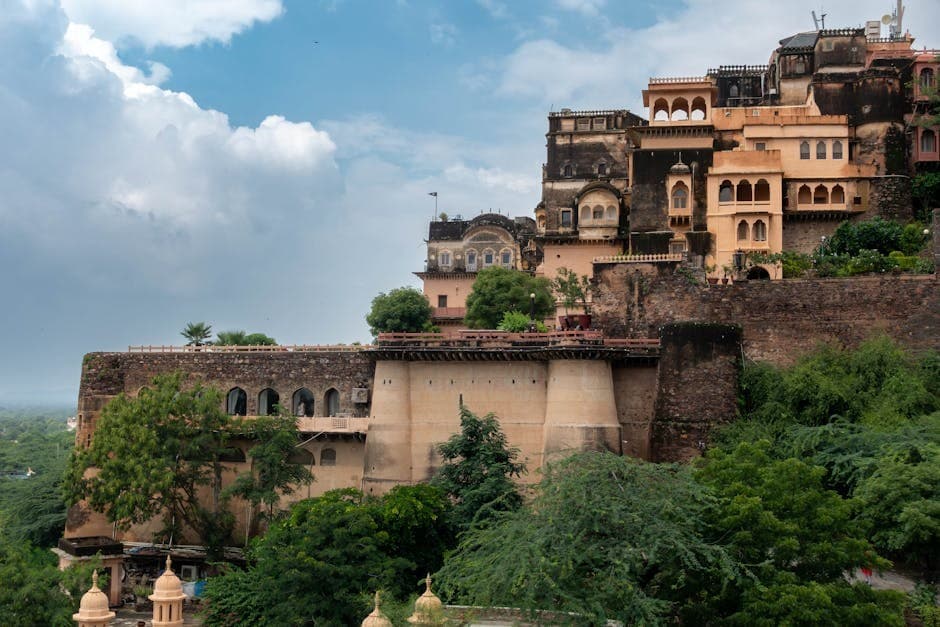
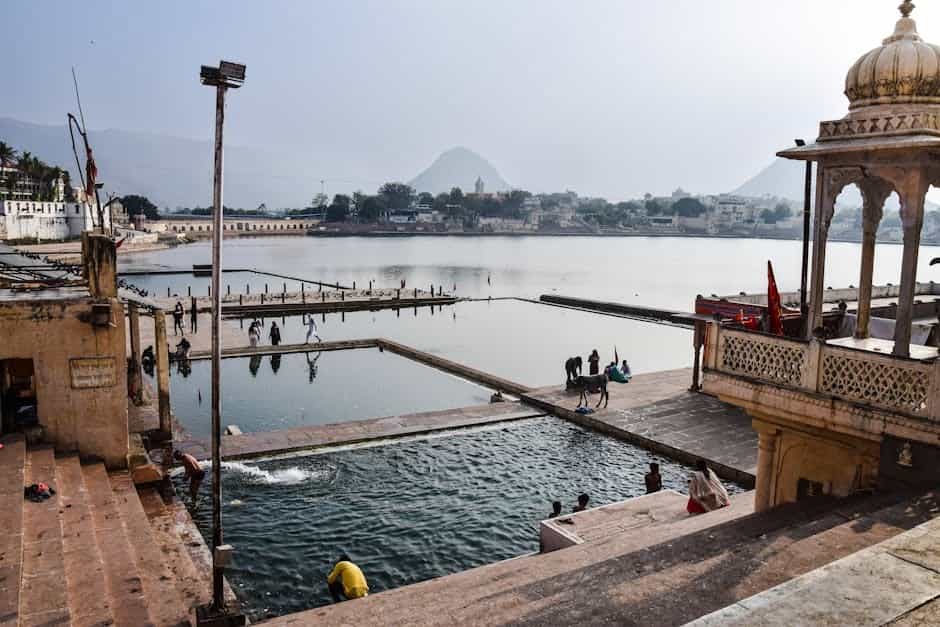
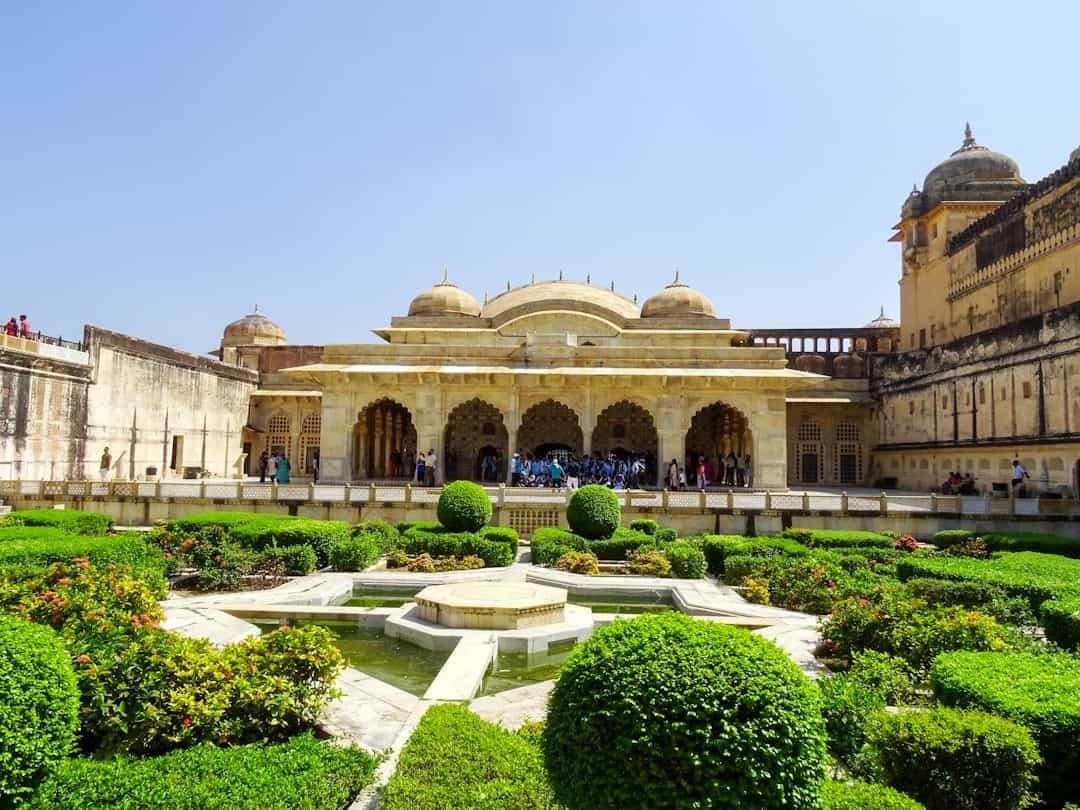
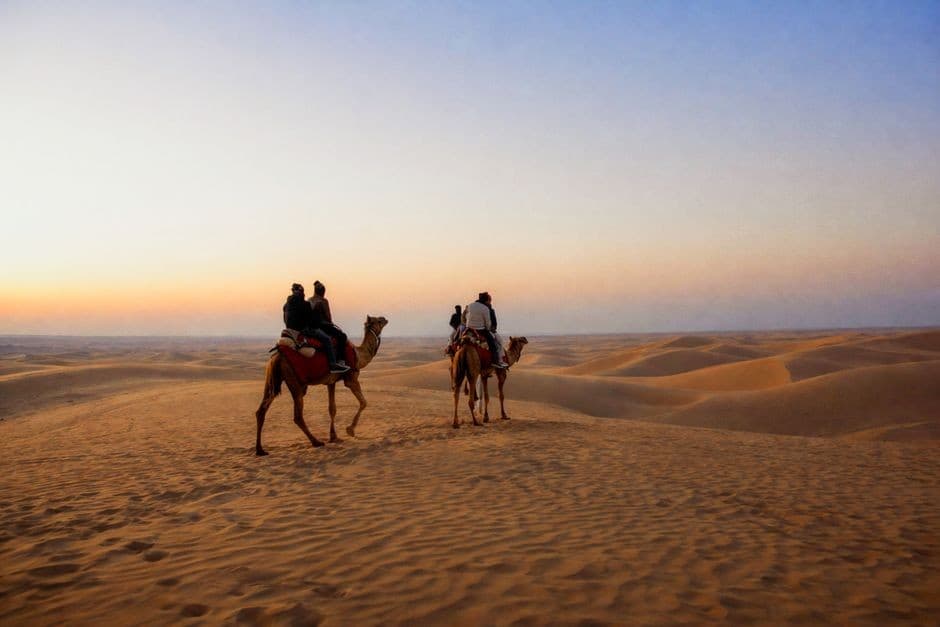
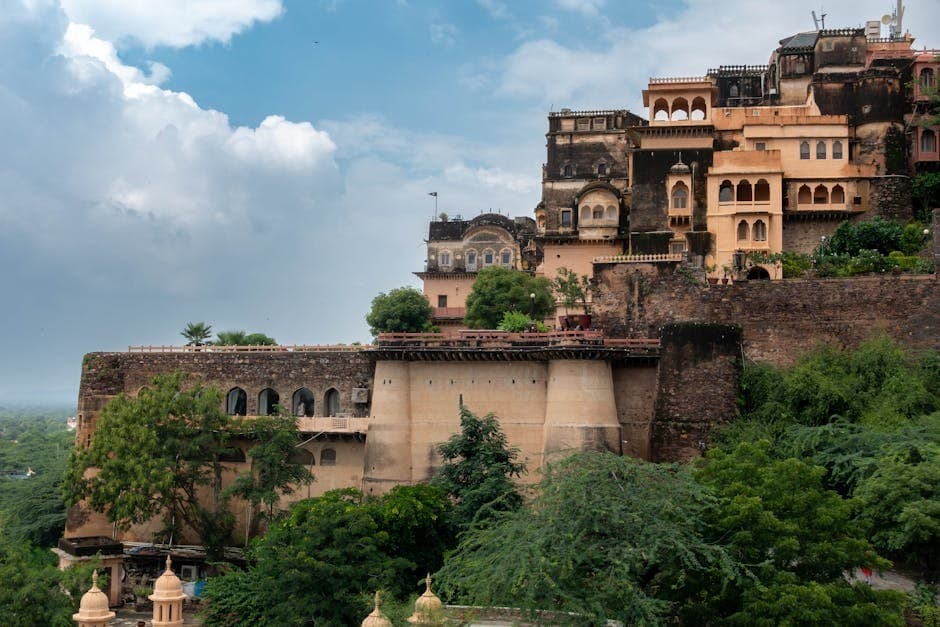
Picture this: golden sand dunes stretching endlessly under a blazing sun, magnificent forts emerging from the morning mist, and vibrant festivals celebrating the arrival of monsoon rains. Welcome to Rajasthan—India's largest state and a land where weather shapes not just the landscape, but the very soul of its culture.
If you're planning a trip to this enchanting desert kingdom, understanding Rajasthan's climate is absolutely essential. Trust me, I learned this the hard way during my first visit when I packed only cotton clothes for a December trip and found myself shivering through chilly desert nights!
Let me walk you through everything you need to know about Rajasthan's weather patterns throughout the year, so you can plan the perfect adventure.
Understanding Rajasthan's Unique Geography and Climate
Before we dive into the seasonal breakdown, it's important to understand why Rajasthan has such a distinctive climate. The state sits in northwestern India, with the mighty Thar Desert covering nearly 60% of its territory. This geographical positioning creates a semi-arid to arid climate that's characterized by extreme temperatures, low rainfall, and significant day-night temperature variations.
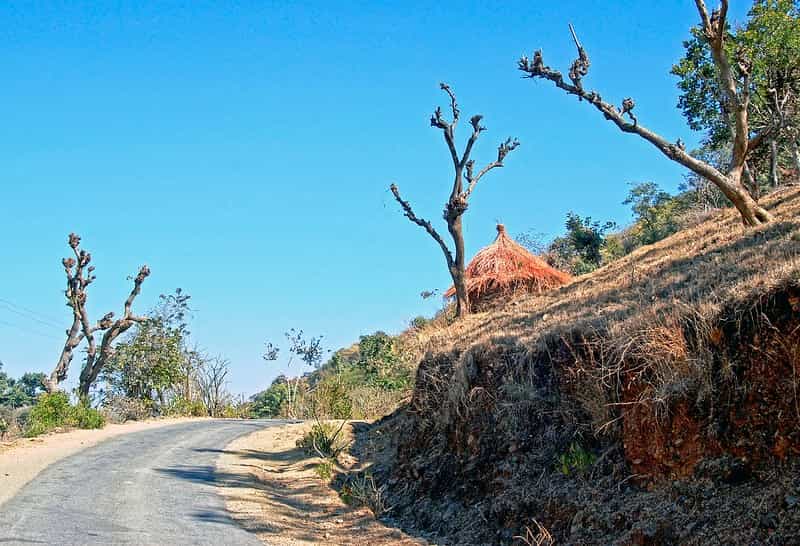
The Aravalli Range, one of the world's oldest mountain chains, runs through the state and creates an interesting weather divide. Areas west of the Aravallis experience true desert conditions, while the eastern regions enjoy slightly more moderate weather and higher rainfall.
Season-by-Season Climate Breakdown
Winter Season (October to February)
Temperature Range: 5°C to 25°C (41°F to 77°F)
Winter is undoubtedly the golden period for visiting Rajasthan, and for good reason. The scorching heat retreats, leaving behind pleasant days perfect for exploring the state's magnificent heritage.
- October-November: Post-monsoon freshness with temperatures around 15-28°C
- December-January: The coldest months, with nights dropping to 5-8°C in desert areas
- February: Gradual warming begins, still comfortable for sightseeing
Insider Tip: Don't underestimate the desert cold! Jaisalmer and Bikaner can experience near-freezing temperatures at night during December and January. Pack layers, including a warm jacket for evening camel safaris and early morning fort visits.
During winter, you'll experience:
- Crystal-clear blue skies ideal for photography
- Comfortable humidity levels (20-40%)
- Occasional fog in eastern regions like Jaipur and Bharatpur
- Perfect conditions for wildlife spotting at Ranthambore National Park and Sariska Tiger Reserve
Summer Season (March to June)
Temperature Range: 25°C to 48°C (77°F to 118°F)
Ah, the Rajasthani summer—not for the faint-hearted! This is when the desert truly lives up to its reputation. The heat can be absolutely relentless, with temperatures in cities like Bikaner, Jaisalmer, and Barmer regularly crossing 45°C.
Monthly Progression:
- March: Pleasant mornings and evenings, hot afternoons (25-35°C)
- April: Heat intensifies significantly (30-40°C)
- May-June: Peak summer with extreme heat (38-48°C)
The infamous "loo"—hot, dry winds—sweep across the desert during May and June, making outdoor activities during midday nearly impossible. Dust storms are common and can reduce visibility dramatically.
Practical Tip: If you must visit during summer, plan your sightseeing for early mornings (before 9 AM) and evenings (after 5 PM). The midday hours are best spent in air-conditioned museums, hotels, or taking traditional afternoon siestas like the locals.
Summer survival essentials:
- High SPF sunscreen and wide-brimmed hats
- Light, loose cotton clothing in light colors
- Reusable water bottle (stay hydrated!)
- Sunglasses and a scarf for dust protection
Monsoon Season (July to September)
Temperature Range: 25°C to 35°C (77°F to 95°F)
The monsoon transforms Rajasthan in the most magical way. While the state receives relatively low rainfall compared to other Indian regions (average 300-650mm annually), these precious rains bring the desert to life.
What to expect:
- July: Monsoon arrives, bringing relief from extreme heat
- August: Peak rainfall month with occasional heavy showers
- September: Retreating monsoon with intermittent rain
The landscape undergoes a remarkable transformation—brown desert terrain turns surprisingly green, peacocks dance in the rain, and ancient step-wells fill with water. It's a photographer's paradise that few tourists get to witness.
Hidden Gem: The Teej or Gangaur festival celebrations celebrated during monsoon is one of Rajasthan's most vibrant celebrations. Women dress in green, swings are hung from trees, and the entire state celebrates the arrival of the rains. Jaipur's Teej procession is particularly spectacular.
Monsoon considerations:
- Humidity levels spike to 70-90%
- Some desert safari operations may be limited
- Roads in remote areas can become challenging
- Hotel rates are significantly lower (great for budget travelers!)
Regional Climate Variations Within Rajasthan
Rajasthan is vast, and climate conditions vary significantly across regions:
Western Rajasthan (Jaisalmer, Barmer, Bikaner)
- Hottest and driest region
- Extreme temperature variations between day and night
- Annual rainfall: Less than 300mm
- Best visited: November to February
Eastern Rajasthan (Jaipur, Bharatpur, Alwar)
- Relatively moderate climate
- Higher humidity and rainfall
- Annual rainfall: 500-650mm
- Best visited: October to March
Southern Rajasthan (Udaipur, Mount Abu)
- Most pleasant climate in the state
- Mount Abu offers cool hill station weather
- Higher rainfall due to Aravalli influence
- Best visited: Year-round (except peak summer)
Best time to visit Rajasthan: The Verdict
| Purpose of Visit | Best Months | Why |
|---|---|---|
| General sightseeing | October-February | Pleasant weather, clear skies |
| Wildlife safaris | October-April | Animals visible near water sources |
| Desert camping | November-February | Cool nights, comfortable days |
| Photography | November-December | Golden light, minimal haze |
| Budget travel | July-September | Off-season rates, fewer crowds |
| Festivals | October-March | Major celebrations occur |
Packing Recommendations by Season
Winter Packing List
- Layered clothing (temperatures vary throughout the day)
- Warm jacket or shawl for evenings
- Comfortable walking shoes
- Light scarf for temple visits
Summer Packing List
- Lightweight, breathable cotton clothes
- Strong sunscreen (SPF 50+)
- Electrolyte supplements
- Portable fan or cooling towel
Monsoon Packing List
- Quick-dry clothing
- Waterproof bag covers
- Umbrella and light raincoat
- Insect repellent
Climate Change and Rajasthan's Evolving Weather
It's worth noting that Rajasthan's climate has been shifting in recent years. Locals report that summers are becoming hotter, monsoons more erratic, and winters shorter. The state has experienced both unprecedented heat waves and unseasonal rainfall. Always check current weather forecasts before your trip, as historical patterns may not always hold true.
Final Thoughts and Actionable Takeaways
Rajasthan's climate is as dramatic and diverse as its palaces and folklore. Here's your quick action plan:
- For first-time visitors: Plan your trip between November and February for the most comfortable experience
- Book accommodations with climate control—air conditioning in summer, heating in winter
- Stay flexible with your itinerary, especially during monsoon season
- Embrace the extremes—they're part of what makes Rajasthan unforgettable
- Consult local guides for real-time weather insights and hidden seasonal experiences
Whether you're watching the sunrise over Jaisalmer Fort (Sonar Quila)'s sand dunes on a crisp winter morning or experiencing the joy of the first monsoon rains in Udaipur, Rajasthan's climate adds another layer of magic to this already extraordinary destination.
Ready to plan your Rajasthan adventure? The desert is calling—you just need to choose your season!
Leave a Comment
Explore Rajasthan
Ready to plan your trip? Check out our complete travel guide and packages.