Thailand Health Guide: Essential Precautions for Safe Travel
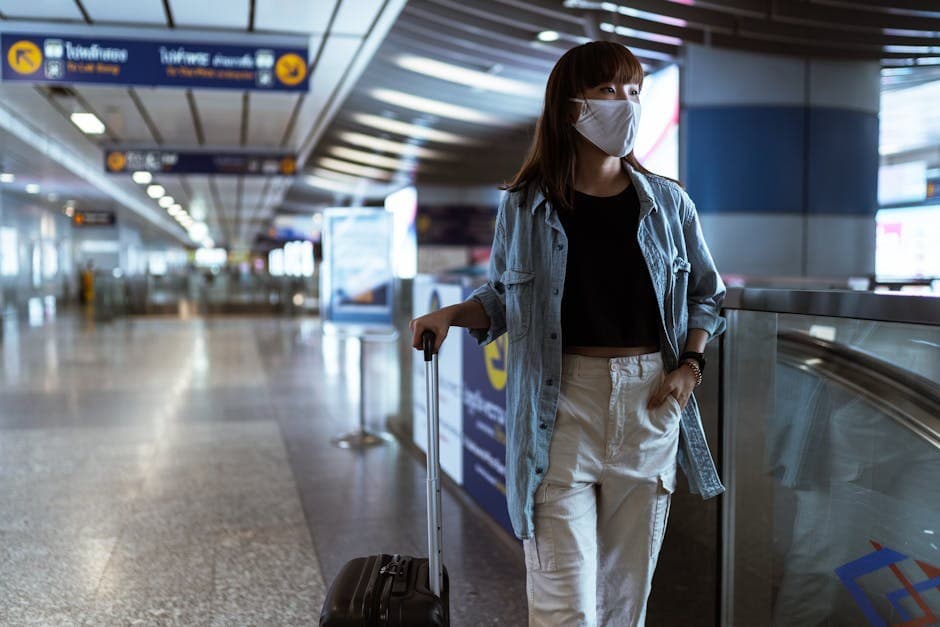
Picture this: you're finally boarding that long-awaited flight to Thailand, dreams of pristine beaches, bustling markets, and mouthwatering street food dancing in your head. But wait – have you prepared your body for this incredible adventure? While Thailand is generally a safe destination for travelers, taking the right health precautions can make the difference between an unforgettable vacation and a trip spent recovering in your hotel room.
Don't let health concerns dampen your excitement! With proper preparation and awareness, you can explore the Land of Smiles with confidence. Let's dive into everything you need to know to stay healthy during your Thai getaway.
Essential Vaccinations for Thailand Travel
Routine Vaccinations
Before considering exotic diseases, ensure your routine vaccinations are up to date. These include:
- Measles-Mumps-Rubella (MMR)
- Tetanus-Diphtheria-Pertussis
- Varicella (Chickenpox)
- Polio
- Annual flu shot
Recommended Travel Vaccinations
For Thailand specifically, the CDC recommends these additional vaccinations:
Hepatitis A and B: Essential for all travelers, as these can be contracted through contaminated food, water, or contact with infected individuals.
Typhoid: Particularly important if you plan to eat street food or visit rural areas where sanitation may be limited.
Japanese Encephalitis: Consider this if you're traveling during monsoon season (May-October) or spending extended time in rural areas, especially near rice paddies.
Rabies: Recommended for adventure travelers, those working with animals, or visiting remote areas where immediate medical care isn't available.
Malaria Considerations
While malaria risk is low in most tourist areas of Thailand, certain border regions with Cambodia, Laos, and Myanmar still pose risks. Consult your healthcare provider about antimalarial medication if visiting these areas.
Food and Water Safety: Your First Line of Defense
The Golden Rules of Eating in Thailand
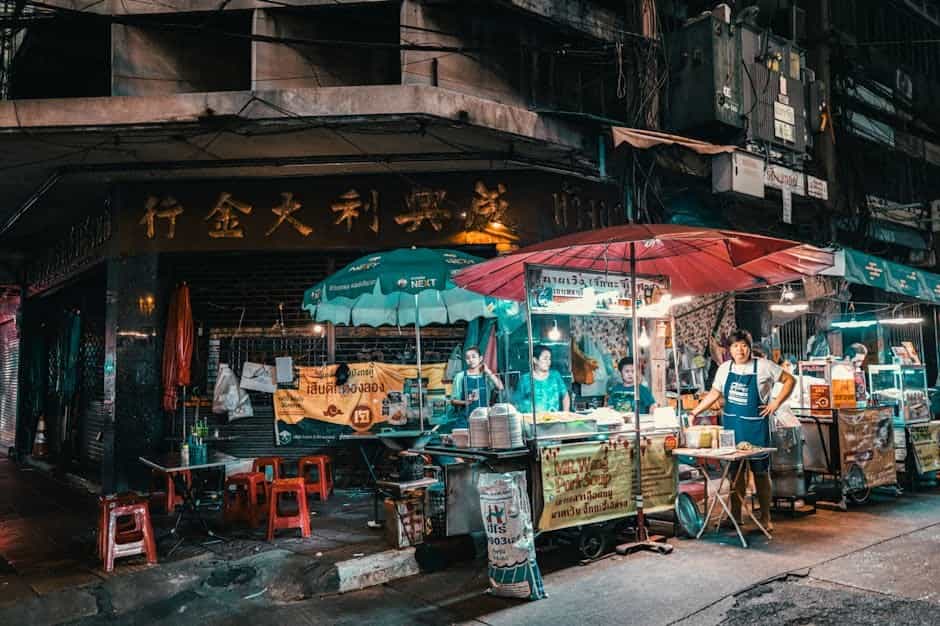
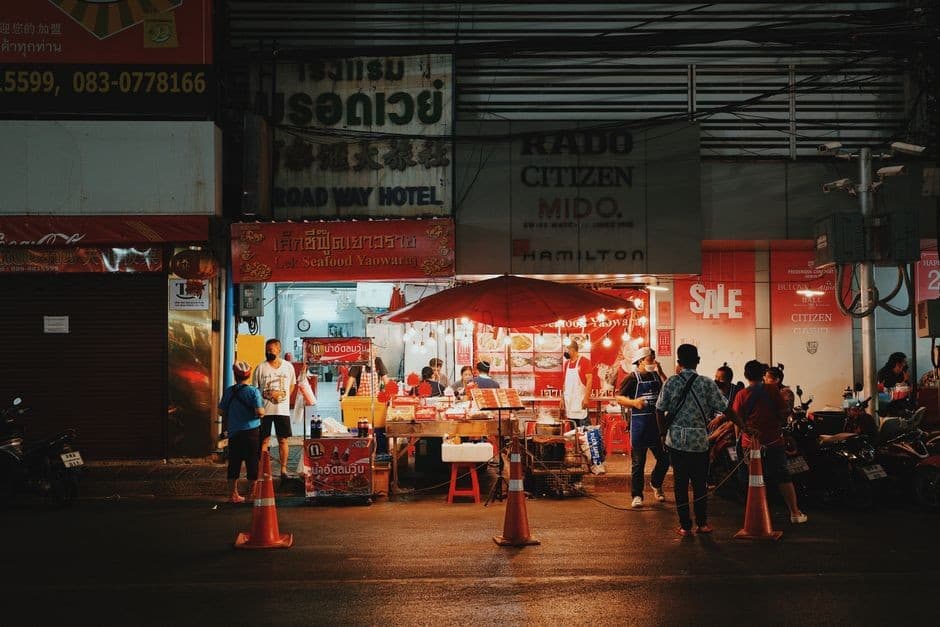
Thailand's street food scene is legendary, but following these guidelines will help you enjoy it safely:
Choose busy stalls: High turnover means fresher food. If locals are eating there, it's usually a good sign.
Eat hot, freshly cooked food: Avoid dishes that have been sitting out or lukewarm items.
Be cautious with raw foods: Skip raw vegetables, salads, and unpeeled fruits unless you can wash and peel them yourself.
Ice cream and dairy: Stick to well-known brands and avoid homemade dairy products.
Water Safety Tips
- Drink bottled water or use water purification tablets
- Avoid ice in drinks unless you're certain it's made from purified water
- Use bottled water for brushing teeth
- Skip tap water entirely, even in upscale hotels
Pro tip: Many accommodations provide complimentary bottled water – stock up!
Climate-Related Health Considerations
Heat and Humidity Management
Thailand's tropical climate can be challenging, especially for first-time visitors:
Stay hydrated: Drink water regularly, even if you don't feel thirsty. Coconut water is an excellent natural electrolyte replacement.
Dress appropriately: Light-colored, loose-fitting, breathable clothing helps regulate body temperature.
Take breaks: Seek air-conditioned spaces during the hottest parts of the day (11 AM - 3 PM).
Recognize heat exhaustion symptoms: Dizziness, nausea, rapid heartbeat, and excessive sweating require immediate attention.
Sun Protection Strategies
- Use SPF 30+ sunscreen and reapply every 2 hours
- Wear a wide-brimmed hat and UV-protective sunglasses
- Seek shade during peak sun hours
- Consider UV-protective clothing for extended outdoor activities
Insect-Borne Disease Prevention
Thailand's tropical environment means insects are part of the landscape. Here's how to protect yourself:
Mosquito Protection
Use effective repellent: Products containing DEET (20-30%), picaridin, or oil of lemon eucalyptus work best.
Cover up at dawn and dusk: When mosquitoes are most active, wear long sleeves and pants.
Sleep protected: Use air conditioning when possible, or sleep under mosquito nets treated with permethrin.
Eliminate standing water: Don't leave containers with stagnant water around your accommodation.
Other Insects to Watch
- Sandflies: Common on beaches, especially during dawn/dusk
- Ticks: Risk in forested areas; check your body after hiking
- Leeches: Found in jungle areas during wet season
Medical Care and Insurance in Thailand
Healthcare Quality
Thailand offers excellent medical care, particularly in Bangkok and major tourist destinations. Many hospitals cater specifically to international patients with English-speaking staff.
Top-rated hospitals include:
- Bumrungrad International Hospital (Bangkok)
- Bangkok Hospital (multiple locations)
- Samitivej Hospital (Bangkok)
Travel Insurance Essentials
Never travel without comprehensive travel insurance. Ensure your policy covers:
- Medical emergencies and hospitalization
- Medical evacuation to your home country if necessary
- Adventure activities if you plan to participate
- Pre-existing conditions (if applicable)
Insider tip: Keep digital and physical copies of your insurance policy and emergency contact numbers.
Preparing Your Travel Health Kit
Pack a well-stocked medical kit including:
Essential Medications
- Oral rehydration salts for dehydration
- Anti-diarrheal medication (loperamide)
- Pain relievers (acetaminophen/ibuprofen)
- Antihistamines for allergic reactions
- Prescription medications in original containers
First Aid Supplies
- Adhesive bandages various sizes
- Antiseptic wipes
- Thermometer
- Tweezers
- Hand sanitizer
Special Considerations for Different Travelers
Pregnant Travelers
Pregnant women should consult healthcare providers well in advance, as some vaccinations aren't recommended during pregnancy. Zika virus, while rare in Thailand, remains a concern.
Travelers with Chronic Conditions
Bring extra medication, carry a medical summary in English, and research medical facilities at your destination that specialize in your condition.
Senior Travelers
Consider the physical demands of your itinerary and ensure you have comprehensive insurance covering any pre-existing conditions.
Final Health Tips for Thailand
- Wash hands frequently or use hand sanitizer
- Avoid touching your face with unwashed hands
- Stay in air-conditioned accommodations when possible to reduce insect exposure
- Research your specific destinations as health risks vary by region
- Register with your embassy for emergency assistance
Your Healthy Thailand Adventure Awaits
With proper preparation and common-sense precautions, health concerns shouldn't prevent you from experiencing Thailand's incredible culture, cuisine, and natural beauty. The key is preparation, awareness, and flexibility.
Remember to consult with a travel medicine specialist 4-6 weeks before departure for personalized advice based on your health history and itinerary. By taking these precautions seriously, you're setting yourself up for the adventure of a lifetime in the amazing Kingdom of Thailand.
Safe travels, and may your Thai adventure be everything you've dreamed of and more!
Leave a Comment
Explore Thailand
Ready to plan your trip? Check out our complete travel guide and packages.