Vietnam Cultural Etiquette: Essential Tips for Respectful Travel
Picture this: You're sitting cross-legged on a woven mat in a Vietnamese family's home, steam rising from a bowl of phở, when your host's grandmother reaches across to place the most tender piece of beef in your bowl. How do you respond? What you do next could either forge a beautiful connection or create an awkward moment you'll replay in your mind for years.
Vietnam is a country where ancient traditions dance gracefully with modern life, where respect flows through every interaction like the Mekong River through the delta. Understanding Vietnamese cultural etiquette isn't just about avoiding embarrassment—it's your passport to authentic experiences, genuine connections, and memories that transcend the typical tourist trail.
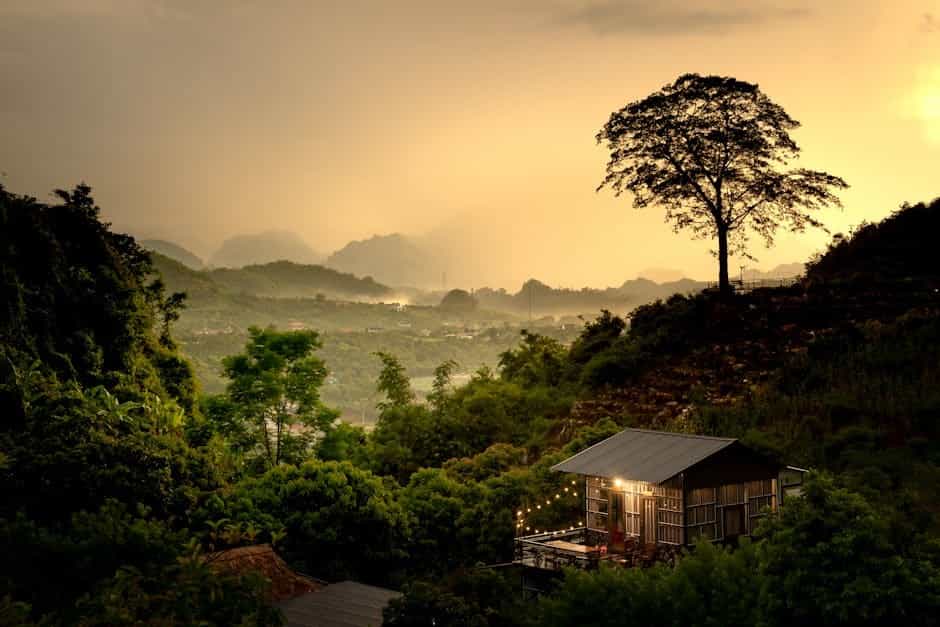
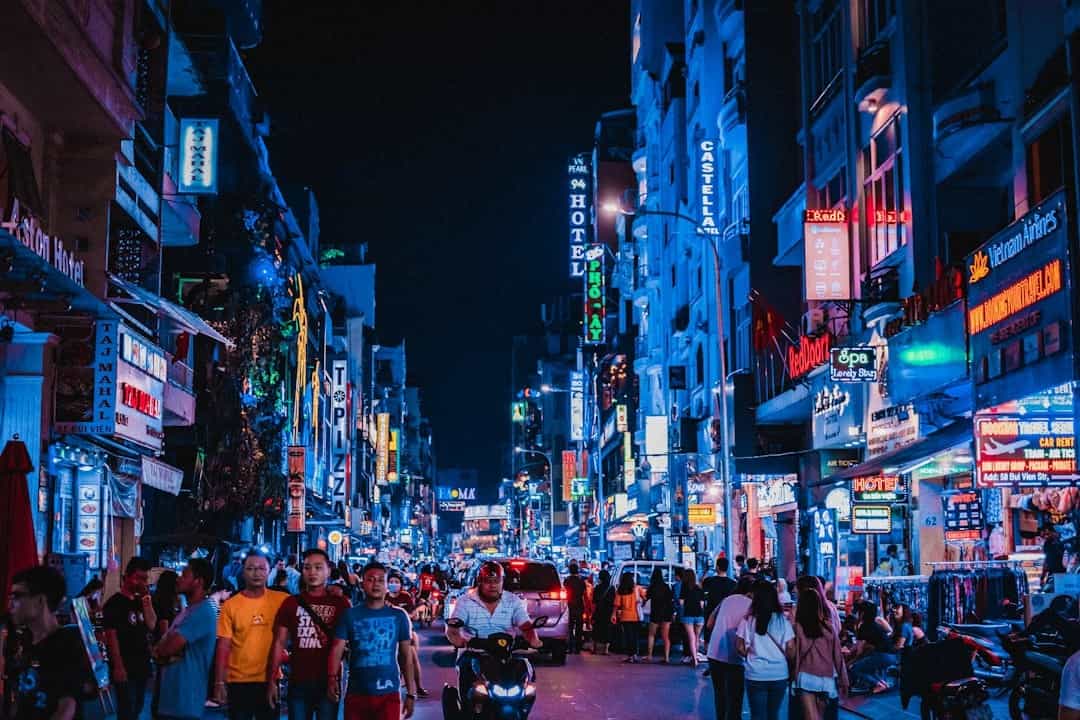
After spending extensive time traveling throughout Vietnam, from the misty mountains of Sapa to the bustling streets of Ho Chi Minh City, I've learned that the Vietnamese people are incredibly warm and forgiving of cultural missteps. However, making the effort to understand and respect their customs will transform your journey from ordinary to extraordinary.
Greeting Customs: Making the Right First Impression
The Art of the Vietnamese Greeting
Forget the firm Western handshake—Vietnamese greetings are a subtle art form. The traditional greeting involves a slight bow with hands pressed together in a prayer position, though handshakes have become common in business settings and urban areas.
Key greeting tips:
- Use both hands when shaking hands with elders or important people
- A slight bow shows respect, especially to older individuals
- Wait for women to extend their hand first in formal settings
- Smile genuinely—the Vietnamese value warmth and sincerity
Addressing People Properly
Vietnamese names follow a specific order: family name, middle name, then given name. However, people are typically addressed by their given name (the last one), not their family name. Add appropriate titles based on age and relationship:
- Anh (older brother/man slightly older than you)
- Chị (older sister/woman slightly older than you)
- Em (younger person)
- Ông (grandfather/elderly man)
- Bà (grandmother/elderly woman)
When in doubt, using "Anh" or "Chị" with someone's given name shows respect and friendliness.
Dining Etiquette: Navigating Vietnamese Meals Like a Local
Table Manners That Matter
Vietnamese dining is a communal experience filled with unspoken rules that locals navigate instinctively. Here's how to blend in:
Essential dining customs:
- Wait for the eldest person to start eating before you begin
- Hold your rice bowl close to your mouth when eating
- Use chopsticks to transfer food from communal dishes to your bowl
- Never stick chopsticks upright in rice—this resembles funeral incense
- Place chopsticks across your bowl when taking a break
The Beautiful Chaos of Shared Meals
Vietnamese meals are meant to be shared. Multiple dishes arrive at once, placed in the center of the table for everyone to enjoy. Don't be surprised if someone places food directly in your bowl—this is a gesture of care and hospitality, not an invasion of personal space.
Pro tip: If someone offers you food, accept it graciously, even if you only take a small taste. Refusing outright can be seen as rejecting their kindness.
Drinking Culture and Toasting
When drinking with Vietnamese friends or colleagues, remember:
- The phrase "Một, hai, ba, dô!" (one, two, three, cheers!) precedes many toasts
- Younger people should pour drinks for elders
- It's polite to hold your glass lower than an elder's when toasting
- Pace yourself—Vietnamese hospitality often involves many rounds!
Temple and Pagoda Etiquette: Sacred Spaces Require Sacred Manners
Dressing Appropriately
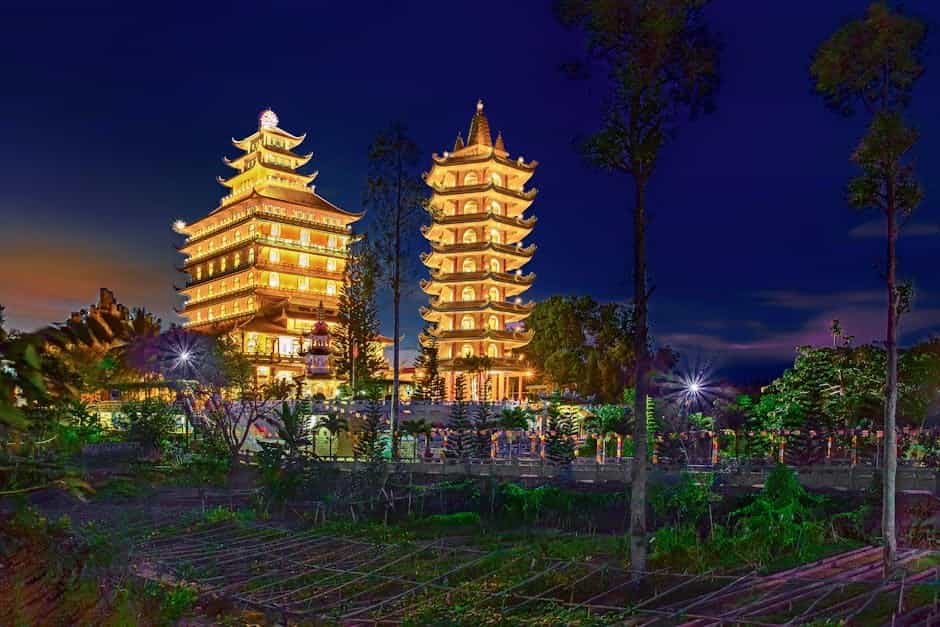
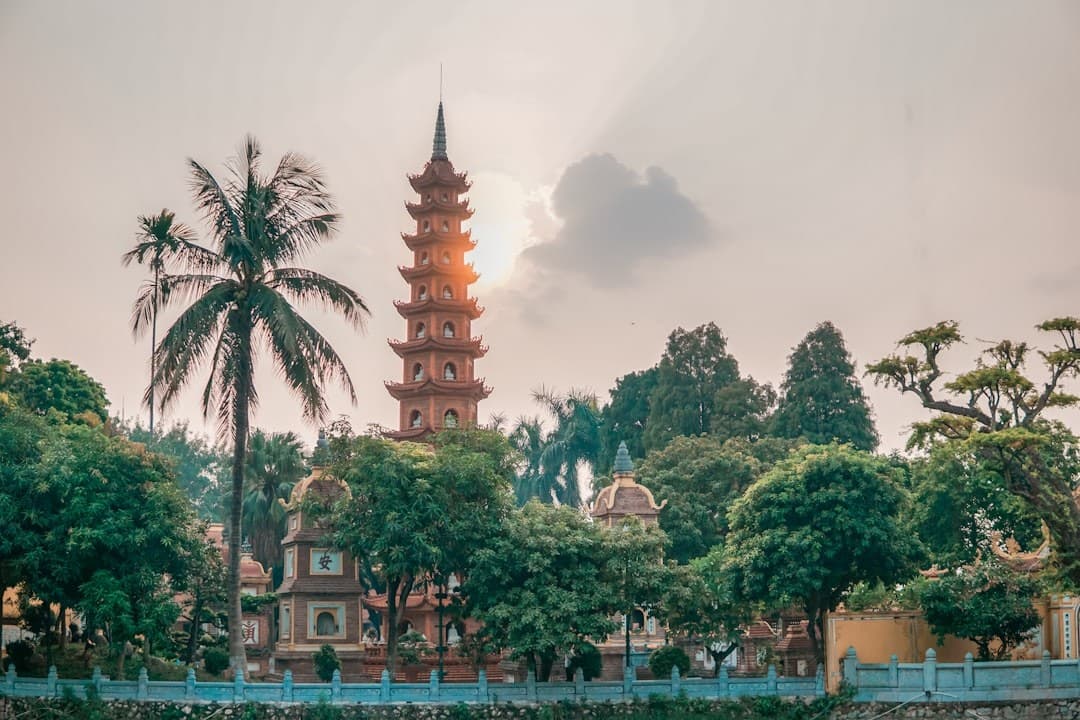
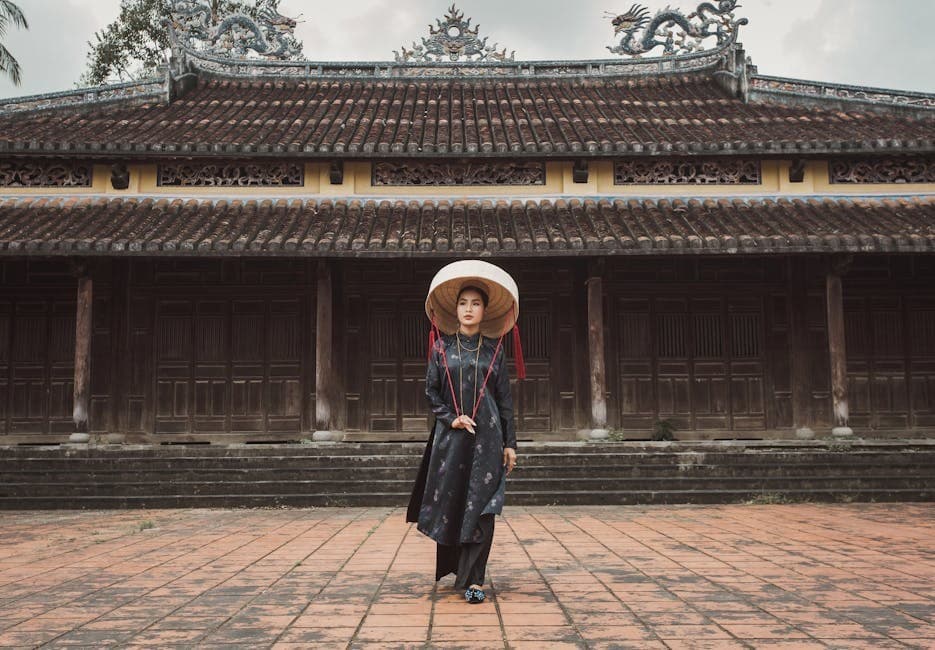
Vietnam's Buddhist temples, Hindu temples, and Cao Dai holy sites demand modest dress. This isn't merely a suggestion—you may be turned away or asked to cover up.
Dress code essentials:
- Cover shoulders and knees at minimum
- Avoid tight, revealing, or transparent clothing
- Remove hats and sunglasses when entering
- Always remove shoes before stepping inside
Behavior Inside Sacred Spaces
Once inside, maintain a respectful demeanor:
- Speak softly or remain silent
- Never point your feet toward Buddha statues or altars
- Ask permission before photographing monks or worshippers
- Walk around sacred objects clockwise
- Don't touch religious statues or artifacts
Social Customs: Navigating Daily Interactions
The Concept of "Face"
Like many Asian cultures, Vietnam places tremendous importance on "saving face"—maintaining dignity and avoiding public embarrassment. This affects countless daily interactions:
- Avoid criticizing people publicly
- Don't raise your voice in anger
- Phrase negative feedback diplomatically
- Accept compliments with humility rather than enthusiasm
Physical Contact and Personal Space
Vietnamese customs around physical contact differ from Western norms:
- Public displays of affection between couples are considered inappropriate
- Same-sex friends often hold hands—this is friendship, not romance
- Avoid touching someone's head, considered the most sacred body part
- Don't point with your finger; use your whole hand instead
Gift-Giving Traditions
Bringing gifts when visiting someone's home is customary and appreciated:
Appropriate gifts:
- Fruit, especially wrapped nicely
- Tea or coffee
- Sweets or chocolates
- Small items from your home country
Gifts to avoid:
- Anything black or white (funeral colors)
- Handkerchiefs (associated with sadness)
- Chrysanthemums (funeral flowers)
- Sharp objects like knives
Important: Gifts are typically not opened immediately in front of the giver. Don't be offended—this is considered polite!
Business Etiquette: Professional Customs to Remember
If your Vietnam trip includes business meetings, additional protocols apply:
- Arrive on time, though your Vietnamese counterparts may not
- Exchange business cards with both hands, studying received cards respectfully
- Hierarchy matters—greet the most senior person first
- Negotiations take time; patience is essential
- Building relationships precedes business discussions
Common Mistakes Tourists Make (And How to Avoid Them)
Photography Faux Pas
Vietnamese people are generally friendly about photos, but always ask first, especially:
- When photographing ethnic minorities in traditional dress
- At markets where vendors may expect a small purchase
- Near military installations (strictly forbidden)
- During religious ceremonies
Bargaining Blunders
Haggling is expected at markets, but there's an art to it:
- Start at about 50% of the asking price
- Keep negotiations friendly and good-humored
- Don't bargain if you're not interested in buying
- Accept the final price gracefully—a few thousand dong isn't worth damaging relationships
Money Matters
When handling money:
- Use both hands when giving or receiving money from elders
- Don't throw money on counters
- Tipping isn't traditional but is appreciated in tourist areas
Regional Variations: North vs. South
Vietnam's cultural etiquette varies slightly by region. Northern Vietnamese (especially in Hanoi) tend to be more formal and traditional, while Southerners (particularly in Ho Chi Minh City) are generally more relaxed and casual. Adjust your behavior accordingly, erring on the side of formality when unsure.
Actionable Takeaways: Your Cultural Etiquette Checklist
Before you embark on your Vietnamese adventure, remember these essential points:
- Greet with warmth—a smile and slight bow go far
- Dress modestly at temples and in rural areas
- Respect elders in all situations
- Accept hospitality graciously, even if it pushes your comfort zone
- Keep calm—never lose your temper publicly
- Learn basic phrases—"Xin chào" (hello) and "Cảm ơn" (thank you) open doors
- Be patient and flexible with time
- Ask permission before photographing people
Ultimately, the Vietnamese people appreciate effort over perfection. Show genuine respect for their culture, approach interactions with humility and curiosity, and you'll find doors opening everywhere you go. Your willingness to learn their customs tells them something important: that their culture matters to you. And in Vietnam, that respect will be returned tenfold.
Chúc bạn may mắn—good luck on your journey!
Leave a Comment
Explore Vietnam
Ready to plan your trip? Check out our complete travel guide and packages.