What to Pack for Turkey: The Ultimate Packing List for 2026
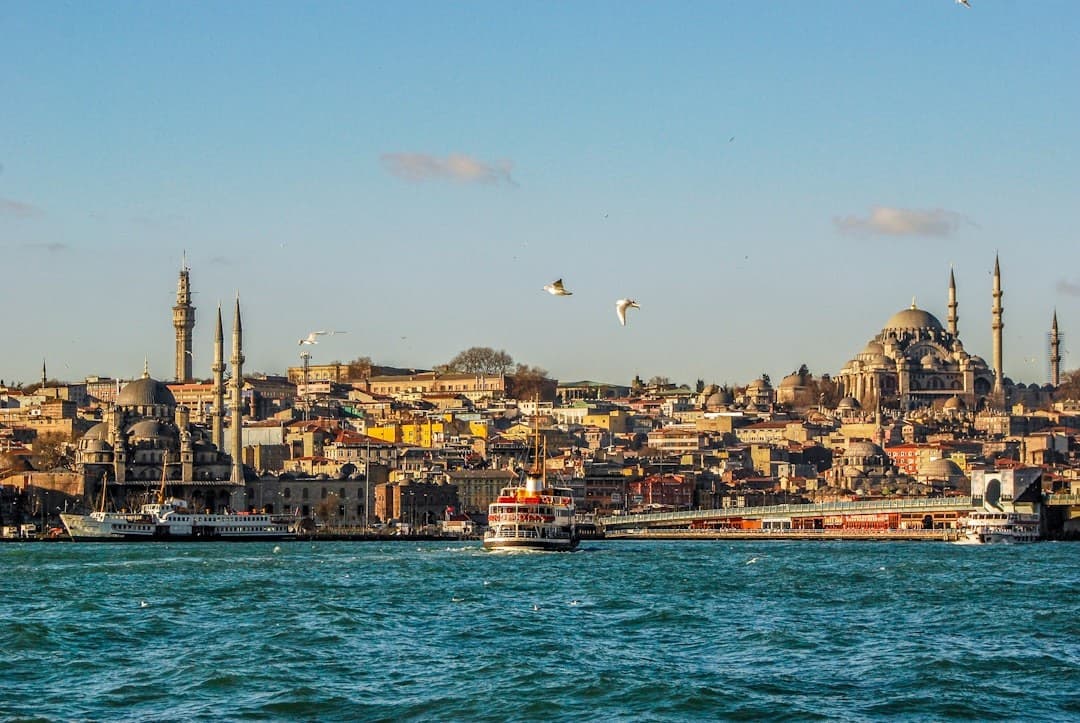
So you've booked your dream trip to Turkey – congratulations! Whether you're planning to float above Cappadocia in a hot air balloon, haggle in Istanbul's Grand Bazaar, or lounge on the turquoise beaches of Antalya, one question remains: what on earth should you pack?
Turkey is a country of stunning contrasts. From ancient ruins to modern cities, conservative mosques to beach resorts, your suitcase needs to be as versatile as your itinerary. After countless trips across this magnificent country, I've learned exactly what you need (and what you can leave behind). Let's dive into the ultimate Turkey packing list that will prepare you for every adventure.
Understanding Turkey's Climate and Culture
Before you start throwing items into your suitcase, it's essential to understand Turkey's diverse climate and cultural expectations. This knowledge will shape every packing decision you make.
Climate Considerations by Season
Spring (April-May): Mild temperatures ranging from 15-25°C (59-77°F), occasional rain showers, and blooming landscapes. Perfect weather but pack layers.
Summer (June-August): Hot and dry, especially in central and eastern regions. Coastal areas see temperatures of 30-40°C (86-104°F). Lightweight, breathable clothing is essential.
Fall (September-November): Similar to spring with cooling temperatures and occasional rain. Ideal for sightseeing without the crowds.
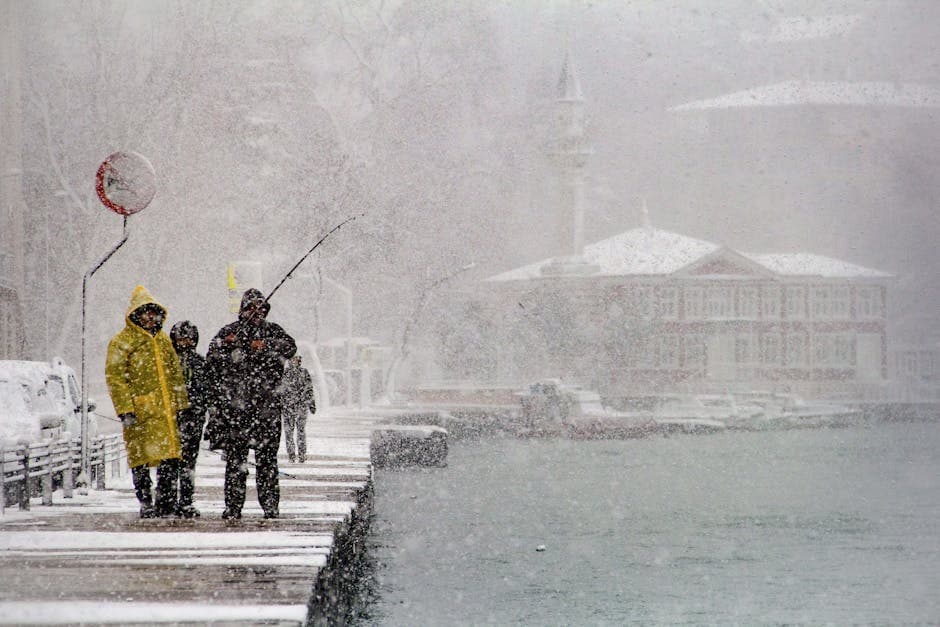
Winter (December-March): Cold and snowy in central and eastern Turkey, milder along the Mediterranean coast. Pack warm layers if visiting Istanbul or Cappadocia.
Cultural Dress Expectations
Turkey is a secular country, but it has a predominantly Muslim population. While tourist areas are quite relaxed, you'll want to dress modestly when visiting mosques and conservative regions. This doesn't mean sacrificing style – it simply means being prepared with appropriate options.
Essential Clothing for Your Turkey Trip
Everyday Wear
- Lightweight, breathable tops – Pack 5-7 tops in neutral colors that mix and match easily
- Long pants or jeans – At least 2 pairs for mosque visits and cooler evenings
- Modest dresses or skirts – Knee-length or longer, perfect for warm days
- Comfortable shorts – For beach areas and casual sightseeing (not for mosques)
- Light cardigan or jacket – Essential for air-conditioned spaces and evening breezes
- Swimwear – One or two pieces for beaches, hammams, and hotel pools
Footwear Essentials
Your feet will thank you for thoughtful shoe choices. Turkey involves a lot of walking on uneven surfaces.
- Comfortable walking shoes – Broken-in sneakers or supportive sandals are non-negotiable
- Slip-on shoes – You'll remove footwear frequently at mosques and some shops
- Dressy sandals – For evening dinners and rooftop bars
- Water shoes – If visiting beaches with rocky entries or doing boat trips
Mosque-Appropriate Items
This is where many travelers get caught off guard. Every visitor to a mosque needs:
- A headscarf or large scarf – Women must cover their hair (men don't need to)
- Long pants or a long skirt – Both men and women need covered legs
- Covered shoulders – No tank tops or sleeveless shirts
- Socks – Shoes are removed, and bare feet on cold marble isn't pleasant
Pro tip: Many major mosques provide coverings, but having your own ensures you're always prepared and comfortable.
Tech and Electronics
Must-Have Gadgets
- Universal power adapter – Turkey uses Type F plugs (European standard, 220V)
- Portable charger/power bank – Long sightseeing days drain batteries quickly
- Smartphone with offline maps – Download Google Maps or Maps.me for Turkey
- Camera with extra memory cards – You'll take thousands of photos, trust me
- E-reader – Perfect for long bus rides or lazy beach days
Useful Apps to Download
Before you leave home, install these apps:
- Google Translate – Download Turkish for offline use
- BiTaksi – Turkey's reliable taxi app
- Yemeksepeti – Food delivery for lazy evenings
- Booking.com or Airbnb – For accommodation management
Toiletries and Health Items
Bathroom Essentials
- Sunscreen (SPF 50+) – The Turkish sun is intense, especially in summer
- Insect repellent – Necessary for evenings near water
- Basic toiletries – Available everywhere, but bring favorites
- Prescription medications – With original packaging and doctor's note
- First-aid kit – Band-aids, pain relievers, anti-diarrheal medication
- Hand sanitizer – Always useful when traveling
- Wet wipes – A lifesaver for freshening up between activities
Hammam Preparation
If you're planning to experience a traditional Turkish bath (hammam) (and you absolutely should), pack:
- Flip-flops – For walking on wet floors
- Modest swimwear or underwear – Some hammams require coverage
- Hair ties – Keep hair out of your face during treatments
Important Documents and Money
Document Checklist
- Passport – Valid for at least 6 months beyond your travel dates
- E-Visa printout – Most nationalities need this; apply at evisa.gov.tr
- Travel insurance documents – Both digital and printed copies
- Flight and hotel confirmations – Accessible offline
- Copies of important documents – Store separately from originals
- International driving permit – If planning to rent a car
Money Matters
- Credit/debit cards – Widely accepted; notify your bank of travel plans
- Some cash in Turkish Lira – For small vendors, tips, and markets
- Money belt or hidden pouch – For secure storage in crowded areas
Insider tip: ATMs are everywhere in Turkey and offer excellent exchange rates. Avoid exchanging money at airports or hotels.
Practical Accessories
Day Bag Essentials
- Anti-theft daypack – With lockable zippers for peace of mind
- Reusable water bottle – Stay hydrated; tap water isn't drinkable
- Sunglasses – Quality UV protection is essential
- Hat or cap – For sun protection during outdoor exploration
- Small umbrella – Unexpected showers happen, especially in Istanbul
- Packing cubes – Keep your suitcase organized throughout your trip
Nice-to-Have Items
- Turkish phrasebook – Locals appreciate any effort to speak Turkish
- Reusable shopping bag – Perfect for market purchases
- Journal and pen – Document your incredible experiences
- Earplugs and eye mask – For flights and the early morning call to prayer
- Snacks from home – Familiar comfort food for long travel days
What NOT to Pack for Turkey
Equally important is knowing what to leave behind:
- Excessive valuables – Leave expensive jewelry at home
- Too many clothes – Laundry services are affordable and accessible
- Heavy guidebooks – Use apps and download digital versions instead
- Hair dryer – Most accommodations provide them
- Formal attire – Unless you have specific events planned
Packing Tips for Different Turkey Experiences
For Cappadocia
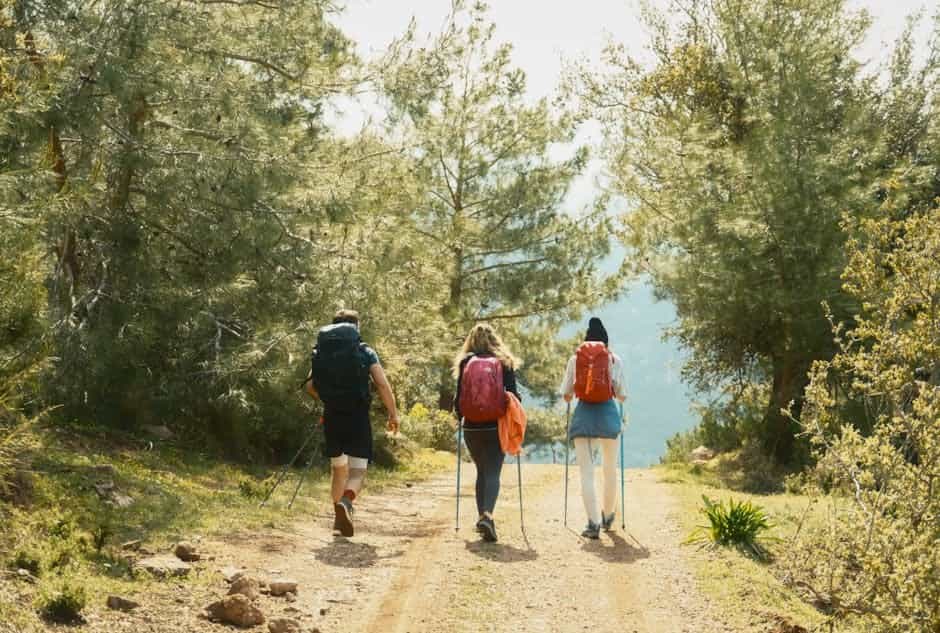
Pack layers! Early morning balloon rides are cold (even in summer), but afternoons warm up quickly. Sturdy hiking shoes are essential for exploring valleys and cave churches.
For Istanbul
Bring your most comfortable walking shoes – you'll cover serious ground. A stylish outfit for rooftop dining is worth the suitcase space.
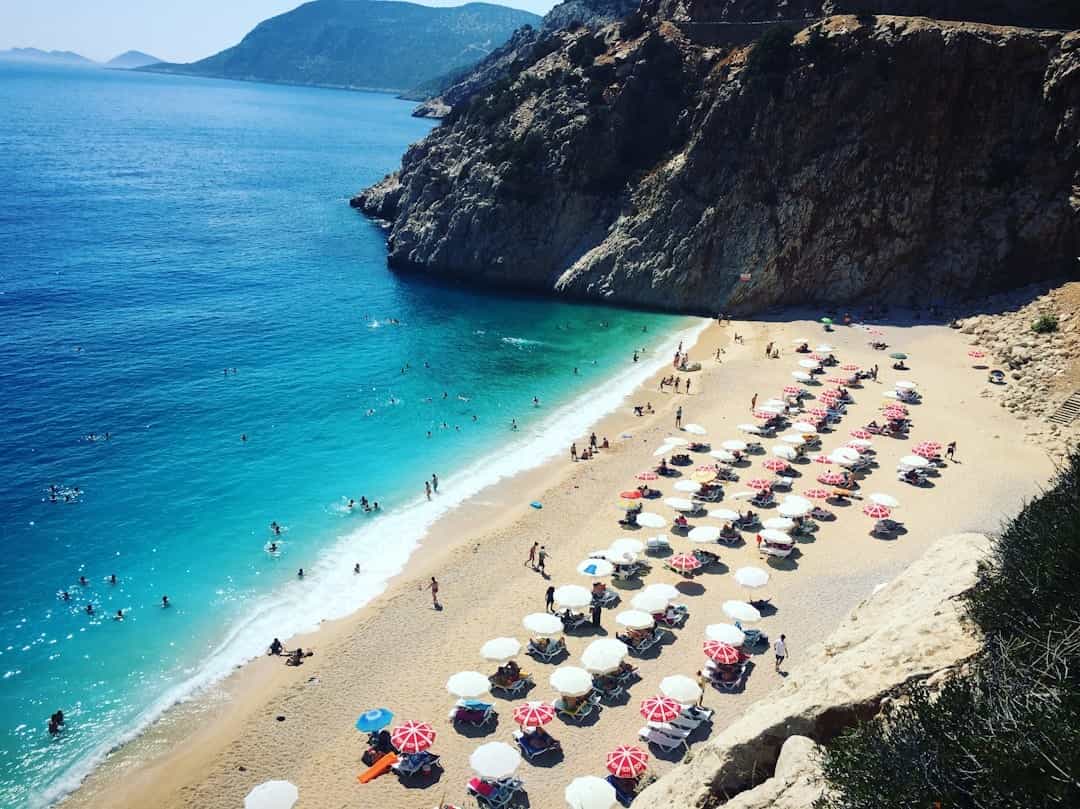
For Beach Destinations
Multiple swimsuits, cover-ups, and reef-safe sunscreen are priorities. Beach towns are casual, so leave formal wear behind.
Final Packing Checklist and Takeaways
Before you zip up that suitcase, remember these key points:
- Pack for versatility – Choose items that serve multiple purposes and mix well together
- Respect the culture – Always have mosque-appropriate clothing accessible
- Prepare for weather variations – Layers are your best friend in Turkey
- Prioritize comfort – You'll walk more than you expect
- Leave room for souvenirs – Turkish carpets, ceramics, and spices will tempt you
Turkey is a destination that will capture your heart with its incredible history, warm hospitality, and breathtaking landscapes. With this comprehensive packing list, you'll be prepared for every adventure – from sunrise over Cappadocia to sunset on the Aegean coast.
Iyi yolculuklar! (Have a good journey!)
Leave a Comment
Explore Turkey
Ready to plan your trip? Check out our complete travel guide and packages.