How Long Should I Plan for a Nepal Trip? The Ultimate Guide
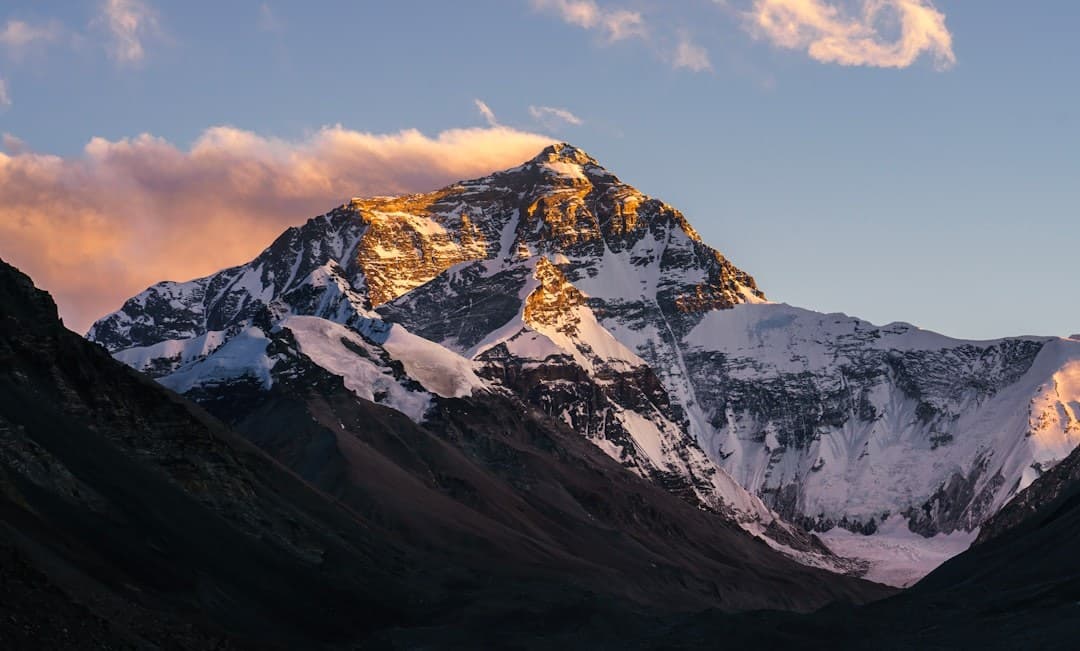
Picture this: you're standing at the foot of the world's highest mountains, prayer flags fluttering in the crisp Himalayan breeze, while ancient temples beckon from the valleys below. Nepal is calling—but how long do you actually need to experience this magical kingdom?
As someone who has returned to Nepal five times (and counting), I can tell you that the answer isn't one-size-fits-all. Whether you're chasing summit views, seeking spiritual awakening, or simply craving adventure, your ideal Nepal trip duration depends entirely on what you want to experience. Let me break it down for you.
The Quick Answer: Minimum vs. Ideal Trip Length
If you're pressed for time, 7-10 days is the absolute minimum for a meaningful Nepal experience. However, for a truly immersive journey that doesn't feel rushed, 14-21 days is the sweet spot most travelers find ideal.
Here's a quick breakdown:
- 5-7 days: Kathmandu Valley highlights only
- 10-14 days: Short trek + cultural exploration
- 14-21 days: Classic trek + multiple destinations
- 21-30 days: Extended trek or comprehensive country tour
- 30+ days: Multiple treks and off-the-beaten-path adventures
Planning Your Nepal Trip by Activity Type
Trekking Adventures: The Heart of Nepal Travel
Let's be honest—most people come to Nepal for the trekking, and rightfully so. The duration you'll need depends heavily on which trail calls your name.
Popular Trek Durations:
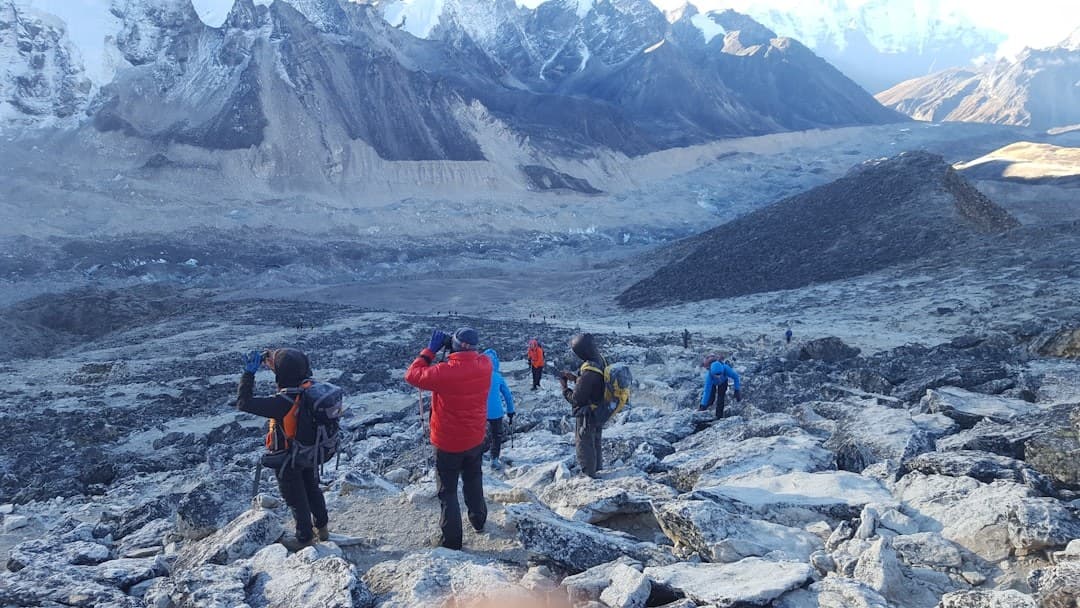
- Everest Base Camp Trek: 12-14 days (minimum)
- Annapurna Circuit Trek: 12-21 days
- Annapurna Base Camp (ABC) Trek: 7-12 days
- Langtang Valley Trek: 7-10 days
- Poon Hill Trek: 4-5 days
- Ghorepani–Poon Hill Sunrise Trek: 3-4 days
Pro Tip: Always add 2-3 buffer days to any trek duration. Weather delays, acclimatization needs, and unexpected discoveries (that teahouse with the incredible dal bhat!) happen more often than you'd think.
Cultural Immersion: Beyond the Mountains
Nepal isn't just about trekking. The cultural richness of the Kathmandu Valley alone could keep you busy for weeks.
Recommended time for cultural exploration:
- Kathmandu: 2-3 days minimum (Durbar Square, Boudhanath Stupa, Pashupatinath Temple, Swayambhunath (Monkey Temple))
- Bhaktapur: 1-2 days (this medieval city deserves an overnight stay)
- Patan: 1 day (incredible metalwork and the stunning Patan Durbar Square)
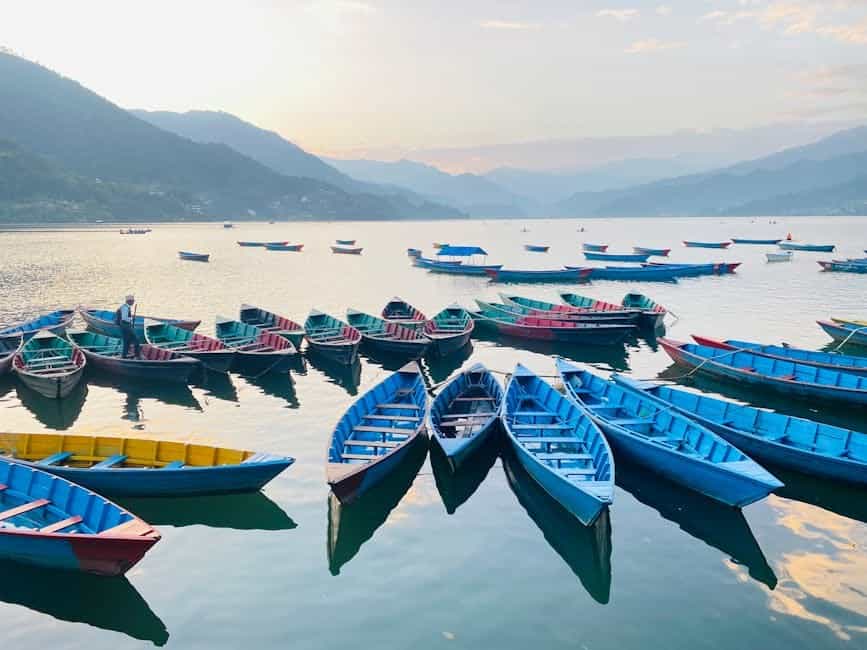
- Pokhara: 2-3 days (lakeside relaxation, paragliding, day hikes)
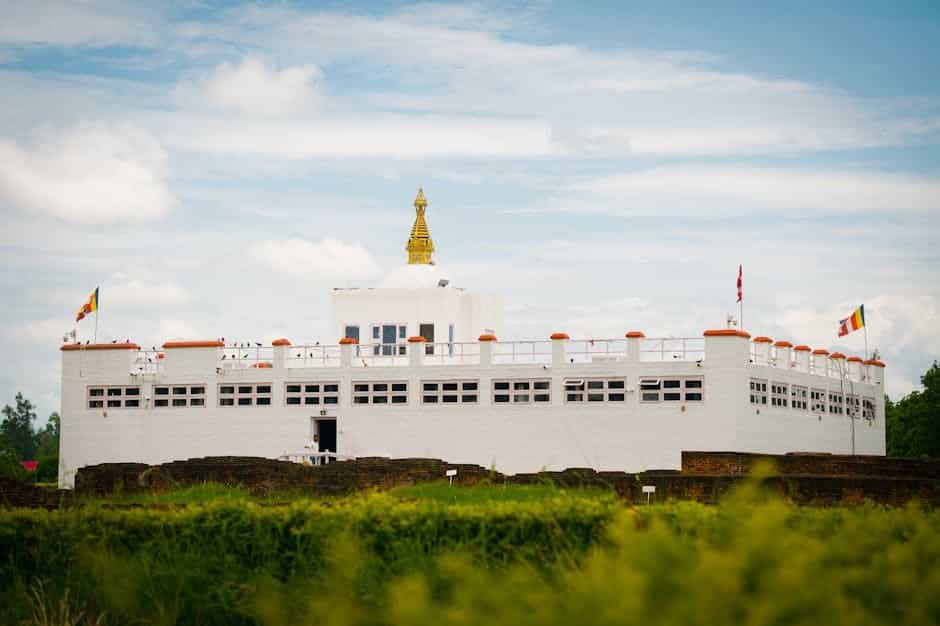
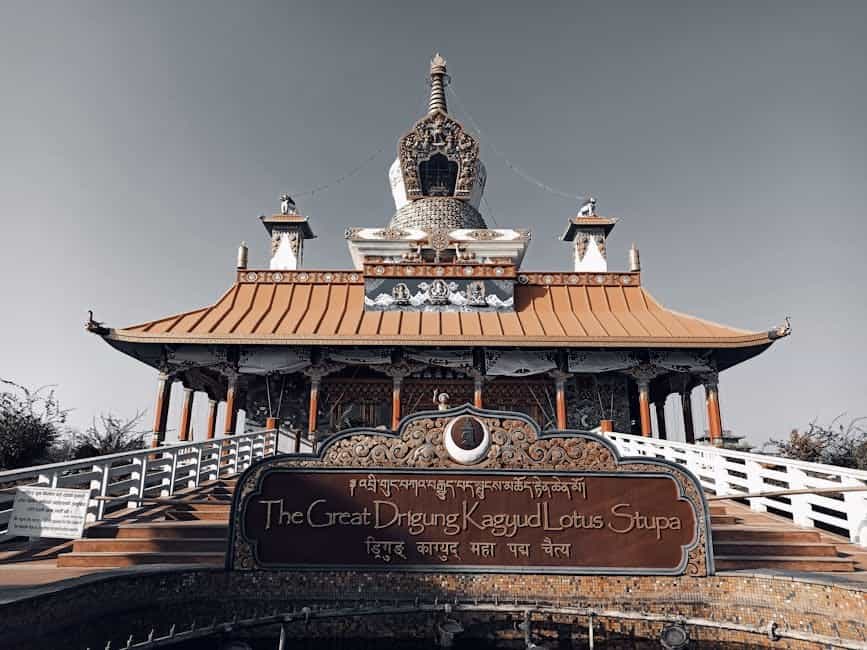
- Lumbini: 1-2 days (Buddha's birthplace)
Wildlife and Jungle Safaris
Chitwan National Park and Bardia National Park offer world-class wildlife experiences, including Bengal tigers and one-horned rhinoceroses.
- Chitwan National Park Jungle Safari: 2-3 days recommended
- Bardia National Park Safari: 3-4 days for serious wildlife enthusiasts
Sample Nepal Itineraries by Duration
The One-Week Wonder (7 Days)
Perfect for first-timers with limited vacation time.
- Days 1-2: Explore Kathmandu Valley
- Days 3-6: Poon Hill Trek or Langtang Valley (shorter route)
- Day 7: Return to Kathmandu, last-minute shopping
The Classic Two-Week Adventure (14 Days)
The most popular choice for international travelers.
- Days 1-3: Kathmandu cultural exploration
- Days 4-11: Annapurna Base Camp Trek
- Days 12-13: Pokhara relaxation
- Day 14: Return to Kathmandu
The Ultimate Three-Week Experience (21 Days)
For those who want the complete Nepal package.
- Days 1-3: Kathmandu Valley deep dive
- Days 4-15: Everest Base Camp Trek
- Days 16-17: Recovery and Kathmandu
- Days 18-20: Chitwan National Park safari
- Day 21: Departure
Factors That Affect Your Nepal Trip Duration
Acclimatization Requirements
This is non-negotiable. If you're heading above 3,000 meters (9,800 feet), your body needs time to adjust to the altitude. Rushing acclimatization can lead to Acute Mountain Sickness (AMS), which can be dangerous—or even fatal.
Golden rule: Above 3,000m, don't ascend more than 300-500 meters per day, and take a rest day every 3-4 days.
Seasonal Considerations
Nepal's seasons dramatically impact what's possible:
- Peak Season (Oct-Nov & Mar-May): Best weather, clearest views, but crowded trails
- Monsoon (Jun-Sep): Lush landscapes, fewer tourists, but rain and leeches
- Winter (Dec-Feb): Cold but clear, fewer crowds, some high passes closed
Insider tip: Shoulder seasons (early October, late November, early March) offer the best balance of good weather and manageable crowds. For a full breakdown, see our Nepal Weather Guide: Best Times to Visit Year-Round.
Your Fitness Level
Be honest with yourself. If you're not regularly active, add extra days for a gentler pace. Nepal's trails aren't going anywhere—there's no prize for rushing.
Permit Processing Time
Most trekking permits can be obtained in Kathmandu within a day, but restricted area permits (Upper Mustang, Manaslu, etc.) require more advance planning and may need 2-3 days to process.
Budget Considerations by Trip Length
Nepal remains one of the world's most affordable adventure destinations, but costs add up.
Approximate daily budgets:
- Budget traveler: $30-50/day
- Mid-range comfort: $50-100/day
- Luxury experience: $150-300+/day
Trekking costs typically run $25-60/day for teahouse treks (accommodation, meals, permits) or $80-150+/day for organized group treks with guides and porters.
Practical Tips for Planning Your Trip Duration
Don't Underestimate Travel Days
Nepal's infrastructure means getting around takes time. That "quick" bus ride from Kathmandu to Pokhara? Plan for 7-8 hours by road (or 25 minutes by flight). Factor in:
- International flight recovery (jet lag is real)
- Domestic flight delays (weather-dependent)
- Mountain road conditions
- Border crossing times if coming overland from India or Tibet
Build in Flexibility
I cannot stress this enough: leave buffer days in your itinerary. Flights get cancelled. Trails close. That village festival you stumble upon might be the highlight of your trip. Nepal rewards those who embrace uncertainty.
Consider a Return Trip
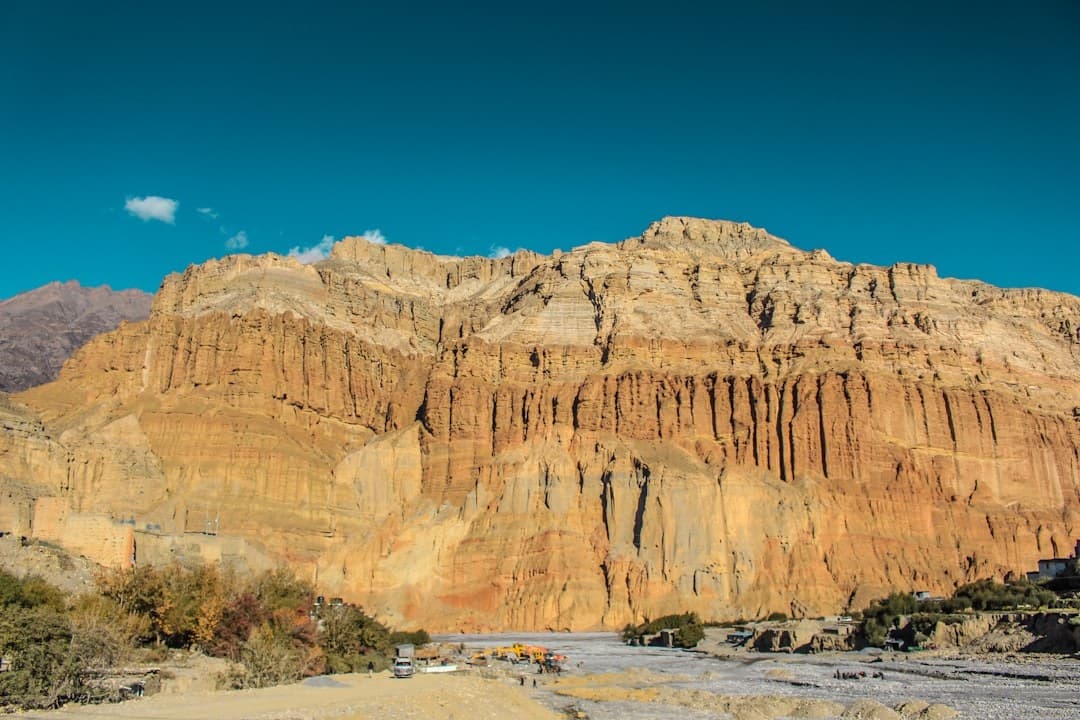
Here's a secret seasoned Nepal travelers know: you can't do it all in one trip, and that's okay. Many visitors plan their first trip as an introduction, then return for specific adventures—the Everest Three Passes, the Upper Mustang & Lo Manthang Overland/Trek, or the remote Dolpo region.
Key Takeaways: Planning Your Perfect Nepal Duration
- Minimum meaningful trip: 7-10 days
- Ideal first visit: 14-21 days
- Always add buffer days: 2-3 extra days minimum
- Prioritise acclimatization: Your health is more important than your itinerary
- Match your itinerary to your goals: Trekking, culture, wildlife, or a mix?
- Be realistic about your fitness: Better to enjoy a shorter trek than struggle through a longer one
- Embrace flexibility: The best Nepal experiences often aren't planned
Final Thoughts
Nepal has a way of capturing your heart and refusing to let go. Whether you have one week or one month, this incredible country will leave you transformed—and likely already planning your return visit.
My advice? Book more time than you think you need. In over a decade of traveling, I've never met anyone who said they spent too long in Nepal. The mountains are patient, the people are warm, and the adventures are endless.
Namaste, and happy planning!
Leave a Comment
Explore Nepal
Ready to plan your trip? Check out our complete travel guide and packages.