Nepal Weather Guide: Best Times to Visit Year-Round

Nestled between the towering peaks of the Himalayas and the tropical plains of India, Nepal offers one of the world's most diverse climate experiences within a relatively small geographical area. Whether you're planning to trek to Everest Base Camp, explore the cultural treasures of Kathmandu, or spot rhinos in Chitwan National Park, understanding Nepal's weather patterns is crucial for making the most of your adventure.
From the snow-capped mountains reaching over 8,000 meters to the subtropical Terai region at just 70 meters above sea level, Nepal's weather varies dramatically not just by season, but by altitude and region. Let's dive into everything you need to know about Nepal's climate to help you plan the perfect trip.
Understanding Nepal's Climate Zones
Before exploring seasonal weather patterns, it's essential to understand that Nepal has five distinct climate zones based on altitude:
- Tropical Zone (below 1,000m): Hot and humid, similar to northern India
- Subtropical Zone (1,000-2,000m): Warm summers, mild winters
- Temperate Zone (2,000-3,000m): Pleasant summers, cool winters
- Subalpine Zone (3,000-4,000m): Cool summers, cold winters
- Alpine Zone (above 4,000m): Cold year-round with extreme conditions
This means you could experience tropical heat in Chitwan and freezing temperatures in the mountains on the same day!
Spring Weather in Nepal (March-May)
Temperature and Conditions
Spring is widely considered one of the best times to visit Nepal. The harsh winter cold begins to fade, and the monsoon rains are still months away.
- Kathmandu Valley: Daytime temperatures range from 20-25°C (68-77°F), with cool nights around 10-15°C (50-59°F)
- Pokhara: Slightly warmer at 25-30°C (77-86°F) during the day
- Terai Plains: Can get quite hot, reaching 35°C (95°F) or higher
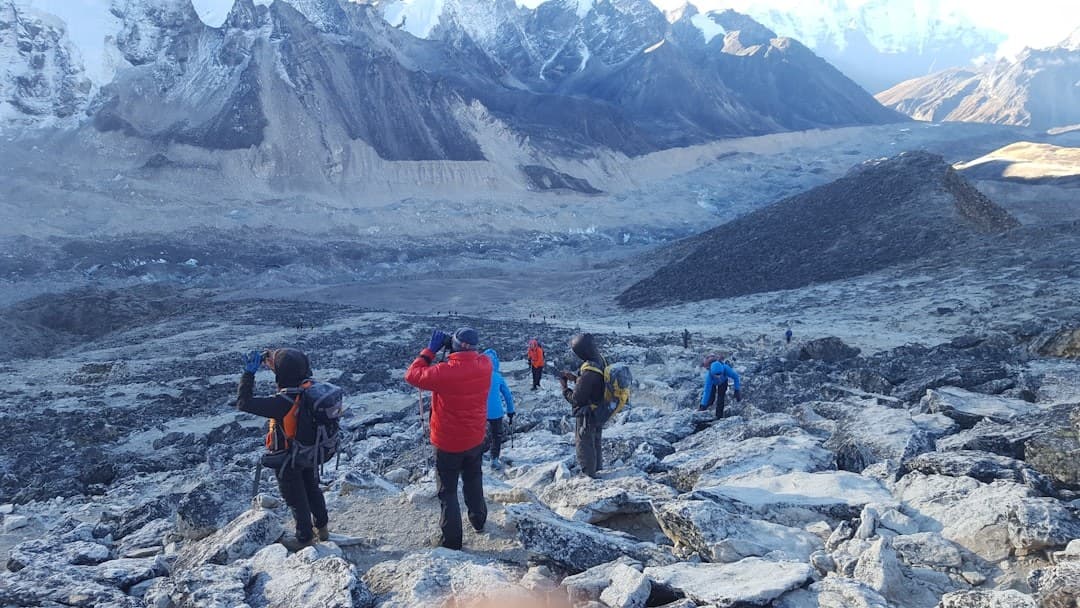
- Mountain regions: Perfect trekking weather with clear skies and moderate temperatures
What to Expect
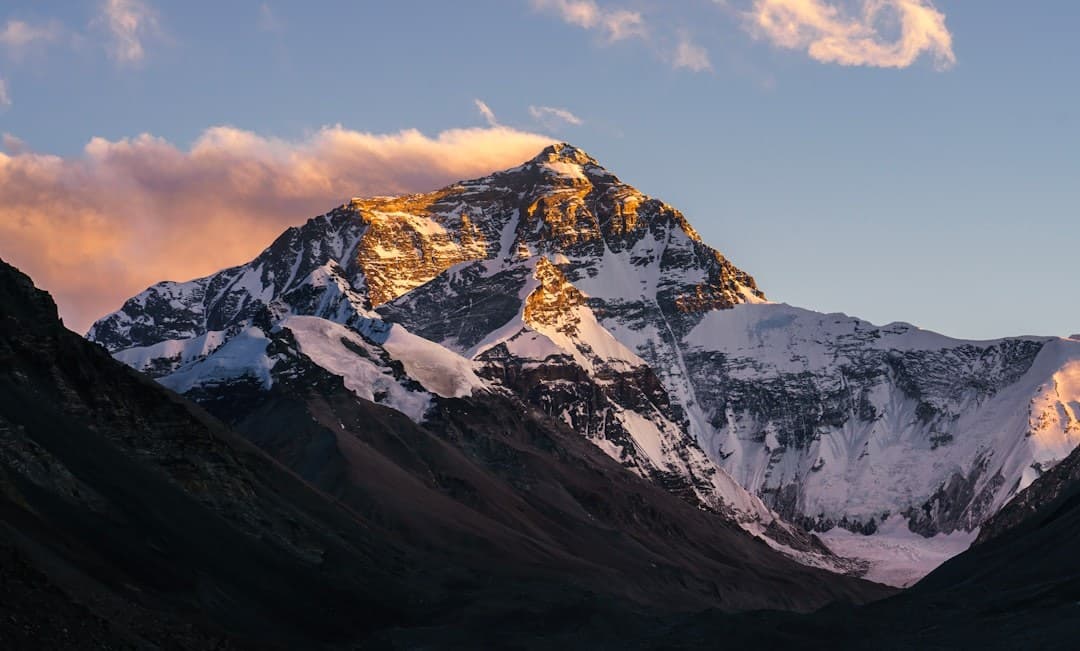
Clear mountain views are common in March and early April, making this an ideal time for photography and trekking. The famous rhododendrons bloom during this season, painting the hillsides in vibrant reds and pinks.
Pro tip: Book accommodations early, as spring is peak tourist season, especially for trekking.
Summer/Monsoon Season (June-August)
The Monsoon Reality
Summer in Nepal means monsoon season, which dramatically transforms the landscape and travel experience.
- Rainfall: 80% of Nepal's annual precipitation falls during these months
- Temperature: Surprisingly moderate due to cloud cover and rain
- Humidity: Very high, especially in lower elevations
- Mountain views: Often obscured by clouds and haze
Regional Variations
- Kathmandu: Frequent afternoon thunderstorms, muddy streets
- Pokhara: Heavy rainfall, with July being the wettest month
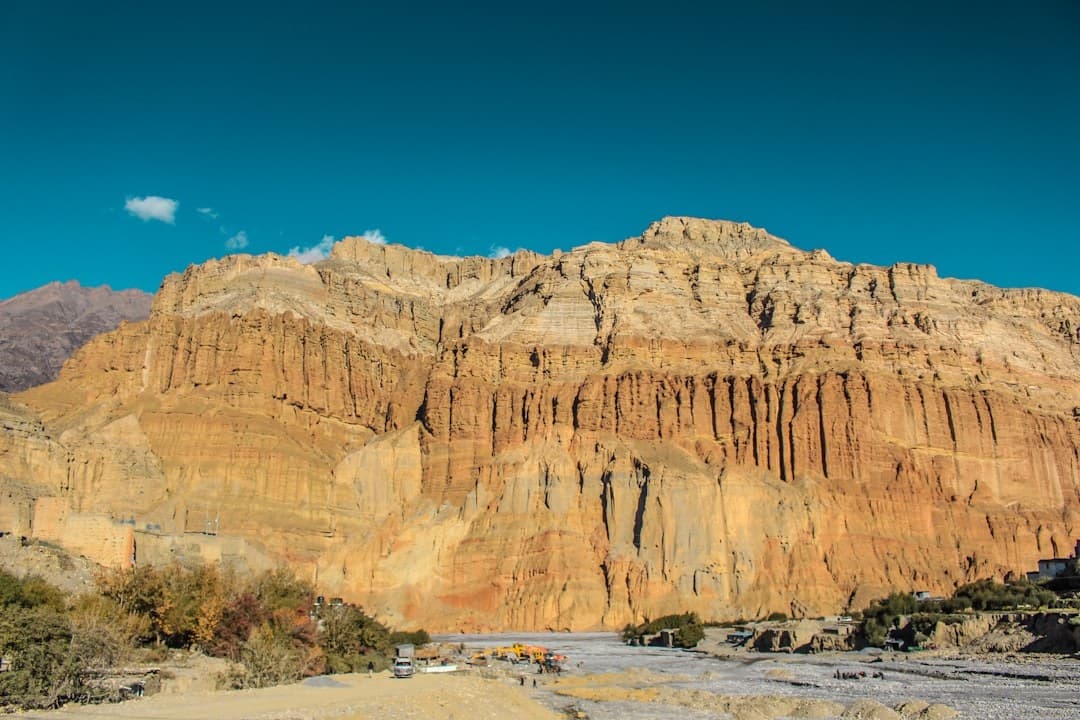
- Mustang and Dolpo: These rain-shadow regions remain relatively dry
- Terai: Extremely humid with frequent flooding
Monsoon Travel Tips
- Pack waterproof gear and quick-dry clothing
- Expect flight delays and cancellations
- Road conditions can be challenging
- Some trekking routes may be closed due to landslides
However, don't completely write off monsoon travel! The countryside is lush and green, there are fewer crowds, and you'll experience Nepal's dramatic weather firsthand.
Autumn Weather (September-November)
Peak Season Perfection
Autumn is the most popular time to visit Nepal, and for good reason.
Weather Highlights
- Crystal-clear skies: Post-monsoon air is incredibly clean
- Perfect temperatures: Comfortable for all activities
- Stable weather: Minimal precipitation
- Excellent visibility: Best mountain views of the year
Monthly Breakdown
September: Still warm but clearing up, occasional rain showers October: Absolutely perfect weather, peak trekking season November: Cooler but still excellent, especially for lower-altitude activities
Temperature Ranges
- Kathmandu: 15-25°C (59-77°F), dropping to 5-15°C in November
- Pokhara: Similar to Kathmandu but slightly warmer
- Mountain regions: Ideal trekking conditions with clear, stable weather
Winter Weather (December-February)
Cold but Clear
Winter brings cold temperatures but stunning clarity to Nepal's skies.
What to Expect
- Kathmandu: Daytime highs of 15-20°C (59-68°F), nighttime lows around 2-5°C (36-41°F)
- Mountain regions: Very cold with possible snowfall above 3,000m
- Terai: Actually pleasant with warm days and cool nights
- Visibility: Excellent for mountain viewing
Winter Advantages
- Fewer crowds and lower prices
- Crystal-clear mountain views
- Perfect weather for wildlife viewing in the Terai
- Comfortable temperatures for cultural sightseeing
Important note: High-altitude trekking can be extremely challenging due to snow and cold temperatures.
Regional Weather Variations
Kathmandu Valley
The capital sits at 1,400m elevation, enjoying a temperate climate year-round. Winters can be surprisingly cold, while summers are moderated by altitude.
Pokhara and Mid-Hills
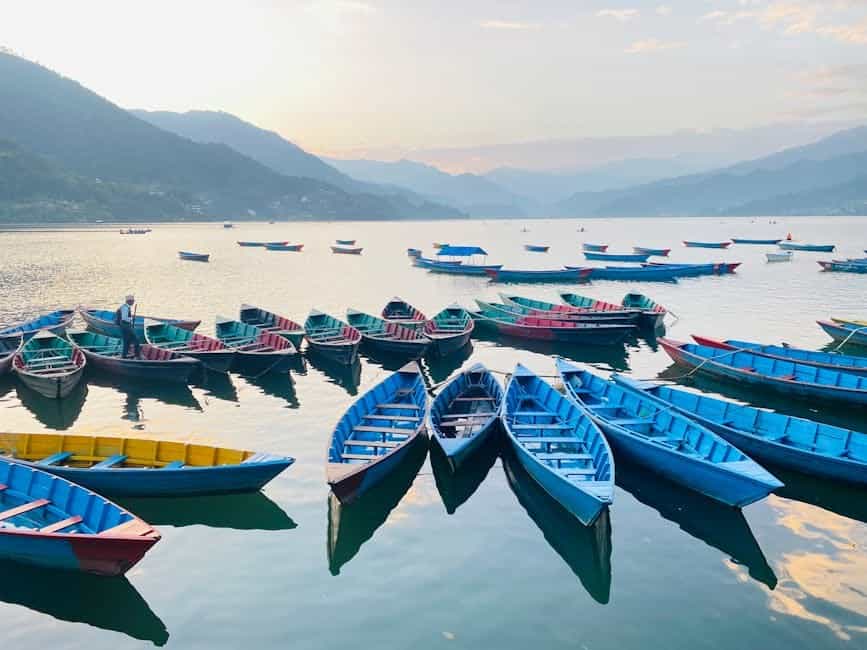
Slightly warmer than Kathmandu, Pokhara experiences more rainfall during monsoon season but offers spectacular mountain views during clear weather.
Terai Region (Chitwan, Lumbini)
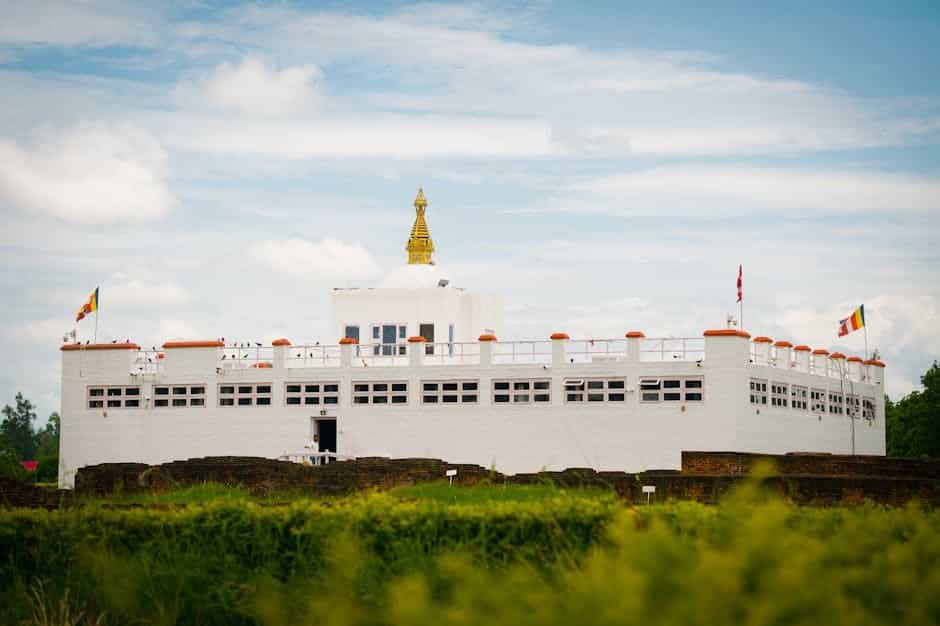
This lowland area has a tropical climate with hot summers and warm winters. The best time to visit is October through March.
High Himalaya
Extreme conditions prevail above 4,000m, with possible snow year-round. Weather can change rapidly, and proper preparation is essential.
Packing Tips by Season
Spring/Autumn Essentials
- Layered clothing for temperature variations
- Light rain jacket
- Comfortable walking shoes
- Sun protection (hat, sunglasses, sunscreen)
Monsoon Must-Haves
- Waterproof jacket and pants
- Quick-dry clothing
- Waterproof bag covers
- Sturdy, non-slip footwear
Winter Necessities
- Warm layers and insulated jacket
- Thermal underwear
- Warm hat and gloves
- Good-quality sleeping bag for trekking
Best Time to Visit Nepal: The Verdict
For most travelers: October and November offer the perfect combination of clear skies, comfortable temperatures, and stable weather.
For budget travelers: January-February and June-August offer lower prices and fewer crowds, though with weather trade-offs.
For trekkers: March-May and September-November are ideal, with October being the absolute peak.
For wildlife enthusiasts: October-March provides the best conditions in the Terai region.
Final Weather Wisdom
Nepal's weather diversity is part of its charm, but it requires careful planning. Always check current forecasts before traveling, especially for trekking. Remember that weather in the mountains can change rapidly, regardless of the season.
Consider your priorities: Do you want guaranteed clear mountain views? Visit in autumn. Prefer fewer crowds and don't mind some rain? Monsoon season might surprise you. Want to experience Nepal's winter culture? December through February offers unique insights into local life.
Most importantly, pack appropriately for multiple climate zones – you might experience tropical heat and alpine cold in the same trip! With proper preparation and realistic expectations, Nepal's incredible diversity of weather and landscapes will provide memories to last a lifetime.
Whatever season you choose, Nepal's warm hospitality and breathtaking beauty shine through in any weather. Start planning your adventure today, and get ready to experience one of the world's most climatically diverse destinations!
Leave a Comment
Explore Nepal
Ready to plan your trip? Check out our complete travel guide and packages.