Wildlife & National Parks in Seven Sisters: Northeast India Guide
Tucked away in India's northeastern corner lies a biodiversity hotspot so extraordinary that it remains one of Asia's best-kept secrets. The Seven Sisters—Arunachal Pradesh, Assam, Manipur, Meghalaya, Mizoram, Nagaland, and Tripura—form a mosaic of misty mountains, pristine rainforests, and wetlands teeming with wildlife found nowhere else on Earth.
If you've dreamed of spotting the majestic one-horned rhinoceros, tracking elusive clouded leopards, or watching hoolock gibbons swing through ancient canopies, this region delivers experiences that rival—and often surpass—more famous safari destinations. Let me take you on a journey through the wild heart of Northeast India.
Why the Seven Sisters Are a Wildlife Enthusiast's Paradise
The Seven Sisters region sits at the confluence of the Indo-Malayan and Palearctic biogeographic zones, creating an ecological wonderland. This unique positioning means you'll encounter species from both Southeast Asian jungles and Himalayan highlands—sometimes in the same national park.
The region boasts:
- Over 850 bird species (roughly 50% of India's avian diversity)
- Home to all four Asian big cats: tiger, leopard, clouded leopard, and snow leopard
- India's only ape species: the western and eastern hoolock gibbons
- Endangered megafauna including Asian elephants, wild water buffalo, and the iconic one-horned rhinoceros
Must-Visit National Parks and Wildlife Sanctuaries
Kaziranga National Park, Assam – The Rhino Kingdom
UNESCO World Heritage Site | Best visited: November to April
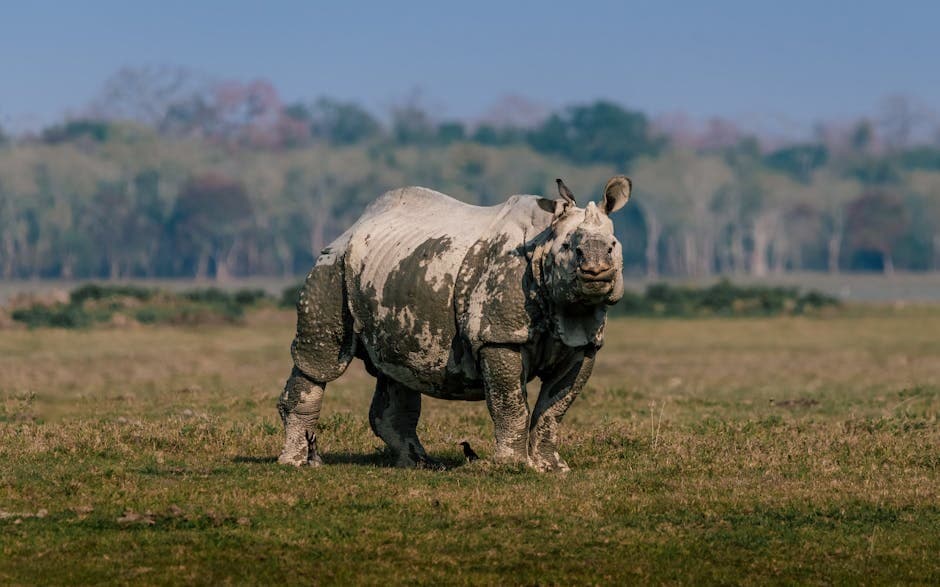
No wildlife trip to Northeast India is complete without Kaziranga. This legendary park protects two-thirds of the world's one-horned rhinoceros population—approximately 2,400 individuals roaming its vast grasslands and wetlands.
But Kaziranga offers much more than rhinos:
- Highest density of tigers among Indian national parks
- Wild water buffalo herds
- Asian elephants (over 1,200 individuals)
- Swamp deer and hog deer
- Over 500 bird species including the Bengal florican
Insider Tip: Book an elephant safari for the early morning slot. You'll get incredibly close to rhinos as they graze in the misty grasslands—a truly unforgettable experience.
Namdapha National Park, Arunachal Pradesh – The Land of Four Big Cats
Namdapha holds a distinction no other protected area in the world can claim: it's home to all four Asian big cat species. This remote wilderness spans altitudes from 200m to over 4,500m, creating diverse habitats from tropical rainforests to alpine meadows.
Wildlife highlights include:
- Tigers, leopards, clouded leopards, and snow leopards
- Hoolock gibbons (India's only ape)
- Red pandas
- Namdapha flying squirrel (found only here)
- Over 425 bird species including the white-winged wood duck
Practical Note: Namdapha requires an Inner Line Permit (ILP) for Indian citizens and a Protected Area Permit (PAP) for foreigners. Plan your paperwork well in advance.
Manas National Park, Assam – Where Rivers Meet Wilderness
UNESCO World Heritage Site | Best visited: October to April
Straddling the India-Bhutan border, Manas combines stunning Himalayan foothills with lush grasslands along the Manas River. The park has made a remarkable comeback from poaching and insurgency, now thriving as a conservation success story.
Key species to spot:
- Indian rhinoceros (reintroduced population)
- Bengal tigers
- Asian elephants
- Golden langurs (endemic to this region)
- Pygmy hogs (world's smallest and rarest wild pig)
- Wild water buffalo
Pro Tip: Stay at one of the eco-lodges in Bansbari for authentic jungle experiences and excellent birdwatching right from your doorstep.
Keibul Lamjao National Park, Manipur – The Floating Sanctuary
This is the world's only floating national park, located within Loktak Lake. The park protects the critically endangered sangai deer (Manipur brow-antlered deer), which was once thought extinct.
The sangai has adapted to walk on the floating phumdis (vegetation mats), creating a surreal sight you won't witness anywhere else. The park also shelters:
- Hog deer
- Wild boar
- Various waterfowl species
- Pythons and monitor lizards
Nokrek National Park, Meghalaya – Citrus Paradise
UNESCO Biosphere Reserve | Best visited: October to May
Nokrek protects the last stronghold of the wild citrus gene pool, making it invaluable for global agriculture. But wildlife enthusiasts come for the primates:
- Western hoolock gibbons
- Stump-tailed macaques
- Pig-tailed macaques
- Asian elephants
- Red pandas (in higher elevations)
The park's cloud forests create an ethereal atmosphere, especially during morning mists.
Dampa Tiger Reserve, Mizoram – Off the Beaten Path
Mizoram's largest wildlife sanctuary remains wonderfully untouched by mass tourism. Dense bamboo forests and tropical evergreens shelter:
- Bengal tigers
- Leopards and clouded leopards
- Elephants
- Sambar deer
- Serow (goat-antelope)
- Spectacular hornbill species
Adventure Seeker's Note: Dampa offers challenging treks through pristine wilderness—perfect for those seeking authentic jungle experiences away from crowds.
Intanki National Park, Nagaland – Hornbill Haven
While Nagaland is famous for its Hornbill Festival, Intanki provides year-round opportunities to spot these magnificent birds in the wild. The park protects:
- Great Indian hornbill
- Wreathed hornbill
- Hoolock gibbons
- Elephants
- Various deer species
Bird Watching Paradise: Species You Can't Miss
The Seven Sisters region is a birder's ultimate destination. Keep your binoculars ready for:
- Great Hornbill – Iconic and unmistakable
- Mrs. Gould's Sunbird – Dazzling iridescent colors
- Beautiful Nuthatch – Endemic to Northeast India
- Bengal Florican – Critically endangered bustard
- White-winged Wood Duck – One of the world's rarest ducks
- Blyth's Tragopan – Nagaland's state bird
- Various laughingthrushes – Over 20 species!
Practical Tips for Wildlife Exploration
Best Time to Visit
Peak Season (November-April): Ideal for most parks. Clear skies, comfortable temperatures, and animals congregate near water sources.
Monsoon (May-September): Many parks close due to flooding. However, this is prime time for butterflies and lush landscapes in Meghalaya.
Permits and Permissions
- Arunachal Pradesh and Nagaland require Inner Line Permits (ILP) for all Indian citizens
- Foreign nationals need Protected Area Permits (PAP) for most northeastern states
- Apply online through respective state portals at least 2-3 weeks in advance
Getting Around
- Guwahati serves as the gateway city with the best air connectivity
- Hire experienced local guides—they know animal movement patterns
- 4x4 vehicles are essential for most parks
- Consider multi-park itineraries to maximize wildlife encounters
What to Pack
- Neutral-colored clothing (avoid bright colors)
- Quality binoculars and camera with zoom lens
- Waterproof layers (weather changes quickly)
- Insect repellent and basic first-aid kit
- Patience—wildlife sightings require time
Conservation Matters: Responsible Wildlife Tourism
The Seven Sisters face ongoing conservation challenges, from poaching to habitat loss. As visitors, we can contribute positively:
- Choose eco-lodges and community-run accommodations
- Never feed or approach wild animals
- Support local conservation initiatives
- Respect tribal communities and their traditional lands
- Minimize plastic waste in sensitive ecosystems
Your Northeast India Wildlife Adventure Awaits
The Seven Sisters offer wildlife experiences that remain refreshingly authentic and uncrowded compared to India's more famous parks. From the thundering presence of one-horned rhinos in Kaziranga to the ethereal call of hoolock gibbons in Namdapha, this region rewards patient, adventurous travelers with memories that last a lifetime.
Key Takeaways:
- Start with Kaziranga for guaranteed rhino sightings and excellent overall wildlife
- Add Manas for golden langurs and stunning scenery
- Venture to Namdapha if you're seeking true wilderness adventure
- Plan permits early—bureaucracy takes time
- Hire local guides—their knowledge is invaluable
- Visit during winter months (November-March) for optimal conditions
The wild heart of Northeast India is calling. Will you answer?
Leave a Comment
Explore Seven Sisters
Ready to plan your trip? Check out our complete travel guide and packages.