Frequently Asked Questions about Dubai
Find answers to the most frequently asked questions about Dubai. From travel tips and safety information to must-know details, our FAQ section helps you plan a smooth and hassle-free trip.
When is the best time to visit Dubai and what's the weather like?
The best time to visit Dubai is during winter months (November-March) when temperatures are pleasant at 18-28°C, perfect for outdoor activities, beach days, and desert safaris. This is peak season with higher prices but ideal weather. Summer (April-September) is extremely hot and humid (34-48°C) but offers great deals on hotels and flights - perfect for indoor attractions like malls, Ski Dubai, and museums. October and April are excellent shoulder months with balanced weather and prices. Avoid July-August unless you plan to stay mostly indoors, as the humidity makes it feel unbearably hot. Winter evenings can be breezy, so pack light layers.
How do I reach Dubai from India and what are the transportation options?
Dubai is easily accessible from major Indian cities with direct flights taking 3-4.5 hours. Dubai International Airport (DXB) is the main hub with excellent connectivity, while Al Maktoum International (DWC) serves as a secondary airport. From DXB, you can take the Metro (Red Line) directly to the city center, taxis, or ride-hailing apps like Careem and Uber. The Metro connects T1 and T3 terminals to Downtown, Marina, and other key areas. Airport buses and hotel shuttles are also available. Pre-book airport transfers or get a Nol Card at the airport for seamless public transport access throughout your stay.
Do Indian citizens need a visa to visit Dubai and how do I get one?
Yes, most Indian passport holders need a pre-arranged tourist visa to visit Dubai. You can obtain visas through airlines, hotels, tour operators, or VFS Global. Some Indian citizens with valid US, UK, or EU visas/residence permits may be eligible for visa-on-arrival, but policies change frequently. Tourist visas are typically valid for 30 days and can be single or multiple entry. Processing takes 3-5 working days and costs vary by type and provider. Always check the latest requirements on the UAE embassy website or with your travel agent before booking flights, as visa policies are subject to change without notice.
What are the local transportation options in Dubai?
Dubai has excellent public transportation. The Dubai Metro (Red and Green lines) is driverless, air-conditioned, and connects major attractions, malls, and DXB Airport. The Dubai Tram links Marina and JBR areas. RTA buses cover the entire city with air-conditioned comfort. Get a Silver Nol Card for seamless travel across Metro, Tram, and buses. Taxis are metered and reliable, while Careem and Uber offer ride-hailing services. Traditional abras cross Dubai Creek for AED 1, and water taxis serve coastal areas. The Metro has dedicated Women & Children cabins. Avoid peak hours (7-9 AM, 6-8 PM) for more comfortable travel.
Which areas are best to stay in Dubai and what accommodation options are available?
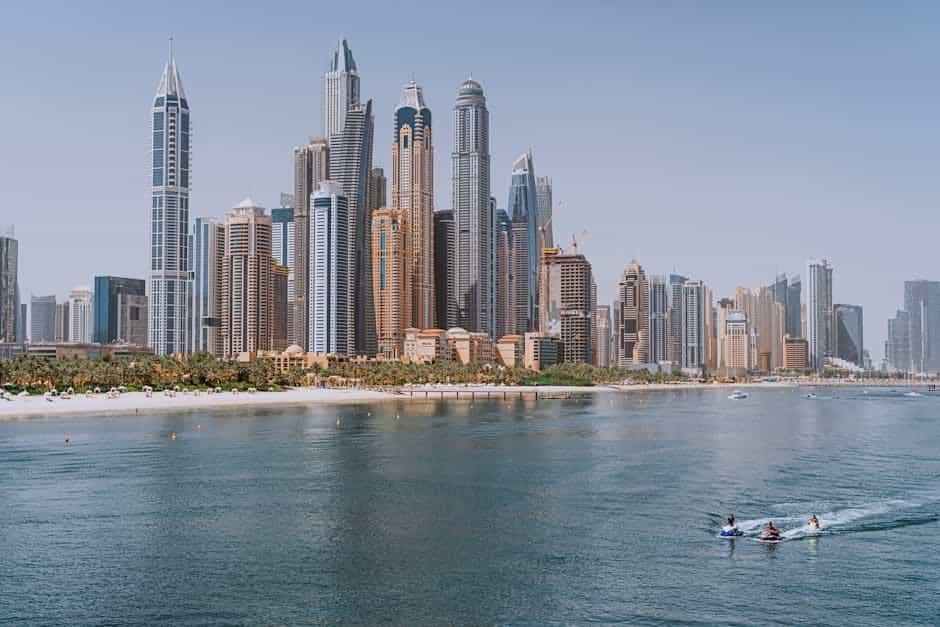
Downtown Dubai offers proximity to Burj Khalifa and Dubai Mall with luxury hotels like Armani and Address. Dubai Marina provides waterfront living with easy Metro access. Jumeirah Beach offers beachfront resorts like Madinat Jumeirah. Palm Jumeirah features iconic properties like Atlantis and Waldorf Astoria. Business Bay has modern hotels with skyline views. For budget travelers, areas near Metro stations like Al Rigga or Bur Dubai offer value. Options range from ultra-luxury (Burj Al Arab, Atlantis) to mid-range (Rove Hotels, Taj Dubai) to budget hotels and apartments. Book early during peak season (November-March) as prices increase significantly.
What are the must-visit attractions in Dubai?
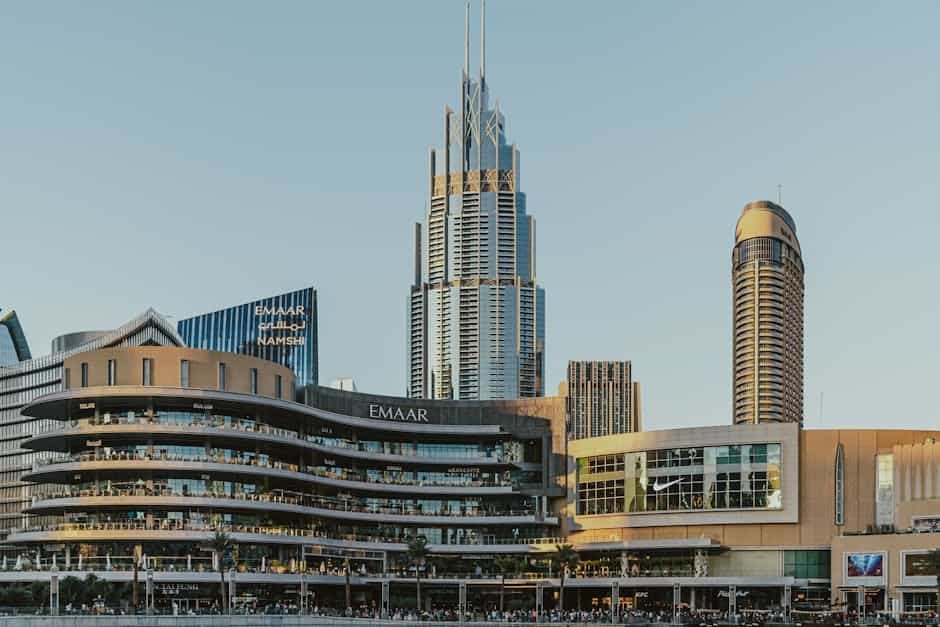
Top attractions include Burj Khalifa's observation decks for panoramic views and the Dubai Fountain shows below. Dubai Mall houses the Dubai Aquarium and endless shopping. Explore Old Dubai's Al Fahidi Historical Neighborhood and cross Dubai Creek by traditional abra to visit Gold and Spice Souks. The Museum of the Future showcases innovative technology. Palm Jumeirah offers The View at The Palm for aerial perspectives. Dubai Frame provides unique views of old and new Dubai. Desert safari experiences include dune bashing and Bedouin camps. Dubai Marina and JBR offer waterfront dining and entertainment. Seasonal attractions include Global Village (October-April) and Dubai Miracle Garden (November-April).
What local food and cuisine should I try in Dubai?
Dubai's culinary scene blends Emirati, Middle Eastern, and international flavors. Try traditional Emirati dishes like machboos (spiced rice with meat), harees, and luqaimat (sweet dumplings). Middle Eastern staples include shawarma, hummus, falafel, and kunafa. The large South Asian community ensures excellent biryani, kebabs, and Indian regional cuisines. Don't miss karak chai, Arabic coffee with dates, and saffron ice cream. Visit traditional restaurants like Al Ustad Special Kebab and Ravi Restaurant, or upscale venues like Tresind Studio and Rang Mahal. Street food at Global Village offers international variety. Dubai's dining scene caters to all dietary preferences, including extensive vegetarian and halal options.
What's the typical budget for a Dubai trip and what are the main costs?
Dubai costs vary significantly by season and choices. Budget travelers can spend $50-80/day with budget hotels ($30-50), local food ($10-20), and public transport ($5-10). Mid-range travelers budget $150-250/day for 3-4 star hotels ($80-150), restaurant meals ($30-50), and some attractions ($20-40). Luxury travelers spend $400+/day on 5-star hotels ($200-500+), fine dining ($80-150), and premium experiences. Major expenses include accommodation (40-50% of budget), dining (25-30%), attractions ($30-60 per major site), and shopping. Visit during summer for better hotel deals. Book attractions online for discounts. Public transport is very affordable with a Nol Card.
Is Dubai safe for tourists and what safety tips should I follow?
Dubai is extremely safe for tourists with very low crime rates and excellent infrastructure. The city has strict laws and efficient policing. However, follow these tips: respect local laws and customs, avoid public displays of affection, don't photograph people without permission, and never photograph government or military facilities. Stay hydrated in hot weather and use high-SPF sunscreen. Keep important documents secure and carry copies. Emergency numbers are Police (999), Ambulance (998), Fire (997). Avoid unlicensed taxis and always use official transport. The legal drinking age is 21, and alcohol is only served in licensed venues. Dubai's healthcare system is world-class but can be expensive, so ensure adequate travel insurance.
What cultural etiquette should I observe in Dubai?
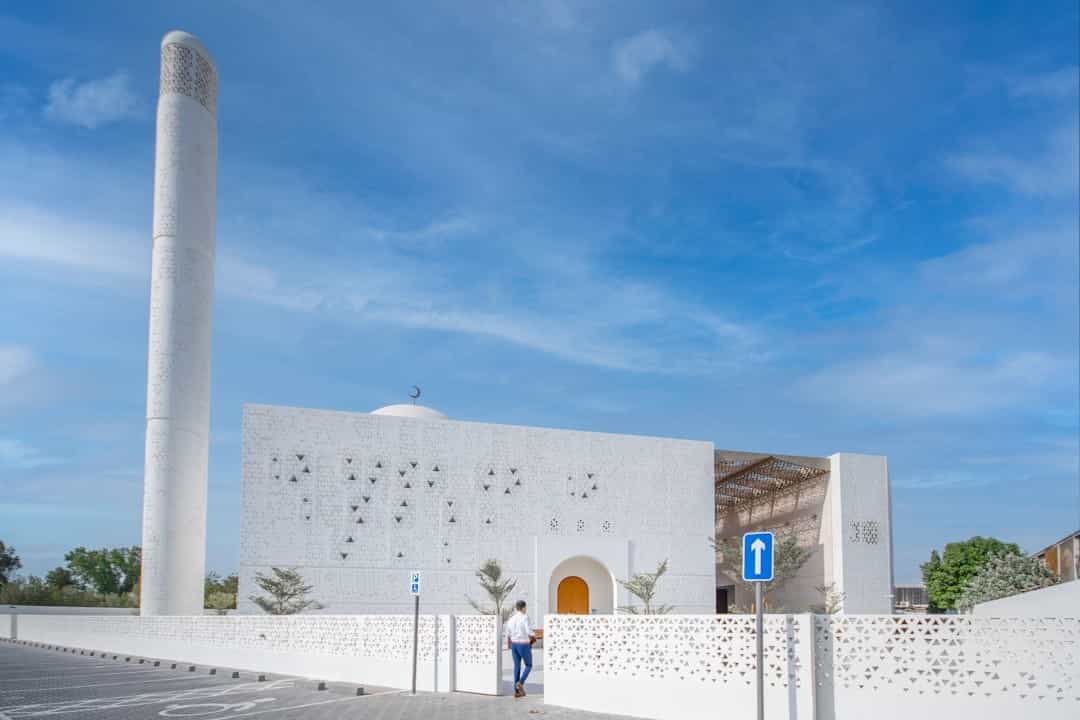
Dubai is cosmopolitan but respects Islamic traditions. Dress modestly in public areas - avoid revealing clothing, especially in malls, souks, and residential areas. Beachwear is acceptable only at pools and beaches. During Ramadan, be respectful of fasting locals by avoiding eating, drinking, or smoking in public during daylight hours. Use your right hand for greetings and eating. Remove shoes when entering mosques or homes. Friday is the holy day, so expect some businesses to close or have reduced hours. Alcohol is only available in licensed venues. Public displays of affection should be minimal. Photography of locals, especially women, requires permission. Learn basic Arabic greetings like 'Shukran' (thank you) and 'Marhaba' (hello).
How many days should I plan for a Dubai trip?
A minimum of 4-5 days allows you to see major attractions like Burj Khalifa, Dubai Mall, desert safari, and Old Dubai souks. For a comfortable pace covering beaches, theme parks, and cultural sites, plan 7-10 days. First-time visitors should allocate: 2 days for Downtown Dubai and major landmarks, 1 day for Old Dubai and souks, 1 day for desert safari, 1-2 days for beaches and Marina, and 1 day for shopping and relaxation. Add extra days for theme parks (Dubai Parks and Resorts, IMG Worlds), day trips to other emirates, or specific interests like golf or spa treatments. Dubai's compact size and excellent transport make it easy to see a lot in a short time.
What should I pack for a trip to Dubai?
Pack according to season and activities. For winter (November-March): light layers, comfortable walking shoes, evening jacket, beachwear, sunglasses, and sunscreen. For summer: lightweight, breathable fabrics, wide-brimmed hat, high-SPF sunscreen, electrolyte supplements, and a shawl for strong indoor AC. Year-round essentials include modest clothing for cultural sites, comfortable sandals, reusable water bottle, power adapter (Type G British standard), and any prescription medications. Pack formal wear for upscale restaurants and clubs. Include swimwear for beaches and hotel pools. Don't forget a good camera for iconic shots. Bring copies of important documents and keep them separate from originals. Consider packing a small first-aid kit and hand sanitizer.
What languages are spoken in Dubai and how easy is communication?
Arabic is the official language, but English is widely spoken in tourism, retail, hospitality, and transport sectors. Hindi and Urdu are commonly understood due to Dubai's large South Asian community, making it very comfortable for Indian travelers. You'll also hear Malayalam, Tamil, Punjabi, Tagalog, and Persian. Most signs, menus, and announcements are in Arabic and English. Hotel staff, taxi drivers, and shop owners typically speak multiple languages. Download translation apps as backup, but language barriers are minimal in tourist areas. Learning basic Arabic phrases like 'Shukran' (thank you), 'Marhaba' (hello), and 'Ma'a salama' (goodbye) is appreciated by locals and shows cultural respect.
Where should I shop in Dubai and what are the best souvenirs to buy?
Dubai offers both traditional and modern shopping experiences. Visit Gold Souk in Deira for competitive jewelry prices (verify purity and ask for certificates), Spice Souk for saffron, za'atar, and traditional spices, and Textile Souk for pashminas and fabrics. Modern malls include Dubai Mall, Mall of the Emirates, and City Walk for international brands and dining. Best souvenirs include gold jewelry, dates and date chocolates, Arabic sweets, premium oud and perfumes, saffron, traditional carpets, and camel milk products. Dubai is also great for electronics and designer items. Remember Indian customs allowances when buying gold or expensive items, and keep all purchase receipts. Many shops offer tax-free shopping for tourists.
What are the best outdoor activities and adventures in Dubai?
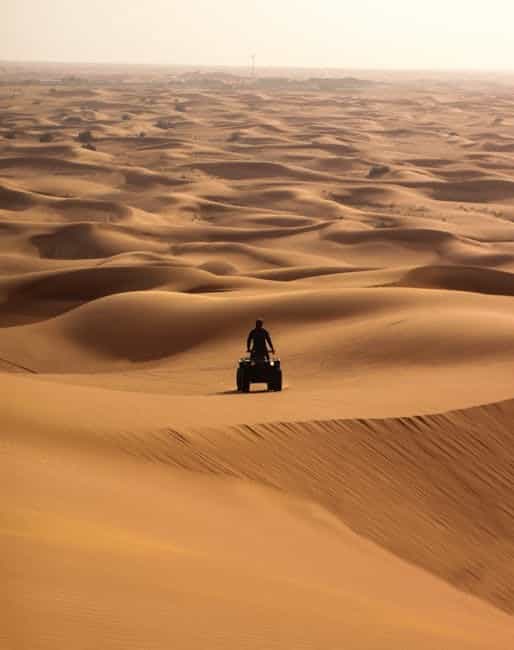
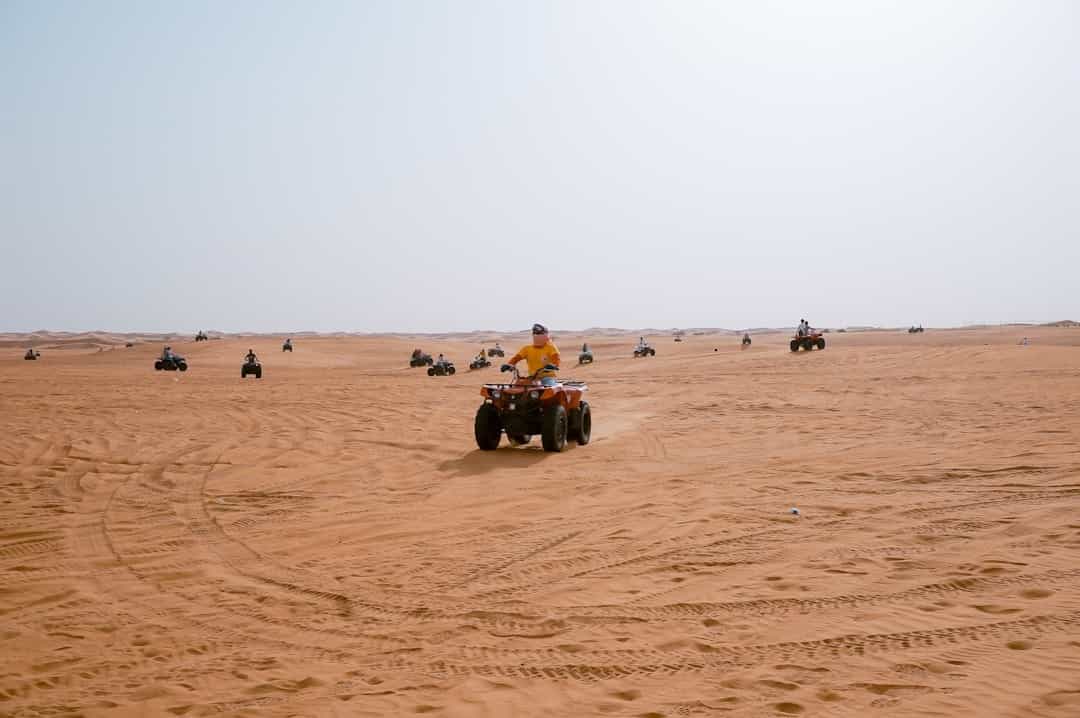
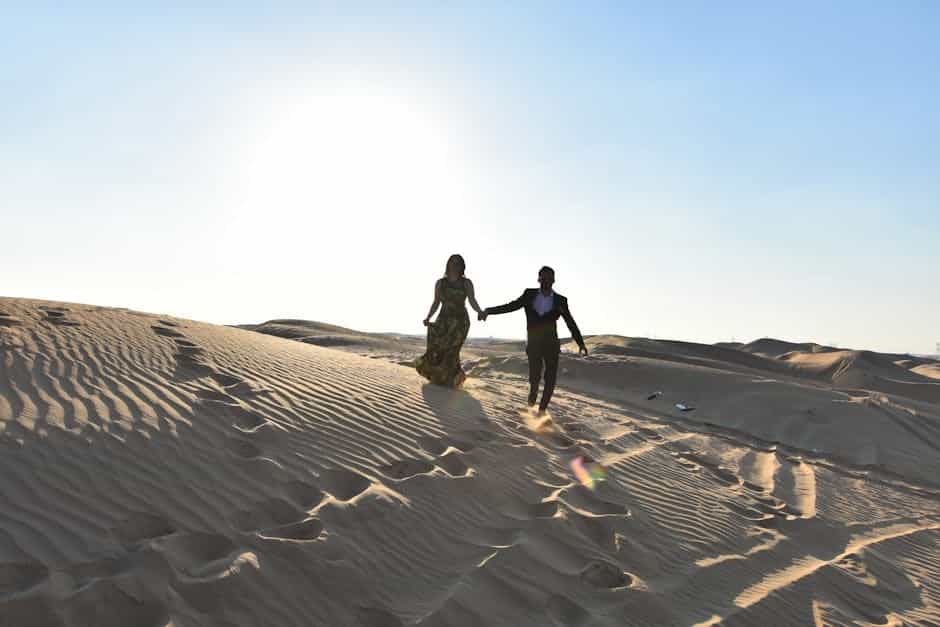
Desert safari is a must-do experience featuring dune bashing, sandboarding, camel rides, and traditional Bedouin camp dinners with cultural shows. Try hot air ballooning over the desert at sunrise for spectacular views and wildlife spotting. Water activities include jet skiing around Burj Al Arab, flyboarding, and dhow cruises on Dubai Creek or Marina. Adventure seekers can try skydiving over Palm Jumeirah, indoor skydiving, or XLine Dubai Marina zipline. Beach activities at JBR and Kite Beach offer water sports and beach volleyball. Explore Al Qudra Desert for cycling, picnics, and stargazing. Hatta offers mountain biking, kayaking at Hatta Dam, and cooler temperatures. Book through reputable operators and check weather conditions before outdoor activities.
What are the best family-friendly attractions in Dubai?
Dubai is exceptionally family-friendly with attractions for all ages. Atlantis Aquaventure Waterpark and The Lost Chambers Aquarium are perfect for families. Dubai Aquarium & Underwater Zoo in Dubai Mall offers walk-through tunnels and interactive exhibits. Ski Dubai provides snow fun year-round with skiing, snowboarding, and penguin encounters. IMG Worlds of Adventure is the world's largest indoor theme park with Marvel and Cartoon Network zones. Dubai Parks and Resorts includes Motiongate, Bollywood Parks, and Legoland. KidZania in Dubai Mall offers role-playing experiences. Dubai Miracle Garden (seasonal) features stunning floral displays. Green Planet is an indoor tropical rainforest. Most malls have dedicated kids' areas, and beaches like JBR have playgrounds and family zones.
How do I experience Dubai's nightlife and entertainment?
Dubai's nightlife centers around licensed venues in hotels and designated areas. Enjoy dinner cruises on Dubai Creek or Marina with city views and live entertainment. Rooftop bars like CÉ LA VIE and Level 43 Sky Lounge offer stunning skyline views. Beach clubs like Zero Gravity and Barasti provide casual evening atmospheres. Dubai Opera hosts world-class performances, while La Perle by Dragone offers spectacular aqua-based shows. The Dubai Fountain shows run every 30 minutes after sunset and are free to watch. Global Village (seasonal) provides evening entertainment with cultural shows and street food. Many hotels have live music venues and lounges. Remember to carry ID as the legal drinking age is 21, and alcohol is only served in licensed establishments.
What unique experiences can I only have in Dubai?
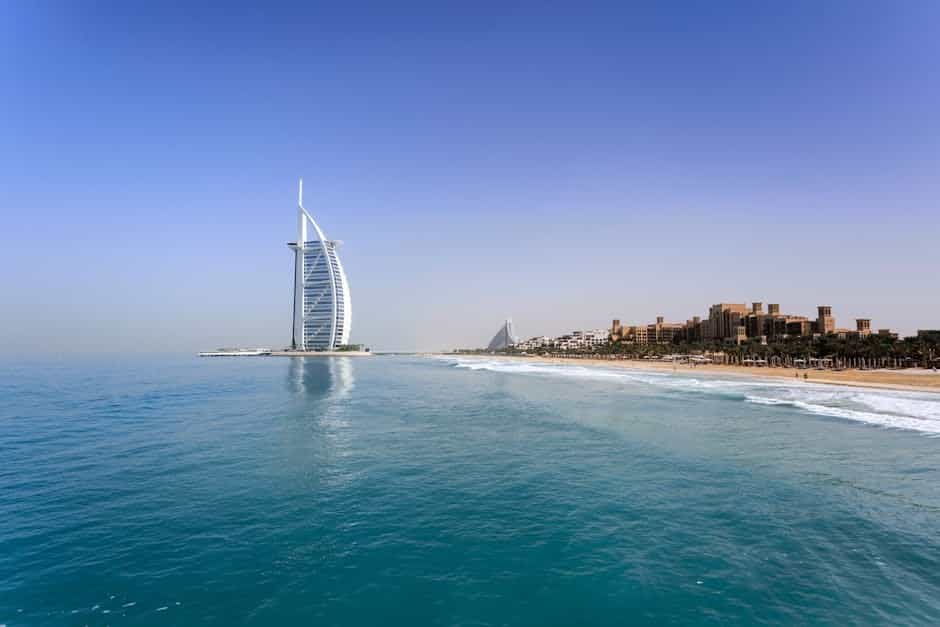
Dubai offers several unique experiences you can't find elsewhere. Ski on real snow at Ski Dubai while it's scorching hot outside, then sandboard in the desert the same day. Visit the Museum of the Future, a stunning architectural marvel showcasing tomorrow's innovations. Take photos at the iconic Burj Al Arab and stay at the world's tallest hotel, Burj Khalifa. Experience the Palm Jumeirah, a man-made island visible from space. Watch robot jockeys race camels at traditional camel racing events. Enjoy gold vending machines and luxury car police patrols. Take an abra across Dubai Creek while surrounded by modern skyscrapers. Shop at the world's largest mall with an indoor waterfall. These contrasts between ultra-modern luxury and traditional culture create experiences unique to Dubai.
What are the transportation costs and how can I save money getting around?
Dubai's public transport is very affordable. A Silver Nol Card costs AED 25 (including AED 19 credit) and offers the best value for tourists. Metro rides cost AED 3-7.5 depending on zones, buses AED 3-5, and trams AED 3. Daily passes (AED 20) and 7-day passes (AED 70) offer unlimited travel. Taxis start at AED 5 with AED 1.96 per kilometer. Uber and Careem are slightly more expensive but convenient. Traditional abras cost only AED 1 for Creek crossings. To save money: use public transport during off-peak hours, walk short distances in air-conditioned malls and covered walkways, book airport shuttles in advance, and avoid taxis during peak hours when traffic increases costs. Many hotels offer free shuttle services to major malls.
What should I know about Dubai's climate and how to stay comfortable?
Dubai has a desert climate with two distinct seasons. Winter (November-March) is pleasant with temperatures 18-28°C, low humidity, and occasional light rain. Summer (April-October) is extremely hot and humid with temperatures 34-48°C and high humidity making it feel even hotter. The city is designed for hot weather with extensive air conditioning, covered walkways between buildings, and climate-controlled public transport. Stay hydrated by drinking water regularly, use high-SPF sunscreen, wear lightweight and light-colored clothing, and plan outdoor activities for early morning or evening during summer. Most attractions, malls, and restaurants are heavily air-conditioned, so carry a light jacket. Sandstorms occasionally occur but rarely affect tourist activities significantly.
How do I handle money and payments in Dubai?
Dubai's currency is the UAE Dirham (AED). Credit and debit cards are widely accepted at hotels, malls, restaurants, and attractions. Contactless payments and mobile wallets are increasingly common. ATMs are abundant and accept international cards, though your bank may charge fees. Some UPI payments are accepted at select Indian restaurants and shops, but don't rely on this exclusively. Exchange money at banks, authorized exchanges, or hotels for better rates than airports. Keep some cash for traditional souks, taxis, abras, and small vendors who may not accept cards. Tipping is customary: 10-15% at restaurants, AED 5-10 for taxi drivers, and AED 10-20 for hotel staff. Always keep receipts for VAT refunds on purchases over AED 250 when leaving the UAE.
What are the best day trips from Dubai?
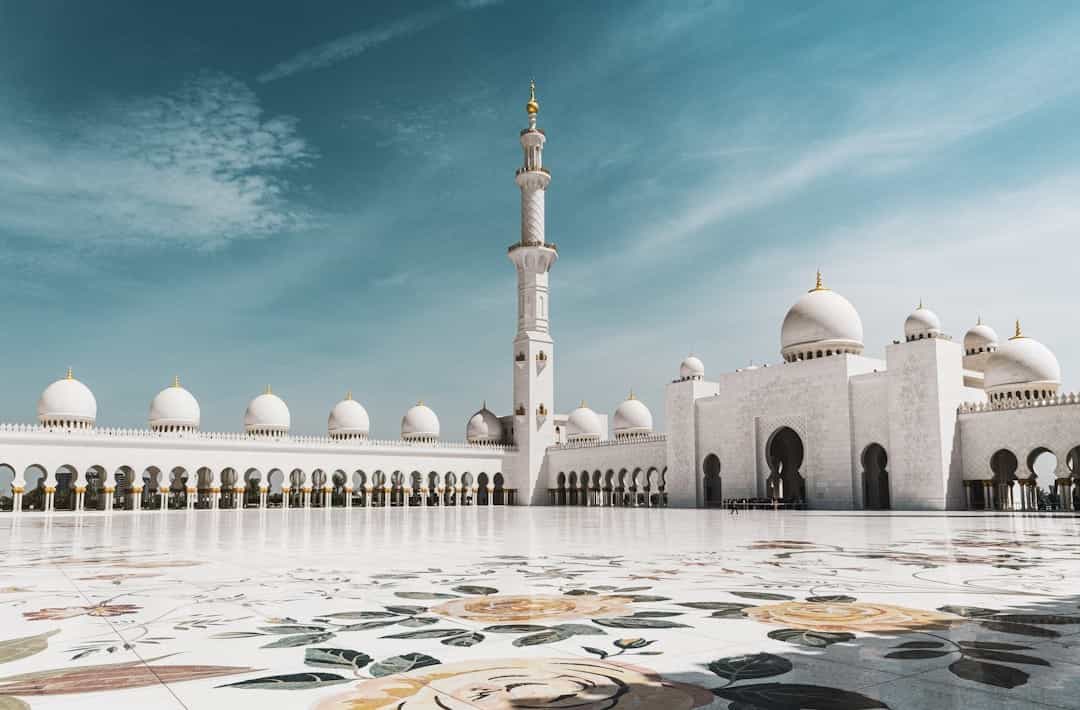
Several excellent day trips are accessible from Dubai. Abu Dhabi (90 minutes by car/bus) offers Sheikh Zayed Grand Mosque, Louvre Abu Dhabi, and Yas Island theme parks. Sharjah (45 minutes) features cultural attractions, traditional souks, and art galleries. Al Ain (90 minutes) provides UNESCO sites, natural springs, and Jebel Hafeet mountain views. Within Dubai emirate, visit Hatta (90 minutes) for mountain scenery, Hatta Dam kayaking, heritage village, and cooler temperatures. The East Coast (2 hours) offers Fujairah's beaches, snorkeling, and mountain landscapes. Ras Al Khaimah (1 hour) features Jebel Jais mountain activities and traditional culture. Most day trips can be done by rental car, organized tours, or intercity buses. Book tours through reputable operators or rent a car with GPS navigation.
What health and medical considerations should I be aware of in Dubai?
Dubai has world-class healthcare facilities but medical costs can be high, so comprehensive travel insurance is essential. The main health concerns are dehydration and heat exhaustion during summer months. Drink plenty of water, use high-SPF sunscreen, and limit outdoor exposure during peak heat (11 AM-4 PM). Tap water is safe to drink as it's desalinated and treated, but bottled water is widely available. No special vaccinations are required for most travelers. Pharmacies are well-stocked and many medications are available over-the-counter. Major hospitals include Dubai Hospital, American Hospital, and Mediclinic. Emergency services are excellent with ambulance response time averaging 7 minutes. Bring prescription medications in original containers with prescriptions. The healthcare system operates to international standards with English-speaking medical staff.