Palm Jumeirah, Dubai
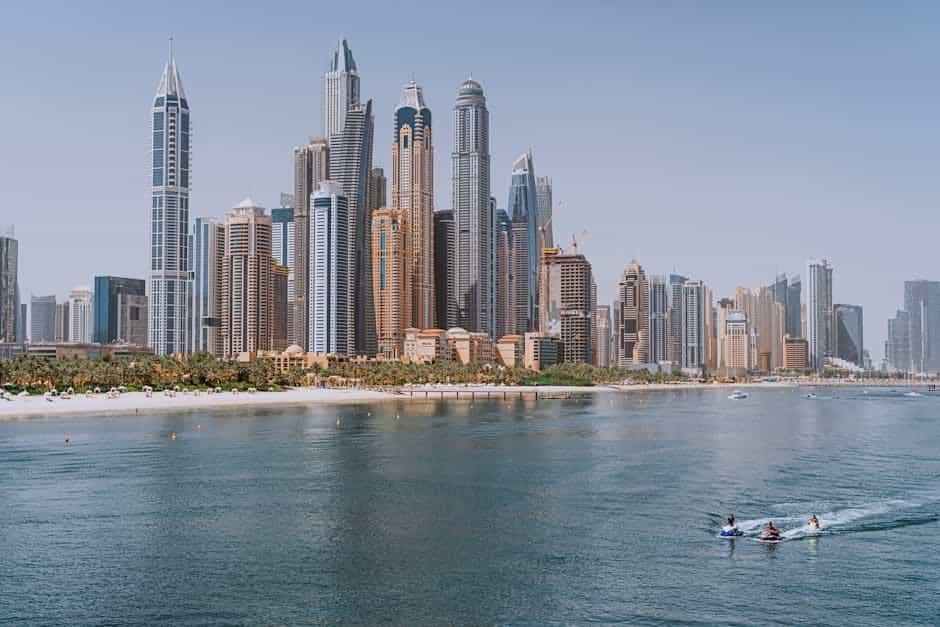
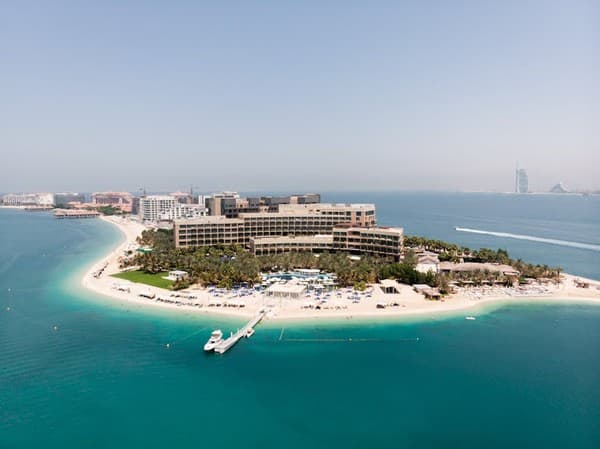
Palm Jumeirah is a man-made island and one of Dubai’s most iconic engineering projects. Constructed from reclaimed land starting in the early 2000s, it symbolizes Dubai’s rapid urban and tourism development and is a showcase of modern coastal engineering, luxury real-estate, and leisure-oriented urban planning. The island has reshaped Dubai’s coastline, contributed significantly to the emirate’s hospitality and real-estate sectors, and become a global symbol of luxury tourism.
Last updated: 07 Jan 2026
Places to visit
- Atlantis, The Palm (hotel, Aquaventure Waterpark, Lost Chambers Aquarium)
- Palm Jumeirah Boardwalk (seafront promenade)
- The Pointe (dining, fountains, waterfront views)
- Palm Jumeirah Monorail (scenic transit to Atlantis)
- Nakheel Mall and beachfront dining
- Luxury hotels and resorts (Waldorf Astoria, One&Only The Palm, Jumeirah Zabeel Saray, The Atlantis and others)
- Private villas and residential fronds
- Yacht marinas and charter departures
Unique Aspects
- Distinct palm-tree shape visible from above — an engineering and design landmark
- Crescent breakwater protecting fronds and creating an inner lagoon
- High concentration of luxury resorts and private beachfront villas
- Marine life in surrounding waters and curated aquarium exhibits
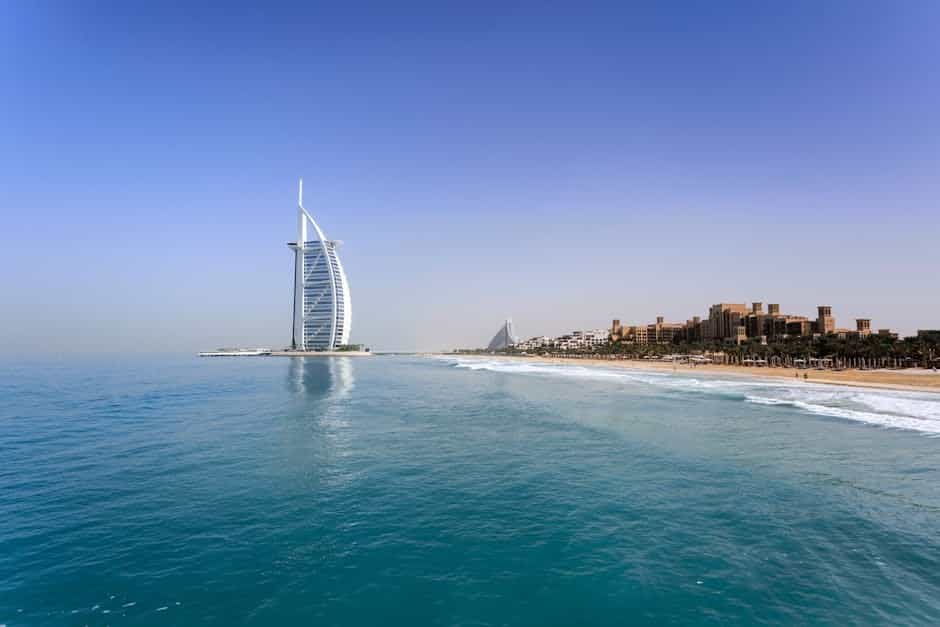
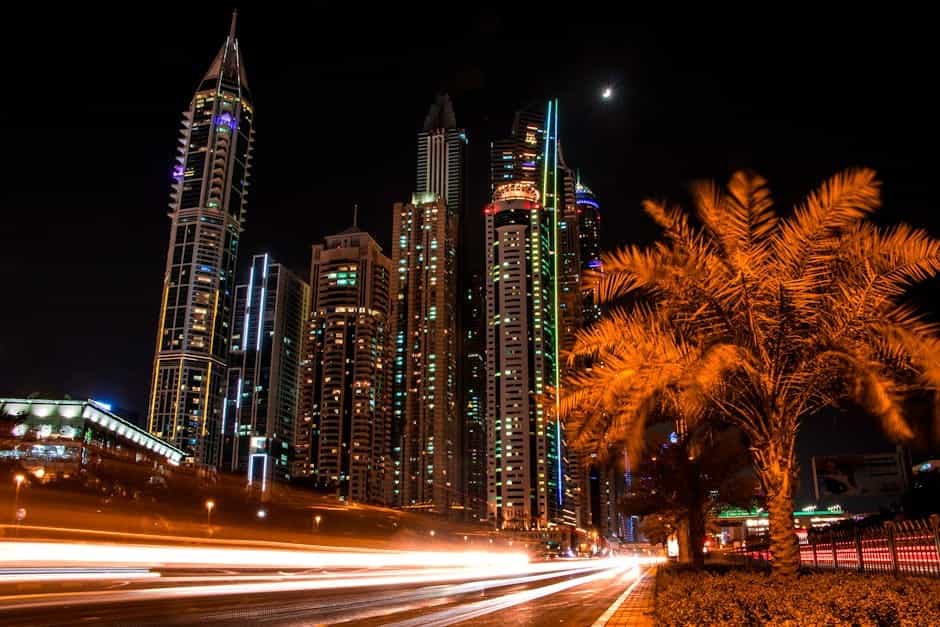
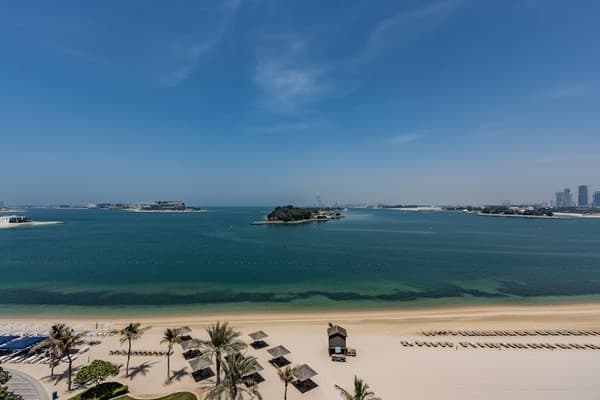
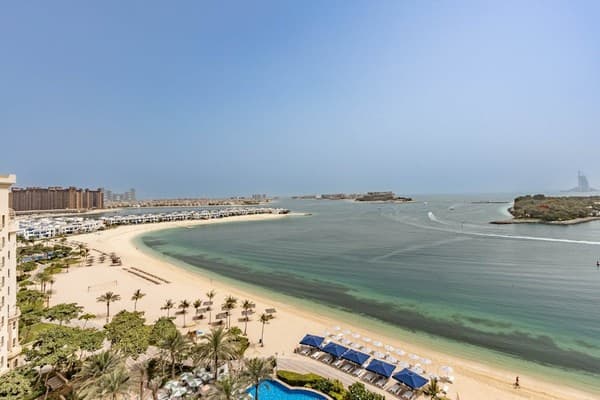
- Panoramic views of Dubai skyline, Burj Al Arab, and the Arabian Gulf
- Purpose-built monorail and landscaped boardwalk
Things to do
- Relaxing on private and hotel-managed beaches
- Riding the Palm Jumeirah Monorail for views of the trunk and fronds
- Visiting Atlantis Aquaventure Waterpark and The Lost Chambers Aquarium
- Dining at waterfront restaurants and waterfront promenades (The Pointe, Boardwalk)
- Yacht cruises, boat tours and jet-skiing in the Arabian Gulf
- Helicopter tours and scenic flyovers for aerial views
- Spa treatments and luxury resort experiences
- Scuba diving/snorkeling excursions and marine wildlife spotting
Best Time to Visit
October to April — cooler, drier weather and more comfortable outdoor conditions for beaches and sightseeing. Summer months (June–September) can be extremely hot and humid.
Weather Conditions
Hot desert climate: mild, pleasant winters (December–February) with daytime temperatures often 20–30°C (68–86°F); very hot summers (June–August) with daytime highs regularly above 40°C (104°F) and high humidity near the coast.
Accessibility
Nearest major airport: Dubai International Airport (DXB) (~30–40 km) and Al Maktoum International (DWC) (~50–60 km). Public transit: take the Dubai Metro (Red Line) to Dubai Marina / Dubai Internet City areas and transfer by taxi, tram or bus. The Palm Monorail links the Gateway station on the trunk to Atlantis on the crescent — useful for sightseeing. Ample taxis, ride-hailing (Careem, Uber), and private transfers are available. Many hotels, malls and public areas offer parking and wheelchair-accessible facilities, but accessibility can vary by venue — confirm with each hotel or attraction in advance.
Recommended Duration
Short visit: 3–6 hours to walk the Boardwalk, ride the monorail, and visit The Pointe or Atlantis public areas. Overnight stay: 1–3 nights to enjoy resort amenities, waterpark access, dining and a relaxed experience.
Clothing & Gear Tips
Light, breathable clothing for daytime; swimwear and beach cover-ups for beach or pool areas; sun protection (sunscreen, hat, sunglasses). Evenings at upscale restaurants and hotel lounges often require smart casual attire. Comfortable walking shoes for the boardwalk and sightseeing.
Local Food & Souvenirs
Palm Jumeirah offers a wide range of international and Emirati cuisine in its hotels and waterfront restaurants — notable options include fresh seafood, Arabic mezze, and modern fusion menus. For souvenirs buy dates, Arabic sweets, perfumes (oud/parfum), local spices or luxury-brand items from nearby malls. Many visitors also pick up hotel or resort-branded memorabilia.