Frequently Asked Questions about Singapore
Find answers to the most frequently asked questions about Singapore. From travel tips and safety information to must-know details, our FAQ section helps you plan a smooth and hassle-free trip.
What is the best time to visit Singapore?
Singapore has a tropical climate year-round (25-32°C), making it a great destination anytime. The prime seasons are December-February (cooler breezes, festive lights, vibrant events), June-July (school holidays, retail promotions), and September (F1 Grand Prix week). The monsoon season (November-January) brings frequent showers but cooler evenings. Summer (March-June) has hotter afternoons with occasional thunderstorms. Expect brief daily showers throughout the year, so pack a compact umbrella. December and Chinese New Year period see higher crowds and accommodation rates. For Indian travelers, the weather is quite similar to Indian summers but with more humidity and regular rain showers.
How do I get to Singapore from India?
Flying is the most practical option from India to Singapore's Changi Airport (SIN), consistently rated among the world's best airports. Flight times are approximately 4-6 hours from major Indian cities like Delhi, Mumbai, Bangalore, and Chennai. Major airlines operating this route include Singapore Airlines, Air India, IndiGo, and Scoot. Changi Airport features the stunning Jewel complex with the world's tallest indoor waterfall (Rain Vortex). From the airport, take the MRT (Mass Rapid Transit) directly into the city, which takes about 45 minutes to reach the central areas. Taxis and ride-hailing services like Grab are also readily available for door-to-door convenience.
Do Indian citizens need a visa for Singapore?
Yes, Indian passport holders generally require a pre-approved visa to enter Singapore. You must apply for a Singapore visa through the official channels before traveling. Additionally, all travelers must submit the SG Arrival Card online within 3 days before arrival - this is mandatory regardless of visa status. The process is straightforward but requires advance planning. Visa requirements can change, so always check the latest requirements on the official Singapore immigration website or consult with the Singapore embassy/consulate before your trip. Tourist visas are typically valid for multiple entries within a specific period, allowing flexibility for regional travel if you plan to visit nearby countries like Malaysia or Indonesia.
How do I get around Singapore?
Singapore has an excellent public transport system. The MRT (Mass Rapid Transit) and LRT are fast, air-conditioned, and extensive - the easiest way to explore the city. Public buses are clean, frequent, and cashless. Use contactless Visa/Mastercard payments or buy an EZ-Link/NETS card for seamless travel. Tourist day passes are available for unlimited rides. Ride-hailing apps like Grab, Gojek, and TADA operate island-wide, while traditional metered taxis are reliable. Walking is pleasant in downtown areas with shaded paths, and cycling is popular along park connector networks. Important tip: No eating or drinking is allowed on public transport, and fines apply for violations.
Where should I stay in Singapore and what accommodation options are available?
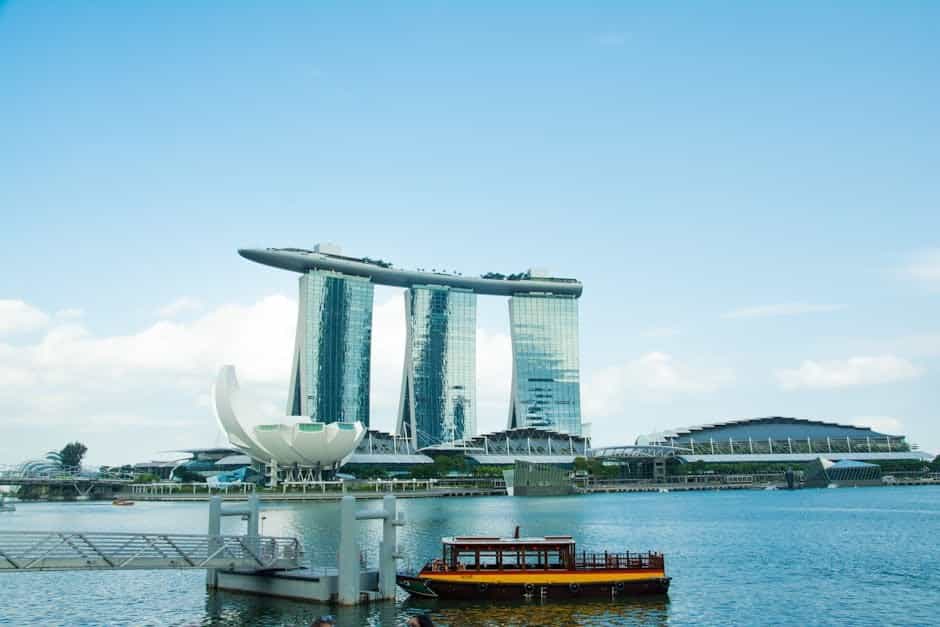
Singapore offers diverse accommodation options across different areas. Marina Bay is ideal for iconic experiences with hotels like Marina Bay Sands (famous infinity pool) and The Fullerton Hotel. Orchard Road provides shopping convenience with properties like Shangri-La Singapore. Sentosa Island offers resort-style stays like Capella Singapore for a tropical retreat. For cultural immersion, consider hotels near Chinatown or Little India. Budget-friendly options include YOTEL Singapore and lyf Funan for smart, centrally-located stays. Luxury seekers can choose Raffles Singapore or The Ritz-Carlton Millenia. Book early during peak seasons (December, Chinese New Year, F1 weekend) when rates increase significantly. Most areas are well-connected by MRT, making location less critical.
What are the must-visit attractions in Singapore?
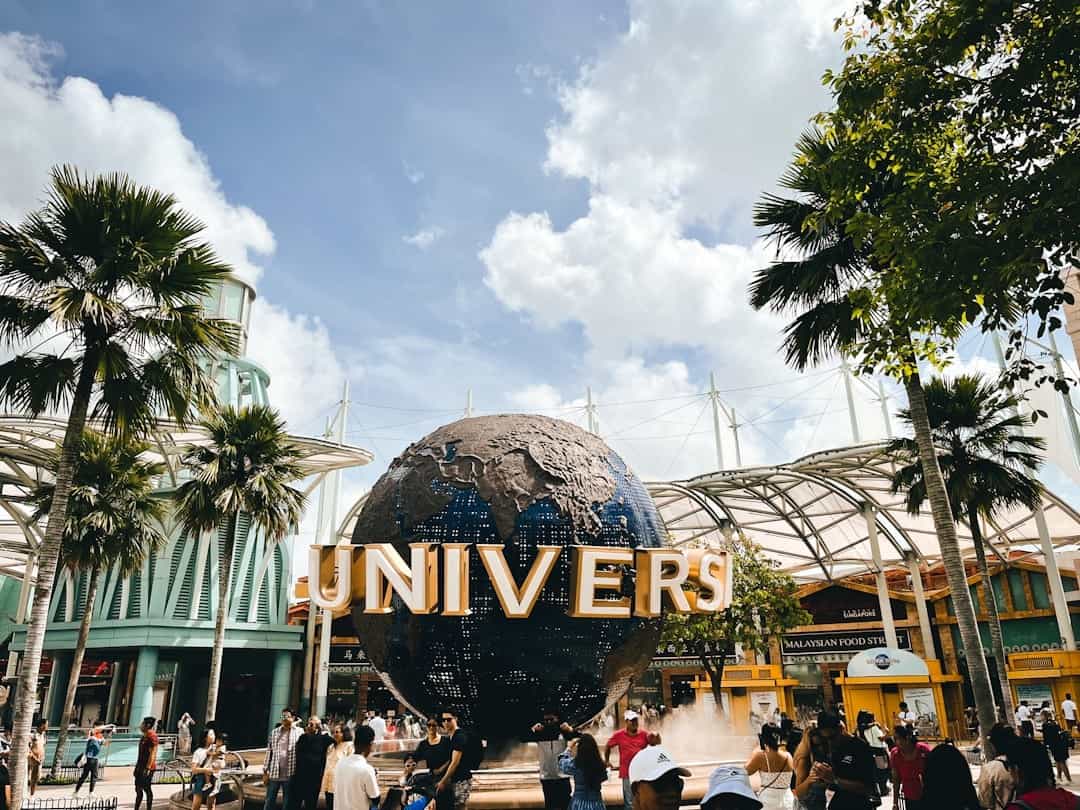
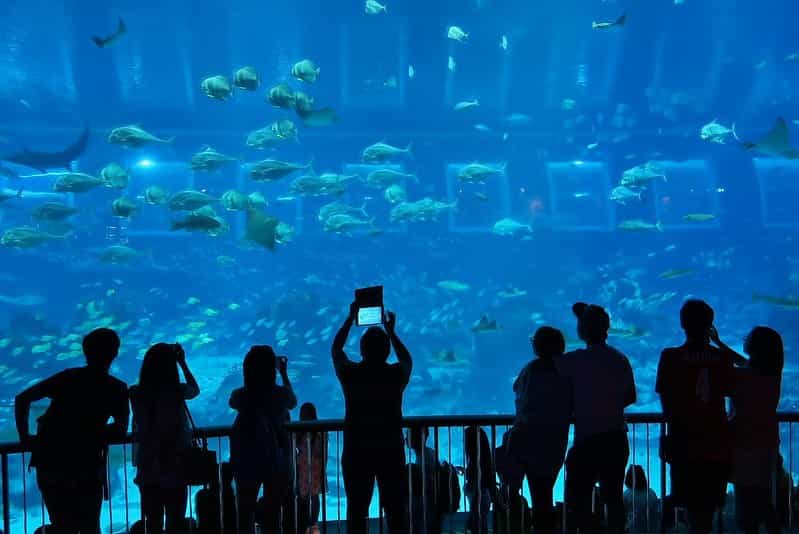
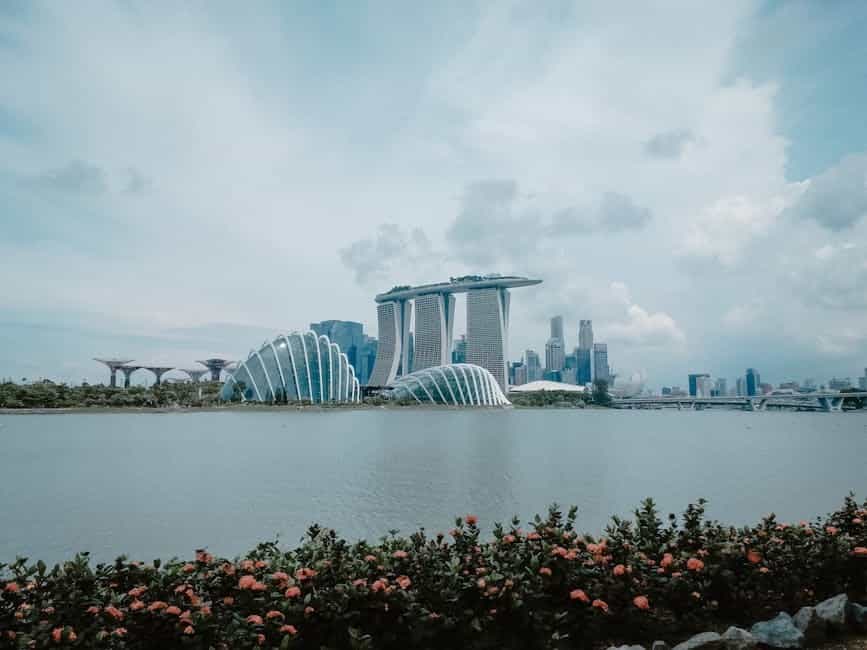
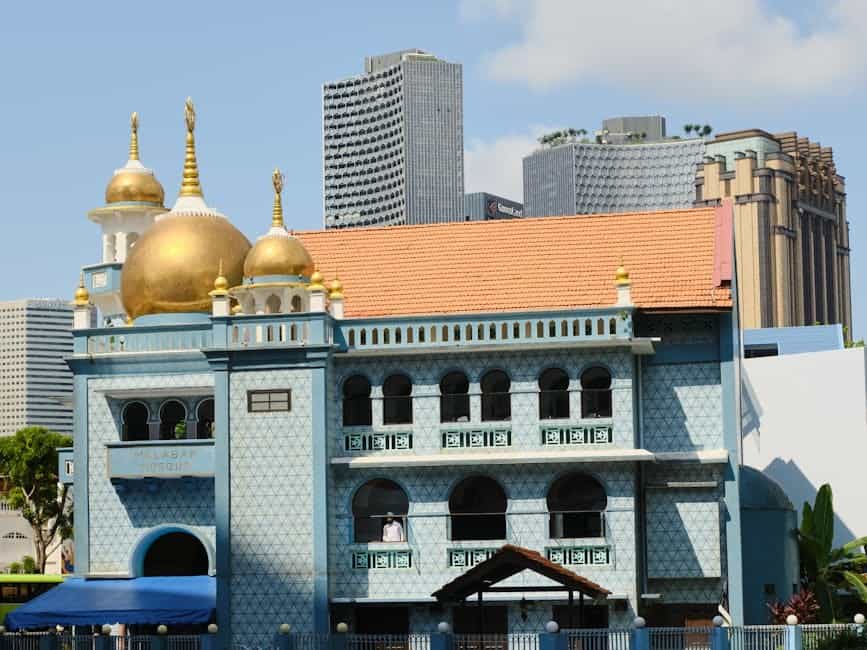
Top attractions include Marina Bay Sands SkyPark for panoramic city views and Gardens by the Bay with its iconic Supertrees and climate-controlled domes. Sentosa Island houses Universal Studios Singapore, S.E.A. Aquarium, and beautiful beaches. The UNESCO-listed Singapore Botanic Gardens offers serene nature walks and the National Orchid Garden. Mandai Wildlife Reserve features the world-famous Singapore Zoo, Night Safari, River Wonders, and Bird Paradise. Cultural districts like Chinatown, Little India, and Kampong Gelam showcase Singapore's multicultural heritage with temples, mosques, and heritage streets. Don't miss Jewel Changi Airport's Rain Vortex and shopping complex. The Southern Ridges, including Henderson Waves bridge, provides 10km of elevated green walkways with stunning city views.
What local food should I try in Singapore?
Singapore's food scene is UNESCO-recognized and phenomenal. Must-try dishes include Hainanese Chicken Rice (national favorite), Chilli Crab and Black Pepper Crab, Laksa (coconut-spicy noodle soup), and Satay with peanut sauce. For Indian-Singaporean specialties, try Roti Prata, Fish Head Curry, Murtabak, and Teh Tarik. Visit hawker centers like Maxwell Food Centre (famous Tian Tian Chicken Rice), Lau Pa Sat, and Tekka Centre for authentic experiences. Indian vegetarians will find excellent options at Komala Vilas, MTR Singapore, and Saravana Bhavan. Don't miss local breakfast of Kaya Toast with kopi. For upscale dining, try Jumbo Seafood for chilli crab or Michelin-starred Candlenut for Peranakan cuisine. The variety spans from street food to fine dining.
What should I budget for a Singapore trip?
Singapore can be expensive, but budget options exist. Daily budgets vary: Budget travelers (hostels, hawker food, public transport): SGD 80-120 per day. Mid-range (3-star hotels, mix of hawker and restaurant meals): SGD 200-350 per day. Luxury (5-star hotels, fine dining): SGD 500+ per day. Key costs: Accommodation (SGD 50-500+ per night), meals at hawker centers (SGD 5-15), restaurants (SGD 30-100+ per person), attractions (SGD 20-40 each), MRT day pass (SGD 10-20). Money-saving tips: Eat at hawker centers, use public transport, visit free attractions like Gardens by the Bay light show, take advantage of hotel promotions during off-peak periods. Many attractions offer online discounts, and some museums have free admission hours.
Is Singapore safe for tourists?
Singapore is one of the world's safest destinations with extremely low crime rates. Violent crime against tourists is virtually non-existent, and you can walk safely at any time of day or night. However, maintain routine precautions like securing valuables and being aware of your surroundings. The city has strict laws with heavy fines for seemingly minor infractions: no littering (SGD 300+ fine), no jaywalking, no smoking in prohibited areas, and chewing gum sales are restricted. Public drinking has time and location restrictions. Emergency services are efficient - dial 999 for police/ambulance, 995 for fire. The tap water is completely safe to drink. Healthcare is excellent but expensive, so ensure you have travel insurance. Women travelers feel particularly secure in Singapore.
What cultural etiquette should I follow in Singapore?
Singapore is multicultural and generally tolerant, but respect local customs. Remove shoes when entering homes, temples, and some traditional establishments. Dress modestly when visiting religious sites - cover shoulders and knees. Use your right hand for greetings and passing items, especially in Malay and Indian contexts. When visiting temples, follow specific rules like no leather items in some Hindu temples. Tipping isn't mandatory but appreciated for good service (10% at restaurants without service charge). Be mindful of noise levels in public spaces and on transport. Respect the diverse religious practices - you'll encounter Hindu, Buddhist, Islamic, and Christian traditions. Learning basic greetings in local languages (Tamil 'Vanakkam', Malay 'Selamat', Chinese 'Ni Hao') is appreciated. Queue properly and be patient.
How many days should I spend in Singapore?
A minimum of 4-5 days allows you to see major attractions without rushing. Ideal duration is 6-8 days for a comprehensive experience including day trips. Sample 5-day itinerary: Day 1 - Marina Bay area, Gardens by the Bay; Day 2 - Sentosa Island (Universal Studios or beaches); Day 3 - Cultural districts (Chinatown, Little India, Kampong Gelam); Day 4 - Singapore Zoo/Night Safari; Day 5 - Orchard Road shopping, Southern Ridges walk. With 7+ days, add Pulau Ubin island trip, more hawker center exploration, additional museums, or a day trip to Johor Bahru, Malaysia. Singapore's compact size means you can cover significant ground quickly, but taking time to savor the food culture and explore neighborhoods deeply enhances the experience. Business travelers often extend weekends into 4-day trips.
What should I pack for Singapore?
Pack light, breathable clothing for hot, humid weather (25-32°C year-round). Essential items: lightweight cotton/linen shirts, comfortable walking shoes, sandals, compact umbrella (for frequent brief showers), sunscreen (high SPF), hat, and sunglasses. Bring a light jacket or cardigan for heavily air-conditioned indoor spaces (malls, restaurants, transport). Modest clothing for religious sites - pants/long skirts and shirts covering shoulders. Swimwear for Sentosa beaches or hotel pools. Personal items: any prescription medications, universal power adapter (Type G, 230V), and comfortable day pack for sightseeing. Don't overpack - Singapore has excellent shopping for anything you forget. Avoid packing chewing gum (restricted), and check duty-free allowances for alcohol/tobacco. Quick-dry clothes are helpful during monsoon season.
What languages are spoken in Singapore and how easy is communication?
English is widely used for signage, services, and business, making communication very easy for Indian travelers. Singapore has four official languages: English, Mandarin Chinese, Malay (national language), and Tamil. You'll find Tamil signage and media, which is particularly helpful for South Indian visitors. Locals often speak 'Singlish' - a charming blend of English with local flavors and expressions from various languages. Most service staff, especially in tourist areas, speak clear English. Restaurant menus, MRT announcements, and official information are in English. In cultural enclaves like Little India, you'll hear Tamil and Hindi conversations. Chinatown predominantly uses Mandarin and various Chinese dialects, while Kampong Gelam features Malay and Arabic. Translation apps can help with specific dialects, but English will serve you well throughout your visit.
Where can I shop and what souvenirs should I buy?
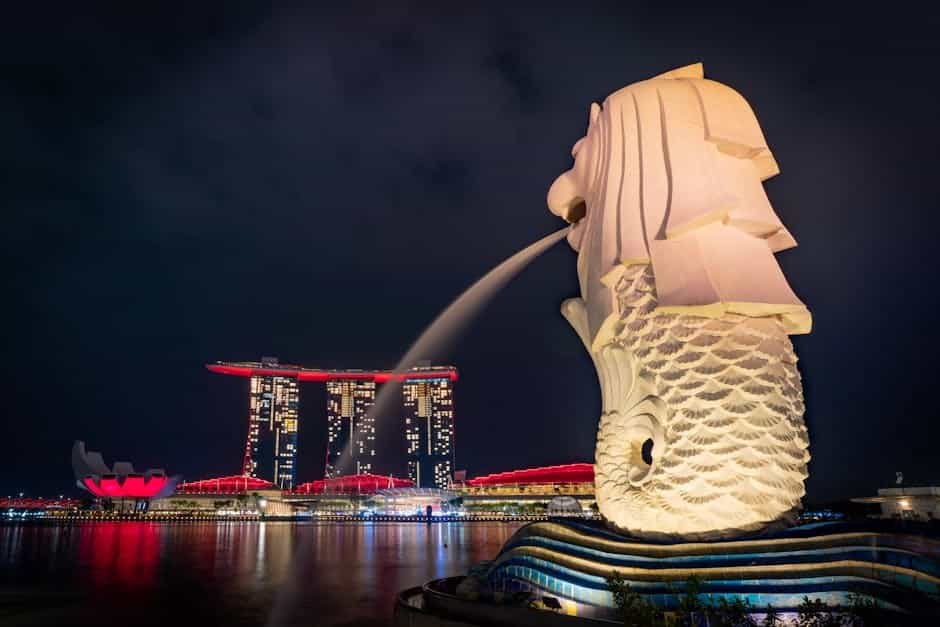
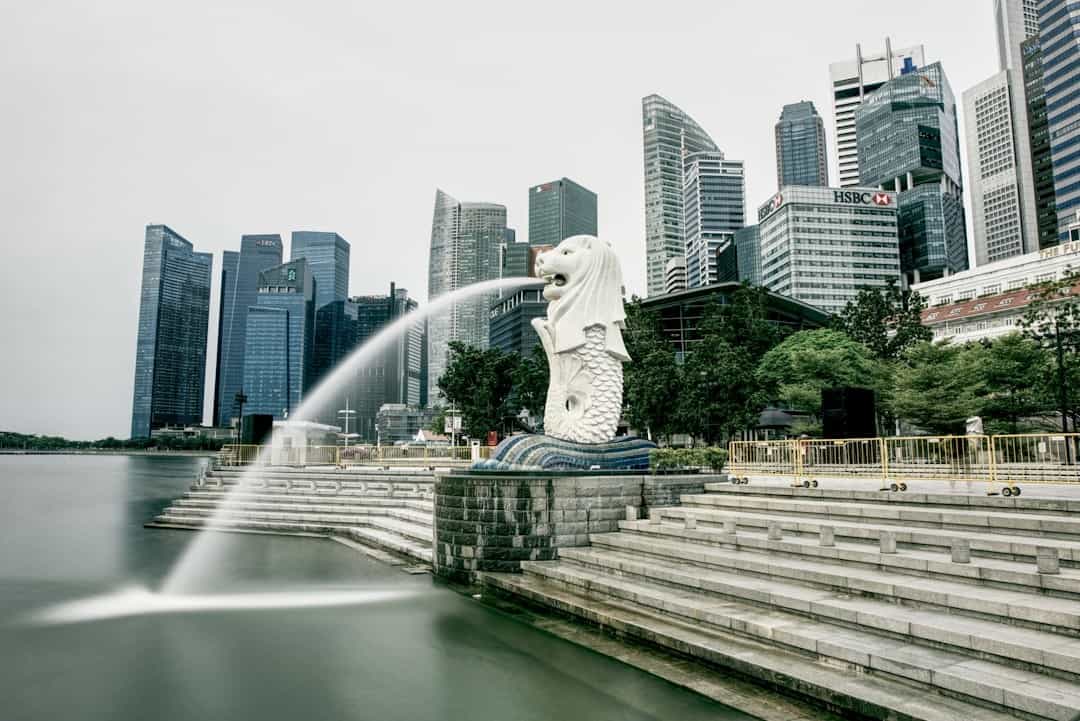
Orchard Road is the main shopping belt with luxury malls like ION Orchard, Ngee Ann City, and Paragon. For budget finds, visit Bugis Street Market for fashion and souvenirs. Cultural shopping includes Chinatown Street Market (tea, trinkets, jade), Little India and 24/7 Mustafa Centre (electronics, textiles, spices), and Haji Lane for indie boutiques. Jewel Changi and VivoCity offer destination shopping experiences. Unique Singapore souvenirs include: Kaya jam, local coffee blends, pandan cake, Peranakan tiles and crafts, orchid-inspired perfumes, Singapore Sling mix, and 'Merlion' themed items. Design Orchard showcases made-in-Singapore brands. Don't miss claiming GST refunds on eligible purchases (minimum SGD 100) at airport e-TRS kiosks. Major sales happen during Great Singapore Sale (June-July) and year-end holidays.
What are the unique experiences I shouldn't miss in Singapore?
Experience the nightly Garden Rhapsody light show at Supertree Grove (free and magical), watch sunset from Marina Bay Sands SkyPark or Singapore Flyer, and explore the world's tallest indoor waterfall at Jewel Changi. Take the world's first Night Safari for close encounters with nocturnal wildlife. Embark on a hawker center food trail - chicken rice, laksa, chilli crab, and roti prata are essential. Walk the Southern Ridges including Henderson Waves, Singapore's highest pedestrian bridge. Immerse yourself in Little India's temples, jasmine garland vendors, and spice shops. Take a bumboat ride along Singapore River for historical perspectives. Visit during festivals like Chinese New Year, Deepavali, or Thaipusam for cultural celebrations. Try indoor skydiving at iFly or bungy jumping at Sentosa. The combination of ultramodern attractions with authentic cultural experiences makes Singapore truly unique.
How is the weather in Singapore and what should I expect?
Singapore has an equatorial climate with consistent warmth and humidity year-round. Temperatures range from 25-32°C (77-90°F) with high humidity (80-90%). Expect brief tropical showers almost daily, usually lasting 30-60 minutes before clearing up. The Northeast Monsoon (November-January) brings more frequent rain and slightly cooler evenings (24-30°C). There's no true winter or snow season. UV levels are high, so sun protection is essential. The weather is quite predictable - hot and humid with afternoon/evening showers. Air conditioning is ubiquitous and often very cold indoors, creating significant temperature differences. For Indian travelers, it's similar to Mumbai's climate but with more regular rainfall and consistent temperatures throughout the year. Pack for hot, humid conditions with rain preparedness, and you'll be comfortable exploring this tropical city-state.
What adventure activities can I do in Singapore?
Singapore offers exciting adventure activities despite its urban setting. At Sentosa Island, try the 47-meter AJ Hackett bungy jump, Giant Swing, or Skybridge at Skypark Sentosa. Mega Adventure Park features the 450-meter MegaZip zipline and high ropes courses. Experience indoor skydiving at iFly Singapore or ride the gravity-powered Skyline Luge carts. For water adventures, go kayaking or stand-up paddleboarding at Kallang Basin, Sentosa, or explore mangroves near Pulau Ubin. Nature lovers can hike the MacRitchie Treetop Walk, Bukit Timah Nature Reserve, or the 10km Southern Ridges trail system. Cycling along the Park Connector Network, especially at East Coast Park, is popular. Try rock climbing at indoor facilities or outdoor walls. The adventure activities blend seamlessly with Singapore's urban landscape, offering thrills within easy reach of world-class dining and accommodation.
What is Singapore's nightlife like?
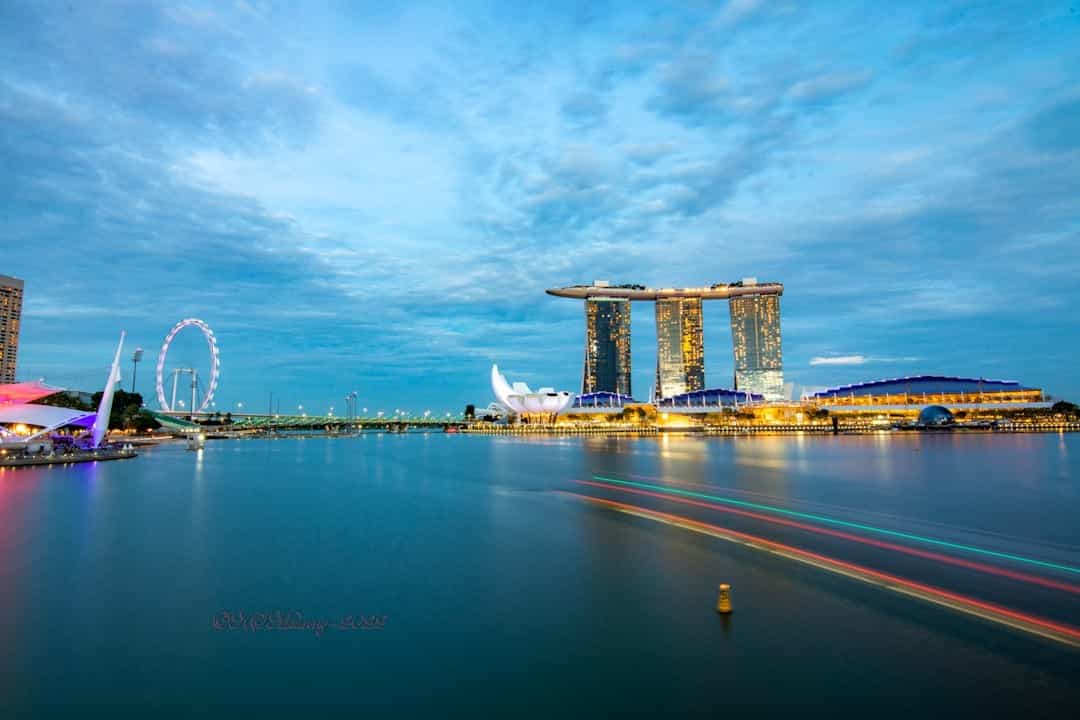
Singapore's nightlife is vibrant and diverse, centered around several key areas. Clarke Quay and Boat Quay offer riverside bars, live music venues, and neon-lit entertainment along the Singapore River. World-class nightclubs like Zouk and MARQUEE feature international DJs and state-of-the-art sound systems. For sophisticated experiences, visit rooftop bars like CÉ LA VI at Marina Bay Sands or award-winning cocktail bars ATLAS and Native. Level33 combines craft brewery with stunning Marina Bay views. The free nightly Spectra Light & Water Show at Marina Bay provides family-friendly entertainment. Haji Lane and Arab Street offer alfresco lounges with indie music and relaxed vibes. Night Safari provides a unique wildlife-focused evening experience. Singapore's nightlife operates under regulated hours, with most venues closing by 3 AM on weekends. The scene caters to all preferences, from casual drinks to high-energy clubbing.
Are there good options for vegetarian and Indian food in Singapore?
Absolutely! Singapore is excellent for vegetarian and Indian food lovers. Little India is the heart of authentic Indian cuisine with restaurants like Komala Vilas (pure vegetarian), MTR Singapore, and numerous South Indian establishments serving dosas, idli, and thali meals. Tekka Centre hawker center in Little India offers incredible vegetarian options. Popular chains include Saravana Bhavan and Kailash Parbat with multiple outlets. For North Indian food, try Zam Zam near Sultan Mosque for excellent murtabak and biryani. Many hawker centers have dedicated vegetarian stalls, and Chinese vegetarian options are widely available. Jain-friendly food is found in Little India establishments. Even upscale malls have vegetarian restaurants, and international chains offer vegetarian menus. Most restaurants clearly mark vegetarian dishes, and staff understand dietary requirements. The Tamil-speaking population ensures authentic South Indian flavors, making Singapore a comfortable destination for Indian vegetarian travelers.
What are some off-beat places to visit in Singapore?
Beyond the famous attractions, Singapore offers unique off-beat experiences. Visit Pulau Ubin island for rural kampong vibes, mangrove walks, and cycling through traditional landscapes - it feels like stepping back in time. Explore Sungei Buloh Wetland Reserve for excellent birdwatching and boardwalk trails through mangroves. The colorful Peranakan shophouses in Joo Chiat-Katong area offer Instagram-worthy architecture and authentic local eateries. Gillman Barracks houses contemporary art galleries in a former military base setting. Haw Par Villa presents surreal mythological displays and cultural exhibitions in a unique theme park. Visit Kranji Countryside for agritourism at places like Bollywood Veggies farm. Coney Island Park offers quiet beaches, casuarina groves, and cycling trails away from crowds. Fort Canning's hidden spiral staircase and WWII Battlebox provide historical intrigue. These locations showcase Singapore's natural heritage, local culture, and historical depth beyond the typical tourist trail.
What festivals and events happen in Singapore throughout the year?
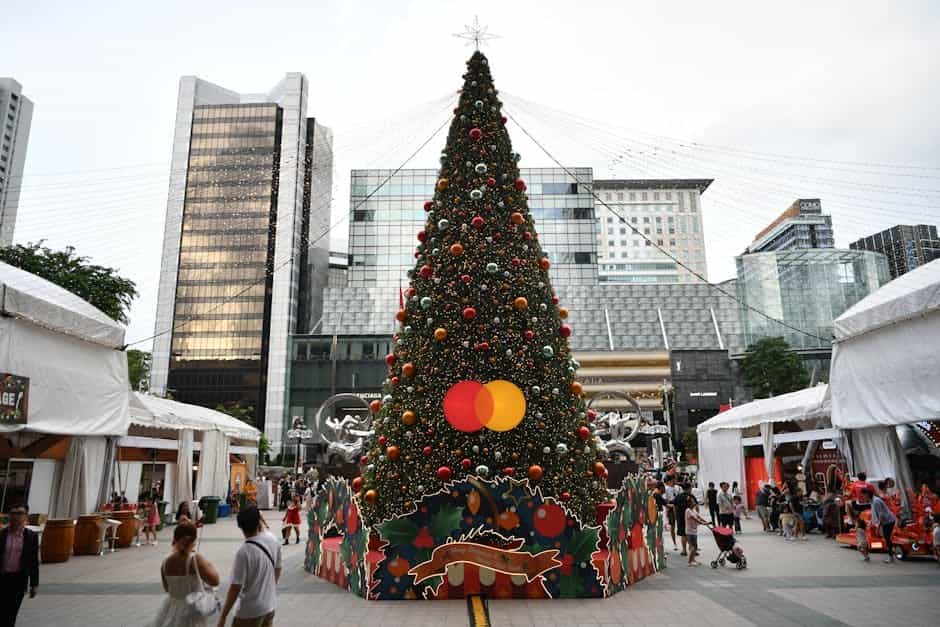
Singapore celebrates diverse festivals year-round reflecting its multicultural population. Chinese New Year (January/February) features spectacular street decorations, lion dances, and the grand Chingay Parade with elaborate floats. Indian festivals include Thaipusam and Pongal (January/February) with colorful processions in Little India, and Deepavali (October/November) when Little India lights up beautifully. Hari Raya Puasa celebrates Eid with vibrant bazaars in Geylang Serai. The Formula 1 Singapore Grand Prix (September) transforms the city into a racing circuit with concerts and events. Singapore Food Festival (July/August) celebrates the nation's culinary heritage. National Day (August 9) features military parades and spectacular fireworks. The Great Singapore Sale (June-July) is a shopper's paradise. Christmas on Orchard Road (November-January) creates magical light displays, while Marina Bay Countdown offers stunning New Year fireworks. These events provide authentic cultural experiences and festive atmospheres throughout the year.
What practical tips should Indian travelers know about Singapore?
Key practical information for Indian travelers: Singapore is 2.5 hours ahead of Indian Standard Time (UTC+8). The Singapore Dollar (SGD) is the currency; cards and contactless payments are widely accepted, with ATMs readily available. Tap water is completely safe to drink - among the world's cleanest. Power outlets use Type G plugs (230V/50Hz), so bring a universal adapter. Tourist eSIM/SIM cards from Singtel, StarHub, or M1 provide affordable, fast internet connectivity. The city operates on strict cleanliness laws with heavy fines for littering, jaywalking, or smoking in prohibited areas. Tipping isn't mandatory but 10% is appreciated for good service. Most establishments accept Indian credit cards, but inform your bank about international travel. Download the Grab app for convenient ride-hailing and food delivery. Keep digital and physical copies of important documents. Singapore's efficiency means shorter queues and punctual services, so plan accordingly and arrive on time for bookings.