Essential Health Precautions for Visiting Vietnam: Your Complete Guide
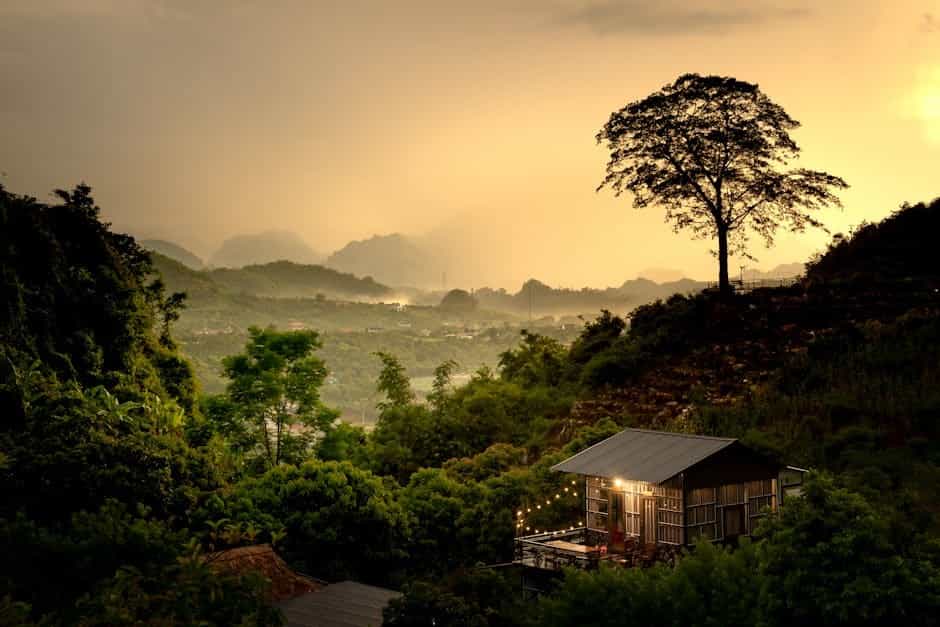
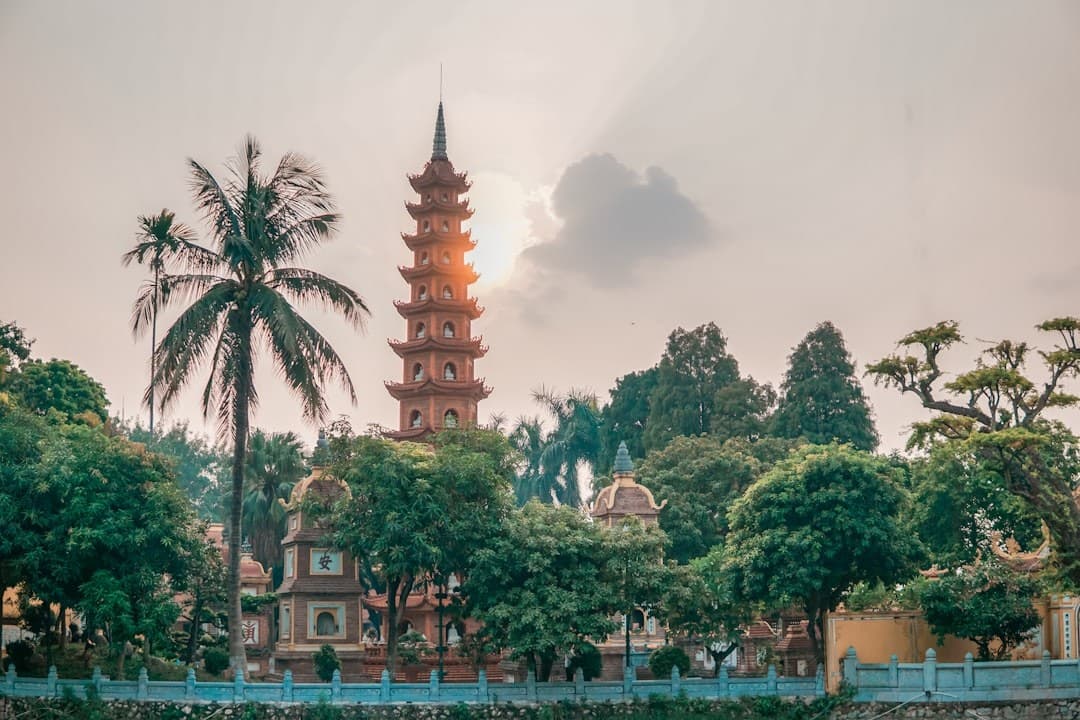
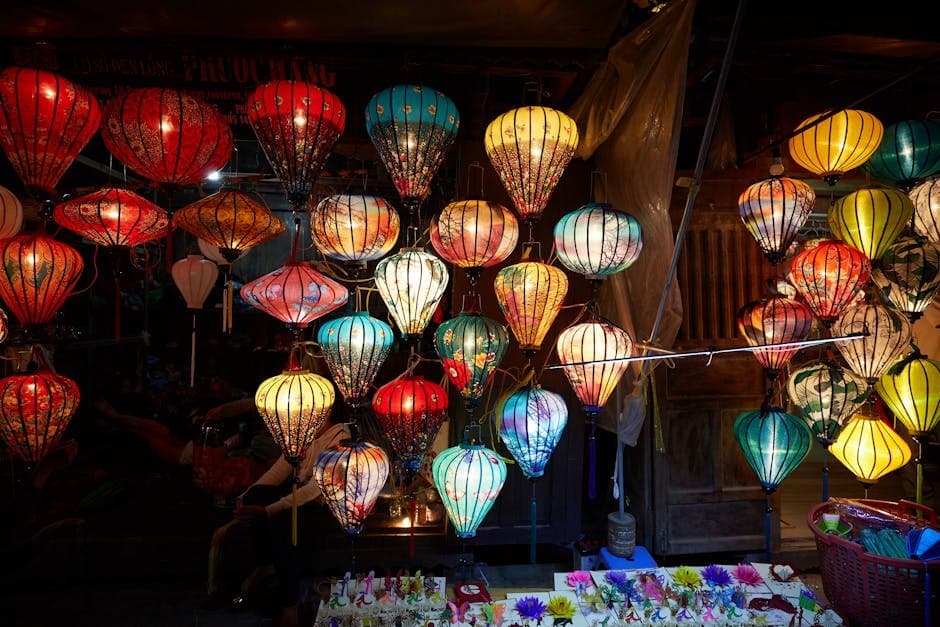
Vietnam is a breathtaking destination that captivates travelers with its emerald rice paddies, bustling cities, ancient temples, and some of the world's most incredible street food. From the limestone karsts of Ha Long Bay to the vibrant chaos of Ho Chi Minh City, this Southeast Asian gem offers experiences that will stay with you forever.
But here's the thing – nothing ruins an amazing trip faster than getting sick. Trust me, you don't want to spend your precious vacation days confined to a hotel room when you could be cruising through the Mekong Delta or savoring a steaming bowl of pho.
The good news? With proper preparation and a few smart precautions, you can minimize health risks and focus on what really matters: soaking up every incredible moment of your Vietnamese adventure. Let's dive into everything you need to know to stay healthy before, during, and after your trip.
Pre-Travel Vaccinations and Medical Preparations
Recommended Vaccinations
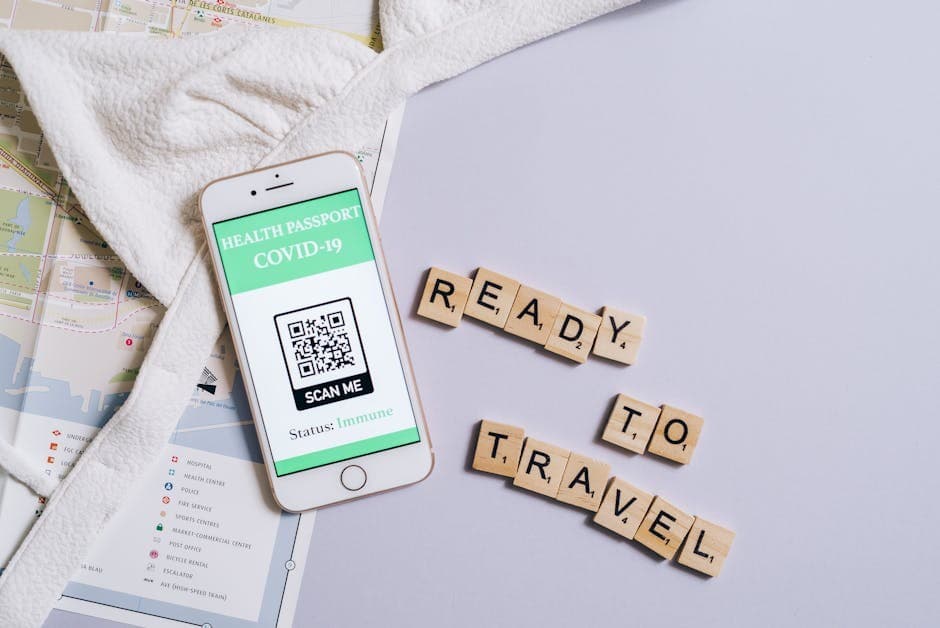
Before you start packing your bags, schedule a visit to your doctor or a travel health clinic at least 4-6 weeks before departure. This gives vaccines enough time to become effective and allows for any multi-dose schedules.
Here are the vaccinations typically recommended for Vietnam:
- Routine vaccines – Ensure your measles-mumps-rubella (MMR), diphtheria-tetanus-pertussis, varicella, and yearly flu shots are up to date
- Hepatitis A – Highly recommended as it spreads through contaminated food and water
- Hepatitis B – Recommended for most travelers, especially those who might have intimate contact or medical procedures
- Typhoid – Important if you'll be eating street food or traveling to smaller cities and rural areas
- Japanese Encephalitis – Consider this if you're spending extended time in rural areas or during the rainy season
- Rabies – Recommended for adventure travelers, those working with animals, or visiting remote areas where medical care is limited
Malaria Prevention
Malaria exists in some parts of Vietnam, particularly in rural and forested areas along the borders with Cambodia, Laos, and China. However, major tourist destinations like Hanoi, Ho Chi Minh City, Da Nang, and coastal areas are generally considered low-risk.
Consult your doctor about whether antimalarial medication is necessary based on your specific itinerary. If you're trekking through the Central Highlands or spending time in remote regions, prophylaxis may be recommended.
Travel Insurance: Don't Leave Home Without It
This isn't optional – it's absolutely essential. Quality travel insurance that covers medical evacuation can be a literal lifesaver. Vietnam has decent healthcare in major cities, but serious conditions may require evacuation to Singapore or Bangkok.
Look for policies that cover:
- Emergency medical treatment
- Medical evacuation
- Trip cancellation
- Coverage for adventure activities if you're planning motorbike tours or trekking
Food and Water Safety: Navigating Vietnam's Culinary Scene
The Water Situation
Let's be clear: do not drink tap water in Vietnam. This is non-negotiable. The tap water isn't treated to the standards most Western travelers are accustomed to.
Here's how to stay hydrated safely:
- Drink only bottled water and check that seals are intact
- Avoid ice in drinks unless you're at a reputable establishment (though tourist areas generally use purified ice)
- Use bottled water for brushing your teeth
- Consider bringing a portable water purifier or UV sterilizer for eco-friendly hydration
Street Food Smarts
Vietnam's street food is legendary – and yes, you absolutely should try it! The key is being strategic about where and what you eat.
Signs of a safe street food stall:
- High turnover with lots of locals eating there
- Food cooked fresh in front of you
- Clean cooking area and utensils
- The vendor handles money separately from food
Foods that are generally safer:
- Dishes served piping hot
- Freshly cooked meats and seafood
- Pho and other soups (the boiling broth kills bacteria)
- Bánh mì from busy vendors
Be cautious with:
- Raw vegetables and salads (unless at upscale restaurants)
- Unpeeled fruits
- Shellfish from questionable sources
- Dishes that have been sitting out
Pro tip: Carry hand sanitizer and use it religiously before eating. Your stomach will thank you.
Protecting Against Mosquito-Borne Diseases
Mosquitoes in Vietnam can carry dengue fever, Zika virus, and in some areas, malaria and Japanese encephalitis. Unlike malaria mosquitoes, dengue-carrying mosquitoes bite during the day, so protection is a 24/7 concern.
Your Mosquito Defense Strategy
- Use DEET-based repellent (30-50% concentration) or picaridin-based alternatives
- Wear protective clothing – Long sleeves and pants, especially during dawn and dusk
- Sleep under mosquito nets if your accommodation doesn't have screens or air conditioning
- Treat clothing with permethrin for added protection
- Avoid stagnant water where mosquitoes breed
Dengue fever is more common in urban areas and during the rainy season (May-November), so be especially vigilant during these times.
Common Health Issues and How to Handle Them
Traveler's Diarrhea
Let's address the elephant in the room – stomach issues are common for visitors to Vietnam. Your digestive system simply isn't used to the local bacteria, even in perfectly clean food.
Prevention:
- Follow food and water safety guidelines
- Consider taking probiotics before and during your trip
- Ease into street food gradually
Treatment:
- Stay hydrated with oral rehydration salts (available at pharmacies)
- Loperamide (Imodium) for symptom relief
- Seek medical attention if symptoms persist beyond 48 hours or include fever/blood
Heat-Related Illness
Vietnam's tropical climate can be intense, especially in the south. Heat exhaustion and heatstroke are real risks.
- Drink plenty of water throughout the day
- Take breaks in air-conditioned spaces
- Wear lightweight, breathable clothing
- Use sunscreen religiously (SPF 30+)
- Avoid strenuous activities during peak heat (11am-3pm)
Air Quality Concerns
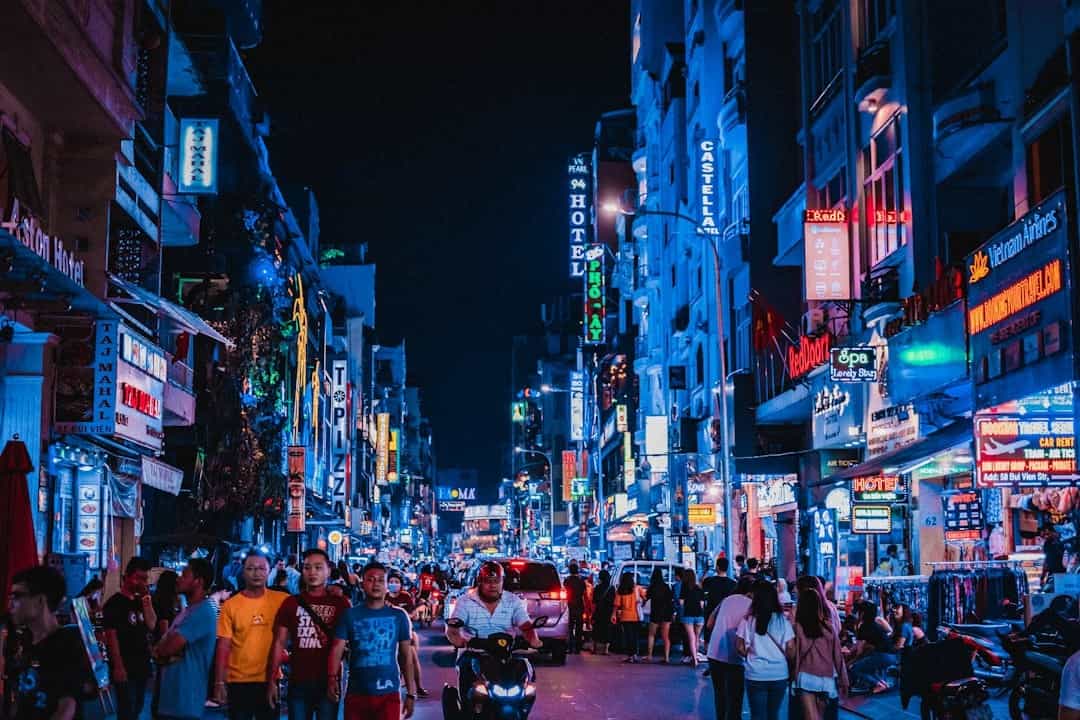
Hanoi and Ho Chi Minh City regularly experience poor air quality due to traffic and industrial pollution. If you have respiratory issues:
- Check air quality indexes before outdoor activities
- Consider wearing an N95 mask on bad days
- Carry any necessary respiratory medications
Medical Care in Vietnam
Vietnam's healthcare system varies significantly between urban and rural areas. Major cities have international clinics and hospitals with English-speaking staff and Western-trained doctors.
Recommended International Hospitals
- Hanoi: Hanoi French Hospital, Family Medical Practice
- Ho Chi Minh City: FV Hospital, Columbia Asia International Clinic
- Da Nang: Family Medical Practice Da Nang
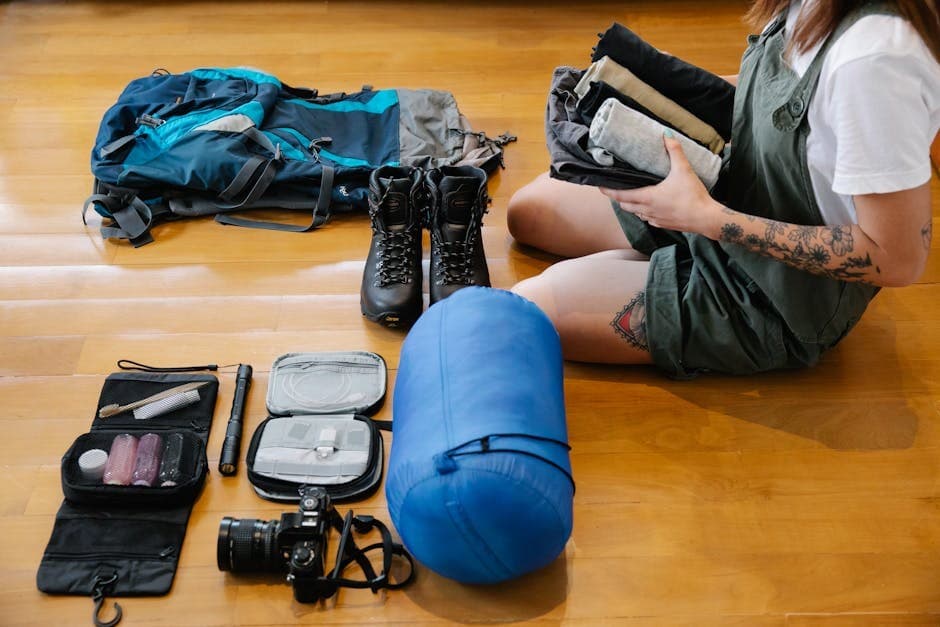
Packing a Travel Health Kit
Bring these essentials:
- Prescription medications (in original containers with documentation)
- Basic pain relievers and fever reducers
- Antihistamines for allergies
- Antidiarrheal medication
- Oral rehydration salts
- Bandages and antiseptic
- Insect repellent and sunscreen
- Motion sickness medication (for boats and winding mountain roads)
Special Considerations
Motorbike Safety
Motorbike accidents are the leading cause of injury for tourists in Vietnam. If you choose to ride:
- Always wear a helmet
- Have an international driving permit
- Never drink and drive
- Consider whether your travel insurance covers motorbike accidents
Swimming and Water Activities
- Be cautious of strong currents at beaches
- Only swim in designated areas
- Avoid swimming in freshwater bodies where waterborne parasites may exist
Conclusion: Your Healthy Vietnam Adventure Awaits
Vietnam is an incredible destination that rewards prepared travelers with unforgettable experiences. By taking these health precautions seriously, you're setting yourself up for the trip of a lifetime.
Key takeaways:
- Visit a travel clinic 4-6 weeks before departure for vaccinations
- Purchase comprehensive travel insurance – it's non-negotiable
- Be smart about food and water – embrace street food wisely
- Protect against mosquitoes around the clock
- Pack a well-stocked health kit and know where international clinics are located
- Listen to your body – rest when needed and seek medical care if something feels wrong
With these precautions in place, you can focus on what really matters: falling in love with Vietnam's stunning landscapes, warm people, and incredible cuisine. Chúc bạn đi chơi vui vẻ – Have a wonderful trip!
Leave a Comment
Explore Vietnam
Ready to plan your trip? Check out our complete travel guide and packages.