Forest Rest Houses in Uttarakhand: How to Book & What to Expect
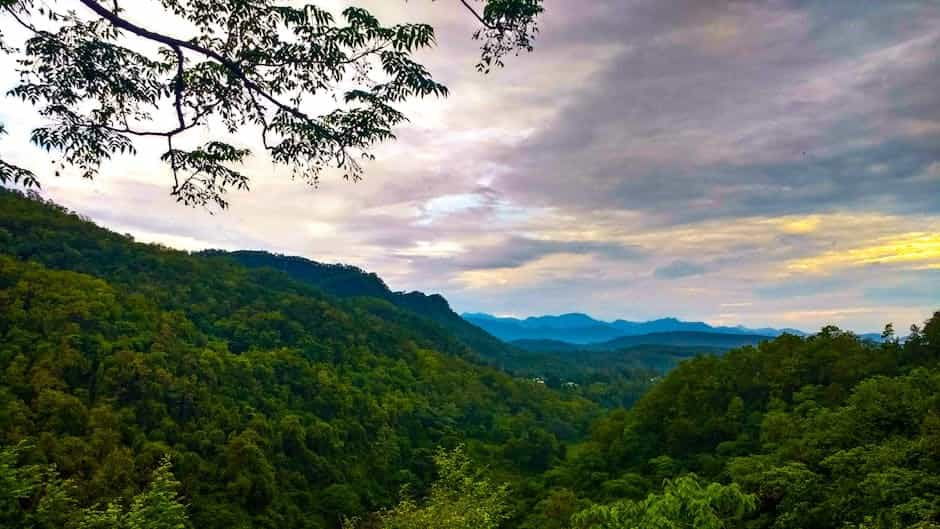
Imagine waking to the symphony of barbet calls echoing through a deodar canopy, stepping onto a colonial-era veranda, and watching the first light spill over Himalayan ridges — all without another tourist in sight. Welcome to Uttarakhand's Forest Rest Houses (FRHs), one of India's best-kept accommodation secrets.
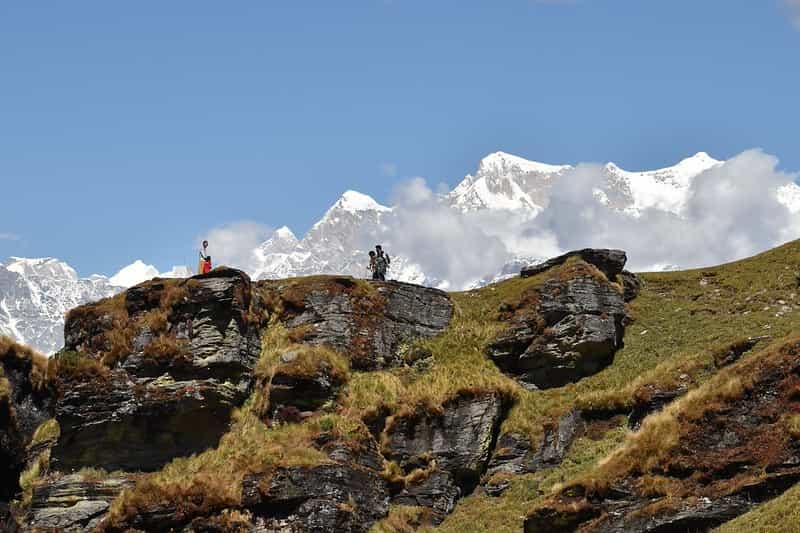
Scattered across 13 districts — from the sal forests of the Terai to the high-altitude meadows of Garhwal and Kumaon — these government-run heritage bungalows offer something no luxury resort can: unfiltered immersion in the wild. Whether you're a birder, a trekker, a photographer, or simply someone craving a digital detox, an FRH stay is an experience you'll carry for life.
What Exactly Is a Forest Rest House?
Forest Rest Houses are government accommodations managed by the Uttarakhand Forest Department. Most date back to the British Raj, when they were built as outposts for forest officers patrolling remote timber and wildlife zones. Today, they've been opened to travellers seeking an off-the-beaten-path experience.
Uttarakhand has more than 200 FRHs, spread across national parks, wildlife sanctuaries, river valleys, and scenic hilltops. They range from simple two-room stone cottages at 2,000+ metres to larger complexes like the iconic Dhikala Forest Lodge inside Jim Corbett National Park, which has 32 rooms across six wings.
Why Choose an FRH Over a Hotel?
- Unbeatable locations: FRHs sit inside protected forests and sanctuaries — places where commercial hotels simply cannot be built. You're steps away from wildlife corridors, not kilometres.
- Heritage charm: Think wood-and-stone architecture, large windows framing mountain panoramas, crackling fireplaces, and verandas draped in creepers.
- Budget-friendly: Tariffs are government-set and significantly lower than private lodges. Expect to pay anywhere from ₹500–₹2,000 per night for most FRHs outside national parks.
- Expert access: Trained local guides familiar with regional flora and fauna can escort you on nature walks, birding trails, and wildlife excursions.
- Digital detox: Limited mobile connectivity and often solar-powered electricity mean you truly unplug and reconnect with nature.
How to Book a Forest Rest House in Uttarakhand
Booking an FRH isn't as simple as clicking "Reserve" on a hotel app — but that's part of the adventure. Here's your step-by-step guide:
1. Identify the FRH and Its Jurisdiction
Every FRH falls under a specific Divisional Forest Officer (DFO). Start by identifying which forest division manages the rest house you want. The Uttarakhand Forest Department website lists online services and contact details.
2. Contact the DFO Office
Reservations are typically made by contacting the DFO office for the specific district — either in person, by phone, or via email. For FRHs inside Corbett Tiger Reserve, bookings can also be made through the official Corbett online portal. For rest houses along Char Dham routes, the GMVN (Garhwal Mandal Vikas Nigam) portal at gmvnonline.com handles tourist rest house bookings.
3. Book Well in Advance
Popular FRHs fill up fast. For high-demand locations like Dhikala in Corbett, Indian nationals should book 45 days in advance, while foreign nationals need to book 90 days ahead. For other FRHs, a minimum of 15 days' advance notice is generally required, and booking permits are typically issued about 7 days before your stay.
4. Carry Valid ID
You'll need government-issued photo ID (Aadhaar, passport, or voter ID) for verification at the time of booking and check-in.
5. Know the Stay Limits
Most FRHs allow a maximum stay of 2–3 nights to ensure availability for other visitors. Plan your itinerary accordingly.
Pro Tip: If you're visiting Corbett and core-zone FRH permits are full, consider booking a perimeter eco-lodge and arranging daily safari permits separately — you'll still get excellent wildlife access.
What to Expect: Amenities and Atmosphere
Let's set expectations right: FRHs are not luxury resorts. They're rustic, authentic, and wonderfully simple.
Accommodation
- Rooms typically feature comfortable beds with clean linens and attached bathrooms with running water (hot water via solar or geyser in many locations).
- Larger complexes like Dhikala offer cottages, log huts, annexe rooms, and dormitories for budget travellers.
- Architecture is classic British-colonial — wooden interiors, stone walls, large windows, and sometimes a working fireplace.
Meals
- Some FRHs have on-site canteens serving simple buffet meals (especially inside national parks like Corbett's Bijrani and Dhikala zones).
- At remote FRHs, caretakers may cook basic vegetarian meals on request — but don't count on it.
- Carry your own supplies: dry snacks, instant noodles, biscuits, tea, and bottled water are wise additions to your pack.
Connectivity and Power
- Electricity can be limited or solar-powered, especially at high-altitude FRHs. Some locations provide power only between 8 PM and 6 AM.
- Mobile network coverage is patchy to non-existent — embrace it as a feature, not a bug.
- First-aid facilities are generally available.
Top Forest Rest Houses Worth Seeking Out
With 200+ options, choosing can be overwhelming. Here are some standout FRHs across both Garhwal and Kumaon regions:
Garhwal Region
- Kanasar FRH (Dehradun): Set in a magnificent deodar forest near Chakrata, this is a favourite for its cathedral-like tree canopy and butterfly diversity.
- Deoban FRH (Dehradun): At nearly 3,000 metres, Deoban offers sweeping views and access to pristine cedar forests — a paradise for birders.
- Devalsari FRH (Tehri): A lesser-known gem amid oak and rhododendron forests, perfect for solitude seekers.
- Harsil / Gangotri FRHs (Uttarkashi): Gateway stays for the sacred Gangotri corridor, surrounded by towering peaks and the rushing Bhagirathi.
Kumaon Region
- Kilbury FRH (Nainital): A colonial-era bungalow from the 1920s perched at 2,200 metres inside the Naina Devi Himalayan Bird Conservation Reserve — one of Uttarakhand's finest birding spots with 250+ species.
- Binsar FRH (Almora): Deep inside Binsar Wildlife Sanctuary, with panoramic Himalayan views and excellent chances of spotting Himalayan black bear and barking deer.
- Sitabani FRH (Nainital): On the fringes of Corbett, a tranquil base for forest walks without the safari-crowd intensity.
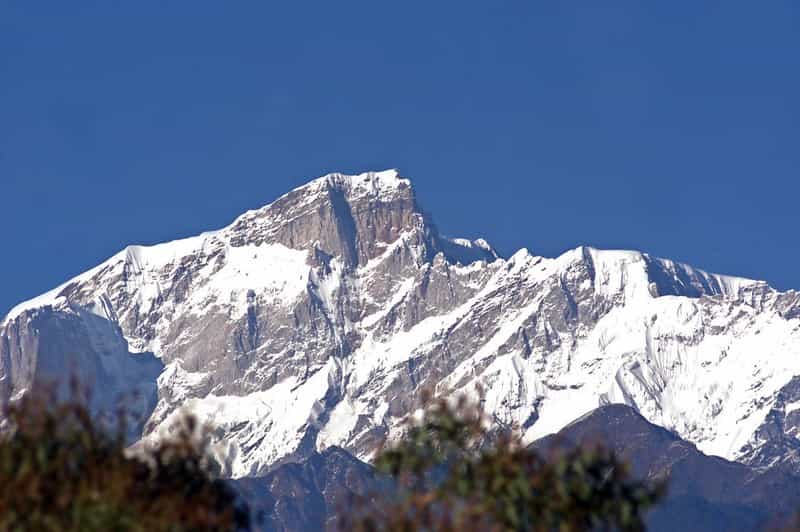
- Munsiyari FRH (Pithoragarh): A front-row seat to the stunning Panchachuli massif — ideal for high-altitude trekkers.
Inside Corbett Tiger Reserve
- Dhikala Forest Lodge: The crown jewel. Situated on the Ramganga River with dense sal forest and vast grasslands, it's famous for tiger and elephant sightings. The complex includes the historic Old Rest House built in the 1890s.
- Bijrani FRH: Six rooms, a dormitory, and an on-site canteen in a zone known for tiger, sloth bear, and elephant encounters.
- Gairal FRH: Built in 1903 along the Ramganga, with gharial sightings and superb birdwatching.
Best Time to Visit
The ideal season depends on your FRH's altitude and location:
- March–June (Spring–Summer): Pleasant weather in the hills, blooming rhododendrons, active birdlife. Peak demand — book early.
- September–November (Post-Monsoon): Crystal-clear mountain views, comfortable temperatures, festive atmosphere. Excellent for photography.
- December–February (Winter): Snow at high-altitude FRHs like Deoban and Kilbury; cozy fireside evenings. Some remote FRHs may be inaccessible.
- July–August (Monsoon): Many FRHs in landslide-prone areas close. Corbett's Dhikala zone shuts from mid-June to mid-November. However, the Valley of Flowers corridor blooms spectacularly.
Essential Packing List for an FRH Stay
- Torch/headlamp (power cuts are common)
- Insect repellent and a basic first-aid kit
- Warm layers — even summer nights in the hills can dip below 10°C
- Reusable water bottle and water purification tablets
- Dry snacks and instant meals (not all FRHs serve food)
- Binoculars and a bird/wildlife field guide
- Power bank (charging points may be limited)
- Valid photo ID (mandatory for check-in)
Responsible Travel Tips
FRHs exist because of conservation, and staying at one comes with a responsibility to protect the environment:
- Carry out all waste — leave the forest cleaner than you found it.
- Avoid loud music and noise that disturbs wildlife.
- Maintain safe distance from animals — never feed or provoke them.
- Stick to marked trails and follow your guide's instructions.
- Minimize single-use plastics — Uttarakhand's forests deserve better.
Final Thoughts: Your Wilderness Awaits
A night in an Uttarakhand Forest Rest House is a step back in time and a step deeper into nature. The booking process requires a little patience and planning, but the reward — falling asleep to the rustle of oak leaves and waking to a Himalayan sunrise — is worth every bit of effort.
Start by identifying two or three FRHs that match your interests (birding, wildlife, trekking, or pure solitude), contact the relevant DFO office at least a month ahead, pack smart, and keep your expectations beautifully simple. The forest will take care of the rest.
For the latest availability, tariffs, and booking procedures, visit the Uttarakhand Forest Department or the Corbett Tiger Reserve official websites.
Leave a Comment
Explore Uttarakhand
Ready to plan your trip? Check out our complete travel guide and packages.