How Sri Lankan Weather Varies by Region: Your Complete Climate Guide
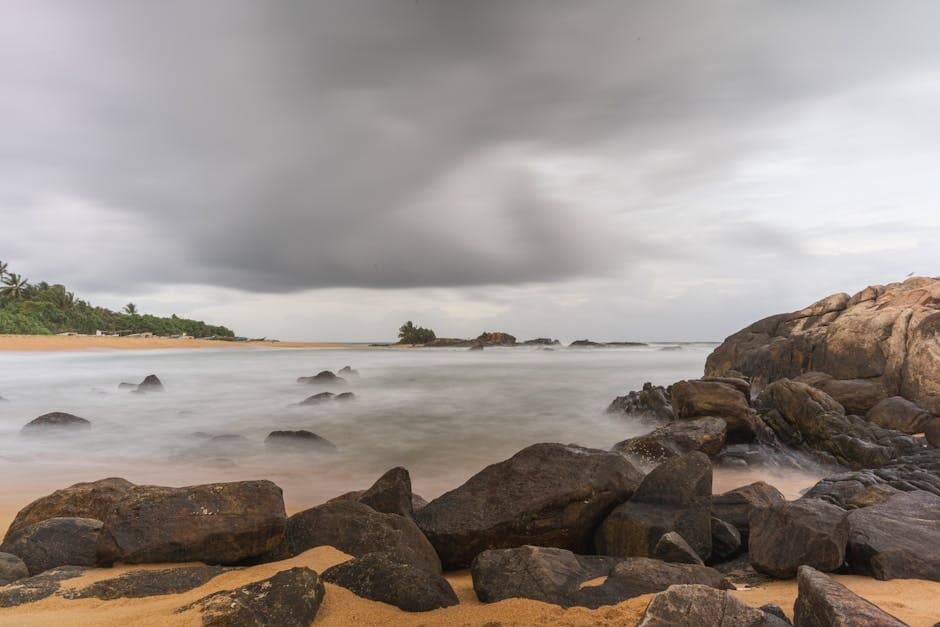
Imagine standing on a sun-drenched beach in the east while monsoon rains drench the western coast just a few hours away. Welcome to Sri Lanka, the tropical island where weather defies simple explanations and rewards travelers who understand its fascinating regional variations.
This teardrop-shaped island in the Indian Ocean packs an astonishing diversity of climates into just 65,610 square kilometers. From misty highlands where temperatures dip to sweater-worthy levels to coastal plains baking under tropical sun, Sri Lanka's weather story is one of the most intriguing in South Asia.
Let me take you on a journey through this island's remarkable regional weather patterns—knowledge that will transform your trip from good to absolutely unforgettable.
Understanding Sri Lanka's Unique Weather System
Before diving into regional specifics, it's essential to grasp what makes Sri Lankan weather tick. The island experiences two distinct monsoon seasons that affect different parts of the country at different times:
- Southwest Monsoon (Yala): May to September, bringing rain to the west and south coasts and the central highlands
- Northeast Monsoon (Maha): October to January, affecting the north and east coasts
This dual monsoon system creates a beautiful paradox: there's always somewhere sunny in Sri Lanka, no matter when you visit. It's the ultimate destination for flexible travelers seeking guaranteed good weather.
The Central Highlands Factor
Sri Lanka's central mountain range, rising to over 2,500 meters at its peak, acts as a natural weather barrier. These highlands intercept moisture-laden winds, creating dramatically different conditions on either side of the mountains. This geographical quirk is your secret weapon for weather-smart travel planning.
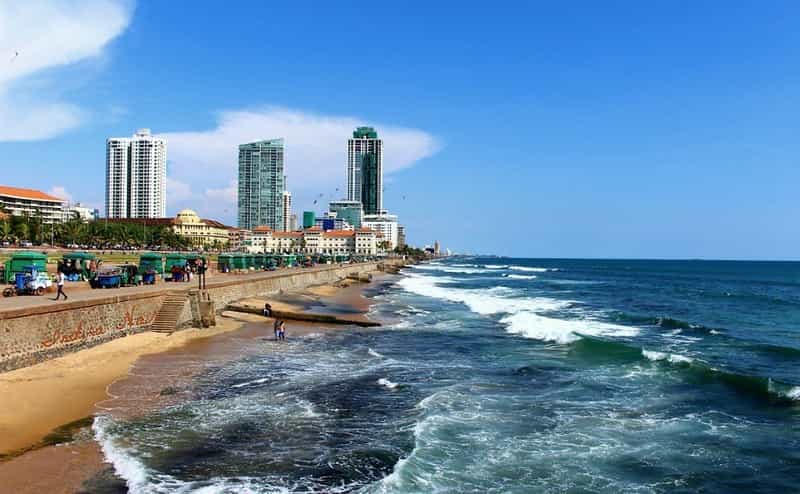
Western and Southern Coast Weather
Climate Characteristics
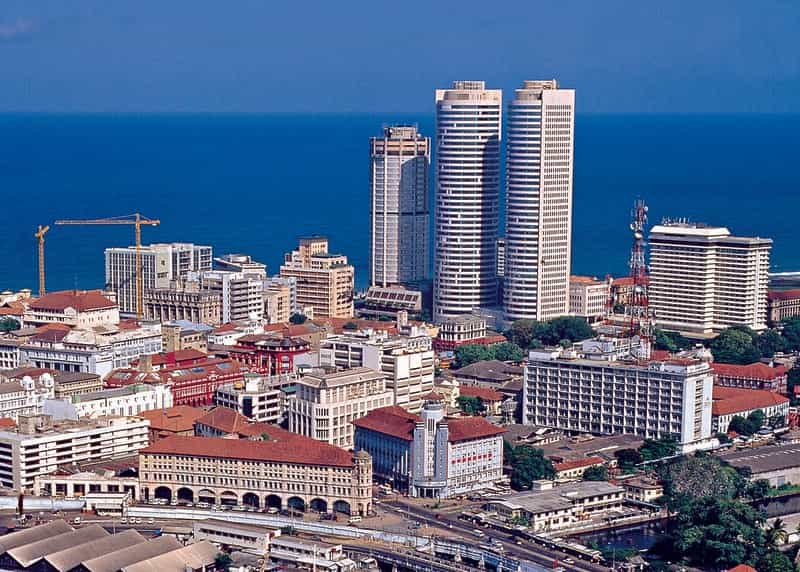
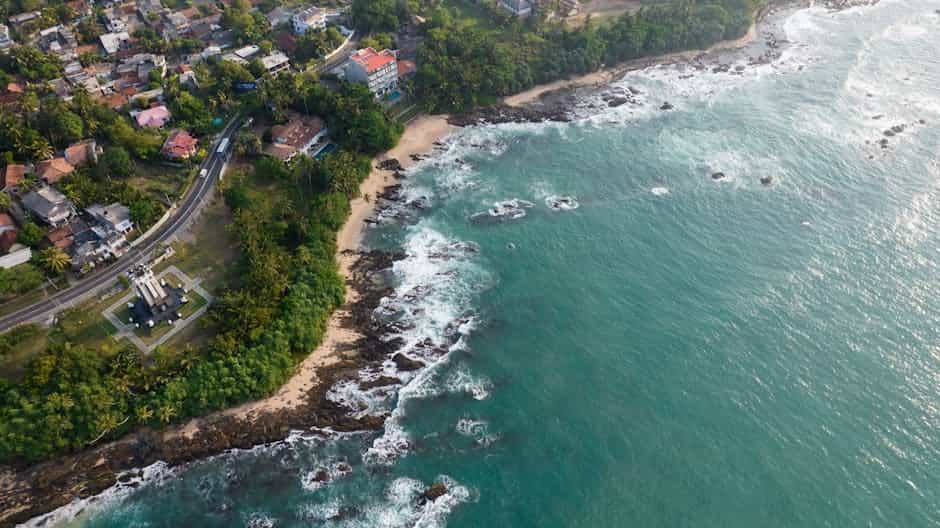
The western and southern coastlines—home to popular destinations like Colombo, Galle, Bentota, and Hikkaduwa—experience their best weather from December through April. During these months, expect:
- Clear, sunny skies with minimal rainfall
- Temperatures ranging from 26°C to 32°C (79°F to 90°F)
- Calm seas perfect for swimming and water sports
- Humidity levels around 70-80%
Monsoon Season Realities
From May to September, the southwest monsoon transforms this region. Afternoon thunderstorms become routine, seas turn rough, and some beach activities become limited. However, don't write off this season entirely—mornings often remain beautiful, hotel rates drop significantly, and the landscape turns impossibly lush and green.
Insider tip: The shoulder months of April and November often deliver the best combination of good weather and fewer crowds along the southern coast.
Eastern Coast Weather
Climate Characteristics
The eastern coast—featuring Trincomalee, Arugam Bay, and Batticaloa—operates on an opposite weather calendar. The region shines brightest from April through September, precisely when the west coast experiences its monsoon.
- Dry, sunny conditions dominate
- Temperatures hover between 27°C and 35°C (81°F to 95°F)
- Perfect surfing conditions at Arugam Bay (June-September)
- Crystal-clear waters for diving and snorkeling in Trincomalee
The Dry Zone Advantage
Much of the eastern region falls within Sri Lanka's "dry zone," receiving significantly less annual rainfall than the wet western slopes. This creates a distinctly different landscape—more arid, with scrubland vegetation and ancient irrigation tanks (reservoirs) dotting the terrain.
Central Highlands Weather
The Cool Country Experience
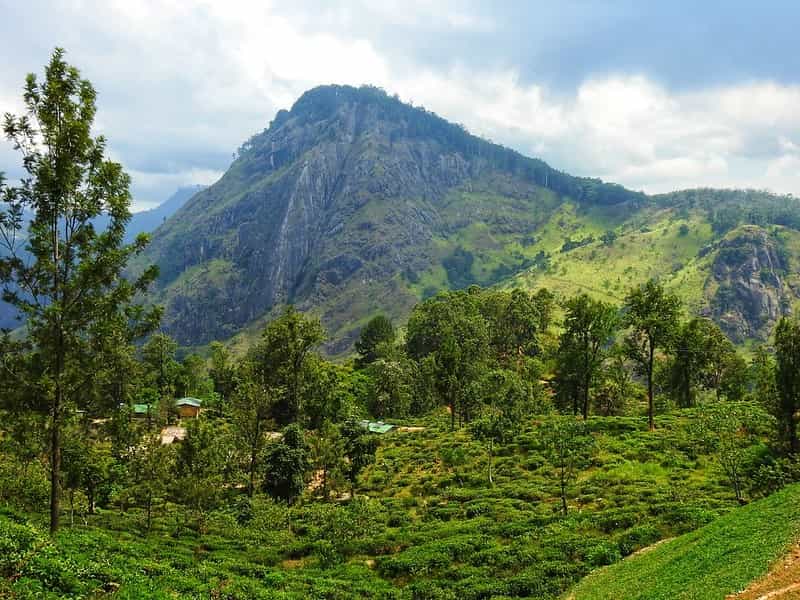
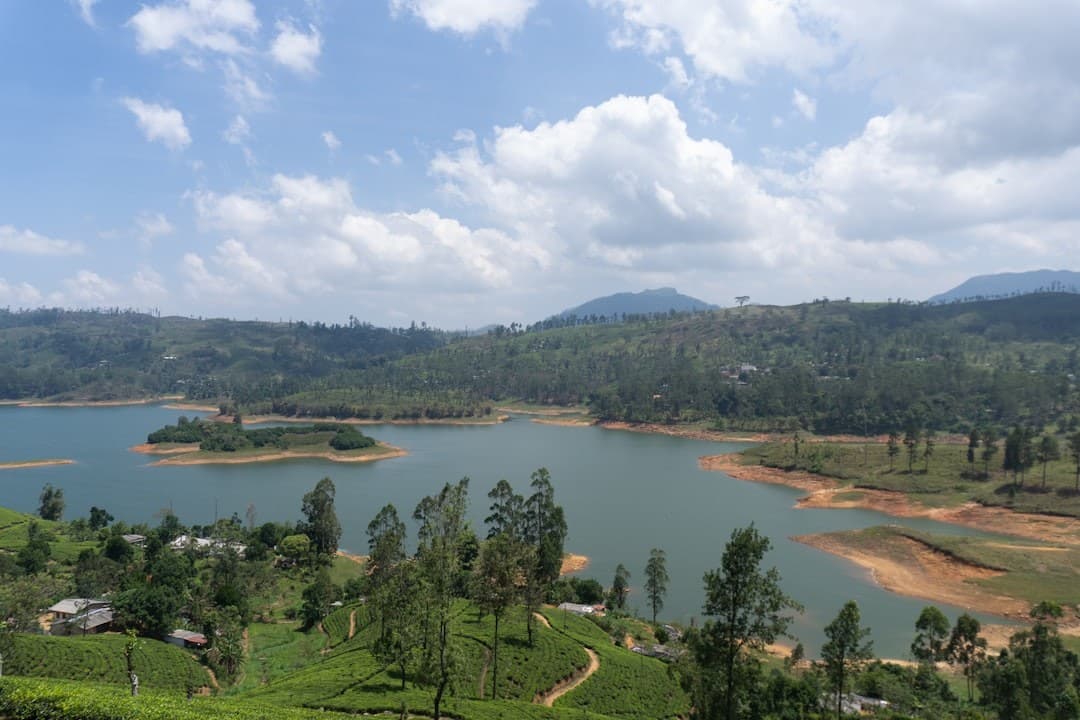
The hill country—including Kandy, Nuwara Eliya, Ella, and the tea plantation regions—offers a refreshing escape from coastal heat. Elevation dramatically influences temperatures here:
| Location | Elevation | Average Temperature |
|---|---|---|
| Kandy | 500m | 24-28°C (75-82°F) |
| Ella | 1,041m | 20-26°C (68-79°F) |
| Nuwara Eliya | 1,868m | 12-20°C (54-68°F) |
Year-Round Considerations
The highlands receive rain from both monsoons, making weather somewhat unpredictable year-round. However, the driest periods typically fall in:
- January to April (best overall conditions)
- August to September (brief inter-monsoon window)
Pack smart: Always bring layers and rain gear for the hill country, regardless of season. Morning mists, afternoon showers, and cool evenings are part of the highland charm.
Northern Region Weather
The Driest Corner
The northern peninsula, including Jaffna, experiences Sri Lanka's most arid conditions. This region receives the least rainfall of anywhere on the island, creating a unique semi-arid climate:
- Best visited from January through September
- Extremely hot from March to May (temperatures exceeding 35°C/95°F)
- Northeast monsoon brings most annual rainfall (October-December)
- Distinctive palmyra palm landscapes thrive in these dry conditions
Cultural Triangle Weather
The ancient cities of Anuradhapura, Polonnaruwa, and Sigiriya sit in the north-central dry zone. This culturally rich region experiences:
- Optimal visiting conditions: May to September
- Hot, dry weather perfect for temple exploration
- Temperatures regularly reaching 32-35°C (90-95°F)
- Minimal rainfall disruptions to sightseeing
Pro tip: Start your Cultural Triangle explorations at dawn. Not only will you beat the heat, but you'll also experience these ancient sites in magical early morning light with fewer crowds.
Practical Weather Planning Tips
Month-by-Month Quick Guide
December - March: West coast, south coast, hill country April - September: East coast, north, Cultural Triangle October - November: Transition period—check forecasts carefully
What to Pack for Regional Variations
- Coastal regions: Light, breathable clothing, strong sunscreen, reef-safe sunblock
- Hill country: Layered clothing, light jacket, waterproof outer layer
- Cultural sites: Modest clothing covering shoulders and knees, comfortable walking shoes
- Universal: Quality umbrella (more practical than rain jackets in tropical humidity)
Embracing the Unexpected
Sri Lankan weather, while following general patterns, can surprise even seasoned meteorologists. Microclimates abound, and a sunny morning can transform into an afternoon downpour within minutes. Rather than fighting this unpredictability, embrace it:
- Build flexibility into your itinerary
- Have indoor backup activities planned
- Remember that tropical rain showers typically pass quickly
- Use rainy moments for tea breaks at local cafes—it's the Sri Lankan way
Making Weather Work for Your Trip
The beauty of Sri Lanka's regional weather variations lies in the opportunities they create. By understanding these patterns, you can:
- Chase the sunshine by moving between coasts as seasons shift
- Score better deals by visiting popular regions during shoulder seasons
- Avoid crowds while still enjoying excellent conditions
- Experience diverse landscapes shaped by different rainfall patterns
Key Takeaways for Your Sri Lankan Adventure
Remember these essential points:
- Sri Lanka has no universal "bad" time to visit—just different regions to prioritize
- The west and south coasts peak from December through April
- The east coast shines from April through September
- Hill country stays cool year-round but is driest January through April
- The Cultural Triangle is best explored May through September
- Always pack layers and rain protection, regardless of season
Sri Lanka's weather complexity might seem daunting at first, but it's actually a gift to travelers. This small island offers the remarkable ability to find perfect conditions somewhere within its borders virtually any time of year. Armed with this knowledge, you're ready to plan a trip that works with Sri Lanka's weather rather than against it.
So whether you're dreaming of surfing Arugam Bay's legendary breaks, exploring ancient temples in the Cultural Triangle, or sipping fresh tea in the misty highlands, there's a perfect season waiting for you. The only question remaining is: when will you go?
Leave a Comment
Explore Sri Lanka
Ready to plan your trip? Check out our complete travel guide and packages.