How to Handle Money and Payments in Dubai: A 2026 Guide
Dubai is a city of dazzling contrasts — ancient souks where merchants haggle over gold sit just minutes from futuristic malls where you can tap your watch to pay. If you're planning a trip to this glittering emirate, understanding how money works here will save you stress, fees, and awkward moments at the checkout counter.
Whether you're splurging on designer bags at Dubai Mall or grabbing a shawarma from a street-side stall, this guide covers everything you need to know about handling money and payments in Dubai in 2026.
The UAE Dirham: Dubai's Official Currency
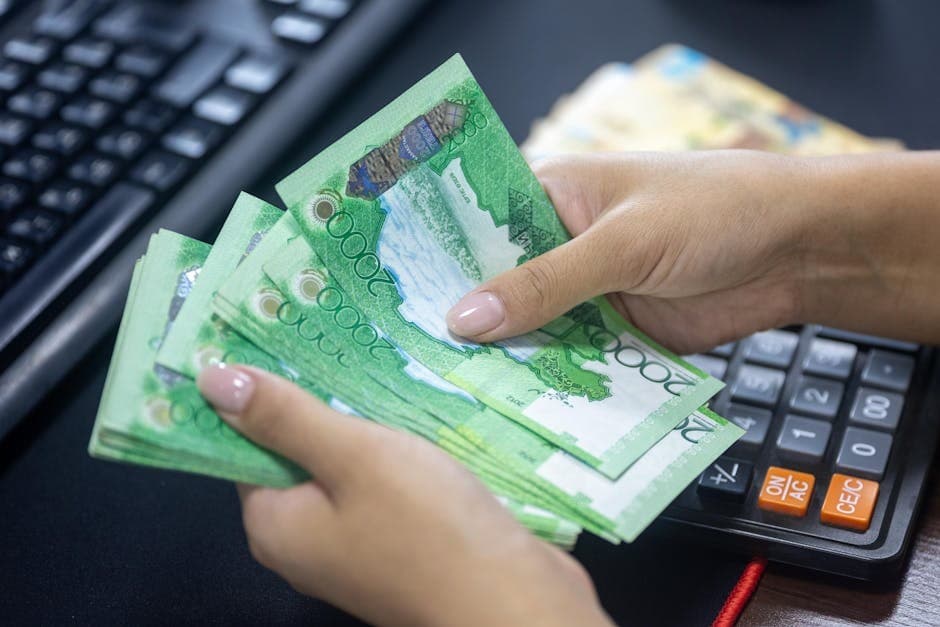
Dubai's currency is the UAE Dirham (AED), also written as Dhs or Dh. One dirham is divided into 100 fils. You'll find notes in denominations of 5, 10, 20, 50, 100, 500, and 1,000 dirhams, plus 25 fils, 50 fils, and 1 dirham coins in everyday circulation.
One of the best things about the dirham for travelers is its stability. The AED is pegged to the US dollar at a fixed rate of approximately 1 USD = 3.6725 AED. This peg eliminates currency risk for dollar-based travelers and makes financial planning refreshingly predictable. For travelers from other countries, the dirham's value will fluctuate in line with the US dollar against your home currency.
Pro Tip: It's generally smart to carry 100 dirham notes and smaller for day-to-day transactions. Larger bills can be inconvenient at smaller shops.
Cash vs. Cards: What's the Situation in 2026?
Dubai is rapidly going cashless. The city launched its ambitious Dubai Cashless Strategy, aiming for 90% of all transactions to be digital by 2026. The initiative incorporates AI-driven solutions, contactless payments, and even cryptocurrency into the financial ecosystem, with plans for 100% of stores to eventually accept digital payments.
That said, you shouldn't ditch cash entirely just yet. While Visa and Mastercard are accepted virtually everywhere — malls, restaurants, hotels, supermarkets, and even most taxis — cash still comes in handy for:
- Tipping hotel staff, drivers, and waiters
- Small shops and local markets (souks)
- Bargaining at traditional markets, where cash gets you better deals
- Small purchases where card minimums may apply
The sweet spot? Carry AED 100–300 in small notes for tips and souk shopping, and rely on your card or digital wallet for everything else.
Best Ways to Pay in Dubai
Credit and Debit Cards
Cards are the most popular payment method in Dubai. Visa and Mastercard enjoy near-universal acceptance. American Express is accepted at many larger establishments but isn't as widespread.
Important: Notify your bank before traveling to prevent your card from being blocked for suspicious foreign activity. Also, watch out for foreign transaction fees — some banks charge 1–3% per purchase. Consider using a travel-friendly card with no foreign transaction fees to avoid these charges.
When paying by card, always choose to pay in AED rather than your home currency. If a terminal offers you a choice (known as Dynamic Currency Conversion or DCC), selecting your home currency often means a worse exchange rate and hidden fees.
Mobile Wallets and Contactless Payments
Contactless payments are booming in Dubai. Apple Pay, Google Pay, and Samsung Pay all work at contactless terminals across the city. Major UAE banks like Emirates NBD, RAKBANK, and Dubai Islamic Bank all support Apple Pay for their debit and credit cards.
Almost all contactless terminals in Dubai accept mobile wallet payments, so you can leave your physical card in the hotel safe for most outings. Just make sure your bank supports international use of your digital wallet before you fly.
Prepaid Travel Cards
Prepaid forex cards loaded with AED can be a cost-effective alternative to standard credit or debit cards. They offer fixed exchange rates at the time of loading and typically have lower fees compared to international credit cards. Cards from providers like Wise or Revolut are popular among savvy travelers, offering mid-market exchange rates with minimal markups.
Where to Exchange Money in Dubai
If you do need cash, Dubai offers plenty of options for exchanging currency:
- Licensed exchange houses — Brands like Al Ansari Exchange, UAE Exchange, and Al Rostamani are found in malls, airports, and commercial areas. These generally offer the best rates with competitive fees.
- Banks — Safe and reliable, though exchange houses usually offer slightly better rates.
- Hotels — Convenient but often have the least competitive rates.
- Airport counters — Handy on arrival but typically charge higher margins. Exchange only a small amount here for immediate needs.
Since the dirham is pegged to the US dollar, you'll get the most stable exchange rates when converting from USD. For other currencies, check the mid-market rate online before exchanging so you know what to expect.
Insider Tip: Avoid unofficial or "black market" money changers entirely. They're not safe, not reliable, and not worth the risk in a city with so many legitimate options.
ATMs in Dubai
ATMs are everywhere in Dubai — in malls, on streets, in hotel lobbies. You can use your international debit card to withdraw dirhams, but be aware of fees. International withdrawals may cost AED 20–25 per transaction, and your home bank may add its own charges on top. Using a travel debit card from a provider with low ATM fees can save you significant money over the course of a trip.
Tipping Etiquette in Dubai
Tipping in Dubai is not mandatory, but it's appreciated and often expected in service industries. While many restaurants include a service charge on the bill (often 10%), service workers frequently rely on tips to supplement their income.
Here's a quick cheat sheet:
| Service | Suggested Tip |
|---|---|
| Restaurants | 10–15% if no service charge is included |
| Hotel bellhops | AED 5–10 per bag |
| Housekeeping | AED 10 per night |
| Taxi drivers | Round up the fare, or AED 5–10 |
| Tour guides | 10% of the tour cost, or AED 20–50 per person |
| Delivery drivers | A few dirhams, or don't ask for small change |
| Fast food / public transport | No tip needed |
Always tip in AED. Most workers cannot easily exchange foreign coins or small notes, so tipping in your home currency isn't helpful. Keep a stash of small dirham notes specifically for tipping throughout your trip.
Understanding Taxes and Hidden Fees
Dubai charges a 5% VAT on most goods and services. Prices displayed in shops generally include VAT, so what you see is what you pay.
Hotels, however, can add several layers of charges: 5% VAT, a 7% municipality fee, and a 10% service charge, plus a tourism dirham fee of AED 7–20 per night depending on the hotel's star rating. These are usually disclosed at booking but can surprise first-time visitors.
How to Claim Your VAT Refund
Here's a money-saving tip many tourists miss: you can reclaim the 5% VAT on eligible purchases through the UAE's Tourist Refund Scheme. The system is fully digital and operated by Planet Tax Free on behalf of the Federal Tax Authority.
Here's how it works:
- Shop at participating retailers displaying the Planet Tax Free logo
- Spend at least AED 250 per transaction
- Show your passport so the retailer links the receipt to the refund scheme
- Collect your tax-free tag attached to your receipt
- Validate your purchases at self-service kiosks or manned desks at the airport before departure
- Choose your refund method — cash in AED (up to AED 35,000) or credit card (no limit)
You'll receive approximately 85% of the VAT amount after processing fees (including AED 4.80 per tag). Validation must be completed within 90 days of purchase and before you leave the UAE. The process takes just a few minutes at self-service kiosks.
Pro Tip: Keep items accessible for potential inspection — don't pack them in checked luggage before validating. And consolidate purchases into fewer transactions at the same store to reduce per-tag fees.
Budgeting: How Much Spending Money Do You Need?
Daily spending in Dubai varies dramatically based on your travel style:
- Budget travelers: AED 100–200 per day
- Mid-range travelers: AED 300–500 per day
- Luxury travelers: AED 1,000+ per day
Public transport is affordable — a Nol Card for the metro, buses, and trams costs well under AED 800 for a three-month unlimited pass. Taxis and ride-hailing apps like Uber and Careem are also reasonably priced. For a full breakdown of getting around, see our guide to Dubai transportation costs.
Key Takeaways: Your Dubai Money Checklist
Before you board your flight, make sure you've covered these essentials:
- ✅ Notify your bank about your travel dates to prevent card blocks
- ✅ Set up Apple Pay or Google Pay with a travel-friendly card
- ✅ Carry AED 100–300 in small notes for tips, souks, and emergencies
- ✅ Bring a no-foreign-fee card (Visa or Mastercard preferred)
- ✅ Always pay in AED when given a currency choice at terminals
- ✅ Ask for tax-free tags on purchases over AED 250
- ✅ Arrive at the airport early to validate VAT refunds before departure
- ✅ Download a currency converter app to stay on top of exchange rates
Dubai makes it remarkably easy to spend money — perhaps too easy. But with a little preparation and these insider tips, you'll navigate the city's payment landscape like a seasoned local, keeping more dirhams in your pocket for the experiences that matter most.
Leave a Comment
Explore Dubai
Ready to plan your trip? Check out our complete travel guide and packages.