What Languages Are Spoken in Dubai? Your 2026 Communication Guide

Picture this: you step off the plane at Dubai International Airport and immediately hear a symphony of voices — Arabic greetings mixing with Hindi chatter, English announcements echoing overhead, and snippets of Tagalog drifting from a nearby café. Welcome to one of the most linguistically diverse cities on the planet.
If you're planning a trip to Dubai and wondering whether you'll be able to communicate easily, I have great news. Dubai is one of the easiest destinations in the Middle East for English-speaking travelers, and even if English isn't your first language, you'll likely find someone who speaks yours. Let's dive into everything you need to know about languages in Dubai.
Arabic: The Official Language of Dubai
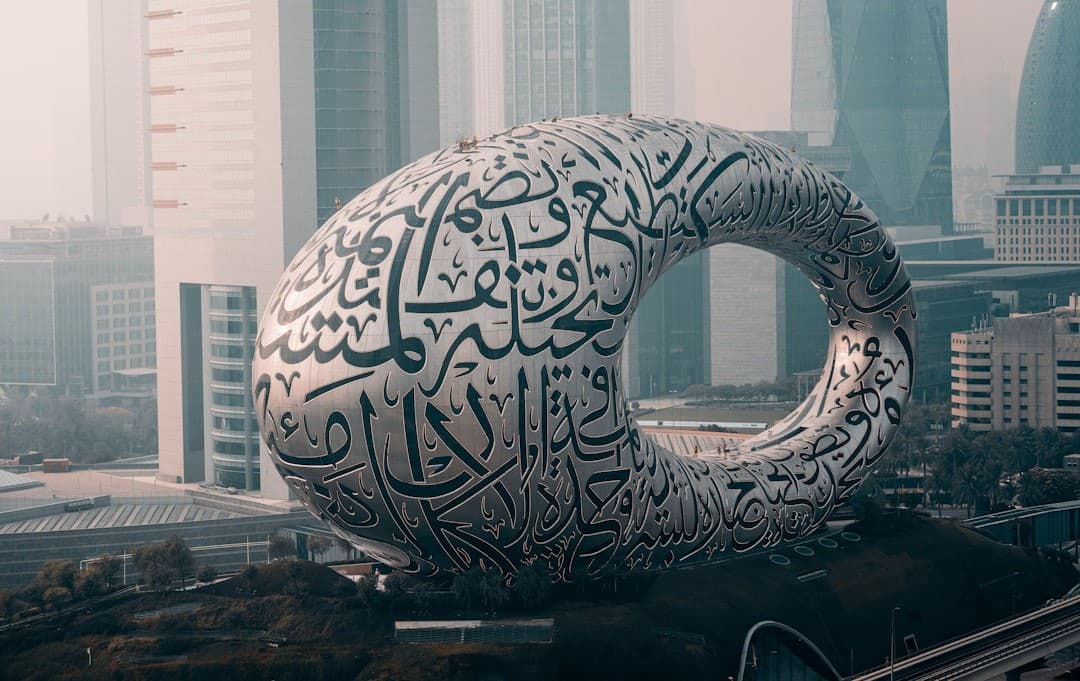
Arabic is the official language of Dubai and the United Arab Emirates, and it holds deep cultural and historical significance. You'll encounter it on government documents, road signs, court proceedings, and in media broadcasts.
But here's something many visitors don't realize: there are actually two forms of Arabic you'll come across in Dubai.
Modern Standard Arabic (MSA)
This is the formal, literary version of Arabic used in official documents, news broadcasts, newspapers, and legal matters. Think of it as the "textbook" Arabic — polished and universal across the Arab world.
Gulf Arabic (Khaleeji)
This is what Emiratis actually speak in everyday life. Gulf Arabic, also known as Emirati Arabic, is softer, faster, and full of local expressions that distinguish it from other Arabic dialects. You'll hear phrases like "Shu akhbarak?" (How are you?) and "Insha'Allah" (God willing) woven naturally into daily conversations.
Beyond these two, Dubai's large Arab expatriate community means you might also hear Egyptian Arabic, Levantine Arabic, and even Maghrebi Arabic in different neighborhoods — each adding its own flavor to the city's linguistic tapestry.
English: Dubai's True Lingua Franca
Here's the fact that puts most travelers at ease: approximately 80–85% of Dubai's residents can communicate effectively in English. It's not just a second language here — it's the operating system that keeps this global city running.
English dominates across virtually every sector that matters to visitors:
- Hotels and restaurants — Staff speak fluent English as standard
- Shopping malls — From luxury boutiques to souk stalls, English works everywhere
- Public transport — Metro announcements, bus schedules, and tram information are all bilingual (Arabic and English)
- Healthcare — Hospitals and clinics operate primarily in English
- Business — Meetings, contracts, and corporate communications default to English
All official road signs in the UAE are bilingual, displaying both Arabic and English text. Menus, mobile apps, tourist information, and customer support services are almost universally available in English. You can genuinely live, work, and explore the entire city without speaking a word of Arabic.
South Asian Languages: The Heartbeat of Daily Life
With over 200 nationalities calling Dubai home and expatriates making up roughly 85–90% of the population, the city's linguistic landscape extends far beyond Arabic and English.
The Indian community alone represents nearly 38% of the UAE's total population in 2026, making South Asian languages an integral part of Dubai's daily rhythm:
- Hindi and Urdu — Widely spoken in workplaces, markets, and community life. Many taxi drivers, shopkeepers, and restaurant staff are fluent in these languages
- Malayalam and Telugu — Spoken within large expat communities from southern India
- Bengali, Tamil, Gujarati, Punjabi, and Sindhi — Present across various neighborhoods and workplaces
If you wander through neighborhoods like Bur Dubai, Deira, or Karama, you'll find shops, restaurants, and community centers that operate entirely in Hindi or Urdu. It's a fascinating cultural experience in itself.
Other Languages You'll Hear in Dubai
Dubai's diversity doesn't stop with Arabic, English, and South Asian languages. Here's what else fills the city's soundscape:
- Tagalog (Filipino) — Prominent due to a strong Filipino workforce in hospitality and services. You'll notice signs and menus translated into Tagalog in popular food spots
- Persian (Farsi) — Dubai's Iranian community has deep roots, and Farsi is widely spoken in certain districts, especially in traditional trading areas like Deira
- Mandarin Chinese — Growing rapidly with increasing Chinese tourism and investment. Luxury malls like The Dubai Mall now offer Mandarin-speaking services
- Russian, French, and German — Commonly heard in tourist areas and upscale residential neighborhoods
How Easy Is Communication for Tourists?
Let me be straightforward: communication in Dubai is remarkably easy for tourists. The city is purpose-built for international visitors. Here's why you shouldn't worry:
Signage Is Fully Bilingual
Everything from metro signs to hotel reception desks operates in both Arabic and English. Road signs, public notices, mall directories — all bilingual. Arabic-English signage is actually a legal requirement in Dubai.
Service Staff Are Multilingual
Most people working in hotels, restaurants, shops, taxis, and tourist attractions are accustomed to dealing with international visitors. Even if English isn't their first language, service staff typically speak it well enough to help without any issues. Many naturally switch between Arabic, English, Hindi, Tagalog, or other languages depending on who they're speaking to.
Technology Has Your Back
Translation apps and bilingual customer service agents are widely available throughout the city. Government websites offer bilingual options, and most tourist-facing offices — including visa centers and tourist police — have English-speaking staff.
Essential Arabic Phrases That Will Win Hearts
While English is absolutely sufficient for your Dubai trip, learning even a handful of Arabic phrases can transform your experience. Locals genuinely notice and appreciate the effort. Here are the essentials:
- As-salamu alaykum — "Peace be upon you" (the standard greeting)
- Wa alaykum as-salam — The response to the above greeting
- Marhaba — "Hello" (casual and easy to remember)
- Shukran — "Thank you"
- Min fadlak / Min fadlik — "Please" (male/female)
- Afwan — "You're welcome"
- Insha'Allah — "God willing" (used constantly in daily conversation)
- Maafi mushkila — "No problem"
- Yallah — "Let's go" or "hurry up"
- Habibi / Habibti — "My dear" (male/female — a friendly term used widely)
A simple "Shukran" to your taxi driver or "Marhaba" to a shopkeeper goes a long way in showing cultural respect — and might just earn you a warmer smile and better service.
Practical Communication Tips for Your Dubai Visit
Here are some insider tips to make your communication experience even smoother:
- Lead with English, sprinkle in Arabic — Start conversations in English, but open with "As-salamu alaykum" to show respect
- Have your hotel address written in Arabic — Useful for showing taxi drivers, especially in less touristy areas
- Download a translation app — Helpful for reading Arabic-only menus in local eateries or traditional souks
- Be patient with accents — Dubai's English comes in dozens of accents from around the world. Speak clearly and don't be afraid to ask someone to repeat themselves
- Learn Arabic numbers for souks — If you're bargaining in traditional markets, knowing basic numbers in Arabic gives you an edge
- Respect the culture — Avoid loud or aggressive language. Politeness and professionalism are deeply valued in Emirati culture
- Use gestures wisely — When in doubt, simple English words paired with friendly gestures work wonders
The Language of Neighborhoods: What You'll Hear Where
Dubai's neighborhoods each develop their own linguistic personality:
- Downtown Dubai, Dubai Marina, JBR — English dominates, with staff switching between multiple languages as needed
- Deira and Bur Dubai — A rich mix of Arabic, Hindi, Urdu, and Persian reflecting Dubai's historic trading heritage
- Al Quoz and Labor-heavy areas — Bengali, Malayalam, and Tamil are widely spoken
- Jumeirah and Emirates Hills — English with European languages sprinkled in
Every corner of Dubai tells a different linguistic story, and that diversity is part of what makes exploring the city so endlessly fascinating.
Final Takeaways: Your Dubai Language Cheat Sheet
- ✅ English is all you need to navigate Dubai comfortably as a tourist
- ✅ Arabic is the official language, but you won't need it for daily activities
- ✅ Signs, menus, and transport are all bilingual (Arabic and English)
- ✅ Learning 3–5 Arabic phrases will significantly enhance your experience
- ✅ Over 200 nationalities make Dubai one of the most multilingual cities on Earth
- ✅ Translation apps are a great backup for off-the-beaten-path adventures
Dubai's linguistic diversity isn't just a fact — it's one of the city's greatest charms. From the moment you arrive to the moment you leave, you'll hear the world in a single city. And the best part? You'll never struggle to be understood.
Planning your Dubai trip? Don't let language concerns hold you back. This is a city that speaks your language — literally.
Leave a Comment
Explore Dubai
Ready to plan your trip? Check out our complete travel guide and packages.