Sheshnag Lake: The Mythical Serpent Lake on the Amarnath Trek Route
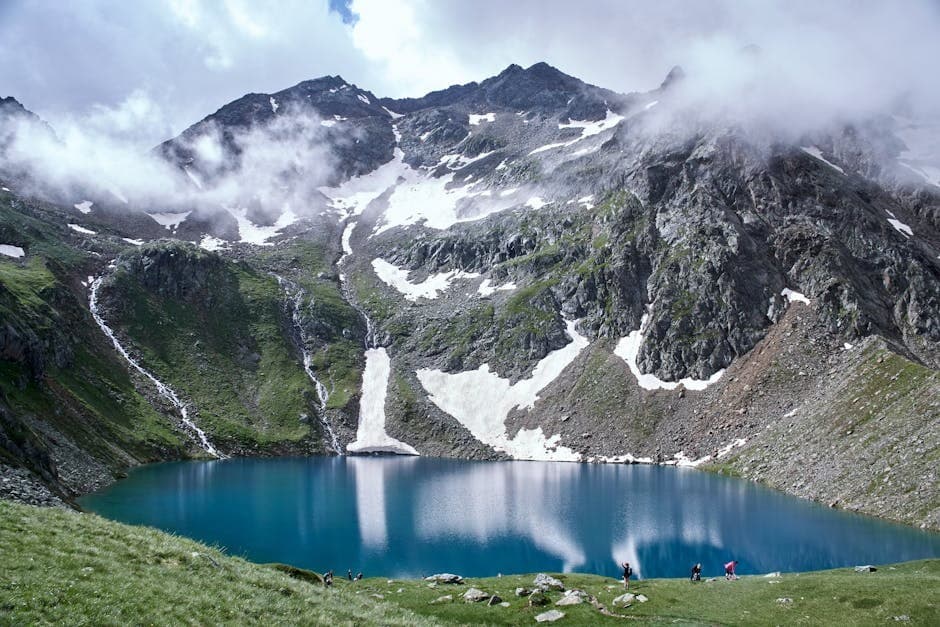
There are places in the Himalayas that feel like they belong more to legend than to geography. Sheshnag Lake is one of them. Cradled in the folds of the Kashmir Himalayas at roughly 3,590 metres above sea level, this glacial jewel sits right on the ancient Pahalgam route to the Amarnath Cave—a trail walked by pilgrims, trekkers, and seekers of raw mountain beauty for centuries. Its emerald waters shift colour with the passing light, its shores are guarded by snow-dusted peaks, and its very name whispers of a thousand-headed serpent king from Hindu scripture.
Whether you are planning the sacred Amarnath Cave pilgrimage (seasonal Jul–Aug) or simply chasing one of Kashmir's most dramatic high-altitude landscapes, Sheshnag Lake deserves a place at the top of your list. Here is everything you need to know before you go.
The Mythology Behind the Name
The name Sheshnag is far from arbitrary. In Hindu tradition, Sheshanaga (Śeṣanāga) is the nagaraja—the King of all Nāgas and one of the primal beings of creation, the cosmic serpent upon whom Lord Vishnu reclines in the celestial ocean. According to local lore, when Lord Shiva journeyed to the Amarnath Cave to reveal the secret of immortality (Amar Katha) to Goddess Parvati, he shed elements of his entourage along the way. At the banks of this very lake, he is said to have released his serpents so they would not overhear the eternal truth.
Another enduring legend holds that the serpent deity Sheshnag himself dug the lake and still dwells beneath its waters, guarding the sacred route. The surrounding terrain reinforces the myth beautifully: seven nearby mountain peaks are said to resemble the seven heads of the divine serpent, forming a natural amphitheatre around the shimmering water. Even the lake's colour-shifting surface—grey-blue at dawn, deep green at midday, almost turquoise toward evening—is attributed by locals to the movement of serpents below, though science points to glacial particles and light refraction.
Where Exactly Is Sheshnag Lake?
Sheshnag Lake lies in the Anantnag district of the Kashmir Valley, about 23 km from the popular hill station of Pahalgam and roughly 77 km from Anantnag city. It sits on the traditional Pahalgam route of the Amarnath Yatra, serving as the natural first overnight camp for pilgrims heading toward the holy cave, which is approximately 20 km further north.
The lake itself stretches about 1.1 km in length and 0.7 km in width—modest dimensions that belie its visual and spiritual impact. Fed by glaciers and snowmelt from the encircling mountains, its waters eventually flow into the Lidder River, the lifeblood of the Pahalgam valley below.
The Trek to Sheshnag Lake: Route and Stages
Reaching Sheshnag is an adventure in itself. The trek begins from Chandanwari, the traditional starting point of the Amarnath Yatra, located about 16 km by road from Pahalgam (which is roughly 90–95 km from Srinagar).
The route unfolds in three distinct stages:
1. Chandanwari to Pissu Top
- Distance: ~3 km
- Altitude gain: 9,300 ft to 9,780 ft
- Duration: About 1.5 hours
The trail starts gently, following the Lidder River through a well-marked path. The ascent is gradual and scenic, with mountain views and the sound of rushing water keeping you company.
2. Pissu Top to Zojibal (Jojibal)
- Terrain: A steep climb rewarded by panoramic views of the Lidder Valley
Pissu Top is the first real test of fitness—a stiff climb that opens up sweeping panoramas of the surrounding peaks. The descent to Zojibal is gentler, and this meadow also serves as the second base camp for the Amarnath Yatra. Fill your water bottles here; the Lidder River runs close.
3. Zojibal to Sheshnag Lake
- Distance: ~2.2 km
- Altitude: 11,270 ft to 11,885 ft
- Duration: About 1 hour
This final section, known locally as Kutta Ghati, is narrow and demands careful footing. But the reward is immense: waterfalls line the trail, and then the valley opens to reveal the lake in all its glacial glory.
In total, expect roughly 12 km of trekking over 5–7 hours from Chandanwari, depending on your fitness, weather, and pace. Ponies and porters are available at Chandanwari at government-notified rates during the Yatra season.
Best Time to Visit Sheshnag Lake
The ideal window is June to September, when snow recedes and the alpine meadows burst into wildflower bloom. July and August overlap with the Amarnath Yatra, which brings temporary facilities like medical posts and tented camps—but also larger crowds and movement restrictions.
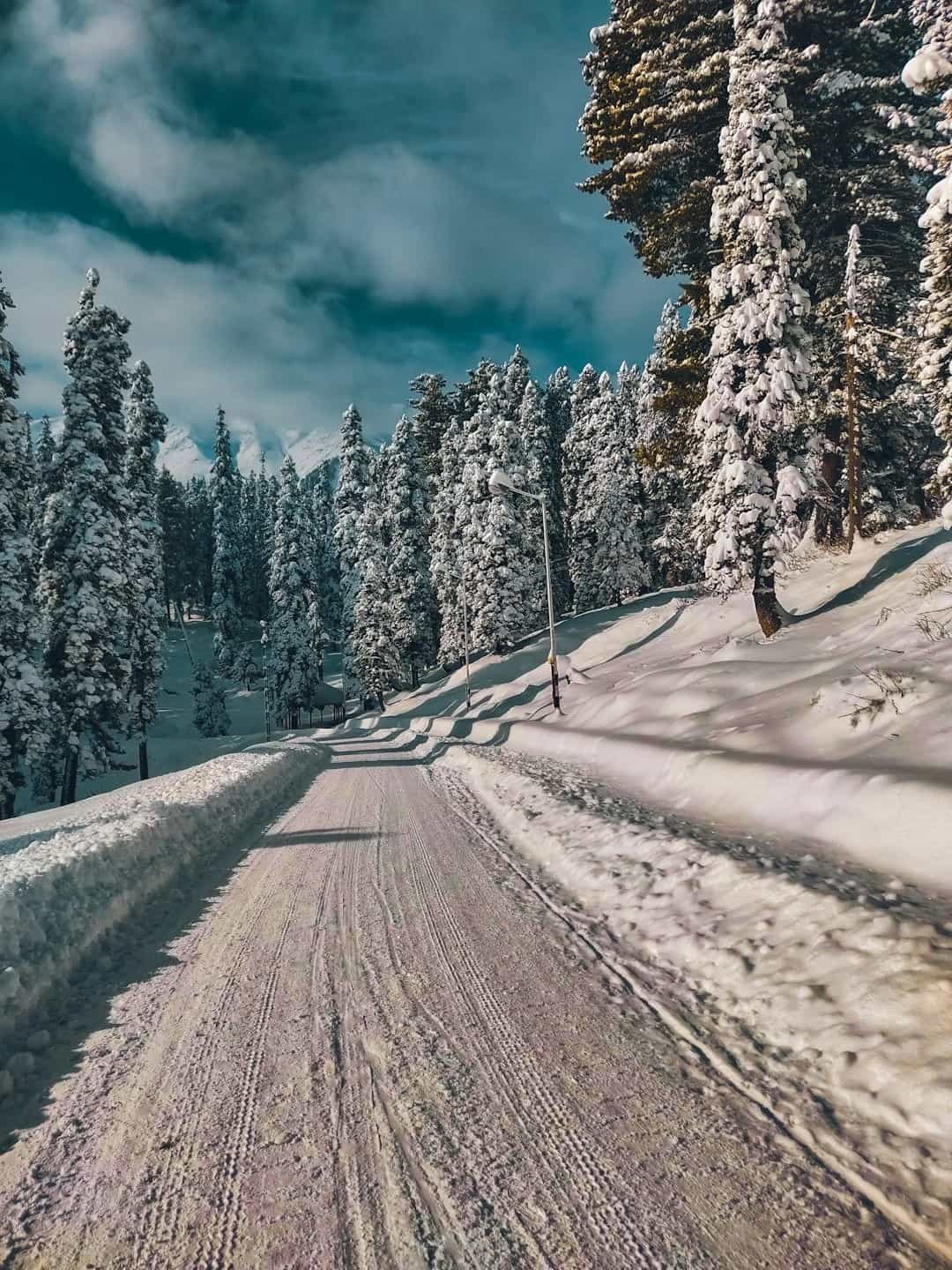
If you prefer solitude, aim for late June or early September for a quieter experience. Outside this summer window, heavy snow makes the route largely inaccessible; the lake itself remains frozen from roughly November through early June.
Daytime summer temperatures range from 15–25 °C, but nights can plummet to 0–9 °C even in peak season—pack accordingly.
What to Pack
Sheshnag sits at serious altitude, and weather shifts fast. A smart packing list includes:
- Layered clothing: Thermal base, fleece mid-layer, waterproof outer shell
- Sturdy hiking boots with good ankle support
- Trekking poles (especially helpful on the Pissu Top ascent and Kutta Ghati)
- Warm accessories: Gloves, wool cap, buff
- Rain gear and daypack rain cover
- Headlamp for early starts or late camps
- Sunblock, sunglasses, and a hat (UV is intense at altitude)
- High-energy snacks and water purification (food and water are scarce at higher elevations)
- Basic first-aid kit with AMS medication
Permits and Practical Tips
Before hitting the trail, keep these essentials in mind:
- Permission required: You need to obtain a permit from the Pahalgam Development Authority before starting the trek. Registration at the Pahalgam Police Station is also required. The trek fee is approximately ₹100, with a ₹500 security deposit.
- Amarnath Yatra season: If trekking during July–August, movement and camping are regulated by the Amarnath Shrine Board. Carry your Yatra registration if continuing beyond Sheshnag toward the cave.
- Acclimatize first: Spend a day or two in Pahalgam exploring Betaab Valley or Aru Valley before attempting the climb. At 3,590 m, altitude sickness is a real risk—hydrate generously and ascend gradually.
- Travel in groups: The region is generally safe, but wildlife like Himalayan black bears and leopards inhabit the area. Moving in groups and hiring a local guide is strongly recommended.
- Leave no trace: Carry out all waste. The lake's ecosystem is fragile, and environmental concerns around the Yatra route are well documented.
Beyond the Trek: Wildlife and Natural Wonders
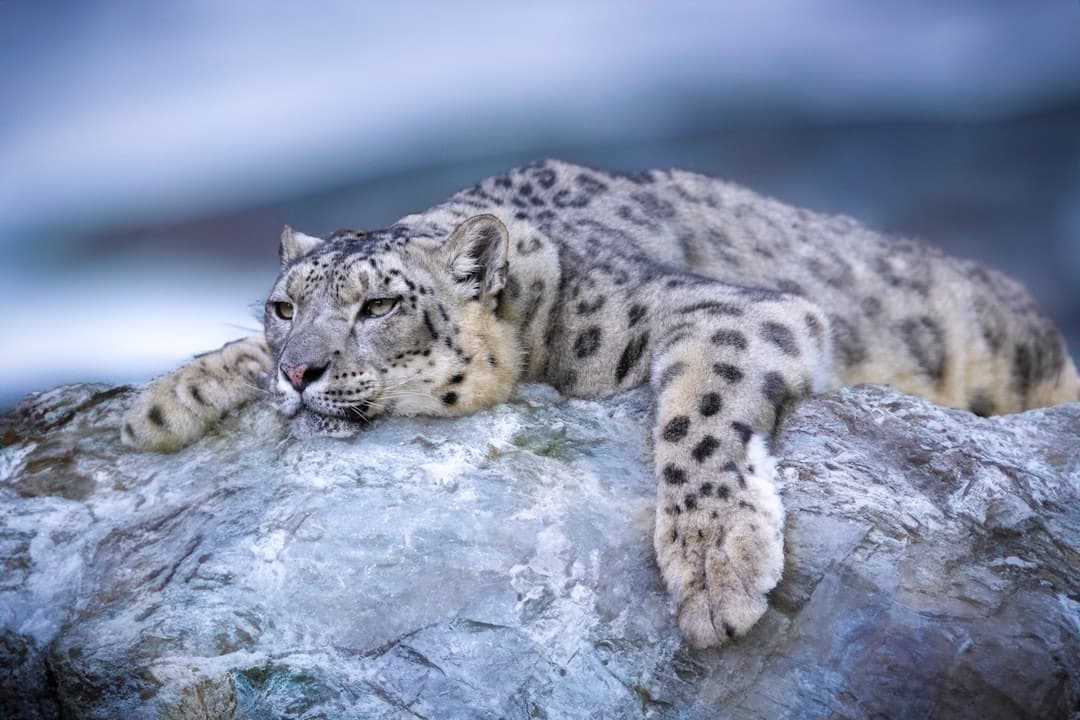
Sheshnag Lake is more than a pretty face. The lake is home to brown trout, and the surrounding terrain supports rare high-altitude flora and fauna. Lucky trekkers may spot the Himalayan Monal (a dazzling pheasant), ibex, or even signs of the elusive snow leopard. On clear nights at camp, the Milky Way arcs vividly over the lake—a sight that alone justifies the climb.
How to Reach the Trailhead
Getting to Chandanwari is straightforward:
- Fly into Srinagar (SXR), which has regular connections from Delhi and other Indian metros.
- Drive to Pahalgam (~90–100 km, 2–3 hours by taxi or shared cab via Anantnag).
- Continue to Chandanwari (16 km by local jeep or taxi from Pahalgam).
From Chandanwari, the trek begins on foot. Note that the Baltal route to Amarnath does not pass Sheshnag Lake—this experience is exclusive to the Pahalgam route.
Suggested Itinerary
| Day | Plan |
|---|---|
| Day 1 | Arrive Srinagar → Drive to Pahalgam. Explore Betaab Valley visit or Aru Valley hikes and meadow picnics for acclimatization. |
| Day 2 | Drive to Chandanwari → Trek to Sheshnag Lake (12 km, 5–7 hrs). Camp by the lake. |
| Day 3 | Sunrise at the lake → Trek back to Chandanwari → Drive to Pahalgam. |
| Day 4 | Return to Srinagar or continue exploring Kashmir. |
Experienced trekkers sometimes extend beyond Sheshnag, crossing Mahagunas Top to Panchtarni on the full Amarnath route—but this requires Yatra registration, proper gear, and strong acclimatization.
Why Sheshnag Lake Belongs on Your Kashmir Bucket List
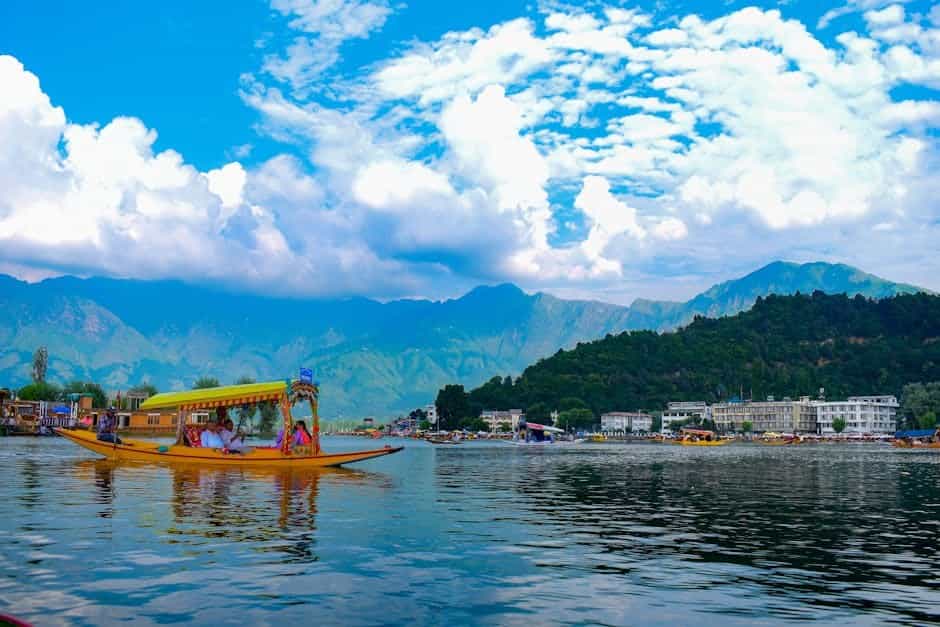
Kashmir is a land that rewards every kind of traveller—from houseboat dreamers on Dal Lake to powder chasers on Gulmarg's slopes. But Sheshnag Lake offers something rarer: a place where mythology and mountain wilderness are woven so tightly together that you cannot tell where one ends and the other begins.
The trek is challenging but achievable. The views are staggering. The stories that surround the lake—of serpent kings and divine secrets—give every step a sense of purpose that goes beyond fitness goals or Instagram frames.
So lace up your boots, secure your permit, and walk the ancient trail to the serpent's lake. Sheshnag has been waiting for thousands of years. It can wait a little longer—but you shouldn't.
Leave a Comment
Explore Kashmir
Ready to plan your trip? Check out our complete travel guide and packages.