Himachal Pradesh Packing Guide: High-Altitude Trekking vs General Travel
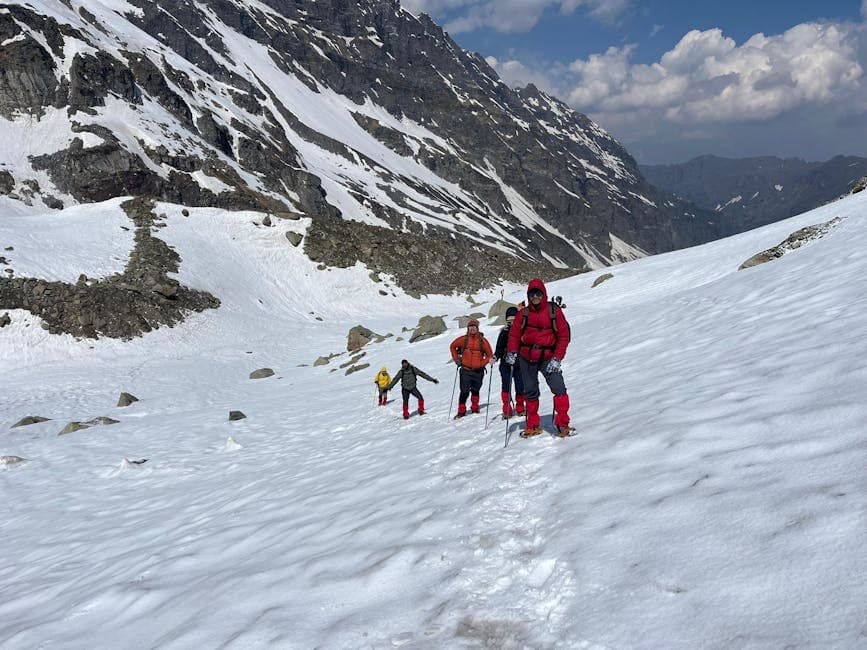
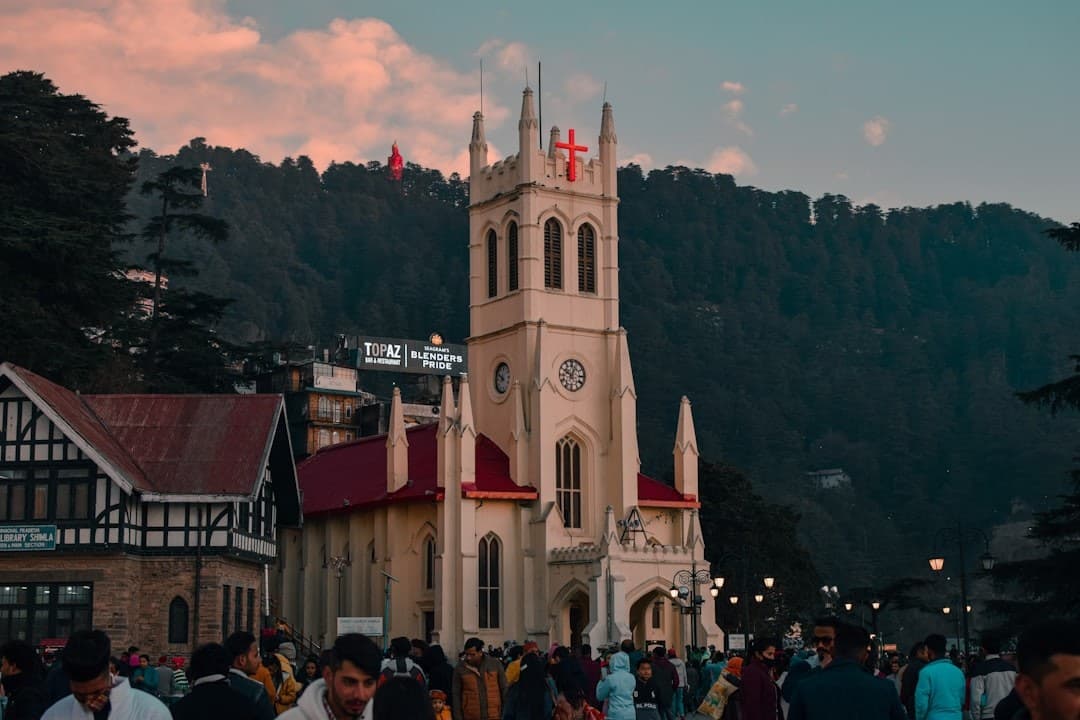
There's a world of difference between strolling along Shimla's Ridge with a latte in hand and gasping for breath at 14,000 feet on the Hampta Pass. Both experiences live under the same Himachal Pradesh sky, but they demand very different suitcases. Pack wrong for a high-altitude trek and you're risking hypothermia, blisters, or altitude sickness. Pack for a trek when you're only visiting Manali's cafes, and you'll lug around ten kilograms of gear you never touch.
This guide draws a clear line between general Himachal Pradesh packing and high-altitude trekking packing, so you carry exactly what you need—and nothing you don't.
General Himachal Pradesh Travel: What to Pack
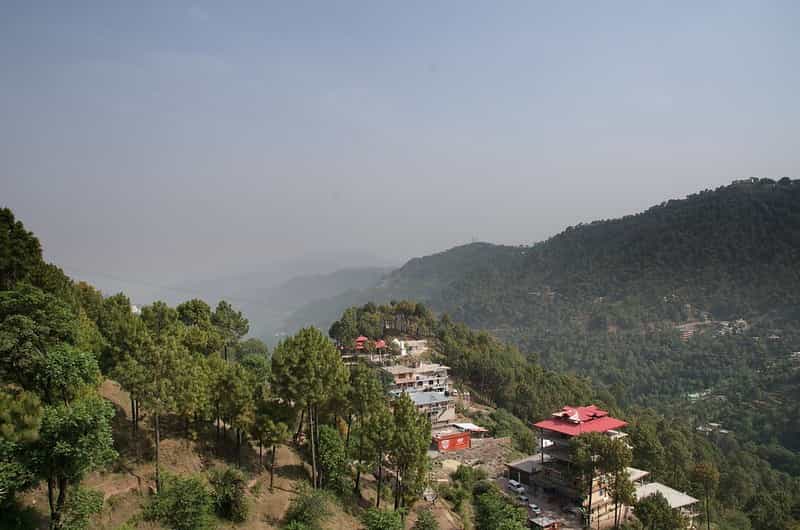
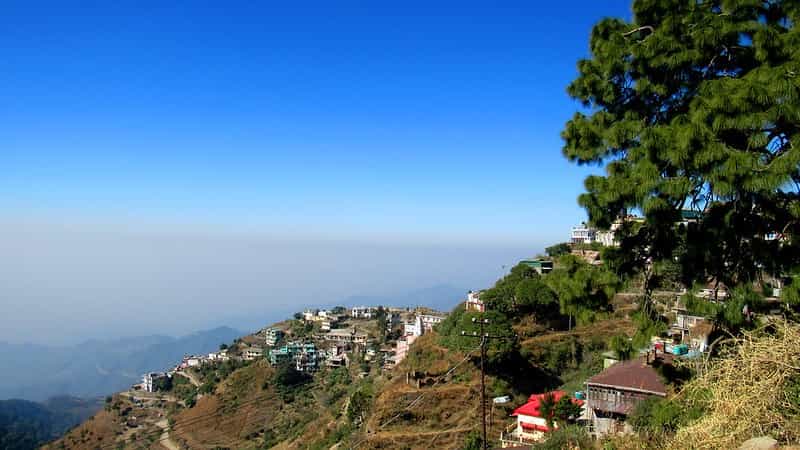
If your itinerary revolves around hill stations like Shimla, Dharamshala, Manali, or Dalhousie—think sightseeing, café-hopping, temple visits, and leisurely nature walks—your packing list stays relatively light and flexible.
Clothing for General Travel
- Light layers and a warm jacket: Daytime temperatures in summer range from 15–28°C in Shimla and 10–25°C in Manali, but evenings cool down fast. A light fleece or hoodie and a packable jacket handle most situations.
- Comfortable walking shoes: You'll navigate cobbled lanes, market streets, and gentle forest paths. Sturdy sneakers or light hiking shoes work perfectly—no need for heavy-duty trekking boots.
- Sunhat, sunglasses, and sunscreen: Mountain UV is deceptively strong, even on cloudy days.
- Rain gear (monsoon season): If you're visiting between July and mid-September, a compact rain jacket and quick-dry clothing are essential.
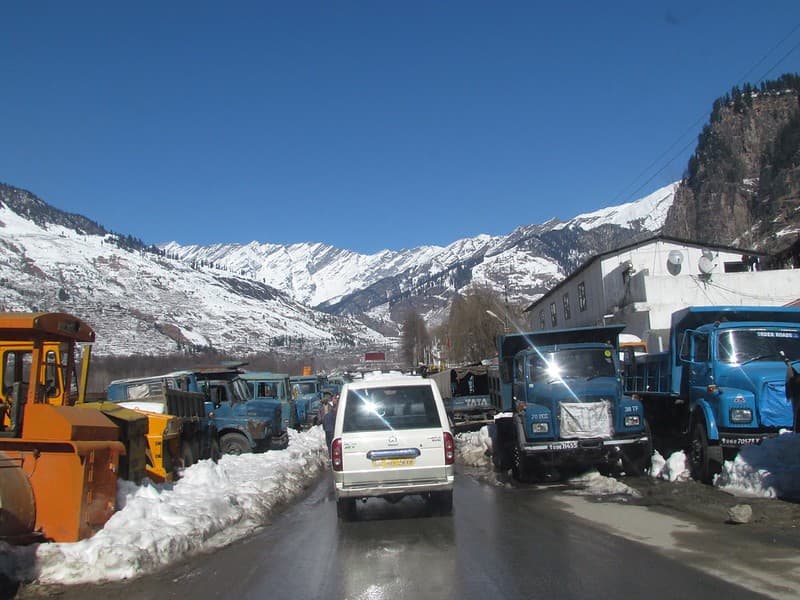
- Winter add-ons (December–February): Thermals, a proper down jacket, woolens, gloves, a beanie, and snow-friendly shoes become non-negotiable when temperatures in Shimla hover around 0–12°C and Manali drops to -5–10°C.
Everyday Essentials
- A small daypack (15–25L) for daily excursions
- Power bank and universal adapter
- Basic toiletries and personal medications
- Moisturizer and lip balm—mountain air is drier than you expect
- A reusable water bottle
- Light scarf or shawl (doubles as a temple cover-up and evening warmth)
What You Can Skip
For general travel, you don't need trekking poles, gaiters, sleeping bags, high-altitude medications, or technical footwear. Save that weight for souvenirs—perhaps a gorgeous Kullu shawl or Kangra tea.
High-Altitude Trekking in Himachal: A Completely Different Packing Game
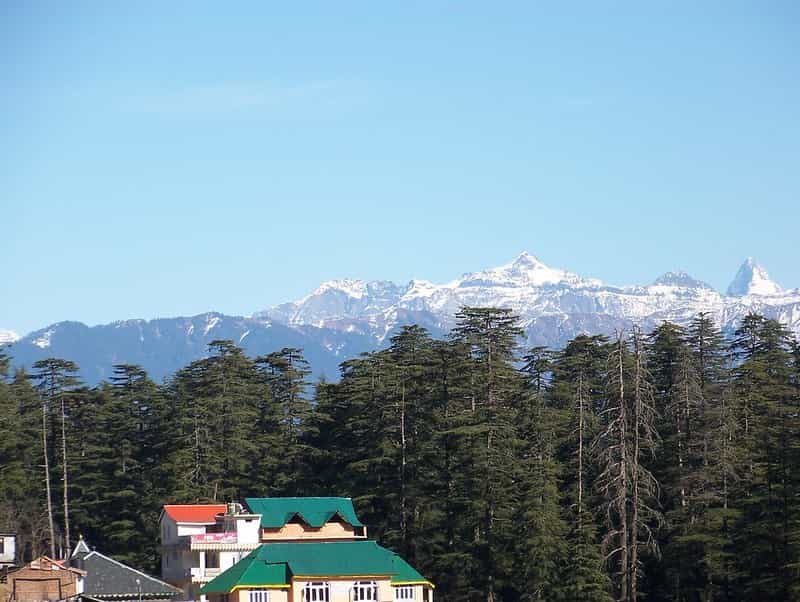
Once you step onto trails like Hampta Pass trek (14,100 ft), Bhrigu Lake trek (14,000 ft), Buran Ghati (15,000 ft), or Pin Parvati Pass (17,500 ft), the rules change entirely. High-altitude treks are the ones that are anywhere above 11,500 ft, and they are challenging from every point of view—physically, terrain-wise, in extreme weather conditions, and most importantly the rigorous preparations that they involve.
Here's your comprehensive trekking packing checklist.
1. The Layering System: Your Most Critical Decision
Forget single thick jackets. The layering system has three components: a base layer (underwear layer) that wicks sweat off your skin, a middle layer (insulating layer) that retains body heat to protect you from the cold, and an outer layer (shell layer) that shields you from wind and rain.
Base Layer: Pack one set of thermal tops and bottoms to retain body heat, plus 2–3 full-sleeve dry-fit trekking shirts. Merino wool or synthetic fabrics work best. Never wear cotton—it retains moisture and can chill you dangerously at altitude.
Mid Layer: A fleece jacket and a down jacket handle extreme cold, especially at night or higher altitudes. A fleece is breathable for active hiking, while the down jacket is your camp-and-summit insulator.
Outer Layer: A waterproof, windproof shell jacket is non-negotiable. Sudden showers are common, so protect your gear and yourself. Look for pit-zip ventilation for temperature regulation on steep ascents.
2. Trekking Footwear: The Make-or-Break Gear
Your trekking shoes should be waterproof, ankle-high, and with good grip. Break them in thoroughly before your trek—new boots on day one is a recipe for blisters.
- Carry 3–4 pairs of woolen socks plus 2–3 pairs of sports socks.
- Gaiters are useful during snow treks to keep snow out of shoes.
- Pack lightweight camp sandals to give your feet relief at the end of each day.
3. The Backpack
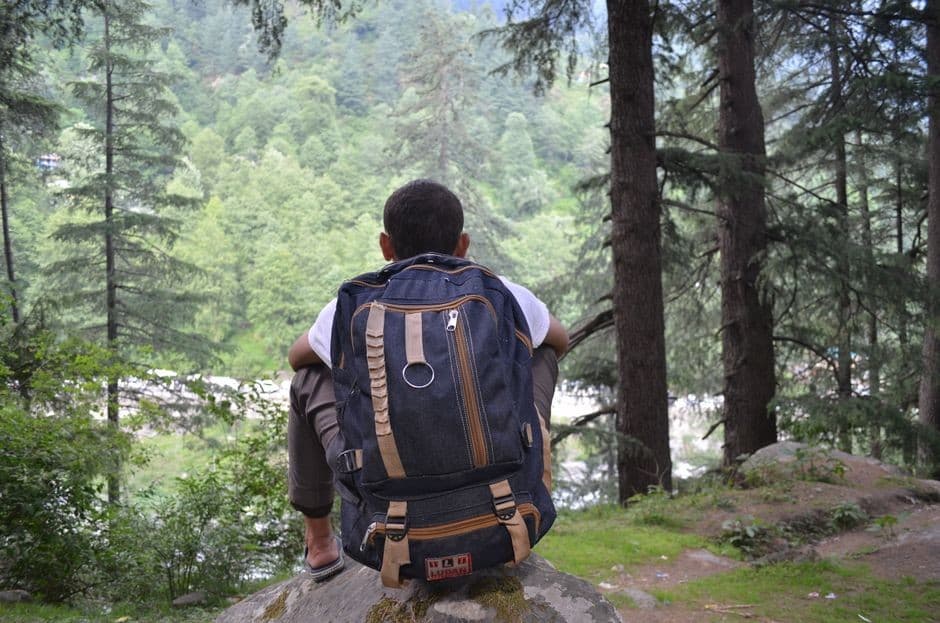
A 50–60L backpack with padded straps and hip belts ensures comfort on multi-day treks. If you're offloading your main pack to porters, a 20–30L daypack suffices for trail essentials. Always use a rain cover.
4. Trekking Equipment
- Trekking poles reduce strain on your knees during steep climbs and descents.
- A high-quality sleeping bag rated for -10°C to -15°C is essential if you're trekking independently—most organized treks provide these.
- A headlamp with extra batteries is necessary for nighttime visibility.
- Two one-litre water bottles or a 2-litre hydration pack keep you hydrated over long trekking days of approximately 6 hours.
5. Accessories That Earn Their Weight
- Woollen gloves and a warm cap; a balaclava or scarf for face protection in windy conditions.
- Sunscreen SPF 50+ protects from the strong mountain sun.
- Lip balm prevents cracked lips due to dry air.
- UV-protection sunglasses (Category 3 or 4 for snow glare)
- Quick-dry towel and biodegradable soap
Altitude Sickness: The Invisible Threat You Must Pack For
This is where trekking packing diverges most sharply from general travel. Acute mountain sickness (AMS) is the body's response to reduced oxygen at higher altitudes, usually above 2,500 meters (8,200 feet). The higher the altitude, the more thinned the air, and even a fit trekker can be affected if unacclimatized.
AMS Prevention Kit
- Consult your doctor before your trip about preventive medications like acetazolamide (Diamox), which can help in managing and preventing AMS—but should only be taken under medical supervision.
- A pulse oximeter is a small, inexpensive device that can be a lifesaver. If your oxygen saturation drops below 85%, treat it as a serious red flag and consider descending immediately.
- Pack a basic first-aid kit with pain relievers, anti-nausea medication, ORS sachets, bandages, and antiseptic.
- Energy bars and electrolyte supplements for sustained nutrition on the trail.
The Golden Rules of Acclimatization
Once you are above 3,000 meters (9,842 ft), don't gain more than 500 m sleeping altitude every day. Follow the "climb high, sleep low" principle. Be aware of symptoms like weariness, headache, nausea, and dizziness. Slow acclimatization, drinking plenty of water, eating healthily, and adhering to this rule are all important components of prevention.
Side-by-Side Comparison: General Travel vs. High-Altitude Trekking
| Item | General HP Travel | High-Altitude Trekking |
|---|---|---|
| Footwear | Sneakers / light hiking shoes | Waterproof ankle-high trekking boots + gaiters |
| Clothing | Casual layers, 1 warm jacket | Full 3-layer system: thermals, fleece, down, shell |
| Bag | Suitcase or 30L backpack | 50–60L trekking pack + rain cover |
| Headgear | Sunhat | Woolen cap + balaclava + UV sunglasses |
| Sleeping | Hotel-provided bedding | -10°C to -15°C rated sleeping bag |
| Navigation | Google Maps | Offline maps, GPS device, trekking poles |
| Health | Basic meds, sunscreen | AMS meds, pulse oximeter, first-aid kit, ORS |
| Hydration | Reusable bottle | 2L hydration system + purification tablets |
| Extras | Power bank, camera | Headlamp, trekking poles, emergency whistle |
Pro Packing Tips From the Trail
- Always keep one set of dry clothes reserved for sleeping—never trek in them. This is a pro tip that seasoned trekkers swear by.
- Pack lighter, but don't skimp on warm layers—Himalayan weather changes fast.
- Roll, don't fold. Use compression sacks to maximize backpack space.
- Test everything at home. Wear your boots for a week, sleep in your bag, adjust your pack's straps. Discovering a problem at 13,000 feet is too late.
- Layering is key, especially while trekking in the Himalayas. You should be able to add or remove layers depending on your activity level, weather, and altitude.
- Carry stainless steel cutlery rather than plastic—it's easier to clean in cold water and far more hygienic at camp.
Final Thoughts: Pack for the Trip You're Actually Taking
Himachal Pradesh is gloriously diverse—from the colonial promenades of Shimla to the moonscapes of Spiti Valley. The mistake most travelers make is packing a one-size-fits-all bag. A Mall Road evening and a Hampta Pass summit morning exist in entirely different universes of preparation.
If you're heading to hill stations for sightseeing and relaxation, keep it light: layers, comfortable shoes, rain protection, and a sense of adventure. If you're trekking above 11,500 feet, invest in proper gear, master the layering system, and take altitude sickness seriously.
Whichever Himachal calls to you, pack smart—and let the mountains do the rest.
Leave a Comment
Explore Himachal
Ready to plan your trip? Check out our complete travel guide and packages.