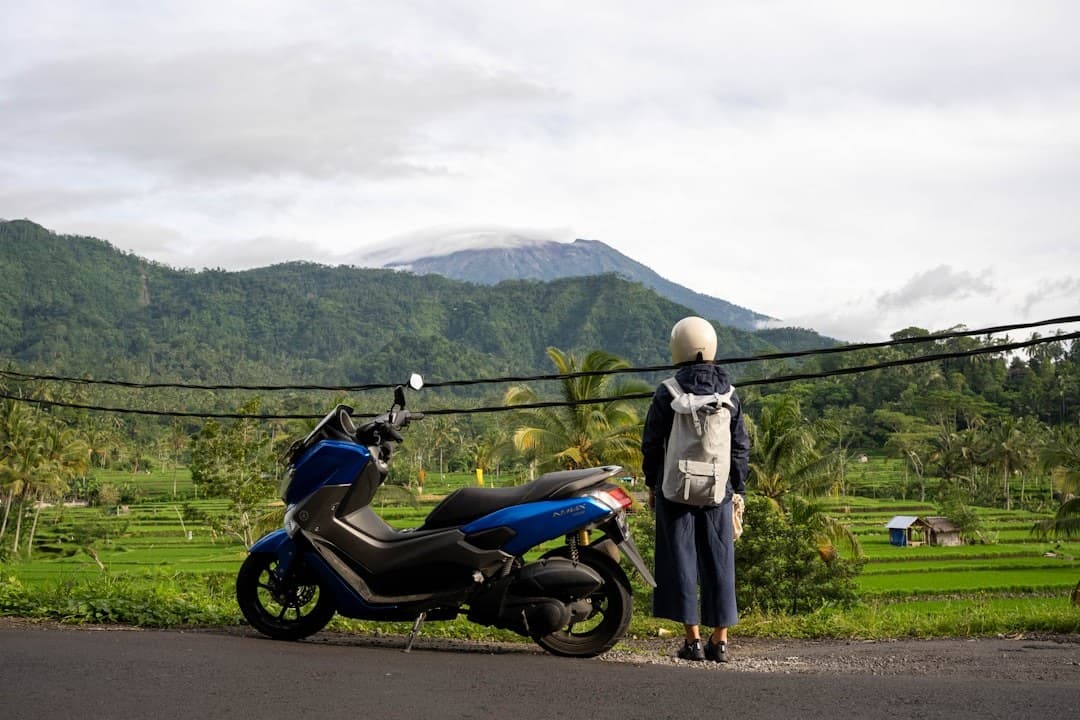
Best Time to Visit Bali from India: A Season-by-Season Guide (2026)

Picture this: you're standing on a cliff at Uluwatu, the Indian Ocean stretching endlessly before you, a warm breeze carrying the faint sound of a Kecak dance behind you. The sky is impossibly blue, and you think — this is why I came to Bali. But here's the thing: that picture-perfect moment? It depends heavily on when you book your flight from India.
Bali is one of the most beloved destinations for Indian travellers — and for good reason. It's close, it's affordable, the visa process is a breeze, and the island delivers everything from spiritual retreats to beach-club sunsets. But timing your trip right can mean the difference between sun-drenched temple explorations and soggy afternoons spent waiting out monsoon downpours.
Let's break it all down so you can pick the perfect window for your Bali adventure.
Understanding Bali's Two Seasons
Unlike India's complex four-to-six season cycle, Bali keeps things simple. The island sits just eight degrees south of the equator and experiences only two distinct seasons: the dry season (April to October) and the wet or rainy season (November to March).
Daytime temperatures hover around 27–32°C year-round during the dry season, with slightly lower humidity and cooling breezes making it feel very comfortable. During the wet season, temperatures range from 24–29°C, but humidity soars and rainfall can be heavy — particularly in January, which is the wettest month with up to 350 mm of rain.
The key takeaway? Bali is warm and tropical all year, but the feel of your trip changes dramatically based on the season you choose.
The Best Months to Visit Bali from India
🌟 May, June & September — The Sweet Spot
If you want the absolute best combination of great weather, manageable crowds, and reasonable prices, May, June, and September are your golden months. These shoulder-season gems sit right at the edges of peak tourist season.
- May brings consistently dry, sunny weather with temperatures around 29°C. It's one of the hottest months but still less crowded. The ocean is warm, clean, and perfect for snorkelling and diving.
- June offers near-perfect conditions with pleasant temperatures around 27°C and moderate visitor numbers. It's also when the spectacular Bali Arts Festival (Pesta Kesenian Bali) kicks off — running from June 13 to July 11, 2026 — a month-long celebration of traditional dance, music, and crafts at the Art Centre in Denpasar.
- September maintains the sunny disposition of peak summer but with noticeably fewer tourists. It's an excellent time to explore quieter coastal villages and enjoy uncrowded temples.
Pro tip for Indian travellers: May is when seasoned Bali visitors quietly slip in. Hotels aren't at peak prices, roads aren't at peak congestion, and you get the same brilliant weather as the expensive high-season months.
☀️ July & August — Peak Season Brilliance
July and August deliver Bali's most reliable weather — nearly impeccable sunshine, cooling breezes, and endless blue skies. August is the sunniest and driest month of the year, with barely 15 mm of rainfall.
However, this is also Bali's busiest period. European and Australian school holidays flood the island with tourists. Popular beaches like Kuta and Seminyak get packed, restaurant reservations become essential, and hotel prices hit their peak.
If you're visiting during July–August, book 6 to 9 months in advance for the best accommodation deals. Also consider heading to the central highlands around Ubud or the quieter east coast for relief from the southern beach crowds.
Don't miss: The colourful Bali Kite Festival in July, where enormous traditional kites fill the sky — a uniquely Balinese spectacle that started as a way to thank the gods for bountiful harvests.
🌧️ November to March — The Budget-Friendly Rainy Season
Here's a secret many Indian travellers overlook: the rainy season isn't as bad as it sounds. Rainfall typically comes as short, intense afternoon downpours lasting 30 minutes to two hours, with mornings often bright and sunny.
The real advantages? Prices drop substantially — flights, hotels, and activities all become significantly cheaper. The island feels less touristy and more authentic. Temples are uncrowded, restaurants remember your name by day three, and the landscape turns an incredibly lush green.
Best for: Budget-conscious travellers, wellness retreats, yoga enthusiasts, and anyone who doesn't mind carrying an umbrella. January and February offer the lowest costs but the heaviest rain. Late March and early November strike a nice balance between good weather, fewer crowds, and lower prices.
Important note: If you're visiting in March 2026, be aware that Nyepi (Day of Silence) falls on March 19. The entire island shuts down for 24 hours — the airport closes, no outdoor activities are permitted, and even internet may be restricted. It's a profound cultural experience if you plan around it, but it can disrupt travel if you don't.
🌤️ April & October — The Transition Gems
April marks the shift from wet to dry, with rainfall decreasing and sunny days becoming more frequent. October signals the opposite transition. Both months offer pleasant weather, thinner crowds, and mid-range pricing — making them excellent choices for Indian travellers seeking value.
April is particularly special in 2026, with the Bali Spirit Festival (April 22–26) — one of Asia's biggest yoga and meditation retreat at Ubud festivals held in Ubud.
Practical Tips for Indian Travellers
Flights from India
While some airlines now offer direct flights from select Indian cities, most travellers will connect through Singapore, Kuala Lumpur, or Bangkok, with total journey times of 8–12 hours. Round-trip flights typically start around ₹22,000–₹38,000 depending on the season and how far in advance you book.
Budget hack: Booking 90–120 days in advance and flying during shoulder months (May, June, September) can save you thousands on airfare.
Visa & Entry Requirements (2026)
Indian passport holders are eligible for the Visa on Arrival (VoA), which costs IDR 500,000 (approximately ₹2,600–₹3,500) for a 30-day stay, extendable once for another 30 days. You can apply online for an e-VoA before your trip to skip airport queues — highly recommended during peak months. For full details, see our Visa Requirements for Indians Visiting Bali: Complete 2026 Guide.
Additionally, all international tourists must pay the Bali Tourist Levy of IDR 150,000 (approximately ₹780) — this is mandatory and separate from the visa fee. Don't forget to also complete the All Indonesia Arrival Card online before you fly.
Budget Overview
A 7-day Bali trip from India typically costs between ₹60,000–₹80,000 for backpackers, ₹80,000–₹1.5 lakh for mid-range travellers, and ₹1.5–₹2.5 lakh for luxury experiences, including flights, accommodation, food, activities, and the tourist tax. For a full breakdown, see our Bali Trip Budget Guide: How Much Money Do You Really Need?
Festivals Worth Planning Around in 2026
Bali's cultural calendar is extraordinary. Here are key events to consider when timing your trip:
- Nyepi & Ogoh-Ogoh Parade — March 18–19 (island-wide)
- Bali Spirit Festival — April 22–26 (Ubud)
- Ubud Food Festival — May 29–31 (Ubud)
- Bali Arts Festival (PKB) — June 13–July 11 (Denpasar)
- Bali Kite Festival — July (South Bali)
- Galungan & Kuningan — Multiple dates throughout the year
- Ubud Writers & Readers Festival — October (Ubud)
In 2026, the Bali Calendar of Events features an impressive 56 curated events spread across the year, covering culture, sports, music, culinary arts, and more.
Quick Reference: When to Go Based on Your Travel Style
- Honeymooners & couples: May, June, or September for romance without crowds
- Families with kids: June–August for stable weather aligned with school holidays
- Budget travellers: January–March for the lowest prices
- Adventure seekers (diving, hiking, surfing): May–September for the best conditions
- Culture enthusiasts: March (Nyepi) or June–July (Bali Arts Festival)
- Wellness & yoga lovers: April (Bali Spirit Festival) or rainy season for peaceful retreats
Final Takeaway
The best time to visit Bali from India is during the dry season from April to October, with May, June, and September offering the ideal sweet spot of excellent weather, lighter crowds, and better prices. But honestly, Bali rewards visitors in every season — whether you're chasing sunshine on Nusa Dua's beaches in August or finding inner peace at a rainy-season yoga retreat in Ubud.
Book your flights early, sort your e-VoA and tourist levy before you fly, pack light breathable clothing with a rain jacket just in case, and get ready for an island that has a way of exceeding every expectation. Bali isn't just a destination — it's a feeling. And the right timing makes that feeling absolutely unforgettable.
Selamat jalan — happy travels! 🌴
Leave a Comment
Explore Bali
Ready to plan your trip? Check out our complete travel guide and packages.