Languages in Goa: Your Complete Communication Guide for 2026
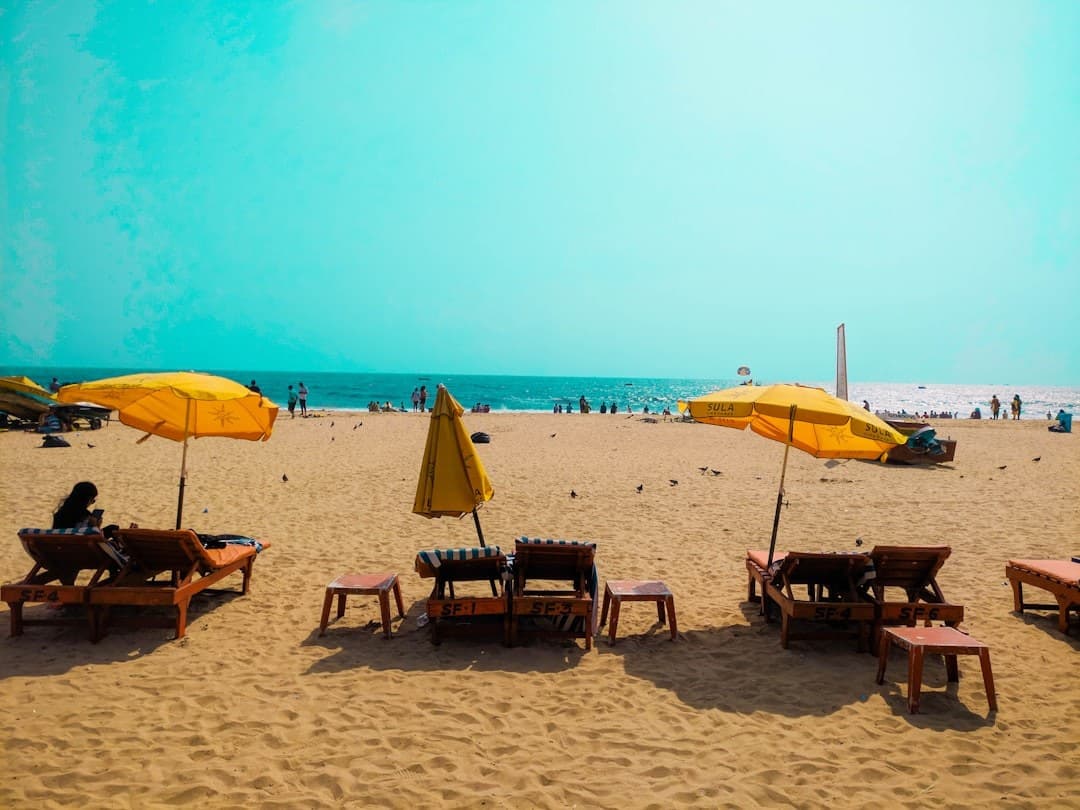
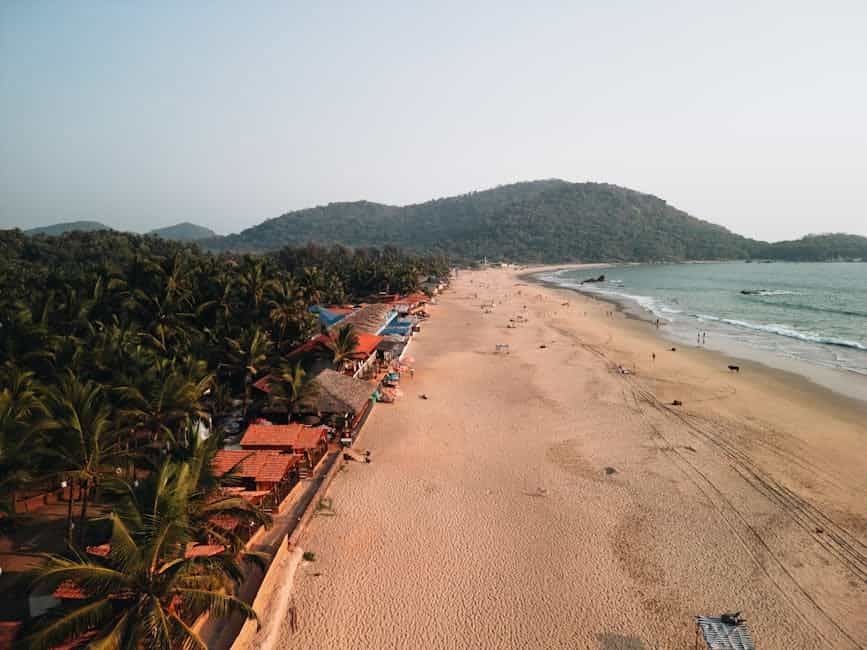
Picture this: you're standing on the golden sands of Arambol Beach, the Arabian Sea stretching endlessly before you, when a friendly local approaches to chat about the best seafood shack nearby. Will you understand each other? Can you navigate Goa's vibrant markets, book that perfect beach hut, or ask for directions to hidden waterfalls without getting lost in translation?
If you're planning a trip to India's most beloved coastal paradise, you're probably wondering about the language landscape in Goa. The good news? Communication in Goa is refreshingly straightforward for travelers, thanks to its unique linguistic diversity and tourism-friendly culture. Let's dive into everything you need to know about languages in Goa and how to communicate effectively during your visit.
The Official Languages of Goa
Konkani: The Heart of Goan Identity
Konkani is the official language of Goa and the mother tongue of most Goans. This Indo-Aryan language has a rich literary tradition and is deeply intertwined with Goan culture. You'll hear it spoken in homes, local markets, and among friends gathering at susegad (the Goan philosophy of taking life easy) sessions.
Interestingly, Konkani in Goa is written in the Devanagari script, though historically it was also written in Roman script by the Portuguese-influenced population. Don't worry though – you won't need to learn Konkani to enjoy your Goan adventure!
Marathi: The Administrative Language
Marathi serves as Goa's co-official language and is widely understood, especially in administrative settings and among the business community. Many Goans are bilingual in Konkani and Marathi, making it easier for them to communicate with visitors from Maharashtra and other parts of India.
English: Your Gateway to Seamless Communication
Here's where Goa truly shines for international travelers: English is extensively spoken throughout the state. Thanks to Goa's colonial Portuguese history, strong tourism industry, and excellent educational system, you'll find that most people in the tourism sector speak English fluently.
Where You'll Easily Find English Speakers:
- Hotels and resorts: From budget guesthouses to luxury properties
- Restaurants and beach shacks: Especially in tourist areas
- Tour operators and taxi drivers: Most are well-versed in English
- Shops and markets: Particularly in popular areas like Calangute, Baga, and Anjuna
- Medical facilities: Doctors and hospital staff typically speak excellent English
- Government tourism offices: Staff are trained to assist international visitors
Hindi: The Bridge Language
Hindi is widely understood in Goa, especially among the business community and those working in tourism. Many seasonal workers from other Indian states bring Hindi as their primary language, making it a useful lingua franca in many situations.
If you know some basic Hindi phrases, they'll certainly come in handy, particularly when:
- Shopping in local markets
- Interacting with taxi and auto-rickshaw drivers
- Communicating in smaller villages or off-the-beaten-path locations
Portuguese: A Beautiful Legacy
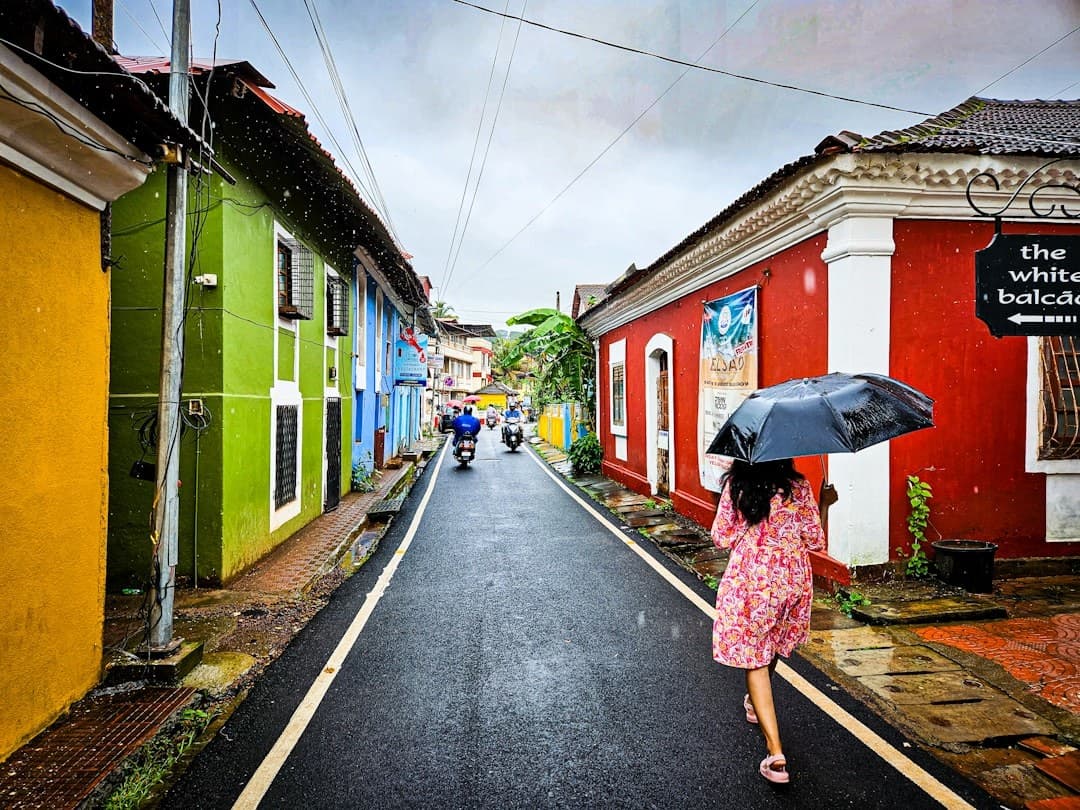
While Portuguese is no longer widely spoken, you'll still encounter its influence everywhere in Goa. Many older Goans, particularly those over 50, may speak Portuguese, and you'll see Portuguese words on street signs, in church names, and hear them peppered throughout conversations.
Fun fact: Many Goan families still have Portuguese surnames like Fernandes, D'Souza, or Pereira, reflecting centuries of cultural integration.
Will You Face Communication Issues in Goa?
The Short Answer: Probably Not!
Goa is one of the most communication-friendly destinations in India for English-speaking travelers. Here's why you're unlikely to face significant language barriers:
In Tourist Areas (North and South Goa)
- English proficiency is exceptionally high
- Menus are available in English
- Hotel staff are trained in hospitality English
- Beach vendors often speak multiple languages
- ATMs, signage, and tourist information are in English
In Local Areas and Villages
Even in more authentic, local areas, you'll generally find:
- At least one English speaker in most establishments
- Helpful locals who'll try to assist despite language barriers
- Universal gestures and smiles that transcend language
- Basic English understanding among shopkeepers and service providers
Practical Communication Tips for Your Goa Trip
Essential Phrases in Multiple Languages
While English will serve you well, learning a few local phrases shows respect and often leads to warmer interactions:
Basic Konkani Phrases:
- Namaskar - Hello/Goodbye
- Dhanyavad - Thank you
- Kitem khabbar? - How are things?
Useful Hindi Phrases:
- Namaste - Hello/Goodbye
- Dhanyawad - Thank you
- Kitna paisa? - How much money?
- Paani - Water
- Khana - Food
Technology to the Rescue
Translation Apps:
- Google Translate works offline and supports Konkani, Hindi, and Marathi
- Microsoft Translator offers conversation mode
- iTranslate provides voice translation capabilities
Navigation Apps:
- Google Maps works excellently in Goa with English directions
- Ola and Uber apps are available in English
Cultural Communication Tips
- Be Patient and Smile: Goans are incredibly friendly and patient with tourists
- Use Simple English: Speak clearly and avoid complex idioms
- Learn Basic Numbers: Helpful for shopping and bargaining
- Respect Local Customs: A little cultural awareness goes a long way
- Carry a Pocket Phrasebook: Old-school but effective backup
Regional Variations in Language Use
North Goa vs. South Goa
North Goa (Calangute Beach, Baga Beach, Anjuna Beach, Arambol):
- Higher concentration of international tourists
- English is the primary communication language
- Many seasonal workers from other states (Hindi speakers)
- Beach shacks often have multilingual staff
South Goa (Palolem, Agonda, Colva):
- More authentic local interactions
- English still widely spoken but with more local flavor
- Stronger presence of Konkani in daily conversations
- Family-run establishments may require more patience
Inland Goa
Venturing into Goa's interior – to spice plantations, waterfalls, or traditional villages – you might encounter:
- More Konkani and Marathi speakers
- Limited but usually sufficient English
- Incredibly helpful locals who'll find ways to communicate
- Opportunities for authentic cultural exchange
Special Considerations for Different Types of Travelers
Solo Travelers
- English proficiency makes solo navigation easy
- Female solo travelers will find communication respectful and helpful
- Hostels and guesthouses cater to international backpackers
Families with Children
- Kid-friendly establishments always have English-speaking staff
- Medical facilities are well-equipped with English-speaking professionals
- Entertainment venues (water parks, attractions) operate in English
Business Travelers
- Professional settings predominantly use English
- Conference facilities and hotels are internationally standard
- Local business community is globally minded
When Communication Challenges Might Arise
While rare, you might face minor communication hurdles:
- Very local markets: Where vendors may primarily speak Konkani
- Remote beaches or villages: Less tourist infrastructure
- Older generations: May be more comfortable with Portuguese or local languages
- Specific technical or medical terms: Might require translation apps
Pro Tip: Even in these situations, Goans are remarkably resourceful at finding ways to help tourists communicate effectively.
Your Communication Action Plan
Before you pack your bags for Goa, here's your practical checklist:
Pre-Trip Preparation
- Download Google Translate with offline language packs
- Learn 5-10 basic Konkani or Hindi phrases
- Save important phrases in your phone's notes
- Research your specific destinations for language expectations
During Your Trip
- Start conversations with a smile and "Namaskar" or "Namaste"
- Carry a small notebook for writing down important information
- Use your hotel concierge as a communication resource
- Don't hesitate to ask for help – Goans love assisting visitors
Emergency Preparedness
- Save important numbers with English-speaking contacts
- Know the location of your nearest tourist police station
- Keep your hotel's address written in local script
- Have translation apps ready for medical or emergency situations
Conclusion: Embrace the Linguistic Diversity
The beauty of Goa lies not just in its pristine beaches and vibrant culture, but in its welcoming, multilingual environment that makes every traveler feel at home. Whether you're ordering fish curry rice at a local eatery, bargaining for souvenirs at the Saturday Night Market, or asking for directions to that secret beach, you'll find that communication in Goa is surprisingly smooth and often delightfully enriching.
Your language concerns shouldn't hold you back from experiencing this incredible destination. With English widely spoken, helpful locals, and modern technology at your fingertips, you're all set for seamless communication throughout your Goan adventure.
Ready to explore Goa? Pack light on language worries and heavy on excitement – this coastal paradise is waiting to welcome you with open arms and understanding voices, no matter what language you speak. Susegad awaits!