Frequently Asked Questions about Goa
Find answers to the most frequently asked questions about Goa. From travel tips and safety information to must-know details, our FAQ section helps you plan a smooth and hassle-free trip.
When is the best time to visit Goa and what's the weather like?
The best time to visit Goa is October to March (prime season) when the weather is dry with pleasant days (20-32°C) and cool nights. This period offers calm seas perfect for swimming, open beach shacks, vibrant nightlife, and ideal conditions for water sports. Summer (March-May) is hot but manageable with temperatures reaching 36°C, offering good deals and fewer crowds. Monsoon season (June-September) brings heavy rains and rough seas, with many beach activities suspended, but it's perfect for experiencing lush landscapes, waterfalls, and romantic ambiance at discounted rates. Christmas-New Year is peak season with highest prices and crowds.
How do I reach Goa and what are the transportation options?
Goa has two airports: Manohar International Airport (GOX) in North Goa near Mopa, and Dabolim Airport (GOI) for Central/South Goa access. Both receive direct flights from major Indian cities and seasonal international connections. By train, major stations include Madgaon, Thivim, Karmali, and Vasco da Gama, connected via the scenic Konkan Railway. By road, NH 66 coastal highway and NH 48 via Western Ghats connect Goa to Mumbai, Pune, and Bengaluru. Overnight buses operate frequently from these cities. The journey from Mumbai takes 8-10 hours by road, while flights take 1.5 hours.
Do I need a visa to visit Goa as a tourist?
Goa is part of India, so visa requirements depend on your nationality. Indian citizens need only valid government-issued photo ID. Foreign tourists require appropriate Indian visas - tourist visa, e-visa, or visa-on-arrival (for eligible countries). E-visas are convenient and can be obtained online for most nationalities, valid for 30-365 days depending on type. Processing typically takes 2-4 business days. Ensure your passport has at least 6 months validity and blank pages. Some nationalities like Bhutan and Nepal citizens don't need visas but require valid identification. Check the latest visa requirements on the official Indian visa website before traveling.
What are the best local transportation options in Goa?
Goa offers diverse transportation options. Rental scooters/motorbikes are most popular for flexibility - carry your original license and wear helmets (mandatory). Motorcycle taxis called 'pilots' are unique to Goa, perfect for solo travelers. Regular taxis and app-based services like GoaMiles operate throughout. Kadamba state buses and private buses connect major towns and beaches affordably. River ferries to islands like Divar and Chorao are scenic and frequent. Auto-rickshaws exist but are limited in some areas. For comfort, rent a car with driver. Always negotiate fares beforehand for taxis and pilots, or use metered/app-based services.
Where should I stay in Goa and what accommodation options are available?
North Goa (Calangute, Candolim, Anjuna, Vagator) offers vibrant nightlife, water sports, and party atmosphere with beach shacks, budget guesthouses to luxury resorts. South Goa (Colva, Benaulim, Palolem, Agonda) provides quieter, family-friendly vibes with wider beaches and upscale resorts. Panaji offers heritage charm and cultural experiences. Accommodation ranges from budget hostels (₹500-1500/night), mid-range hotels and beach resorts (₹2000-8000/night), to luxury properties like Taj, W Goa, and Alila Diwa (₹15000+/night). Beach huts and homestays offer authentic experiences. Book well in advance for December-January. Consider proximity to beaches, nightlife preferences, and transportation when choosing location.
What are the must-visit attractions and places in Goa?
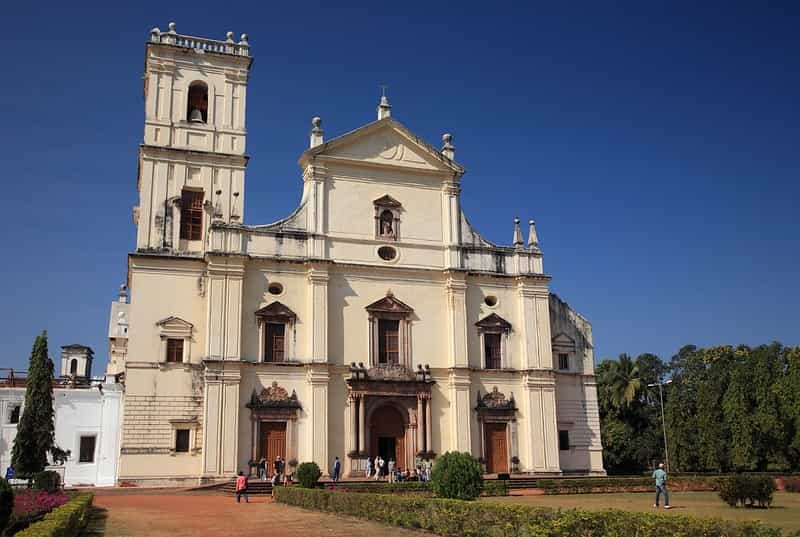
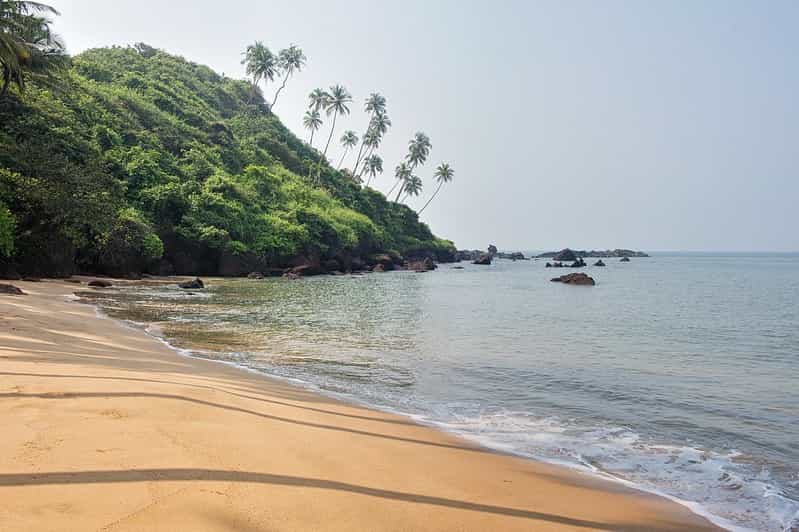
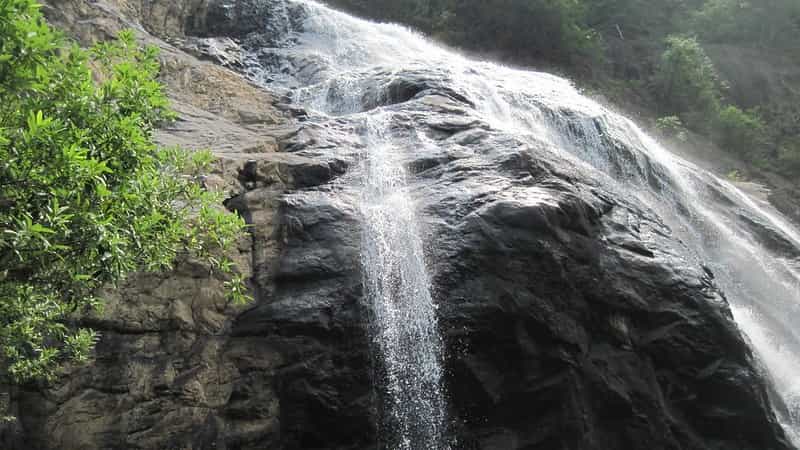
Essential Goa experiences include UNESCO-listed Old Goa churches (Basilica of Bom Jesus, Se Cathedral), colorful Fontainhas Latin Quarter in Panaji, and Fort Aguada for sunset views. North Goa highlights are Chapora Fort, Anjuna's Wednesday flea market, and Calangute-Baga beach strip. Don't miss Dudhsagar Falls (spectacular four-tier waterfall), spice plantations in Ponda, and peaceful Divar Island accessible by ferry. South Goa offers pristine beaches like Palolem and Agonda, plus hidden gems like Cola Beach's blue lagoon. Take sunset cruises on Mandovi River, explore Salim Ali Bird Sanctuary, and visit off-beat Tambdi Surla Temple. Each region offers distinct experiences from heritage to nature to beaches.
What local food and cuisine should I try in Goa?
Goan cuisine blends Portuguese and Konkani influences. Must-try dishes include Goan Fish Curry with rice, Pork Vindaloo, Chicken Cafreal (green masala), and Chicken Xacuti (coconut-spice curry). Seafood specialties are rava-fried fish, Prawn Balchão, and fresh catch at beach shacks. Try local breads like poi and pão, and end meals with bebinca (layered dessert) or dodol. Drink feni (cashew or coconut spirit) - Goa's signature alcohol, or seasonal urrak. Visit Vinayak Family Restaurant, Kokni Kanteen, or Martin's Corner for authentic experiences. Beach shacks serve fresh seafood with sea views. Vegetarians can enjoy sol kadhi, Goan dal, and coconut-based curries. Always try the local fish thali for a complete experience.
What's the typical budget for a trip to Goa?
Goa suits all budgets. Budget travelers can manage ₹1500-2500/day with hostels (₹500-1000), local food (₹200-400/meal), and public transport. Mid-range travelers spend ₹3000-6000/day including decent hotels (₹2000-4000), restaurant meals (₹500-800), and rental scooters (₹300-500/day). Luxury travelers budget ₹8000-15000+/day for premium resorts, fine dining, and private transport. December-January prices are 50-100% higher. Activities cost ₹500-3000 each (water sports, spice tours, cruises). Alcohol is cheaper than most Indian states. Feni costs ₹100-300/bottle, beer ₹80-150. Factor in flights (₹3000-15000 depending on origin/season). ATMs are widespread, and cards accepted at most establishments.
What safety tips should I keep in mind while visiting Goa?
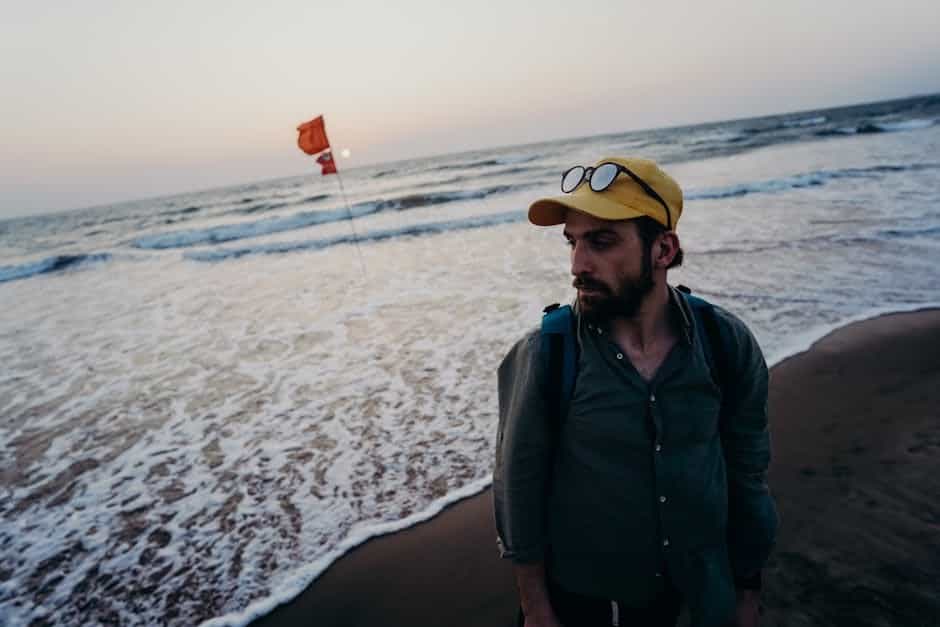
Goa is generally safe, but follow basic precautions. Swim only at lifeguarded beaches and heed red/yellow flag warnings - currents can be dangerous. Don't leave valuables unattended on beaches. If renting vehicles, wear helmets (mandatory), carry original licenses, and avoid drinking and driving - Goa has strict enforcement. Be cautious during monsoons on ghat roads due to fog and rain. Use reputable tour operators for water sports and dolphin cruises. Avoid isolated areas at night, especially for solo female travelers. Don't accept drinks from strangers and watch your consumption - Goa's party scene can be overwhelming. Keep emergency contacts handy and inform someone of your whereabouts. Use sunscreen religiously and stay hydrated in the tropical climate.
What cultural etiquette should I follow in Goa?
Goa is relatively liberal, but respect local customs. Dress modestly when visiting churches and temples - cover shoulders and legs, remove footwear where required. While beachwear is acceptable on beaches, avoid it in towns and religious sites. Photography inside churches often requires permission; always ask before photographing people. Goa has a strong Catholic influence, so be respectful during religious ceremonies. Tipping is appreciated - 10% at restaurants, ₹20-50 for service staff. Bargaining is common at markets but not in established stores. Learn basic Konkani greetings like 'Dev borem korum' (Good day) - locals appreciate the effort. Don't litter beaches or natural areas. Be mindful that many locals depend on tourism, so treat service providers with respect and patience.
How many days should I plan for a Goa trip?
A minimum 4-5 days covers basic highlights, but 7-10 days allows a comprehensive experience. For first-time visitors, 5-7 days works well: 2-3 days in North Goa (beaches, nightlife, Fort Aguada, Old Goa), 2-3 days in South Goa (quieter beaches, spice plantations, Dudhsagar Falls), and 1 day for Panaji exploration. Adventure enthusiasts need 7-10 days for water sports, trekking, island hopping, and multiple beach experiences. Wellness seekers or those wanting a relaxed pace should plan 10-14 days. Consider travel time between North and South Goa (1-2 hours). December-January visitors might want longer stays to justify higher costs. Monsoon visitors can enjoy 4-6 days focusing on waterfalls, spice tours, and cultural sites while many beach activities are unavailable.
What should I pack for a trip to Goa?
Pack light, breathable clothing - cotton and linen work best in the tropical climate. Essentials include swimwear, flip-flops, comfortable walking shoes, sunglasses, and a wide-brimmed hat. High SPF sunscreen (50+) is crucial. For monsoon visits (June-September), pack quick-dry clothes, waterproof jacket, umbrella, and waterproof sandals. Evenings can be cool, so bring a light jacket or shawl. Include insect repellent, especially for spice plantation visits. Modest clothing for church visits - long pants/skirts and shirts covering shoulders. Don't forget phone waterproof cases for beach activities, power banks, and universal adapters. Carry any prescription medications as specific brands may not be available. Beach towels are often provided by accommodations, but pack a quick-dry towel for day trips.
What languages are spoken in Goa and will I face communication issues?
Konkani is Goa's official language, with Marathi and Hindi also widely spoken. However, English is extensively used in tourist areas, hotels, restaurants, and by service providers, making communication easy for international and domestic tourists. Most young Goans are fluent in English due to tourism exposure and education. In remote villages or local markets, basic Hindi helps, but even there, simple English is often understood. Learning a few Konkani phrases like 'Dev borem korum' (good day), 'dhanyavad' (thank you), and 'kitem asa?' (how much?) earns appreciation from locals. Portuguese influence remains in place names and some older residents may speak Portuguese. Overall, language barriers are minimal in Goa compared to other Indian destinations.
Where can I shop in Goa and what souvenirs should I buy?
Goa offers diverse shopping experiences. Anjuna Flea Market (Wednesdays) and Arpora Saturday Night Market (November-April evenings) are iconic for souvenirs, handicrafts, and bohemian items. Mapusa Friday Market is perfect for spices, local sausages, and authentic Goan products. Buy cashew nuts, feni bottles, Goan spice mixes, and pickles as edible souvenirs. Handicrafts include azulejo tiles, Mario Miranda prints, shell crafts, and crochet items. Kunbi saris, hemp clothing, and boho beachwear are popular. Panjim and Margao municipal markets offer everyday shopping and local produce. Goa Collective Bazaar in Vagator features indie brands. Avoid buying shells, corals, or items made from endangered species. Bargaining is expected at markets but not in established stores. Keep receipts for feni and cashews if carrying in flight luggage.
What are the best beaches in Goa for different types of travelers?
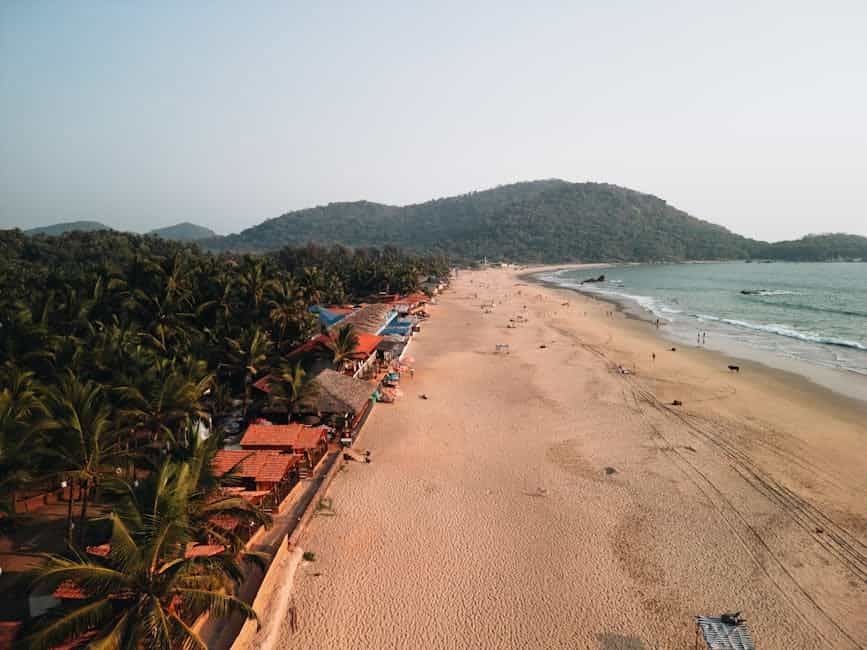
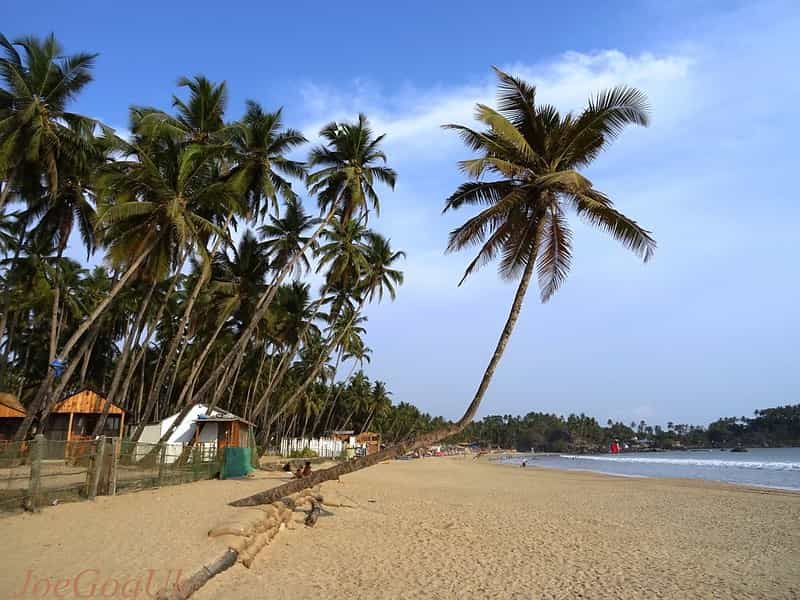
North Goa beaches suit party-goers and water sports enthusiasts: Baga and Calangute offer vibrant nightlife, water sports, and beach shacks; Anjuna hosts the famous Wednesday flea market and trance parties; Vagator provides dramatic cliffs and sunset views. For quieter North Goa experiences, try Ashwem, Mandrem, and Morjim. South Goa beaches are ideal for families and relaxation: Colva and Benaulim offer wide sands and calm waters; Palolem and Agonda provide crescent bays perfect for kayaking and yoga retreats. Off-beat options include Cola Beach with its freshwater lagoon, Galgibaga for turtle nesting (seasonal), and Butterfly Beach accessible only by boat. Each beach has distinct character - research based on your preferences for crowds, activities, and accommodation options nearby.
What water sports and adventure activities are available in Goa?
Goa offers excellent water sports, primarily during October-May when seas are calm. Popular activities include parasailing, jet-skiing, banana boat rides, and speed boat trips available at Calangute, Baga, Candolim, and Colva beaches. Scuba diving and snorkeling around Grande Island reveal coral reefs and shipwrecks - PADI courses available for beginners. Surfing and kite-surfing are best at Ashwem and Mandrem beaches. Kayaking in backwaters like Nerul, Sal, and Cola lagoon offers peaceful nature experiences. Adventure on land includes trekking to Dudhsagar Falls, Tambdi Surla temple, and Chorla Ghat trails. White-water rafting operates during monsoons on Mhadei River. Dolphin cruises and fishing trips are popular but choose ethical operators who maintain distance from marine life. Prices range ₹500-5000 per activity.
What is Goa's nightlife like and where are the best places to party?
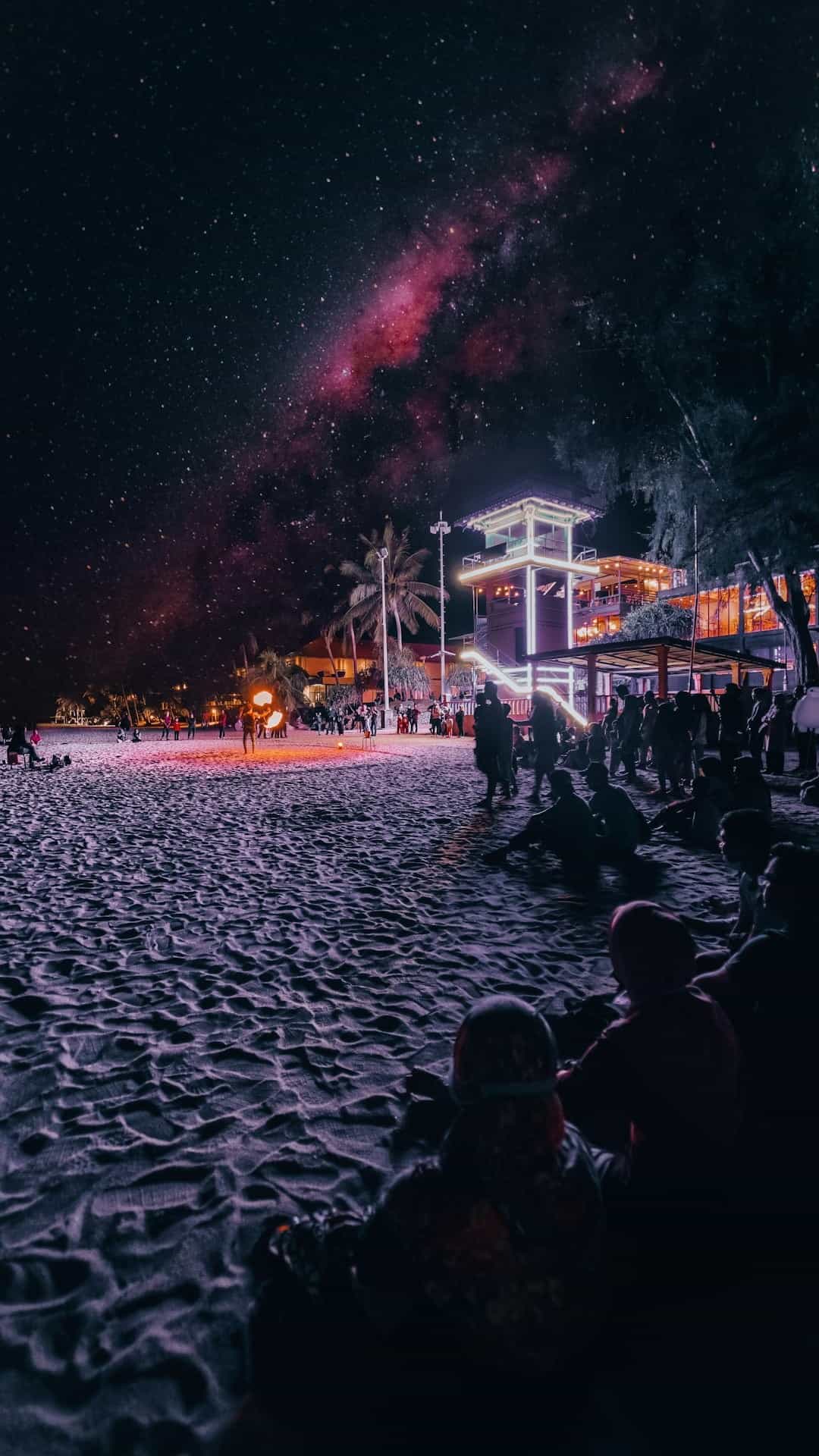
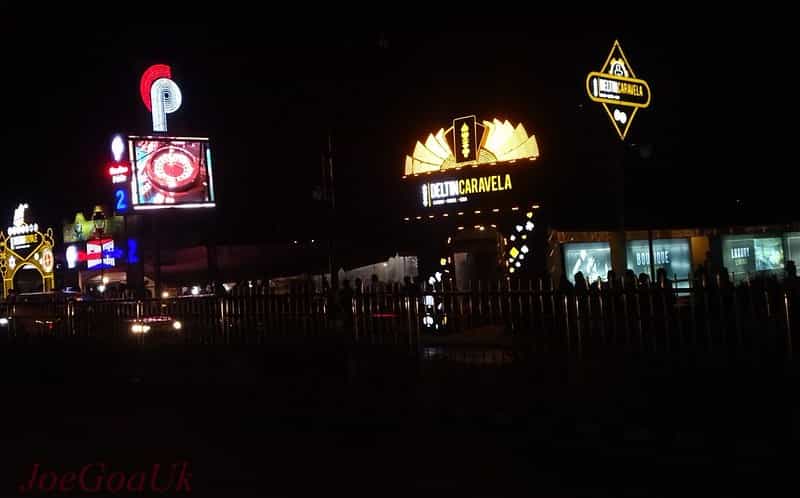
Goa's nightlife is legendary, centered mainly in North Goa. Iconic venues include Hilltop (Vagator) for open-air psytrance parties, especially Sunday sessions, and Thalassa (Siolim) for Greek cuisine with sunset views and live music. Clubs like Hammerzz (Baga), SinQ (Candolim), and LPK Waterfront (Nerul) offer mainstream clubbing with international DJs. Beach shacks transform into party venues after sunset. South Goa nightlife is more subdued - Silent Noise parties at Palolem offer unique headphone raves. Mandovi River casinos like Deltin Royale provide gaming and entertainment. Beach parties, especially during peak season, are common but check local regulations. Many venues close during monsoons. Entry fees range ₹500-2000 for clubs, drinks cost ₹200-800. Always arrange safe transportation back to accommodation and drink responsibly.
How can I experience Goa's Portuguese heritage and culture?
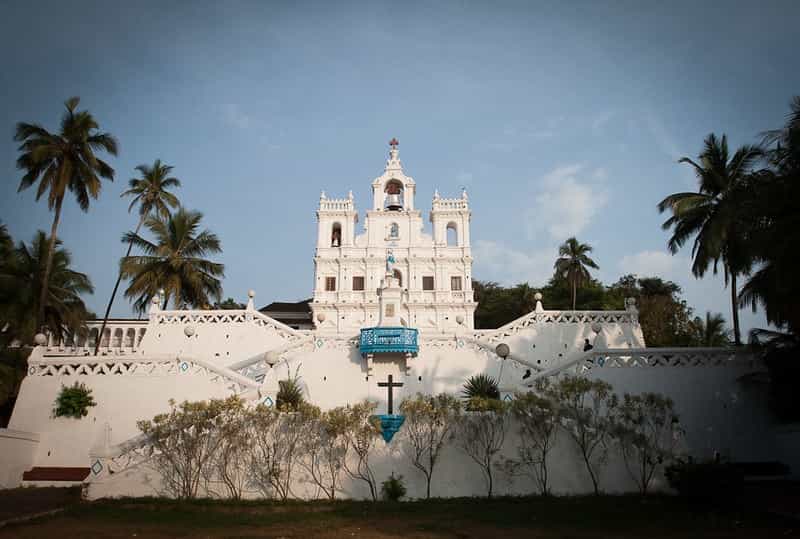
Immerse in Goa's Portuguese legacy starting with UNESCO World Heritage Site Old Goa, featuring Basilica of Bom Jesus (St. Francis Xavier's remains) and Se Cathedral. Explore Fontainhas, Panaji's Latin Quarter, with colorful Portuguese-style houses, azulejo tile nameplates, and narrow cobbled streets - best experienced on foot or heritage walks. Visit museums like Museum of Christian Art and Houses of Goa showcasing Indo-Portuguese architecture. Attend cultural events like Goa Carnival (February/March) with parades and street festivities, or Shigmo festival celebrating spring. Experience Portuguese-influenced cuisine at traditional restaurants serving vindaloo, sorpotel, and bebinca. Stay in heritage properties converted from Portuguese-era homes. Learn about feni production at local distilleries. Churches across Goa display baroque architecture and host beautiful choir performances, especially during Christmas season.
What are the monsoon experiences in Goa and is it worth visiting during rains?
Monsoon Goa (June-September) offers a completely different but magical experience. While beach shacks close and water sports pause, the landscape transforms into lush greenery with cascading waterfalls like Dudhsagar at their spectacular best. Spice plantations are aromatic and verdant, perfect for guided tours. The weather is cooler (24-30°C) and romantic with dramatic skies and fresh air. Accommodation rates drop significantly, making luxury stays affordable. Cultural experiences shine - visit churches, museums, and heritage sites without crowds. River cruises continue operating. Ayurvedic treatments are ideal during monsoons according to traditional beliefs. Photography enthusiasts love the misty landscapes and dramatic lighting. However, plan for indoor activities, carry rain gear, and expect some restaurants to have limited hours. It's perfect for travelers seeking tranquility, nature, and authentic local experiences.
What are some unique festivals and events I can experience in Goa?
Goa's festival calendar blends Christian, Hindu, and cultural celebrations. Goa Carnival (February/March) features colorful parades, float processions, and street parties - a Portuguese legacy. Shigmo (March) is Goa's spring festival with traditional folk dances and decorated floats. São João (June 24) celebrates monsoon arrival with people jumping into wells wearing flower crowns. Bonderam Festival on Divar Island (August) recreates historical village boundary disputes with mock flag battles. Religious festivals include Feast of St. Francis Xavier (December 3) drawing pilgrims worldwide. Modern events include Sunburn EDM festival (December), International Film Festival of India IFFI (November), and Serendipity Arts Festival (December) showcasing contemporary arts. Monte Music Festival features classical concerts in heritage church settings. Each festival offers unique cultural insights - check dates as they vary annually based on lunar calendar or organizing schedules.