Frequently Asked Questions about Hong Kong
Find answers to the most frequently asked questions about Hong Kong. From travel tips and safety information to must-know details, our FAQ section helps you plan a smooth and hassle-free trip.
What is the best time to visit Hong Kong and what's the weather like?
The best time to visit Hong Kong is October to early December, featuring clear blue skies, comfortable temperatures (19-26°C), low humidity, and perfect conditions for outdoor activities. This prime season is ideal for skyline views, hiking, and harbour cruises. Winter (December-February) offers cool, dry weather (12-20°C) with festive lights and comfortable sightseeing. Summer (April-June) brings humid conditions (24-31°C) with occasional showers. Monsoon season (June-September) is hot and humid (27-33°C) with frequent rain and possible typhoon warnings. Download the Hong Kong Observatory app to monitor weather alerts and typhoon signals during your visit.
How do I reach Hong Kong from India and what are the transportation options?
Hong Kong International Airport (HKG) at Chek Lap Kok is the main gateway, with direct flights from major Indian cities including Delhi, Mumbai, Bengaluru, Chennai, and Hyderabad. Flight time is typically 5.5-6.5 hours for non-stops. From the airport, take the Airport Express train for rapid city access, taxis (colour-coded by area), or buses. Within the Greater Bay Area, high-speed rail connects to Mainland China from West Kowloon Station. Cross-boundary buses link to Shenzhen and Macau via the Hong Kong-Zhuhai-Macau Bridge. Regional ferries operate to various islands and Macau for day trips.
Do Indian citizens need a visa to visit Hong Kong?
Indian passport holders typically require Pre-Arrival Registration (PAR) for short visits to Hong Kong. This online system allows eligible travelers to visit without a traditional visa. If PAR is not approved, you'll need to apply for a proper visa through the Hong Kong Immigration Department or authorized agents. Requirements and policies can change, so always check the latest entry requirements on the official Hong Kong Immigration Department website before booking your trip. Ensure your passport is valid for at least 6 months from your planned departure date and has blank pages for entry stamps.
What are the local transportation options in Hong Kong?
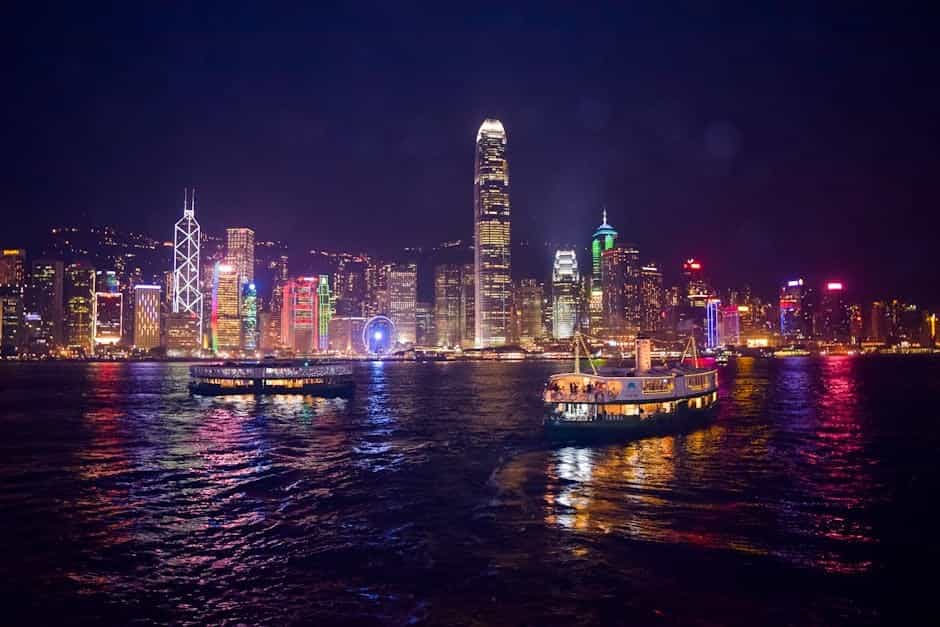
Hong Kong offers excellent public transport. The MTR (metro) is fast, clean, and comprehensive. Buses and minibuses (green/red) reach all areas including beaches and hiking trails. Iconic trams ('Ding Ding') provide scenic rides on Hong Kong Island. The Star Ferry offers stunning harbour crossings with skyline views. Taxis are colour-coded by region and metered. Ride-hailing services like Uber operate citywide. The Octopus Card is essential - a contactless stored-value card accepted on almost all transport and many shops. Purchase at any MTR station; unused balance and deposit are refundable when you leave.
Where should I stay in Hong Kong and what accommodation options are available?
Tsim Sha Tsui (TST) is ideal for first-time visitors, offering harbour views, shopping, dining, and easy access to attractions. Central provides business district convenience and luxury hotels. Wan Chai offers mid-range options with great nightlife. Luxury hotels include The Peninsula, Rosewood, and Four Seasons. Design hotels like The Upper House and K11 ARTUS offer unique experiences. Mid-range options include Cordis, Harbour Grand, and Hyatt Regency. Budget travelers can choose ibis hotels or Holiday Inn Express. Book early during peak seasons (October-December, Chinese New Year) as prices rise significantly during festivals and holidays.
What are the must-visit attractions in Hong Kong?
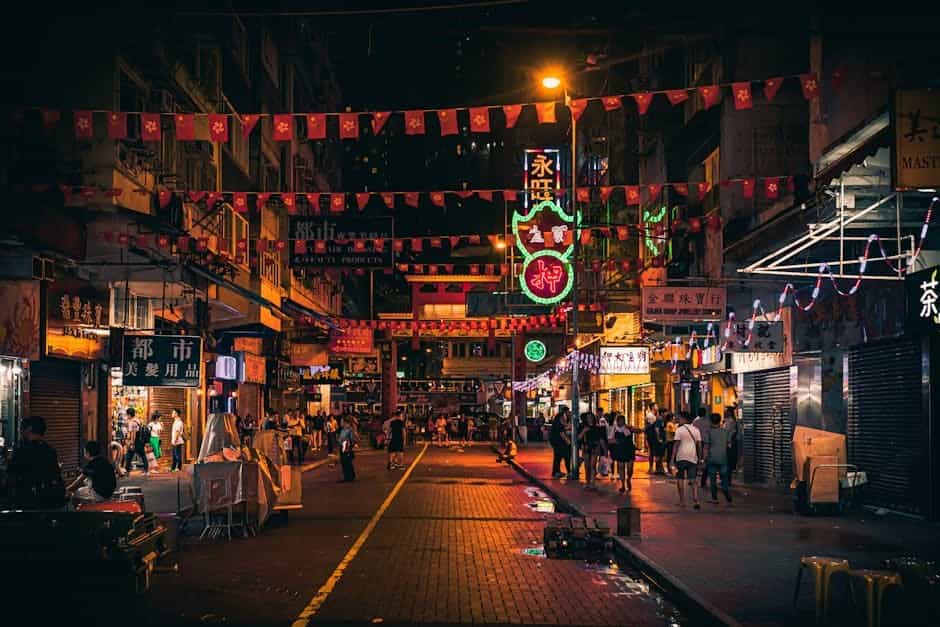
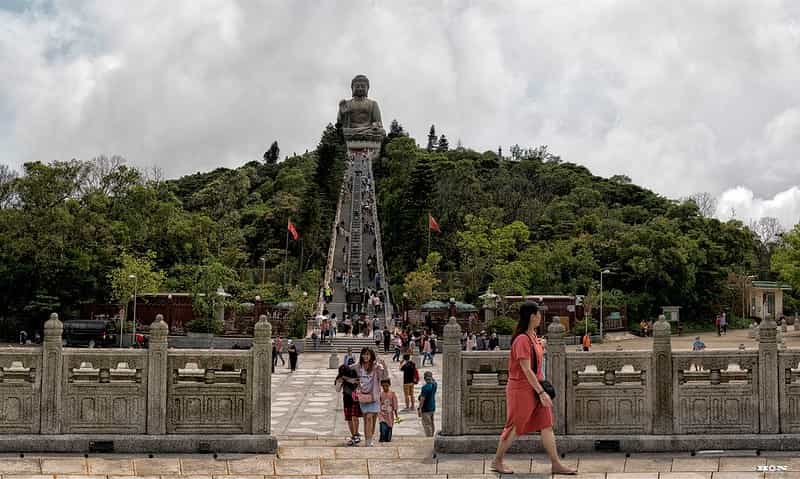
Essential attractions include Victoria Peak via the historic Peak Tram for panoramic city views, and Tsim Sha Tsui Promenade for the Symphony of Lights show. Visit Ngong Ping 360 cable car and Tian Tan Buddha on Lantau Island. Family favorites are Hong Kong Disneyland and Ocean Park. Cultural highlights include Man Mo Temple, Wong Tai Sin Temple, and Chi Lin Nunnery with Nan Lian Garden. Explore Tai O fishing village for traditional stilt houses. The M+ museum in West Kowloon showcases contemporary Asian art. Don't miss a Star Ferry harbour crossing and Temple Street Night Market for authentic local atmosphere.
What local food and cuisine should I try in Hong Kong?
Hong Kong's culinary scene is world-renowned. Must-try dishes include dim sum (siu mai, har gow, char siu bao), roast meats (char siu, roast goose), wonton noodles, and claypot rice. Sample Hong Kong-style milk tea and egg tarts from local cha chaan tengs (tea restaurants). For Indian tourists, excellent options include CHAAT at Rosewood, Bombay Dreams, Gaylord, Kailash Parbat for chaat, and Saravanaa Bhavan for South Indian cuisine. Vegetarian, Jain, and Halal options are abundant in TST, Central, and Wan Chai. Visit local markets for street food and traditional bakeries like Tai Cheong for fresh egg tarts.
What's the typical budget for a Hong Kong trip and what do things cost?
Hong Kong can suit various budgets. Budget travelers can expect HK$500-800 per day including hostels, local food, and public transport. Mid-range visitors should budget HK$1,500-2,500 daily for decent hotels, mix of local and restaurant dining, and attractions. Luxury travelers may spend HK$3,000+ daily for premium hotels, fine dining, and private transport. Key costs: Airport Express HK$115, Peak Tram HK$65-99, dim sum lunch HK$100-300, street food HK$30-80, MTR rides HK$5-15, taxis HK$25+ flagfall. Attraction passes and Octopus cards offer savings. Prices spike during peak seasons and festivals.
Is Hong Kong safe for tourists and what safety tips should I follow?
Hong Kong is extremely safe for tourists with very low crime rates. The city has efficient police presence and excellent emergency services. Basic safety tips include: avoid littering (heavy fines apply), stay hydrated in humid weather, and follow typhoon warnings during storm season. Use official taxis and licensed tour operators. Keep copies of important documents separately. The emergency number is 999. Pickpocketing is rare but stay aware in crowded markets. Tap water is generally safe after treatment, though many prefer bottled water. Healthcare standards are high with both public and private facilities. Travel insurance is recommended for peace of mind.
What cultural etiquette should I observe in Hong Kong?
Hong Kong blends Eastern traditions with international customs. Key etiquette includes: stand left on escalators, queue orderly for transport, and avoid blocking MTR doors. In temples, dress modestly, remove hats, and don't point feet toward altars. Tipping isn't mandatory as many restaurants add 10% service charge, but small tips for exceptional service are appreciated. Business cards should be received with both hands. Avoid discussing sensitive political topics. Photography is generally allowed except in temples and private areas - always ask first. Respect personal space in crowded areas. Learning basic Cantonese greetings like 'hello' (nei hou) is appreciated by locals.
How many days should I plan for a Hong Kong trip?
A minimum of 4-5 days allows you to see major attractions like Victoria Peak, Tsim Sha Tsui waterfront, Big Buddha, and one theme park, plus sample the food scene. A week (6-7 days) is ideal for first-time visitors, allowing time for island hopping, hiking, shopping, and cultural sites without rushing. This duration lets you explore both urban attractions and natural beauty. For repeat visitors or those wanting deeper exploration, 10+ days allows for day trips to Macau, extensive hiking, multiple theme parks, and thorough neighborhood exploration. Consider your interests: families need more time for theme parks, while culture enthusiasts might prefer temple and museum visits.
What should I pack for Hong Kong?
Pack according to season and planned activities. Year-round essentials include comfortable walking shoes, light layers, umbrella, sunscreen SPF 50+, and portable charger. Summer (Apr-Sep): lightweight, breathable clothing, rain jacket, quick-dry fabrics, hat, and anti-slip sandals for wet surfaces. Winter (Oct-Mar): light sweater, jacket for evenings, closed shoes, and layers for temperature changes. Bring a light jacket for heavily air-conditioned spaces. Pack modest clothing for temple visits. Power adapter: Type G (UK-style), 220V. Consider a small daypack for hiking and sightseeing. Download useful apps like Hong Kong Observatory for weather and Citymapper for navigation.
What languages are spoken in Hong Kong and how can I communicate?
Cantonese is the primary language, with English widely used in tourism, transport, and business areas. Mandarin is increasingly common. All MTR stations, buses, and major attractions have English signage and announcements. Most hotel staff, restaurant workers in tourist areas, and attraction personnel speak English. Download translation apps like Google Translate with camera function for menus and signs. Learn basic Cantonese phrases: 'hello' (nei hou), 'thank you' (m goi), 'excuse me' (m hou yi si). Point-and-order works well in local eateries. Many restaurants in TST and Central have English menus or picture menus for easy ordering.
Where can I shop in Hong Kong and what souvenirs should I buy?
Hong Kong is a shopping paradise with options for every budget. Luxury malls include IFC, Harbour City, K11 MUSEA, and Pacific Place. For bargains, visit Citygate Outlets in Tung Chung. Street markets offer unique experiences: Ladies' Market (clothes), Temple Street Night Market (curios), Stanley Market (souvenirs), and Cat Street for antiques. Electronics enthusiasts should explore Sham Shui Po's Ap Liu Street. Popular souvenirs include Chinese tea, silk items, jade jewelry, traditional porcelain, local snacks (egg rolls, wife cakes), skincare products, and limited-edition items. PMQ and Tai Kwun offer local designer goods and crafts. Many shops offer tax-free shopping for tourists.
What are some off-the-beaten-path places to visit in Hong Kong?
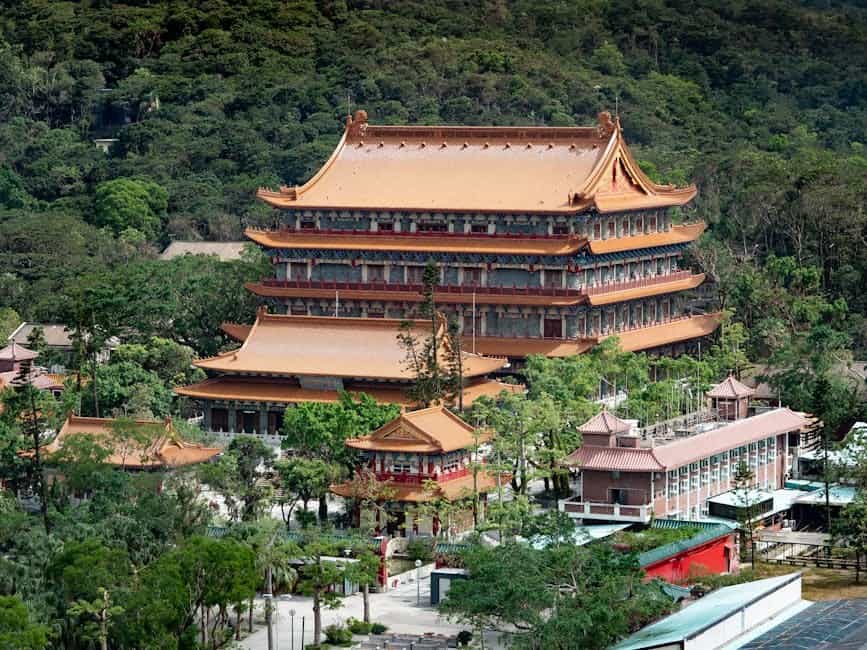
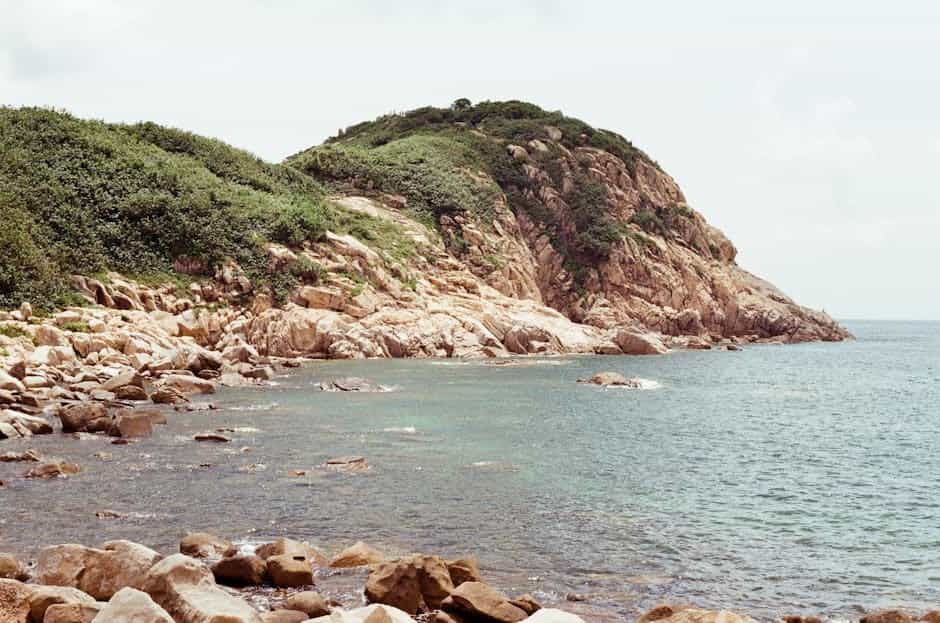
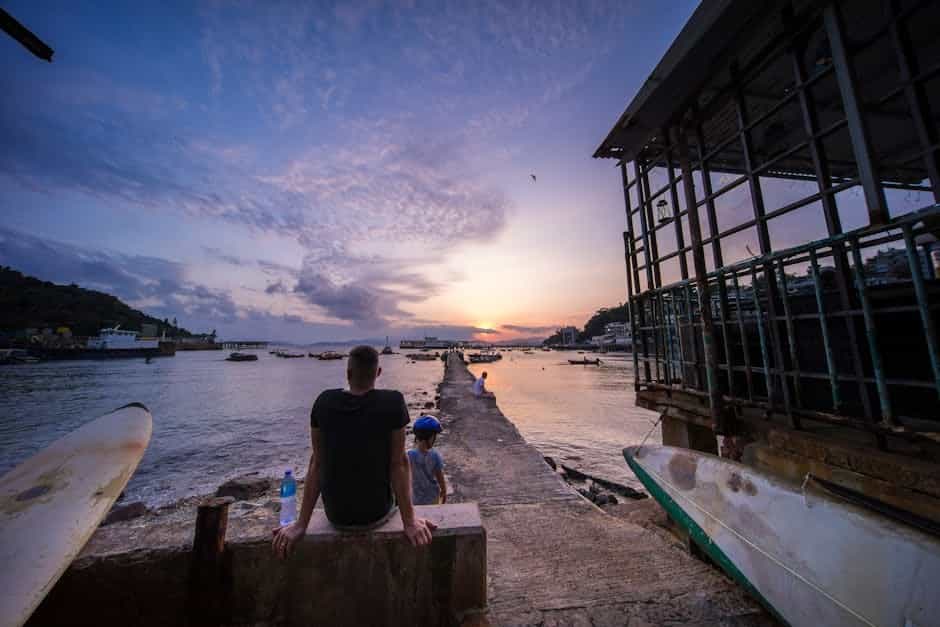
Beyond famous attractions, explore hidden gems like Peng Chau Island for slow-paced village life and easy coastal walks. Visit Lai Chi Wo Hakka Village, a restored heritage village surrounded by mangroves and ancient feng shui woods. Tap Mun (Grass Island) offers rolling meadows and dramatic sea cliffs perfect for picnics. Sharp Island in Sai Kung features a tombolo (sand bridge) walkable at low tide. Ten Thousand Buddhas Monastery in Sha Tin requires a climb past golden statue-lined paths. Shing Mun Reservoir provides emerald waters and possible macaque sightings. Yim Tin Tsai showcases restored salt pans and island chapel history.
What adventure activities can I do in Hong Kong?
Hong Kong offers surprising adventure opportunities beyond urban attractions. Dragon's Back hike near Shek O provides stunning ocean ridge views suitable for beginners. MacLehose Trail sections offer world-class hiking through country parks. In Sai Kung, try kayaking or stand-up paddleboarding to explore sea caves and hexagonal rock columns. Snorkel at Hoi Ha Wan Marine Park for coral viewing (best in summer). Cycle the scenic Tai Wai to Tai Mei Tuk riverside route ending at Plover Cove Reservoir. Rock climbing is available at Lion Rock and Kowloon Crags with guided options for all levels. Many activities offer stunning city panoramas combined with nature experiences.
How does Hong Kong's public transport work and what's the Octopus Card?
Hong Kong's integrated transport system is among the world's best. The Octopus Card is a rechargeable contactless card accepted on MTR, buses, trams, ferries, and many shops and restaurants. Purchase at any MTR station with HK$50 deposit plus initial value. Simply tap on entry/exit readers - fares are automatically deducted. The card offers small discounts and transfer concessions between transport modes. Refund unused balance and deposit when leaving (small admin fee for cards held under 3 months). Alternative payment methods include single-journey tickets, tourist day passes, or mobile payments, but Octopus remains most convenient and cost-effective for short visits.
What festivals and events happen in Hong Kong throughout the year?
Hong Kong hosts vibrant festivals year-round. Chinese New Year (Jan/Feb) features spectacular parades, lion dances, and festive markets. Spring brings the colorful Lantern Festival and Hong Kong Marathon. March showcases Art Basel Hong Kong and the famous Rugby Sevens tournament. May's Cheung Chau Bun Festival is uniquely Hong Kong with bun towers and parades. June brings Dragon Boat races during Dragon Boat Festival. Mid-Autumn Festival (Sep/Oct) features beautiful lantern displays and mooncake tastings. October-November hosts Wine & Dine Festival and Clockenflap music festival. WinterFest transforms the city with Christmas lights and decorations from November through January, creating magical evening atmospheres.
What are the key cultural experiences I shouldn't miss in Hong Kong?
Essential cultural experiences include watching the Symphony of Lights from Tsim Sha Tsui Promenade at 8pm daily, riding the historic Star Ferry across Victoria Harbour at sunset, and taking the vintage Peak Tram to Victoria Peak. Experience authentic dim sum culture at traditional tea houses, explore atmospheric temples like Man Mo with giant incense coils, and wander through Tai O fishing village's stilt houses. Visit a traditional wet market in the morning, take the nostalgic tram ride across Hong Kong Island, and explore Temple Street Night Market for street food and fortune telling. The blend of East-meets-West culture, from British colonial architecture to Cantonese traditions, creates Hong Kong's unique identity.
What practical tips should Indian tourists know before visiting Hong Kong?
Indian tourists should prepare for several practical considerations. Hong Kong Time (HKT) is 2.5 hours ahead of Indian Standard Time. The currency is Hong Kong Dollar (HKD), pegged to USD - carry forex cards for convenience. Power outlets use Type G plugs (UK-style) at 220V. Purchase local SIM cards or eSIM at the airport for connectivity. The city has abundant vegetarian, Jain, and Halal dining options, especially in TST and Central. Notable religious sites include Kowloon Mosque and Hindu Temple in Happy Valley. Always carry identification as spot checks occur. Download essential apps: Hong Kong Observatory for weather, Citymapper for navigation, and OpenRice for restaurant reviews and locations.
How can I experience Hong Kong's famous skyline and harbour views?
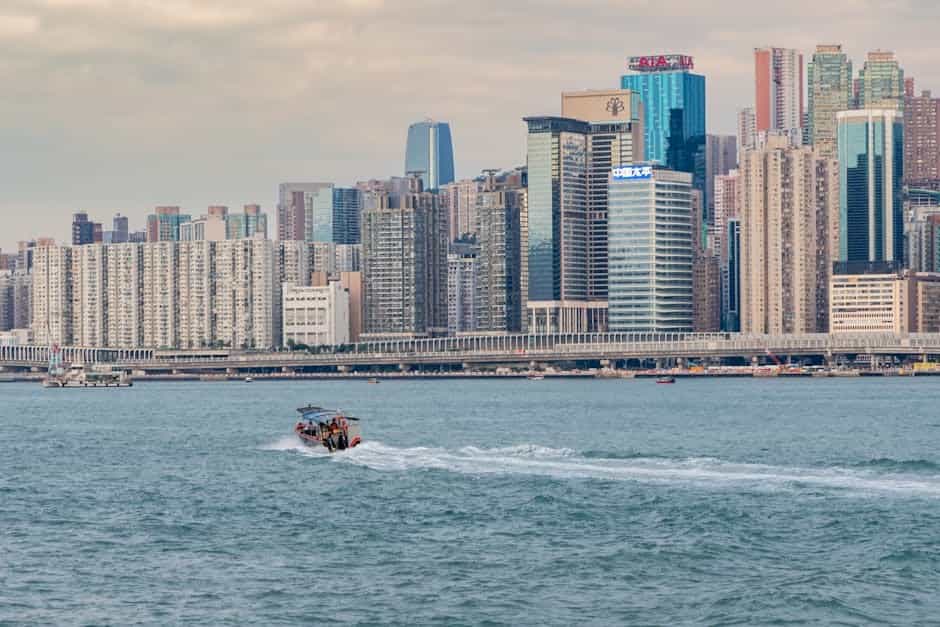
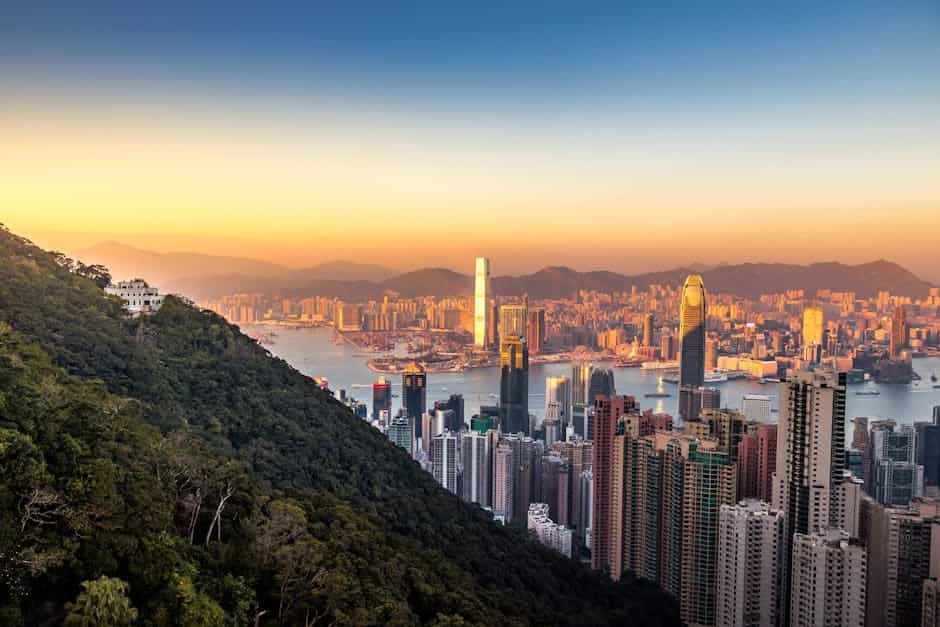
Hong Kong's iconic skyline offers multiple viewing experiences. Victoria Peak provides the classic panoramic view - take the Peak Tram up and walk the Lugard Road loop for sunset views. Tsim Sha Tsui Promenade offers the best harbour-level perspective, especially during the nightly Symphony of Lights show at 8pm. Sky100 observation deck on the 100th floor provides 360-degree city views. Rooftop bars like Ozone (118th floor) combine views with cocktails. Star Ferry crossings offer moving skyline perspectives, particularly magical at golden hour. For unique angles, try the Ngong Ping 360 cable car or harbour cruises. Each vantage point offers different moods - from daytime clarity to neon-lit nights.
What family-friendly activities and attractions does Hong Kong offer?
Hong Kong excels as a family destination with diverse attractions for all ages. Hong Kong Disneyland offers classic Disney magic in a compact, manageable size perfect for younger children. Ocean Park combines marine life, thrilling rides, and cable car journeys with stunning ocean views. Interactive museums like the Science Museum and Space Museum engage curious minds. The Peak Tram and Ngong Ping 360 cable car provide exciting transport experiences. Beaches at Repulse Bay and Stanley offer relaxation and water activities. Many shopping malls feature play areas and family facilities. The city's excellent public transport, including the fun tram rides, makes getting around with children easy and entertaining.