Frequently Asked Questions about Seychelles
Find answers to the most frequently asked questions about Seychelles. From travel tips and safety information to must-know details, our FAQ section helps you plan a smooth and hassle-free trip.
What's the best time to visit Seychelles from India?
The ideal time depends on your priorities. April-May and October-November offer the best overall conditions with light winds, calm seas, and excellent underwater visibility—perfect for snorkeling and diving. June-August brings cooler, drier weather with southeast trade winds, ideal for hiking and surfing. December-March can be wetter with brief tropical showers but features great diving conditions in October-November. For Indian travelers, avoid the monsoon period back home (June-September) by visiting during Seychelles' calmer months. Peak season pricing occurs around Christmas/New Year, so shoulder seasons (April-May, October-November) offer the best value with optimal weather conditions.
How can I reach Seychelles from India and what are the flight options?
Seychelles International Airport (SEZ) on Mahé is the main gateway. From India, you have seasonal nonstop flights (typically 4.5-5 hours from Mumbai/Delhi) or one-stop connections via Middle Eastern hubs like Dubai, Doha, or Abu Dhabi (7-10 hours total). Airlines like Emirates, Qatar Airways, and Etihad offer reliable connections. Air Seychelles sometimes operates direct seasonal routes. Book well in advance for better prices, especially during peak seasons. Once in Seychelles, domestic flights connect Mahé to Praslin (15 minutes), while ferries serve the main islands. Inter-island transfers should be pre-booked, particularly during peak periods.
Do Indian passport holders need a visa for Seychelles?
Indian passport holders typically receive visa-free entry to Seychelles with a Visitor's Permit issued on arrival. However, you must meet standard requirements: valid passport (6+ months validity), confirmed return/onward ticket, proof of accommodation, and sufficient funds for your stay. The initial permit is usually valid for 30 days and can be extended. Requirements can change, so always verify current entry conditions with the Seychelles embassy or official tourism website before traveling. Ensure your passport has blank pages for entry stamps and carry printed copies of hotel bookings and return tickets as immigration may request them.
What are the local transportation options within Seychelles?
Transportation varies by island. On Mahé and Praslin, public buses (SPTC) run extensive daytime routes at low cost. Rental cars offer the most freedom—driving is on the left with narrow, winding roads requiring caution. Taxis are readily available but more expensive. On La Digue, bicycles are the quintessential transport method, creating a charming, eco-friendly experience. For inter-island travel, fast catamarans connect Mahé-Praslin-La Digue, while domestic flights offer quick hops. Boat charters and water taxis provide access to smaller islands and snorkeling spots. Book inter-island transfers in advance during peak seasons, and always allow buffer time between connections and international flights.
What accommodation options are available and where should I stay?
Seychelles offers accommodations across all budgets. Ultra-luxury resorts include Six Senses Zil Pasyon and Anantara Maia with private villas and world-class spas. Mid-range options feature boutique hotels like Coco de Mer Hotel on Praslin and Story Seychelles on Mahé. Budget travelers can choose government-licensed guesthouses offering authentic local experiences. Stay on Mahé for hiking, nightlife, and cultural attractions; Praslin for Vallée de Mai and Anse Lazio beach; La Digue for bicycle culture and Anse Source d'Argent. Many resorts are on private islands for ultimate seclusion. Book early for peak seasons, and note that even luxury resort beaches remain public by law.
What are the must-visit attractions in Seychelles?
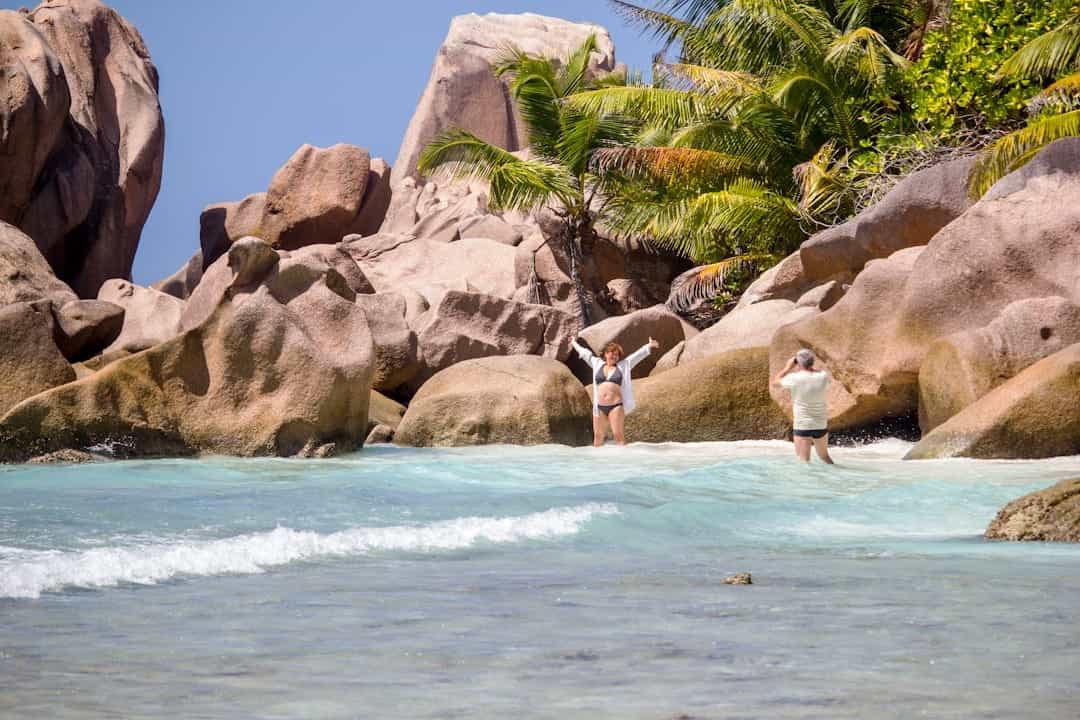
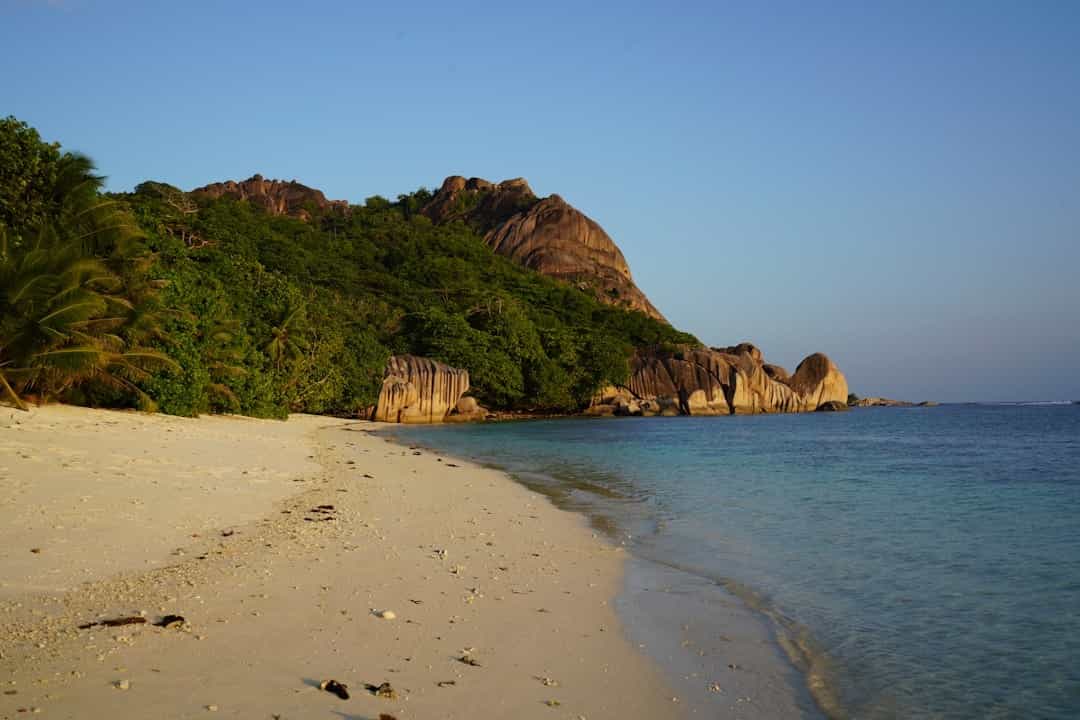
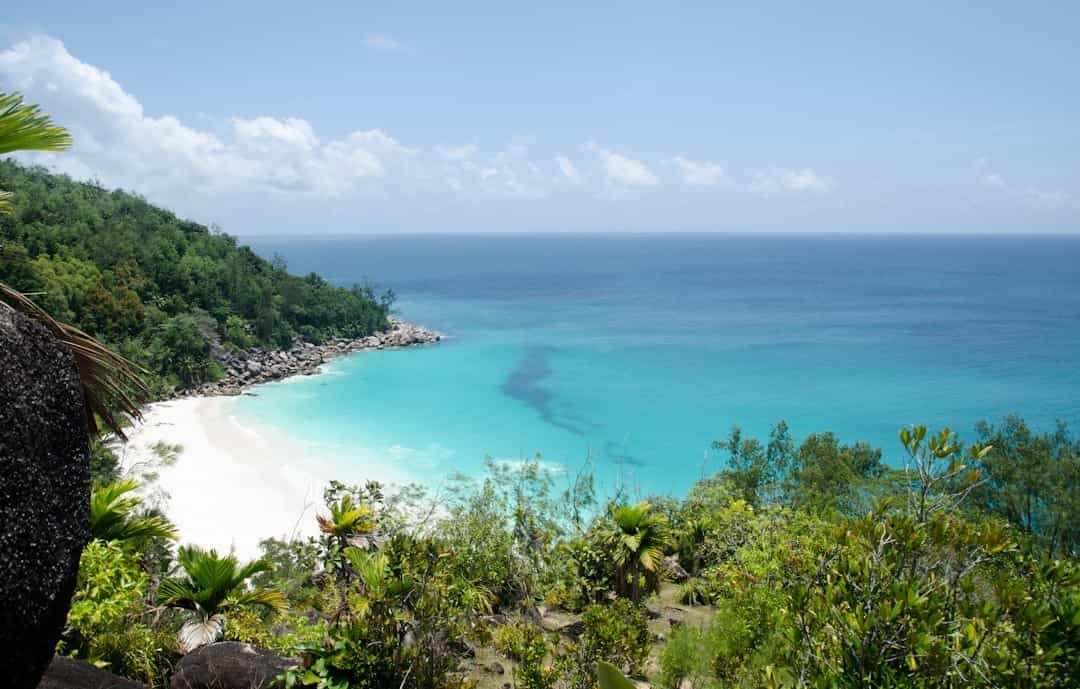
Don't miss Anse Source d'Argent on La Digue—iconic granite boulders and crystal-clear waters create a photographer's paradise. Vallée de Mai on Praslin is a UNESCO World Heritage site housing the legendary coco-de-mer palms and rare black parrots. Anse Lazio on Praslin consistently ranks among the world's top beaches. Morne Seychellois National Park on Mahé offers hiking trails like Copolia with stunning panoramic views. Visit Curieuse Island to meet giant Aldabra tortoises and explore mangroves. Victoria's Sir Selwyn Selwyn-Clarke Market showcases Creole culture and spices. Beau Vallon beach provides watersports and vibrant evening markets. Each island offers unique experiences, from cultural immersion to pristine nature encounters.
What local food and cuisine should I try in Seychelles?
Seychellois cuisine blends Creole, French, Indian, and African influences. Must-try dishes include octopus or fish curry in rich Creole spices, grilled red snapper with Creole sauce, and smoked fish salad with lime and chili. Vegetarians will find dhal, vegetable curries, rice, and roti widely available. Don't miss ladob (sweet plantain dessert in coconut milk), breadfruit chips, and banana fritters. Takamaka rum is the local spirit worth tasting. Fresh tropical fruits like breadfruit, jackfruit, and starfruit are abundant. Many restaurants cater to Indian palates with familiar spices and vegetarian options. Local markets offer the most authentic Creole flavors, while resorts provide international cuisine alongside traditional dishes.
What should I budget for a trip to Seychelles from India?
Seychelles is a premium destination with costs significantly higher than India. Budget travelers can expect ₹8,000-12,000 per day including guesthouses, local transport, and simple meals. Mid-range travelers should budget ₹15,000-25,000 daily for boutique hotels, restaurant dining, and activities. Luxury experiences can cost ₹40,000+ per day for resort stays and fine dining. Flights from India range from ₹35,000-80,000 depending on season and routing. Money-saving tips include visiting during shoulder seasons, staying in guesthouses, using public transport, shopping at local markets, and booking activities directly rather than through resorts. The Seychelles Rupee is the local currency, though Euros are widely accepted in tourism.
Is Seychelles safe for Indian tourists and what precautions should I take?
Seychelles is generally very safe for tourists with low crime rates and stable political conditions. Petty theft can occur, so secure valuables and avoid displaying expensive items. Ocean safety is crucial—swim only at beaches with lifeguards or calm conditions, as some areas have strong currents. Use reef-safe sunscreen to protect marine life and carry high SPF protection due to intense tropical sun. Tap water is treated on main islands but bottled water is recommended. No malaria risk exists, but carry insect repellent for mosquitoes. Respect marine life by not touching coral or turtles. Purchase comprehensive travel insurance covering medical emergencies and activities. Emergency services are available, with the main hospital located in Victoria, Mahé.
What cultural etiquette should I observe in Seychelles?
Seychellois culture is relaxed and welcoming, but observe basic courtesies. Dress modestly when visiting religious sites or local communities—cover shoulders and legs. Beachwear is acceptable at beaches and resorts but not in towns or markets. Greet people with 'Bonzour' (good day) in Creole or English. Tipping 10-15% is appreciated in restaurants if service charge isn't included. Respect the environment by not littering, touching coral reefs, or disturbing wildlife. Photography of locals requires permission, especially in markets or villages. Sunday is a day of rest with limited services. Learn a few Creole phrases to show cultural appreciation. The pace of life is deliberately slow—embrace 'island time' and avoid rushing locals or showing impatience.
How many days should I plan for a Seychelles trip?
A minimum of 6-8 days allows you to experience the three main islands comfortably. First-timers should consider: Mahé (3 nights) for hiking, culture, and arrival/departure logistics; Praslin (2-3 nights) for Vallée de Mai and Anse Lazio; and La Digue (2 nights) for bicycle exploration and Anse Source d'Argent. Luxury travelers or those seeking complete relaxation might prefer 10-14 days, allowing for private island resorts and extensive spa time. Adventure enthusiasts need 8-10 days for diving, island-hopping, and hiking. Honeymooners often choose 7-10 days mixing romance with exploration. Consider travel time between islands and allow buffer days for weather-dependent activities. Peak season requires longer stays to be worthwhile given higher costs.
What should I pack for my Seychelles trip?
Pack light, breathable clothing in cotton or linen for the tropical climate. Essential items include: reef-safe sunscreen (SPF 50+), wide-brimmed hat, polarized sunglasses, and lightweight rain jacket for brief showers. Bring comfortable walking shoes for hiking, water shoes for rocky beaches, and flip-flops for sand. Pack swimwear, rash guard for sun protection, and quick-dry clothing. Include insect repellent, waterproof phone pouch, and portable charger. Don't forget universal power adapter (Type G), any prescription medications, and basic first-aid supplies. Snorkeling gear is optional as rentals are available. Pack modest clothing for cultural sites and evenings out. Leave space for souvenirs like Takamaka rum, spices, and local crafts.
What languages are spoken and how easy is communication for Indians?
Seychelles has three official languages: Seychellois Creole (Kreol Seselwa) used in daily life, English common in tourism and business, and French also widely spoken. Indian travelers will find English sufficient for all tourist needs, from hotels and restaurants to tour operators and transport. Many tourism staff are familiar with Indian preferences, including vegetarian dietary requirements. Learning basic Creole greetings like 'Bonzour' (hello) and 'Mersi' (thank you) is appreciated by locals. French can be helpful in some situations. Most signage includes English, and menus often feature English translations. The local accent may take some adjustment, but communication barriers are minimal. Tourism-focused areas have the strongest English proficiency.
Where can I shop and what are the best souvenirs to buy?
Sir Selwyn Selwyn-Clarke Market in Victoria is the top shopping destination for spices, vanilla, tropical fruits, and local crafts. Domaine de Val des Prés craft village on Mahé features local artisans selling unique handmade items. Eden Plaza and Camion Hall in Victoria offer boutiques and souvenir shops. Best souvenirs include Takamaka rum (various flavors), Seychellois tea and cinnamon bark, coconut shell crafts, artisanal soaps with local ingredients, and local artwork. The famous coco-de-mer requires official permits and certificates—only buy from authorized sellers with proper documentation. Avoid purchasing items made from coral, shells, or turtle products. Local markets offer better prices than resort shops. Duty-free shopping is available at Seychelles International Airport for last-minute purchases.
What water activities and adventure sports are available?
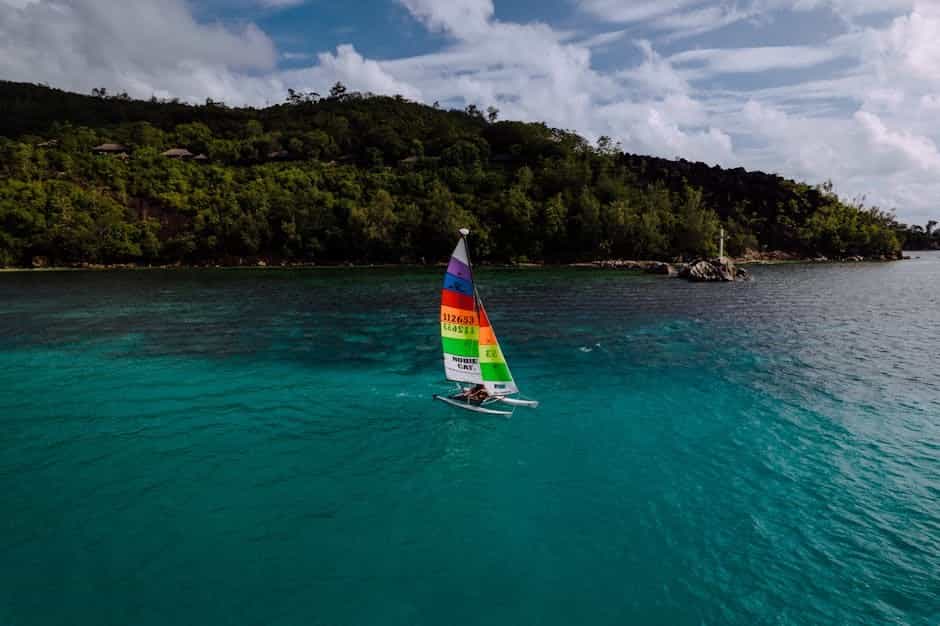
Seychelles offers world-class water activities year-round. Snorkeling and diving are exceptional with granite pinnacles, coral reefs, and marine life including turtles, rays, and tropical fish. Best visibility occurs April-May and October-November. Popular snorkeling spots include St. Pierre, Port Launay Marine Park, and Curieuse Island. Sea kayaking and stand-up paddleboarding let you explore calm lagoons and mangroves independently. Surfing is seasonal (June-August) at spots like Anse Intendance and Grand Anse. Deep-sea fishing charters target sailfish, wahoo, and tuna. Sailing trips and sunset cruises are widely available. Adventure parks on Mahé offer zip-lining through tropical canopies. Kitesurfing and windsurfing work best during southeast trade winds. Always use reputable operators and check weather conditions before booking activities.
How is the internet connectivity and mobile network coverage?
Internet connectivity is generally good on the three main islands (Mahé, Praslin, La Digue) with 4G coverage from local providers Airtel Seychelles and Cable & Wireless. You can purchase local SIM cards at Seychelles International Airport or in Victoria with data packages suitable for tourists. Most hotels, resorts, and restaurants offer free Wi-Fi, though speeds may vary. Remote islands and some outer areas have limited connectivity. International roaming from Indian networks can be expensive, so local SIMs are recommended for extended stays. WhatsApp, social media, and video calls work well in main tourist areas. Some luxury resorts promote 'digital detox' with limited Wi-Fi as a feature. Download offline maps and entertainment before visiting remote islands or engaging in day-long boat trips.
What are the banking and currency options for Indian travelers?
The Seychelles Rupee (SCR) is the official currency, though Euros are widely accepted in tourism. Major credit cards (Visa, Mastercard) are accepted at most hotels, restaurants, and shops, but carry cash for local markets, buses, and small vendors. ATMs are available in Victoria, Beau Vallon, and main tourist areas on Mahé and Praslin, with limited options on La Digue. Indian debit/credit cards generally work, but inform your bank about international travel to avoid blocks. Exchange rates are better at banks than hotels. US Dollars and Euros can be exchanged easily, but Indian Rupees may have limited exchange options. Tipping is typically 10-15% in restaurants if service charge isn't included. Budget extra for the higher cost of living compared to India.
What health considerations and medical facilities should I know about?
No special vaccinations are required for Seychelles, and there's no malaria risk. The main hospital is Seychelles Hospital in Victoria, Mahé, with smaller clinics on Praslin and La Digue. Private medical facilities are also available. Comprehensive travel insurance is essential, covering medical emergencies, evacuation, and activities like diving. Common health considerations include sun exposure (use high SPF sunscreen), dehydration (drink plenty of water), and minor cuts from coral (clean immediately and use antiseptic). Tap water is treated and generally safe on main islands, but bottled water is widely preferred. Pack basic medications, insect repellent for mosquitoes, and any prescription drugs with extra supply. Pharmacies are available in main towns. Diving requires medical clearance if you have pre-existing conditions.
How do I get around between the different islands?
Inter-island travel is straightforward with multiple options. Cat Cocos and Inter Island Ferry operate fast catamarans between Mahé-Praslin-La Digue, with journey times of 45-60 minutes. Ferries run multiple times daily but can be affected by weather, so book in advance and allow flexibility. Air Seychelles provides domestic flights between Mahé and Praslin (15 minutes), ideal for those prone to seasickness or tight schedules. Private boat charters offer flexibility for island-hopping and snorkeling trips but cost more. Helicopter transfers provide luxury and scenic routes. Always book inter-island transport in advance during peak seasons (December-January, July-August). Keep tickets and confirmations handy, arrive early for check-in, and consider weather impacts on schedules. Budget extra time between connections and international flights.
What unique wildlife can I see in Seychelles?
Seychelles hosts remarkable endemic species found nowhere else on Earth. The Vallée de Mai on Praslin protects the rare Seychelles black parrot and the legendary coco-de-mer palm producing the world's heaviest seed. Giant Aldabra tortoises, some over 100 years old, roam freely on Curieuse Island and various locations. Marine life includes hawksbill and green sea turtles (nesting October-February), whale sharks, manta rays, and diverse tropical fish. Bird enthusiasts can spot Seychelles sunbirds, blue pigeons, and magpie robins. Aride and Cousin Islands serve as important seabird sanctuaries with seasonal access. The Seychelles fruit bat is the only native mammal. Responsible wildlife viewing is crucial—maintain distance, don't feed animals, and use certified guides. Many species are protected, so photography and observation should be non-intrusive to preserve these unique ecosystems.
What are the dining customs and restaurant etiquette in Seychelles?
Dining in Seychelles is relaxed with influences from Creole, French, and Indian cuisines. Restaurants typically open for lunch (11:30 AM-2:30 PM) and dinner (6:30 PM-10:00 PM), with some closing on Sundays. Reservations are recommended for popular restaurants and resort dining. Dress code varies from casual beachwear at beach bars to smart casual for upscale restaurants—avoid swimwear in town restaurants. Tipping 10-15% is appreciated if service charge isn't included. Many places cater to dietary restrictions including vegetarian, vegan, and Indian preferences. Fresh seafood is often the day's highlight, but confirm preparation methods if you have allergies. Sharing dishes is common in Creole culture. Rum and local beer are popular, with many restaurants offering tropical cocktails. Local markets provide authentic Creole experiences with casual, communal dining atmospheres.
Are there any specific customs or import restrictions I should know about?
Seychelles has strict environmental protection laws affecting imports and exports. Prohibited items include firearms, illegal drugs, and certain plant/animal products. You cannot export coco-de-mer nuts without official permits and certificates—only purchase from authorized dealers. Coral, shells, and turtle products are strictly forbidden. Duty-free allowances include 200 cigarettes, 2 liters of wine, and 1 liter of spirits per adult. Prescription medications should be in original containers with prescriptions. Drones require permits from civil aviation authorities. Fishing equipment may need permits. Large amounts of cash (over $10,000 equivalent) must be declared. Respect marine parks where fishing, collecting, and anchoring are restricted. When departing, allow extra time for customs checks. Some resorts can assist with export permits for authorized souvenirs. Always declare items when uncertain to avoid legal complications.