Open-water scuba certification
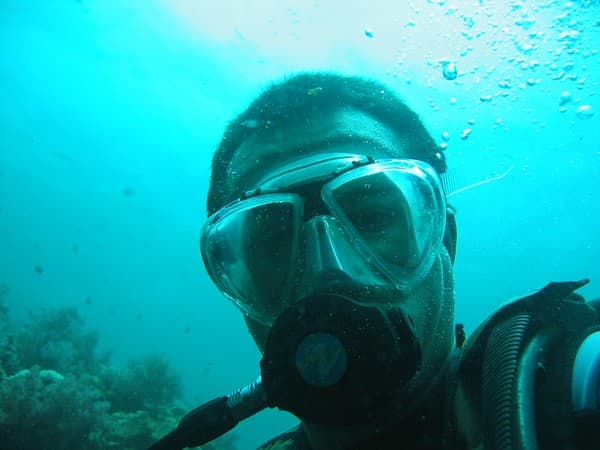
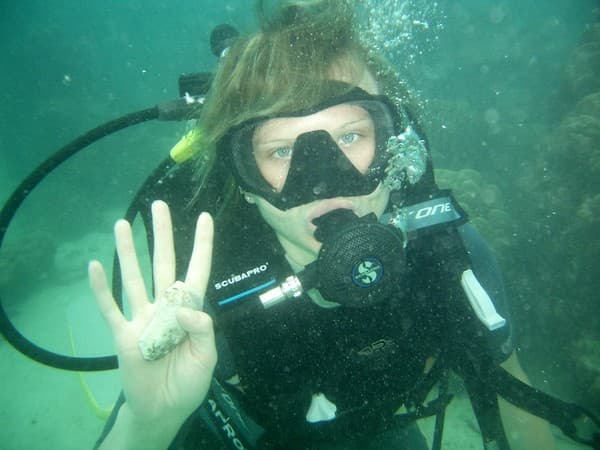
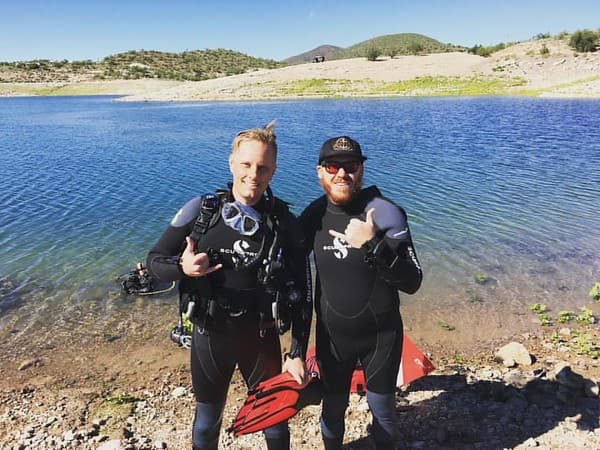
PADI Open Water Diver course delivered on Koh Tao — a 3–4 day beginner certification that teaches core scuba skills, dive planning, equipment use, and safe open-water diving. Koh Tao is one of the world’s most popular and affordable places to get certified thanks to warm water, shallow bays for training, abundant marine life (turtles, reef fish, colorful corals and seasonal whale sharks), and a wide choice of dive schools.
Location
Sairee Bay / Mae Haad — multiple accredited dive centres across Koh Tao, Koh Tao (island), Thailand
Duration
3–4 days (standard) — or 2 days if you complete e-learning before arrival and opt for an accelerated schedule.
Best Time to Visit
Year-round. Best visibility and calmer seas: February–May and September–November. Monsoon influence can increase in late October–November and some operators reduce schedules in heavy weather.
Pricing
Typical price: 10,000–14,000 THB (~US$280–400) for the full course (instructor, equipment rental, boat transfers, local certification fees). Exclusions/optional extras: e-learning (~2,000–3,000 THB / US$60–90 if not done beforehand), DAN/diving insurance, airport transfers, accommodation, tips.
Activity Type
Coordinates
Highlights
Hands-on confined-water sessions in shallow bays to master core skills safely
Open-water dives (usually 4 minimum) around shallow reefs and pinnacles
Abundant marine life: reef fish, hard and soft corals, regular turtle sightings and occasional whale shark encounters (seasonal)
Small class sizes available — many schools keep student-to-instructor ratios low for faster learning
Affordable pricing and many accredited agencies (PADI/SSI) — widely recognized internationally
Itinerary
Complete e-learning/theory online (optional but highly recommended)
Finishing knowledge development before arrival reduces in-water time and can shorten the course to 2 days.
Briefing, classroom/theory review and confined-water (pool-like) skills session
You’ll learn equipment set-up, breathing underwater, mask clearing, regulator recovery and basic buoyancy skills.
Confined-water practice (if required) + two open-water dives
First open-water dives are shallow, controlled and focused on practicing taught skills in a real environment.
Two final open-water dives and course assessment — certification issued
After successful completion of knowledge and practical assessments you receive the Open Water certification card.
Additional guided fun dives or a checkout dive for confidence
Great if you want extra bottom time, more practice or to try different dive sites around the island.
Safety Requirements
Complete a pre-course medical questionnaire; a doctor’s sign-off is required if certain conditions (asthma, heart disease, recent surgeries, medications) are indicated
Minimum age: 10 years for PADI Junior Open Water (10–14) and 15+ for full Open Water certification
Basic swimming ability: comfortable in water and able to swim 200 meters (or 300 m with mask/snorkel) / float/tread water for 10 minutes (requirements vary slightly by agency)
Not pregnant — diving is not recommended during pregnancy
Must be free from alcohol and recreational drugs during training; report any recent injuries or ear problems
Follow safe ascent rates, buddy-system protocols and instructor guidance; carry/know emergency procedures
Tips
Book a reputable, accredited dive centre (check PADI/SSI affiliation and recent reviews) — small class sizes mean faster learning
Complete the e-learning/theory before arrival to reduce time in-water and often save money
Bring: reef-safe sunscreen, towel, swimwear, light long-sleeve rashguard, logbook (if you have one) and sea-sickness meds if prone to motion sickness
Always confirm what’s included: equipment rental, boat transfers, certification fee, and the maximum student-to-instructor ratio
Arrange diving insurance that explicitly covers scuba (DAN or similar) before you dive
Allow sufficient time before flying: follow agency guidance — wait at least 24 hours after your last dive when possible (some courses/conditions advise 18–24 hours; 24 hours is the conservative recommendation)
Ask about gear sizes and the condition of rental equipment; if you plan to dive regularly consider bringing your own mask, snorkel and boots
High season (Dec–Mar, school holidays) can book out — reserve 1–2 weeks in advance for best choice of operators and schedules