12 Kerala Traditional Sweets and Desserts You Must Try
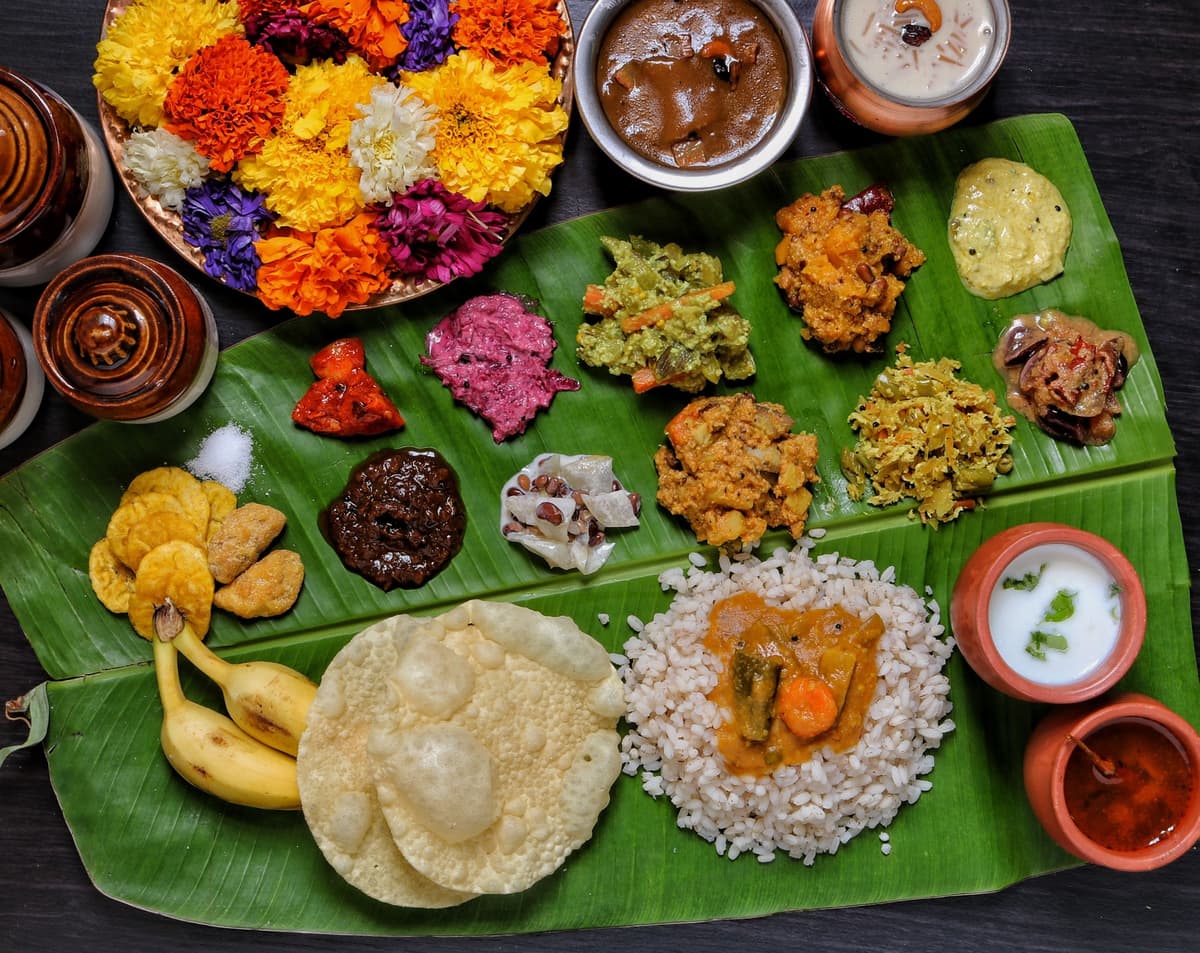
From emerald backwaters laced with coconut palms to tea-draped highlands and sun-splashed Arabian Sea beaches, Kerala is a feast for the senses — and that extends gloriously to its dessert table. Often called the land of spices and coconuts, this lush South Indian state has a sweet-making tradition that runs as deep as its backwater canals. Whether you're wrapping up an elaborate banana-leaf sadya feast during Onam or browsing the colorful stalls of Kozhikode's famous Sweetmeat Street, Kerala's traditional sweets will leave you reaching for just one more bite.
Here's your ultimate guide to the must-try traditional sweets and desserts of Kerala — complete with insider tips on where to taste them at their finest.
The Royalty of Kerala Desserts: Payasam and Pradhaman
No conversation about Kerala sweets begins — or ends — without payasam. These creamy, slow-cooked puddings are the crowning glory of every festive meal and the non-negotiable finale of the traditional sadya.
Ada Pradhaman
Widely regarded as the king of Kerala desserts, Ada Pradhaman is the one sweet you absolutely cannot skip. Made with thin rice flakes (ada) simmered in rich coconut milk and sweetened with dark jaggery, it delivers a deep, caramel-like sweetness that is unmistakably Kerala. Cardamom, roasted coconut bits, fried cashews, and raisins add layers of aroma and crunch. The word pradhaman literally means "the foremost," and no Onam feast is considered complete without at least one variety gracing the banana leaf.
Insider tip: The traditional way to enjoy Ada Pradhaman is poured directly onto your banana leaf, then topped with crushed pappadam and a smashed ripe banana — mixed together by hand. It sounds unusual, but the combination of creamy, salty, and fruity is extraordinary.
Palada Payasam
If Ada Pradhaman is the king, Palada Payasam is the beloved queen. This milk-based version uses rice ada slow-cooked in sweetened milk until the mixture turns a gorgeous pink-gold hue. Temples across Kerala — especially the famous Guruvayoor Temple — serve Palada Payasam as prasadam (sacred offering), and tasting it there is a near-spiritual experience. Expect a velvety, cardamom-scented richness that takes around two hours of patient simmering to achieve.
Parippu Pradhaman
This divine concoction of mung beans (parippu), jaggery, and coconut milk is a staple at every Kerala sadya. The lentils are slow-cooked to silky perfection, creating a hearty yet elegant dessert that balances earthy protein with tropical sweetness. Garnished with toasted coconut slivers and ghee-fried cashews, it's comfort in a bowl.
Chakka Pradhaman
When jackfruit season hits Kerala (typically March through June), kitchens come alive with Chakka Pradhaman. Made with ripe jackfruit pulp, jaggery, and thick coconut milk, this seasonal payasam has a deep, almost caramel-like sweetness and a luscious texture. It's especially popular during Onam and Vishu celebrations, and its intense tropical flavor makes it unforgettable.
Sweets from Kerala's Diverse Communities
One of the most fascinating things about Kerala's dessert landscape is how each cultural community has contributed its own signature creations.
Kozhikode Halwa
Perhaps the most iconic takeaway sweet from Kerala, Kozhikode Halwa (also called Calicut Halwa) has origins tracing back to Arab traders who arrived on the Malabar coast for the spice trade. Legend says the halwa was gifted to the Zamorin of Kozhikode, embedding it forever in Kerala's culinary history.
What makes it unique? Unlike the ghee-heavy halwas found elsewhere in India, Kozhikode Halwa is made with coconut oil, giving it a distinctive flavor and chewy, almost jelly-like texture. It comes in a dazzling array of colors and flavors — from the classic black halwa (made with jaggery) to modern twists like passion fruit, chocolate, and tender coconut.
Where to buy: Head straight to Mittayi Theruvu (SM Street / Sweetmeat Street) in Kozhikode, where shops are stacked floor to ceiling with vibrant halwa cubes. It has a long shelf life without refrigeration, making it the perfect edible souvenir.
Chatti Pathiri
Often described as Kerala's answer to lasagna, Chatti Pathiri is a layered pastry from Malabar's Muslim kitchens. Thin pancakes made with flour and egg are filled with a sweet mixture of beaten eggs, nuts, raisins, and spices, then baked until golden. It is considered essential at Iftar gatherings during Ramadan and at pre- and post-wedding celebrations. The alternating layers of crispy pastry and sweet custard filling create a texture that's entirely its own.
Mutta Maala & Pinjanathappam
This exquisite dessert duo showcases Portuguese culinary influence on Kerala's Malabar coast. Mutta Maala (literally "egg garland") is made by delicately drizzling egg yolks into simmering sugar syrup to create golden-yellow strings that look like tiny necklaces. It's traditionally paired with Pinjanathappam, a soft, steamed cake made from the leftover egg whites. Together, they're a zero-waste masterpiece — beautiful, delicate, and deeply satisfying.
Achappam (Rose Cookies)
Kerala's Christian community contributes Achappam, crispy, flower-shaped cookies made from rice flour with a hint of coconut and sesame. These delicate treats are commonly prepared during Easter and Christmas and have a satisfying crunch that pairs perfectly with a cup of Kerala's own cardamom-spiced tea.
Beloved Everyday Sweets
Unniyappam
These golden-brown fritters are the ultimate Kerala comfort sweet. Made from rice flour, jaggery, ripe bananas, and coconut, Unniyappam are deep-fried to achieve a crispy exterior and soft, sweet interior. You'll find them at temple festivals, tea shops, and home kitchens across the state. They're also a common offering (nivedyam) at temples, so you might receive a warm one as prasadam during your visit.
Neyyappam
A close cousin of Unniyappam, Neyyappam puts ghee (ney) center stage. These soft, ghee-infused fritters are made with rice flour, jaggery, and bananas, and have a melt-in-your-mouth delicacy that distinguishes them from their crunchier cousin. They're a staple during festive celebrations and religious rituals throughout Kerala.
Kozhukatta
These steamed rice dumplings filled with a sweet mixture of freshly grated coconut and jaggery are pure, understated elegance. Kozhukatta is a traditional dessert often prepared during Ganesh Chaturthi and other festive occasions — a lighter, gentler sweet for those who prefer subtlety over richness.
Elaneer Pudding
For something refreshingly modern yet rooted in Kerala's coconut heritage, try Elaneer Pudding — a chilled dessert made from tender coconut water and flesh, set with agar-agar or gelatin. It's light, cooling, and perfect after a spicy Kerala meal, especially during the warm summer months from March to May.
Where to Find the Best Kerala Sweets
Kerala's traditional sweets are best experienced in context — at a festival, in a local home, or from a heritage sweet shop. Here are some top recommendations:
- SM Street (Mittayi Theruvu), Kozhikode — The undisputed capital of Kozhikode Halwa, with shops offering endless varieties
- Guruvayoor Temple, Thrissur — Famous for its Palada Payasam served as prasadam
- Any Onam or Vishu sadya — Time your visit between August and September (Onam) or mid-April (Vishu) to experience payasam at its ceremonial best
- Local bakeries in Kochi — Try Shantilal S Mithaiwala, Cochin Halwa Centre, or Swamy's Sweets and Snacks
- Heritage restaurants — Villa Maya in Thiruvananthapuram and The Rice Boat in Kochi often feature refined versions of traditional desserts
- Cooking classes — Many resorts and homestays across Alappuzha, Kumarakom, and Thekkady offer hands-on sessions where you can learn to make payasam and other sweets yourself
Practical Tips for Sweet-Toothed Travellers
- Best season for sweets: Visit during Onam (August–September) when every household and restaurant prepares elaborate sadya feasts with multiple payasam varieties. The prime tourist season from November to March also offers plenty of opportunities at temple festivals and holiday celebrations.
- Edible souvenirs: Kozhikode Halwa, banana chips fried in coconut oil, and jaggery-coated groundnuts all travel well and make excellent gifts.
- Dietary notes: Many Kerala sweets are naturally gluten-free (rice flour-based) and dairy-free (using coconut milk instead of cow's milk), making them accessible to a wide range of dietary preferences. Ask locally to confirm specific ingredients.
- Pair with tea: Kerala's highland estates in Munnar produce exceptional single-origin teas. A cup of fresh cardamom tea alongside a plate of Unniyappam or Achappam is one of life's simple, perfect pleasures.
Sweet Endings
Kerala's traditional sweets are far more than dessert — they're edible history, cultural identity, and communal celebration rolled into every bite. From the centuries-old Arab-influenced halwas of Kozhikode to the temple-blessed payasam of Guruvayoor, each sweet tells a story of trade routes, festivals, family recipes, and the generous Kerala spirit of sharing. Whether you're drifting through the backwaters on a houseboat or trekking through misty tea estates, make room for these unforgettable flavors. Your Kerala journey simply isn't complete without them.
Leave a Comment
Explore Kerala
Ready to plan your trip? Check out our complete travel guide and packages.