Best Time to Visit Rajasthan: Your Complete 2026 Seasonal Guide
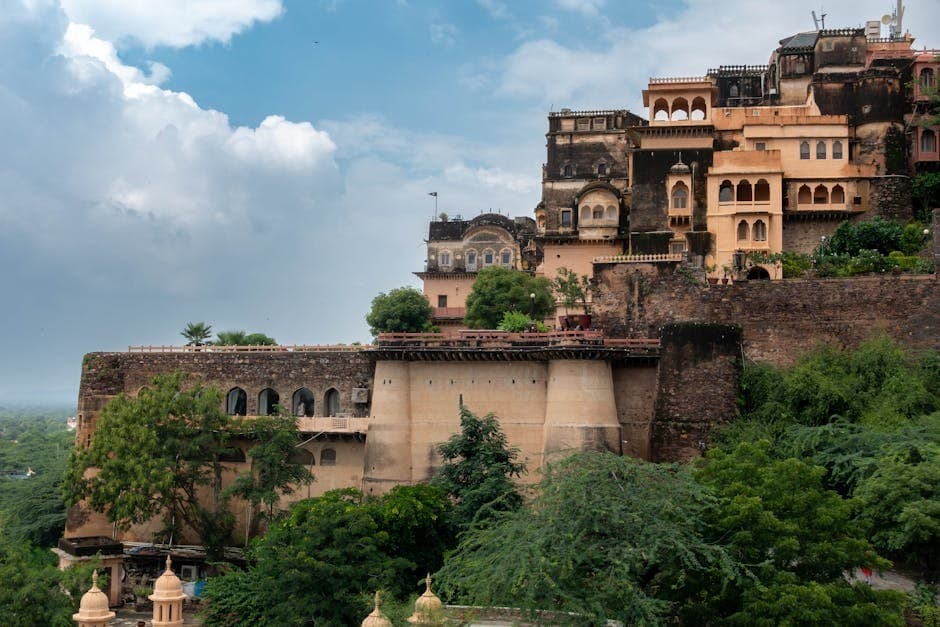
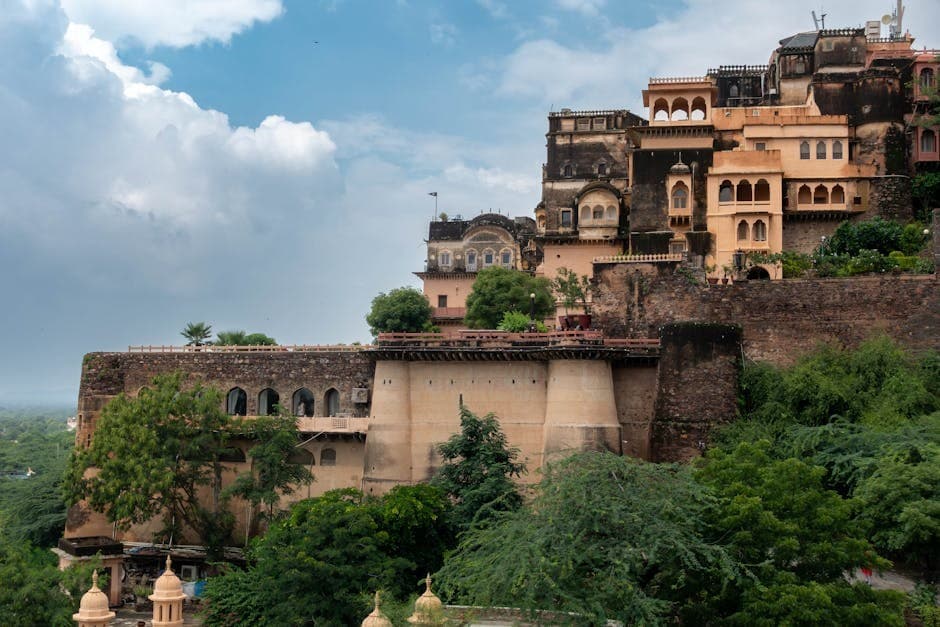
Imagine standing before the amber-hued walls of Jaipur's Hawa Mahal as the morning sun paints it gold, or watching the sunset transform Jaisalmer's sandstone fortress into a glowing ember against the Thar Desert. This is Rajasthan — India's land of kings, where every corner tells a story of valor, romance, and timeless beauty.
But here's the thing: visiting this magnificent state at the wrong time can turn your dream vacation into a sweaty, uncomfortable ordeal. Trust me, I learned this the hard way during my first trip in May when temperatures soared to 45°C (113°F), and I spent more time seeking air-conditioned refuge than exploring palaces.
So, what is the best time to visit Rajasthan? Let's dive deep into the seasons, festivals, and insider secrets that will help you plan the perfect royal adventure.
Understanding Rajasthan's Climate: A Quick Overview
Before we break down the best months to visit, let's understand what you're working with. Rajasthan experiences three distinct seasons:
- Winter (October to March): Cool, pleasant, and perfect for sightseeing
- Summer (April to June): Scorching hot with temperatures exceeding 45°C
- Monsoon (July to September): Moderate rainfall bringing relief from the heat
The state's desert landscape means extreme temperature variations — hot days and surprisingly cool nights, especially in winter. This knowledge is crucial for packing and planning your itinerary.
The Golden Period: October to March (Peak Season)
Why Winter is the Best Time to Visit Rajasthan
Without a doubt, October to March represents the ideal window for exploring Rajasthan. The weather gods finally show mercy, blessing travelers with:
- Comfortable temperatures: Daytime highs of 22-28°C (72-82°F)
- Clear blue skies: Perfect for photography
- Pleasant evenings: Ideal for rooftop dinners and desert camping
- Festival season: Experience Rajasthan's vibrant cultural celebrations
Month-by-Month Breakdown
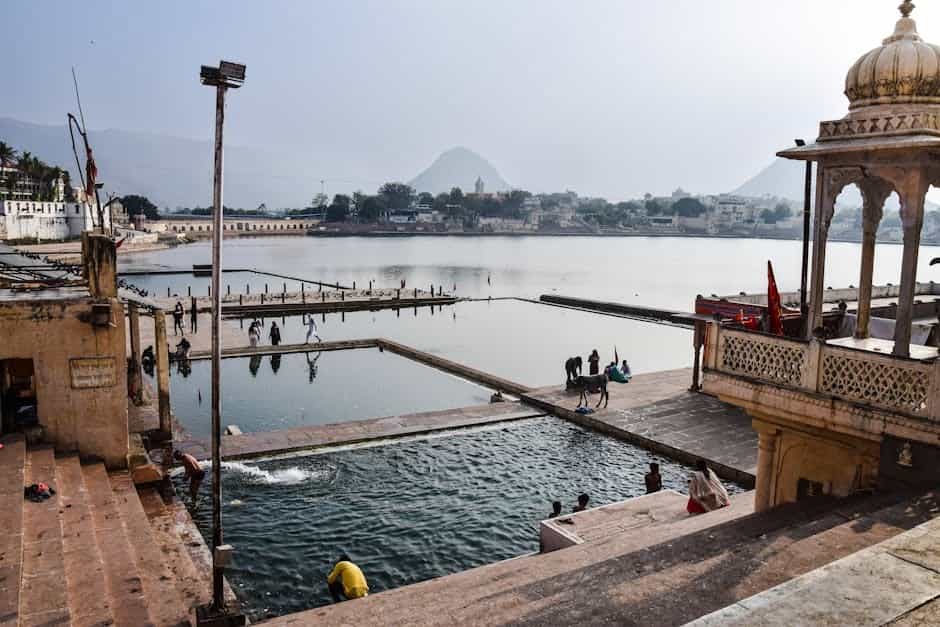
October-November: The post-monsoon landscape is surprisingly green, and the weather starts cooling down. This is an excellent time for wildlife enthusiasts — Ranthambore and Sariska national parks reopen, offering fantastic tiger-spotting opportunities. The famous Pushkar Camel Fair (usually in November) is a bucket-list experience you shouldn't miss.
December-January: Peak tourist season arrives with the coolest temperatures. Expect:
- Morning fog in some regions
- Chilly nights (5-10°C) requiring warm layers
- Higher hotel prices and crowded attractions
- The magical Jaipur Literature Festival in January
February-March: Arguably the sweet spot for visiting. The weather is warming up but still comfortable, crowds thin out slightly, and you can catch the spectacular Holi celebrations — experiencing this festival of colors in Rajasthan is absolutely unforgettable.
Insider Tips for Peak Season
- Book accommodations 2-3 months in advance, especially for heritage hotels
- Carry layers — mornings and evenings can be surprisingly cold
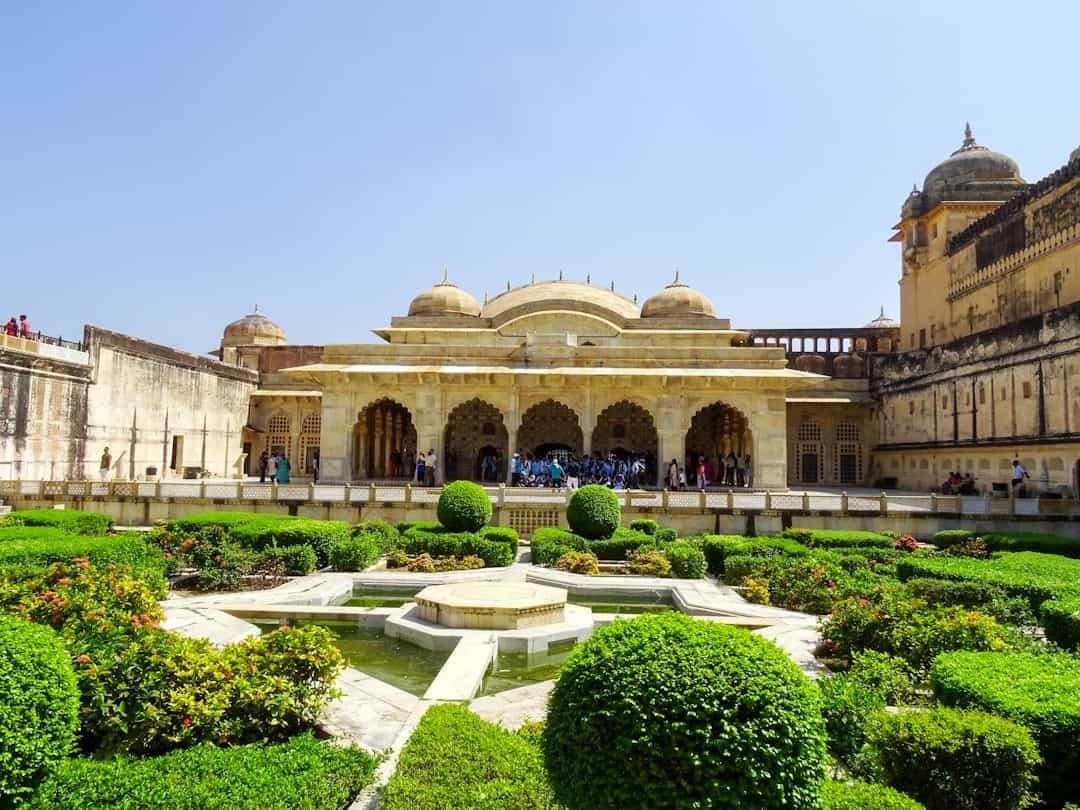
- Start early — beat the crowds at popular sites like Amber Fort
- Negotiate prices — even in peak season, bargaining is expected
Shoulder Season: September and Early October
Looking for a budget-friendly alternative without extreme weather? The late monsoon and early post-monsoon period offers some compelling advantages:
- Lower hotel rates (30-50% cheaper than peak season)
- Fewer tourists at major attractions
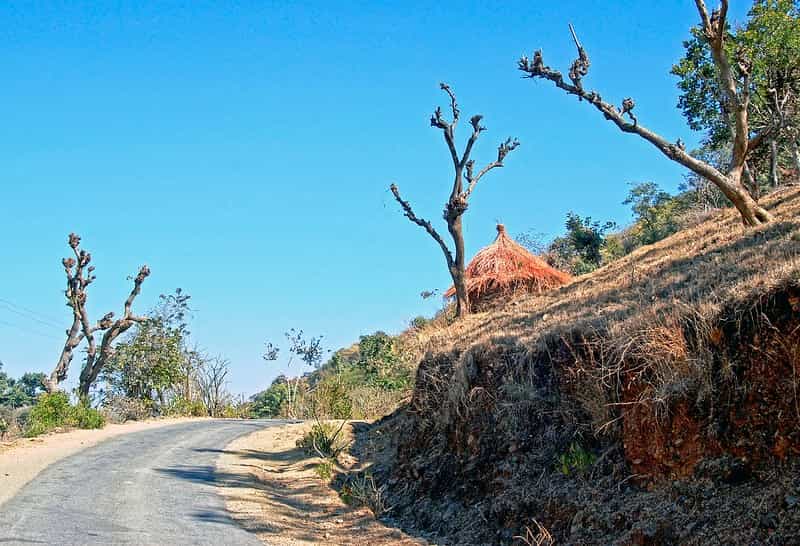
- Lush, green landscapes — unusual for desert Rajasthan
- Comfortable temperatures starting to emerge
The catch? Some desert activities like camel safaris might be limited, and there's still a chance of occasional rainfall. But for the budget-conscious traveler who doesn't mind a little unpredictability, this period is a hidden gem.
Summer in Rajasthan: April to June (Off-Season)
Should You Visit Rajasthan in Summer?
Let me be honest: summer is brutal. Temperatures regularly exceed 45°C (113°F), and the hot loo winds make outdoor exploration genuinely dangerous. However, there are a few reasons why some travelers still choose this season:
- Rock-bottom prices: Hotels slash rates by 50-70%
- No crowds: Have the Taj Mahal-level attractions almost to yourself
- Mount Abu escape: Rajasthan's only hill station offers cooler temperatures
- Unique experiences: Summer festivals like Gangaur and Teej
Survival Tips for Summer Visitors
If you absolutely must visit during summer:
- Plan activities for early morning (6-9 AM) and evening (5-8 PM)
- Stay hydrated — carry water everywhere and drink more than you think you need
- Choose hotels with pools and good air conditioning
- Embrace the siesta culture — rest during peak afternoon heat
- Wear loose, light-colored cotton clothing
Monsoon Magic: July to September
The Underrated Monsoon Experience
Monsoon in Rajasthan is a love-it-or-hate-it proposition. Unlike Kerala or Goa, Rajasthan receives relatively modest rainfall (averaging 25-50 cm annually), concentrated mainly in July and August.
The advantages:
- Dramatic cloud formations and stunning photography opportunities
- Cooler temperatures (30-35°C)
- Waterfalls come alive at places like Chittorgarh
- The Teej Festival celebrates the arrival of monsoon with incredible fervor
- Significant discounts on accommodations
The disadvantages:
- Some attractions may be partially closed or less accessible
- Desert safaris are largely suspended
- Humidity can be uncomfortable
- Flash flooding occasionally affects travel plans
Best Time for Specific Experiences
Desert Safari and Camping
Best time: November to February
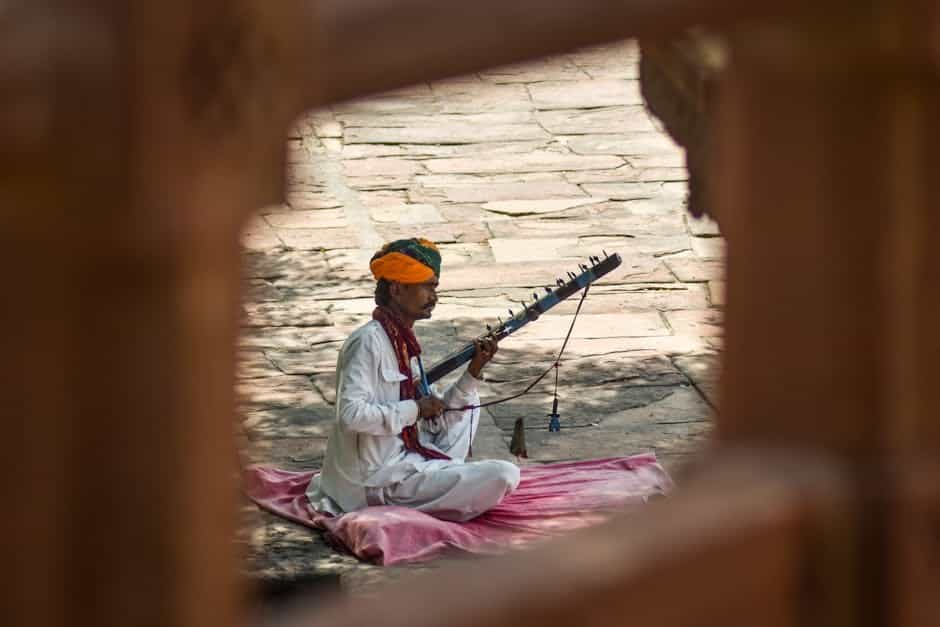
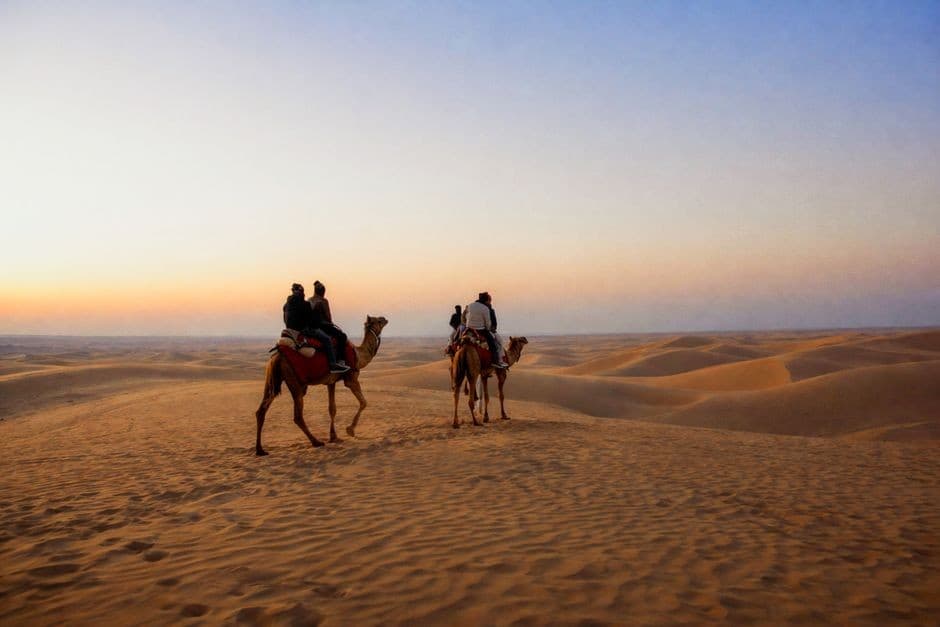
The Thar Desert transforms into a magical playground during winter. Spend a night under the stars in Jaisalmer or Bikaner, enjoying traditional Rajasthani music, dance, and cuisine around a bonfire. The cool desert nights (sometimes dropping to 5°C) make camping genuinely pleasant.
Wildlife Safari
Best time: October to April
Ranthambore National Park, one of India's best tiger reserves, is open from October 1st to June 30th. However, January to April offers the highest probability of tiger sightings as vegetation thins and animals gather around water sources.
Photography Tours
Best time: October to December
The post-monsoon clarity, golden light, and comfortable temperatures create perfect conditions for capturing Rajasthan's architectural splendor. The Pushkar Camel Fair in November is a photographer's paradise.
Festival Experiences
Best time: October to March
Key festivals include:
- Diwali (October/November): Palaces and forts illuminated with thousands of lamps
- Pushkar Fair (November): World's largest camel fair
- Jaipur Literature Festival (January): Asia's largest literary gathering
- Desert Festival, Jaisalmer (February): Cultural extravaganza in the dunes
- Holi (March): The legendary festival of colors
Regional Considerations: Where to Go When
Rajasthan is vast, and different regions have slightly different optimal timing:
| Region | Best Months | Why |
|---|---|---|
| Jaipur & Eastern Rajasthan | October-March | Pleasant weather, festival season |
| Udaipur & Southern Rajasthan | September-March | Lake levels high post-monsoon |
| Jaisalmer & Western Desert | November-February | Perfect desert camping weather |
| Mount Abu | April-June, September-November | Hill station escape from heat |
| Ranthambore | January-April | Best wildlife sighting chances |
Practical Planning Tips
What to Pack
Winter (October-March):
- Light layers and a warm jacket for evenings
- Comfortable walking shoes
- Sunscreen and sunglasses (the sun is still strong)
- Scarf or shawl for temple visits
Summer (April-June):
- Loose, breathable cotton clothing
- Wide-brimmed hat and high-SPF sunscreen
- Reusable water bottle
- Electrolyte supplements
Budget Considerations
- Peak season (December-January): Expect to pay premium prices
- Shoulder season (October-November, February-March): Better value with good weather
- Off-season (April-September): Significant savings but weather compromises
Final Verdict: When Should YOU Visit?
For first-time visitors: Plan your trip between mid-October and mid-March. The weather is comfortable, all attractions are accessible, and you'll experience Rajasthan at its vibrant best.
For budget travelers: Consider September-October or late February-March for the sweet spot of decent weather and lower prices.
For photographers and culture enthusiasts: Time your visit around November's Pushkar Fair or March's Holi celebrations for unforgettable experiences.
For wildlife lovers: Book your Ranthambore safari for February-April when tiger sighting chances peak.
Rajasthan isn't just a destination — it's an emotion, a journey through time, and a feast for all senses. The best time to visit is when the weather lets you fully immerse yourself in this magic without the distraction of extreme heat or unpredictable rains.
So, when are you planning your royal Rajasthan adventure? Drop a comment below, and let's help you plan the perfect trip!
Leave a Comment
Explore Rajasthan
Ready to plan your trip? Check out our complete travel guide and packages.