Dubai Climate Guide: How to Stay Cool & Comfortable Year-Round
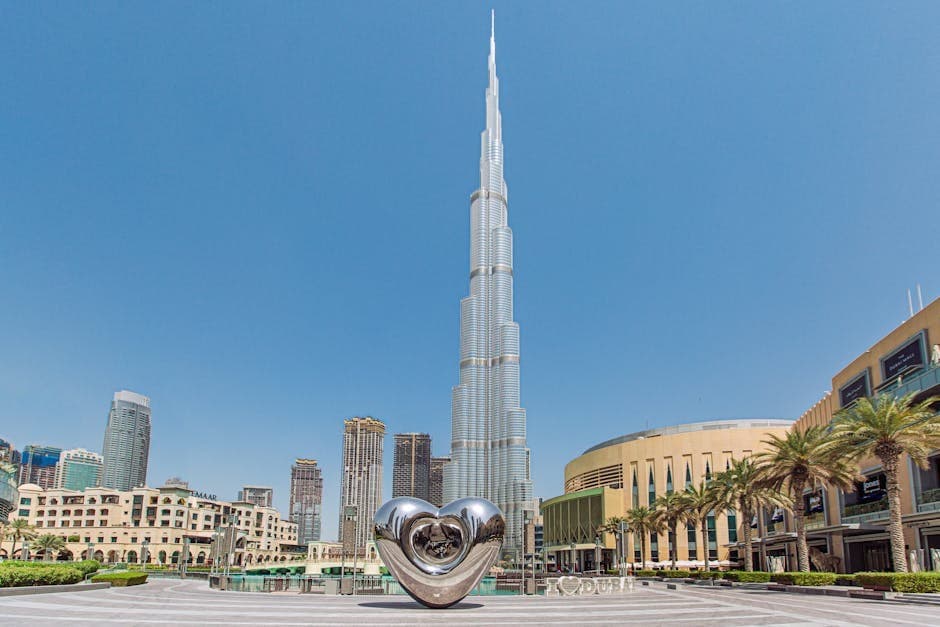
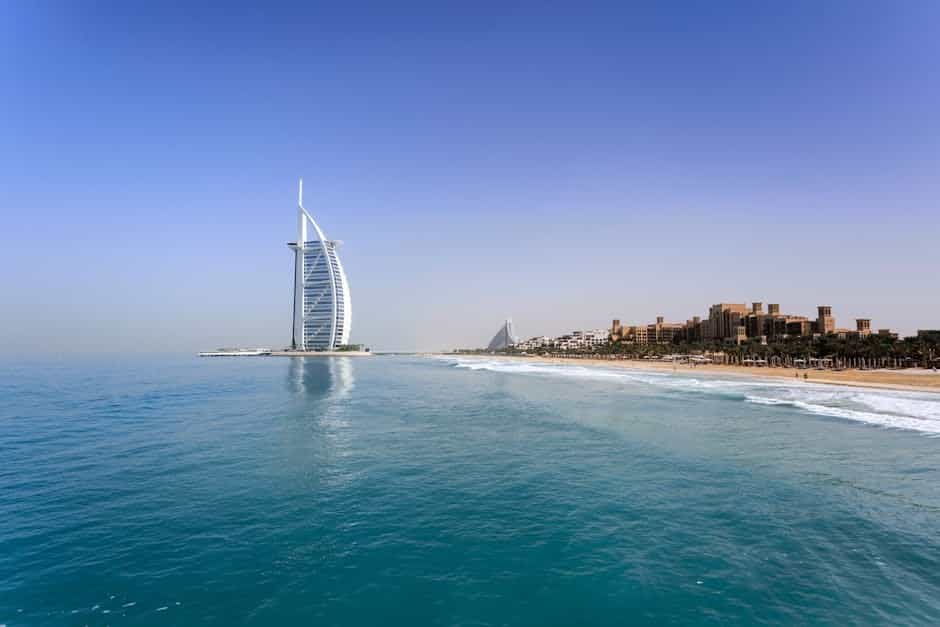
Picture this: You're standing atop the Burj Khalifa, gazing at a cityscape that seems to shimmer like a mirage against golden desert sands. Dubai is a place where human ambition meets extreme nature—and understanding its climate is absolutely essential for an unforgettable visit.
Whether you're planning a luxury escape, a family adventure, or a business trip to this glittering emirate, Dubai's weather will significantly shape your experience. From scorching summer days that can make outdoor exploration challenging to blissfully mild winters perfect for beach hopping, knowing what to expect—and how to prepare—can make the difference between a trip you'll treasure and one you'll want to forget.
Let's dive into everything you need to know about Dubai's climate and discover the insider secrets to staying comfortable in this extraordinary desert destination.
Understanding Dubai's Desert Climate
The Basics: What Makes Dubai's Weather Unique
Dubai sits on the southeastern coast of the Persian Gulf, placing it firmly within a hot desert climate zone (BWh in the Köppen classification). This means you can expect:
- Extreme summer heat with temperatures regularly exceeding 40°C (104°F)
- Mild, pleasant winters with temperatures averaging 20-25°C (68-77°F)
- Very low rainfall—averaging just 100mm annually
- High humidity levels, especially during summer months near the coast
- Abundant sunshine—over 3,500 hours of sun per year
The city experiences two distinct seasons rather than four: a long, intensely hot summer (May through September) and a shorter, comfortable winter (November through March). October and April serve as transitional months with gradually changing temperatures.
Summer in Dubai: The Heat is Real
Let's be honest—Dubai summers are intense. From June through August, daytime temperatures frequently soar between 40-48°C (104-118°F), with the heat index feeling even higher due to humidity levels that can reach 90%. The combination of heat and humidity creates what locals call the "Dubai steam bath" effect.
During these months, the sun rises early and sets late, with peak UV radiation between 10 AM and 4 PM. Even brief outdoor exposure can lead to sunburn, heat exhaustion, or worse if you're unprepared.
What to expect in summer:
- Air conditioning becomes your best friend (and it's everywhere)
- Outdoor attractions operate with limited hours or close entirely
- Hotel rates drop significantly—hello, budget-friendly luxury!
- Indoor attractions like malls, aquariums, and museums thrive
- Swimming pools and beach clubs remain popular in early mornings and evenings
Winter in Dubai: Peak Season Paradise
From November through March, Dubai transforms into a weather wonderland. Temperatures hover between 20-30°C (68-86°F), humidity drops to comfortable levels, and the occasional rainfall brings a refreshing change to the desert landscape.
This is peak tourist season for good reason. You can comfortably explore outdoor souks, lounge on pristine beaches, enjoy desert safaris, and dine al fresco without breaking a sweat. The only catch? Higher prices and larger crowds.
Best Time to Visit Dubai
The Sweet Spot: November to March
For most travelers, November through March offers the ideal Dubai experience. Here's a month-by-month breakdown:
- November: Temperatures settle around 25°C (77°F). Perfect for outdoor activities.
- December: Festive season brings special events. Expect pleasant 22°C (72°F) days.
- January: The coolest month—pack a light jacket for evenings around 19°C (66°F).
- February: Slightly warming up. Ideal beach weather begins.
- March: Last comfortable month before heat intensifies.
Shoulder Seasons: April and October
These transitional months offer a sweet balance of manageable weather and lower prices. Temperatures range from 28-35°C (82-95°F)—warm but not unbearable. You'll find fewer crowds and better hotel deals while still enjoying outdoor activities during cooler parts of the day.
Summer Visits: Not for Everyone, But Worth Considering
If you're heat-tolerant and budget-conscious, summer travel has its perks:
- Luxury hotels at fraction of peak prices
- Shorter queues at indoor attractions
- Dubai Summer Surprises festival with incredible shopping deals
- World-class indoor entertainment options
Essential Tips for Staying Comfortable in Dubai
Dress Smart for the Desert
Your wardrobe choices can dramatically impact your comfort level:
- Choose natural fabrics like cotton and linen that breathe
- Light colors reflect sunlight better than dark ones
- Loose-fitting clothing allows air circulation
- Modest dress is appreciated, especially outside tourist areas
- Always carry a light layer for heavily air-conditioned spaces
- Comfortable walking shoes are essential—Dubai involves lots of walking
Pro tip: Pack a pashmina or light cardigan. The temperature difference between outdoor heat and indoor AC can be 20+ degrees!
Hydration is Non-Negotiable
In Dubai's climate, dehydration sneaks up quickly. Follow these guidelines:
- Drink 3-4 liters of water daily, more if you're active
- Carry a reusable water bottle—refill stations are common
- Avoid excessive caffeine and alcohol, which accelerate dehydration
- Eat water-rich fruits like watermelon, available everywhere
- Watch for dehydration signs: headache, dizziness, dark urine
Sun Protection Strategies
The Dubai sun is relentless. Protect yourself with:
- SPF 50+ sunscreen, reapplied every two hours
- UV-protective sunglasses—invest in quality lenses
- Wide-brimmed hats or caps with neck coverage
- Seek shade during peak hours (10 AM - 4 PM)
- Consider UV-protective clothing for extended outdoor activities
Plan Your Day Around the Heat
Smart scheduling makes all the difference:
Morning (6 AM - 10 AM):
- Beach visits and water activities
- Desert excursions
- Outdoor sightseeing
- Jogging or exercise
Midday (10 AM - 4 PM):
- Indoor attractions (Dubai Mall, Aquarium, museums)
- Spa treatments
- Long lunches in air-conditioned restaurants
- Pool time at your hotel
Evening (4 PM - Late):
- Return to outdoor activities
- Sunset desert safaris
- Al fresco dining
- Souk exploration
- Beach clubs and rooftop bars
Embrace Air Conditioning Culture
Dubai has mastered the art of climate control. Take advantage of:
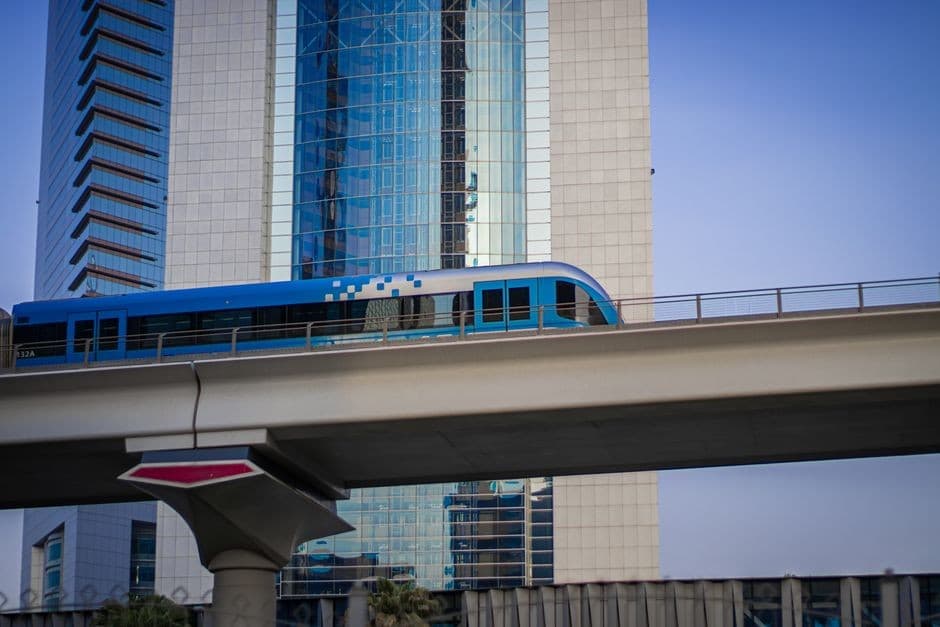
- Fully air-conditioned metro system—clean, efficient, and cool
- Connected indoor spaces—many hotels link directly to malls
- Indoor theme parks like IMG Worlds of Adventure
- Climate-controlled taxis and ride-shares
- Chilled swimming pools at many hotels
Practical Packing Checklist for Dubai
Based on the climate, here's what to bring:
Essentials:
- Lightweight, breathable clothing
- Swimwear (multiple sets dry quickly)
- High-SPF reef-safe sunscreen
- Quality sunglasses with UV protection
- Comfortable walking sandals and sneakers
- Reusable water bottle
- Light cardigan or jacket for AC
- Hat or cap
Nice to Have:
- Portable fan or cooling towel
- Electrolyte supplements
- Aloe vera gel for sun exposure
- Moisture-wicking athletic wear
Final Thoughts: Your Dubai Climate Action Plan
Dubai's climate shouldn't intimidate you—it should inform you. With proper planning and these insider strategies, you can thoroughly enjoy everything this magnificent city offers, regardless of when you visit.
Your key takeaways:
- Time your visit wisely: November-March for ideal weather; summer for budget-friendly luxury
- Hydrate constantly: Make water your constant companion
- Dress strategically: Light, loose, and modest with layers for AC
- Schedule smartly: Outdoor mornings and evenings, indoor midday
- Embrace the infrastructure: Dubai is built for climate comfort
Remember, millions of visitors—and over 3 million residents—thrive in Dubai's climate every year. With the right preparation, you won't just survive the desert heat; you'll discover why this sun-drenched city has become one of the world's most captivating destinations.
Ready to explore? Dubai's golden sands and glittering skyline are waiting for you.
Leave a Comment
Explore Dubai
Ready to plan your trip? Check out our complete travel guide and packages.