Kanchenjunga Base Camp Trek in Sikkim – The Complete Guide
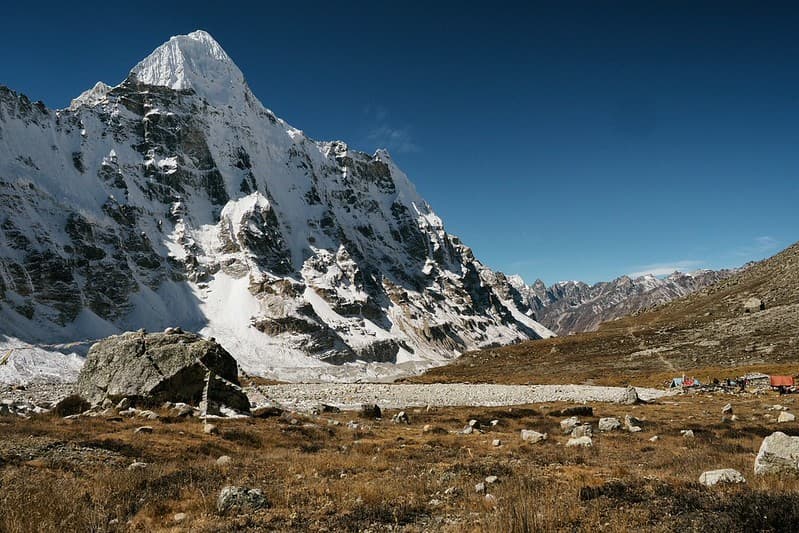
Few treks on Earth put you face to face with the world's third-highest mountain quite like the Kanchenjunga Base Camp expedition from Sikkim. At 8,586 metres, Mt Khangchendzonga — as the Sikkimese spell and revere it — isn't just a peak; it's the guardian deity of an entire state, a five-summited massif that glows gold at sunrise and anchors nearly a third of Sikkim's protected land inside Khangchendzonga National Park, India's only UNESCO Mixed World Heritage Site.
If you're an experienced trekker looking for a Himalayan adventure far from the crowds, this is your trail. Here's everything you need to know before you lace up your boots.
Why Trek to Kanchenjunga Base Camp from Sikkim?
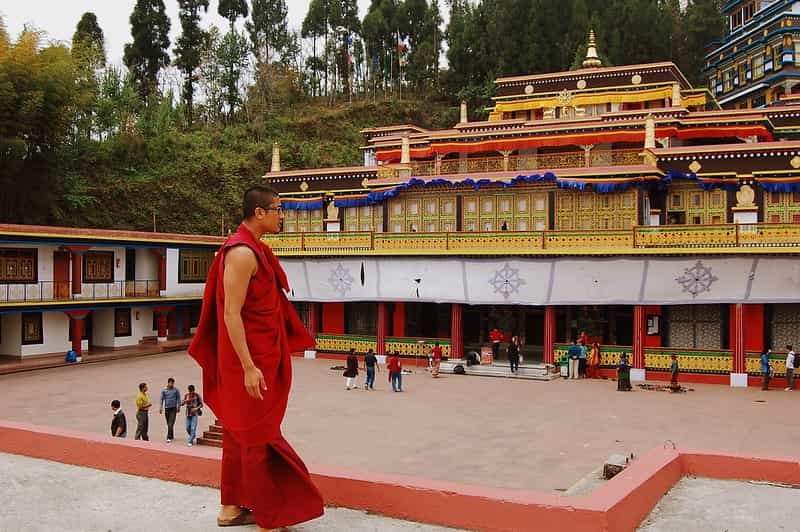
Most trekkers associate the Kanchenjunga Base Camp trek with Nepal's far-eastern Taplejung district. But Sikkim offers its own spectacular approaches to the mountain — and they come with a character all their own. Dense rhododendron forests, glacial lakes, sacred Buddhist sites, and encounters with Lepcha and Bhutia culture make the Sikkim-side experience as much a cultural pilgrimage as a mountain adventure.
There are two primary routes on the Sikkim side that bring you closest to Kanchenjunga's base:
1. The Goecha La Trek (Yuksom–Dzongri–Goecha La)
This is the most popular and accessible Kanchenjunga base camp route in Sikkim. The trek begins in the historic village of Yuksom (1,780 m) in West Sikkim — the site of Sikkim's first coronation and home to the ancient Dubdi Monastery. From there, the trail winds through the heart of Khangchendzonga National Park, passing through Sachen, Tshoka, and the famous meadow camp at Dzongri (4,020 m) before reaching Goecha La at 4,940 m.
Goecha La is a high mountain pass that sits just across from the Kanchenjunga base camp zone, offering jaw-dropping views of the southeast face of Kanchenjunga, along with neighbouring giants like Pandim, Kabru, Rathong, and Koktang. The route covers roughly 90 km over 10–11 days and is graded moderate to strenuous.
2. The Green Lake Trek (Lachen–Zemu Glacier)
For the truly committed, the Green Lake Trek from North Sikkim is the original Kanchenjunga base camp approach. Starting from the village of Lachen, the trail follows the Zemu Glacier — the largest glacier in the Eastern Himalayas — to Green Lake at approximately 5,050 m, sitting directly below Kanchenjunga's eastern face with views of Siniolchu, Simvo, and the Twin Peaks.
This route was historically used by pre-war mountaineering expeditions attempting Kanchenjunga from the Indian side. It's remote, demanding, and takes 10–12 days. Permits for this trek are harder to obtain and should be applied for at least 4–5 months in advance through a registered agency.
Best Time for the Kanchenjunga Base Camp Trek
Sikkim's trekking windows align with the state's prime seasons:
- Spring (April–May): Clear skies, blooming rhododendrons along the trail, and gradually warming temperatures. This is the most popular window, especially for the Goecha La route when the forests between Tshoka and Dzongri explode in pink and crimson blooms.
- Autumn (October–November): Crisp post-monsoon skies deliver the clearest mountain views. Temperatures are cooler but stable, and trails are well-drained after the rains.
Avoid the monsoon months (June–September) when heavy rain, leeches, and landslide risks make high-altitude trekking dangerous. Winter (December–February) brings heavy snow above 3,500 m, and many sections of the trail become impassable.
Difficulty Level & Fitness Requirements
The Kanchenjunga Base Camp trek — whether via Goecha La or Green Lake — is not a beginner's trail. The Goecha La route is rated moderate to strenuous, with a maximum altitude of 4,940 m and 5–7 hours of daily trekking over steep, uneven terrain. The Green Lake trek is more demanding still, reaching over 5,050 m with longer days and virtually no infrastructure.
Who should attempt it? Trekkers with prior high-altitude experience above 4,000 m and a solid base of cardiovascular fitness. A preparation period of 3–4 months of regular cardio, strength training, and practice hikes is strongly recommended.
Altitude sickness is a real concern. Acclimatisation days are built into most itineraries — the rest day at Dzongri is essential, not optional. Stay hydrated, ascend slowly, and know the symptoms of Acute Mountain Sickness (AMS).
Permits You'll Need
Sikkim's border-zone location means permits are non-negotiable, and the rules differ for Indian and foreign nationals:
- Indian nationals need a Protected Area Permit (PAP) and Khangchendzonga National Park entry permits, arranged through registered trekking agencies in Gangtok or Yuksom. Carry a valid Voter ID, Passport, or Driving Licence — Aadhaar is often not accepted.
- Foreign nationals require a Restricted Area Permit (RAP) plus the national park permits. These must be arranged through a registered Sikkim travel agency. Carry your passport with at least six months' validity and extra passport-size photographs.
- For the Green Lake Trek, permits fall in a restricted zone near the Indo-China border and take significantly longer to process — plan at least 4–5 months ahead.
All trekkers must be accompanied by a registered guide — independent trekking is not permitted inside Khangchendzonga National Park.
A Typical Goecha La Itinerary at a Glance
| Day | Route | Altitude | Highlights |
|---|---|---|---|
| 1 | Bagdogra/NJP → Yuksom | 1,780 m | Drive along the Teesta River; explore Yuksom |
| 2 | Yuksom → Sachen | 2,195 m | Forest trail through magnolia and ferns |
| 3 | Sachen → Tshoka | 2,940 m | Steep climb via Bakhim; rhododendron forests |
| 4 | Tshoka → Dzongri | 4,020 m | Long ascent through alpine meadows |
| 5 | Dzongri (acclimatisation) | 4,020 m | Sunrise viewpoint; optional hike to Laxmi Pokhari |
| 6 | Dzongri → Thangshing | 3,930 m | Descent to Prek Chu River; waterfall views |
| 7 | Thangshing → Lamuney | 4,200 m | Moraine walking; approach to Samiti Lake |
| 8 | Lamuney → Goecha La → Lamuney | 4,940 m | Pre-dawn summit push; golden sunrise on Kanchenjunga |
| 9 | Lamuney → Tshoka | 2,940 m | Long descent retracing the trail |
| 10 | Tshoka → Yuksom | 1,780 m | Final descent; celebration in Yuksom |
What to Pack
- Layering system: Moisture-wicking base layers, insulating fleece or down jacket, waterproof outer shell
- Footwear: Broken-in, waterproof trekking boots with ankle support; camp sandals
- Sleeping: A four-season sleeping bag rated to at least -10°C (camps provide tents)
- Sun and altitude protection: UV sunglasses, SPF 50+ sunscreen, lip balm, wide-brimmed hat
- Hydration and nutrition: Water purification tablets or a filter; energy bars and trail mix
- Health essentials: Personal first-aid kit, Diamox (consult your doctor), blister care, hand warmers
- Documents: Permits, ID copies, passport photos, travel insurance details
Insider Tips for a Successful Trek
- Book early in peak season. April–May and October–November slots with reputable agencies fill up fast. Permits take time.
- Spend a day in Yuksom before you start. Visit the 17th-century Dubdi Monastery for a warm-up hike and to begin gentle acclimatisation.
- Don't skip the Dzongri sunrise. Wake before dawn on your acclimatisation day and climb the ridge above camp — the panorama of Kanchenjunga, Kabru, and Pandim in first light is the single most unforgettable moment of the trek.
- Respect the mountain. Khangchendzonga is sacred to the Sikkimese. The summit has never been stepped on out of reverence. Carry out all waste, stay on marked trails, and tread lightly.
- Pair your trek with Sikkim exploration. Yuksom is a short drive from Pelling, where you can walk the Chenrezig Skywalk, visit Pemayangtse Monastery, and gaze at Kanchenjunga from a completely different angle. Gangtok's MG Marg is the perfect place to refuel on momos, thukpa, and Temi tea after the trail.
Getting There
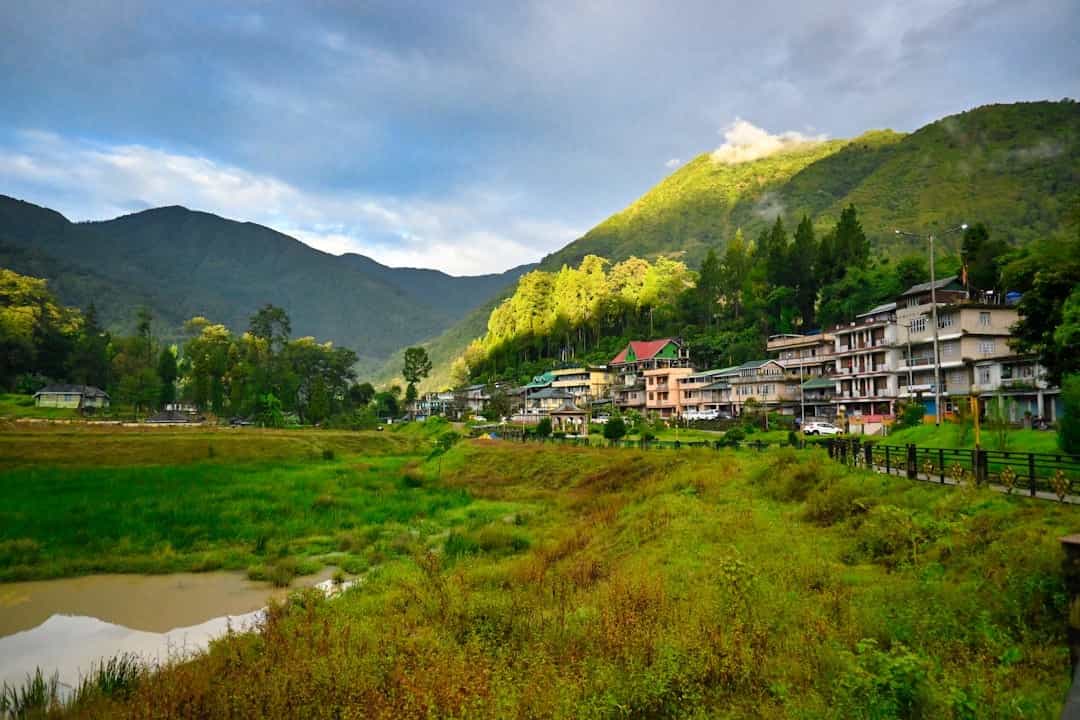
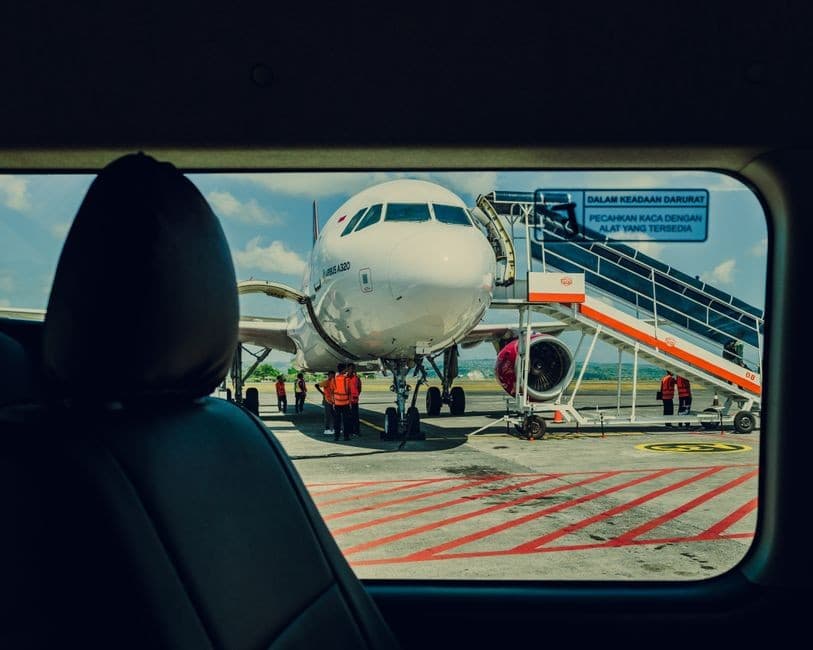
The nearest airport is Bagdogra (IXB) in Siliguri, West Bengal. From there, it's a 6–7 hour drive to Yuksom via Pelling. Alternatively, take the train to New Jalpaiguri (NJP) and hire a vehicle. The drive follows NH-10 through the Teesta valley — stunning but susceptible to monsoon landslides, so build in buffer time.
Final Thoughts
The Kanchenjunga Base Camp expedition from Sikkim is not the easiest trek you'll ever do — but it might be the most rewarding. Whether you choose the classic Goecha La route or the wild remoteness of the Green Lake trail, you'll walk through one of Earth's greatest vertical eco-gradients, from subtropical forest to glacial moraine, under the gaze of a mountain that an entire culture considers divine.
Start planning early, train seriously, respect the permits and the mountain, and you'll come home with stories — and sunrise photographs — that last a lifetime.
Leave a Comment
Explore Sikkim
Ready to plan your trip? Check out our complete travel guide and packages.