Street Food in Sikkim – A Guide to Local Eats You Must Try
There's a moment in Sikkim that every food-loving traveller remembers: you're standing on a misty street corner somewhere in Gangtok, your breath visible in the mountain air, and a vendor hands you a plate of steaming momos with a fiery red chutney. The first bite is pillowy, juicy, and searingly hot — and suddenly the chill doesn't matter anymore. That's the magic of Sikkim's street food. It's not flashy. It doesn't try to impress with Instagram-worthy plating. It simply warms you from the inside out, the way food should in a land cradled by snow peaks and rhododendron forests.
Sikkim's cuisine is a beautiful collision of Nepalese, Bhutia (Tibetan), and Lepcha culinary traditions, shaped by high altitudes, cold weather, and — importantly — India's first fully organic state status. What you eat here is honest, nourishing, and deeply tied to the land. Let's walk through the street food you absolutely cannot miss.
The Iconic Momo – Sikkim's Undisputed Street Food King
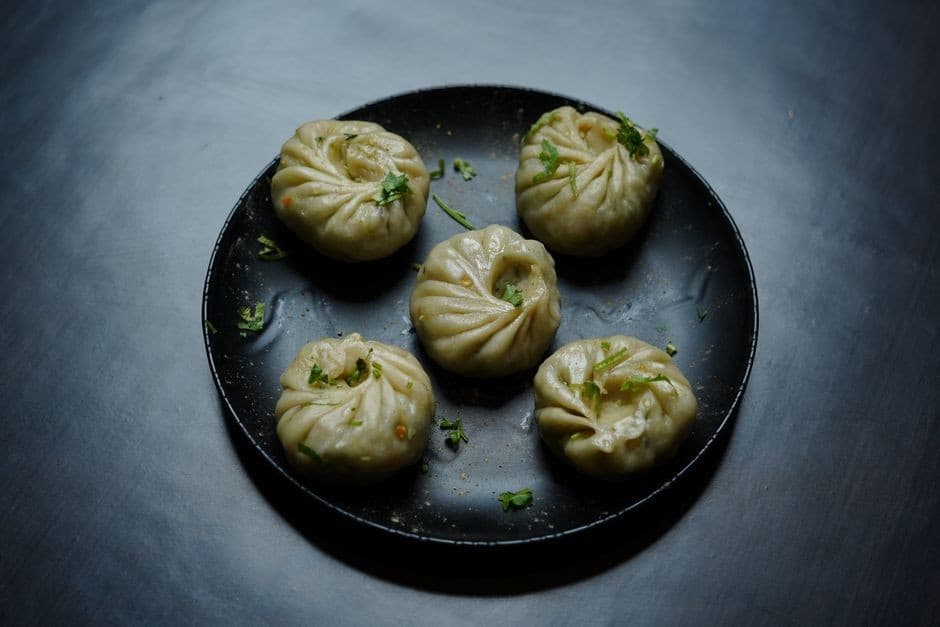
You can't write about Sikkim street food without starting here. Momos — steamed or fried dumplings filled with pork, chicken, beef, or vegetables — are everywhere. Every lane in Gangtok, every roadside stall in Pelling, every rest stop on the way to Lachung has someone folding dough and filling it with spiced, minced goodness.
What makes Sikkim momos different from the ones you've had in Delhi or Bangalore? It's the simplicity. The meat is seasoned with little more than ginger, garlic, spring onion, and a whisper of soy. The wrappers are thinner. And the achar (chutney) — a searing tomato-and-chilli sauce — has a smoky, almost roasted depth that's addictive.
Where to eat them
- Taste of Tibet on MG Marg, Gangtok is legendary for momos and thukpa — arrive early because it fills up fast.
- Street vendors along Lal Bazaar serve no-frills steamed momos that locals swear by.
- For a sit-down experience, Nimtho in New Market, Gangtok offers warm, homestyle Nepali-Tibetan fare with excellent veggie momo options.
Thukpa, Gyathuk & Thenthuk – The Holy Trinity of Noodle Soups
If momos are Sikkim's street food king, noodle soups are the queen. On a cold Gangtok evening — and evenings are always cold in Gangtok — a bowl of thukpa is medicine for the soul. For a deeper dive into these dishes, see our guide to Sikkim's unique noodle culture – Thukpa, Gyathuk, Thenthuk & more.
- Thukpa is a Tibetan noodle soup with vegetables or meat in a clear, spiced broth. It's light but deeply warming.
- Gyathuk is its richer cousin — thicker noodles, a heartier broth, more generous with the meat.
- Thenthuk features hand-pulled, irregularly torn noodle pieces in soup, giving it a rustic, chewy texture that's wonderfully satisfying.
You'll find these at virtually every eatery in Gangtok, but the best bowls tend to come from tiny, family-run places where the broth has been simmering since morning.
Sha Phaley – The Tibetan Meat Pasty You'll Dream About
Imagine a deep-fried bread pocket stuffed with seasoned minced meat and cabbage. That's sha phaley — crispy on the outside, juicy on the inside, and dangerously easy to eat three in a row. It's a Bhutia specialty and one of the most satisfying grab-and-go snacks in Sikkim.
Sha phaley is best eaten hot, straight from the oil, with a cup of butter tea or sweet milky chai. Look for it at street stalls around MG Marg and at Taste of Tibet, which is well-known for its shyaphaley.
Sel Roti with Aloo – A Nepali Classic
Sel roti is a ring-shaped, slightly sweet, crispy rice-flour bread — think of it as Nepal's answer to the doughnut, but less sugary and more fragrant with cardamom. Paired with a spiced aloo (potato) curry, it's a beloved breakfast and festival food across Sikkim's Nepali communities.
During festivals like Tihar and Dasain, sel roti is fried in every household. But you don't need to wait for a festival — street vendors in Gangtok and Namchi serve it year-round, especially in the mornings.
Gundruk & Kinema – Fermented Flavours of the Hills
Sikkim's food culture has a deep love affair with fermentation, and two ingredients define this tradition:
- Gundruk is made from fermented leafy greens (mustard, radish, or cauliflower leaves) dried in the sun. It's served as a tangy soup or a pickle-like side dish. The flavour is sour, earthy, and utterly unique.
- Kinema is fermented soybean — sticky, pungent, and packed with umami. It's cooked into a curry that's an acquired taste but absolutely worth acquiring.
For a proper introduction to these flavours, head to 9INE Native Cuisine in Gangtok, which serves an excellent primer on Sikkimese plates including gundruk soup, kinema curry, and churpi dishes.
Ningro with Churpi – Fiddlehead Ferns Meet Mountain Cheese
This dish is peak Sikkim. Ningro are fiddlehead ferns — the tightly coiled young shoots you see in forest undergrowth — sautéed with churpi, a hard, chewy cheese made from yak or cow milk. The combination of the slightly bitter, vegetal fern with the salty, rubbery cheese is unlike anything you've tasted elsewhere.
Churpi itself is a popular street snack — sold in hard cubes that you gnaw on like candy. You'll find it at Lal Bazaar and the Khangchendzonga Shopping Complex, where the Sunday haat (market) is a sensory feast of fresh produce, dried cheese, and Alpine goods.
Phagshapa – Pork Done the Sikkimese Way
Not exactly street food in the grab-and-go sense, but phagshapa — strips of pork fat cooked with radish and fiery dried red chillies — shows up in casual eateries and home-kitchen-style restaurants across the state. It's rich, spicy, and meant to be eaten with steamed rice. If you eat pork, this is a must-try for understanding Bhutia cuisine.
Tongba – Sikkim's Warm Millet Brew
No street food crawl in Sikkim is complete without tongba, a traditional millet-based fermented drink served in a bamboo or wooden mug. Hot water is poured over fermented millet, and you sip the warm, slightly sweet, mildly alcoholic liquid through a bamboo straw. It's social, warming, and perfectly suited to cold mountain evenings.
Tongba is widely available at local bars and eateries. Pair it with momos or sha phaley for the ultimate Sikkim street food experience.
Practical Tips for Eating Street Food in Sikkim
- Go organic with confidence. Sikkim is India's first fully organic state, so the produce — from greens to grains — is grown without synthetic chemicals.
- Eat where locals eat. The best momos and thukpa come from tiny, no-signboard stalls. Follow the crowd.
- Carry cash. Most street vendors don't accept cards. UPI is increasingly common in Gangtok but don't rely on it in smaller towns.
- Layer up for evening food walks. Gangtok evenings hover around 10–15°C even in summer. A light jacket makes your MG Marg cafe-hopping and local eats far more enjoyable.
- Visit Lal Bazaar early. The market is liveliest in the morning. It's closed on Thursdays, so plan accordingly.
- Don't skip Temi tea. Sikkim's only tea estate produces exquisite organic teas. Sip it at source or pick up packets at outlets in Pelling and Namchi.
Where to Base Your Food Explorations
Gangtok is the undisputed food capital of Sikkim. The pedestrian-only MG Marg boulevard is the heart of the action — lined with cafés, restaurants, and street vendors. Start at one end with a coffee at Baker's Café, work your way through momos at Taste of Tibet, try Sikkimese specialties at 9INE Native Cuisine, and finish with a drink at Osm Lounge or Pub 25.
Beyond Gangtok, keep your eyes open at every highway stop and small-town market. Some of the best food in Sikkim comes from places you'll never find on Google Maps — a grandmother frying sel roti by the roadside in Ravangla, a tiny momo shack near Rumtek Monastery, or a thukpa stall in the lanes of Pelling.
Final Bite
Sikkim's street food isn't about spectacle — it's about soul. Every momo, every bowl of thukpa, every sip of tongba carries the warmth of a culture shaped by mountains, monasteries, and three distinct culinary traditions living side by side. Come for the views of Khangchendzonga. Stay for the food. And leave with the taste of churpi still lingering on your tongue.
Hungry for more Sikkim? Check out our guides to the best time to visit Sikkim, the sacred Khangchendzonga National Park, and the stunning Goecha La trek.
Leave a Comment
Explore Sikkim
Ready to plan your trip? Check out our complete travel guide and packages.